








Introduction:This sun-dried Caturra from Duncan Estate in Boquete, Panama, boasts intense tropical fruit aromas and delicate sweetness, making it an excellent choice for pour over enthusiasts. This article will take you deep into its flavor profile, growing environment, and brand history, while also recommending several other fruit-forward specialty coffees that deliver outstanding performance to help expand your palatal experience.
This sun-dried Caturra from Duncan Estate at Panama’s Kotowa Farm emits soft pink-hued floral notes and rich fruit aromas in its dry scent, with sweet undertones of cranberry, dried fruit, and grape interwoven throughout. After grinding, the fruitiness becomes even more pronounced; once brewed, the first sip reveals vibrant notes of ripe cherries and plums, paired with a silky sweetness akin to honey. As the temperature drops, subtle hints of hawthorn acidity emerge, followed by a lingering finish of brown sugar, offering a richly layered cup that is a fantastic choice for pour over coffee.
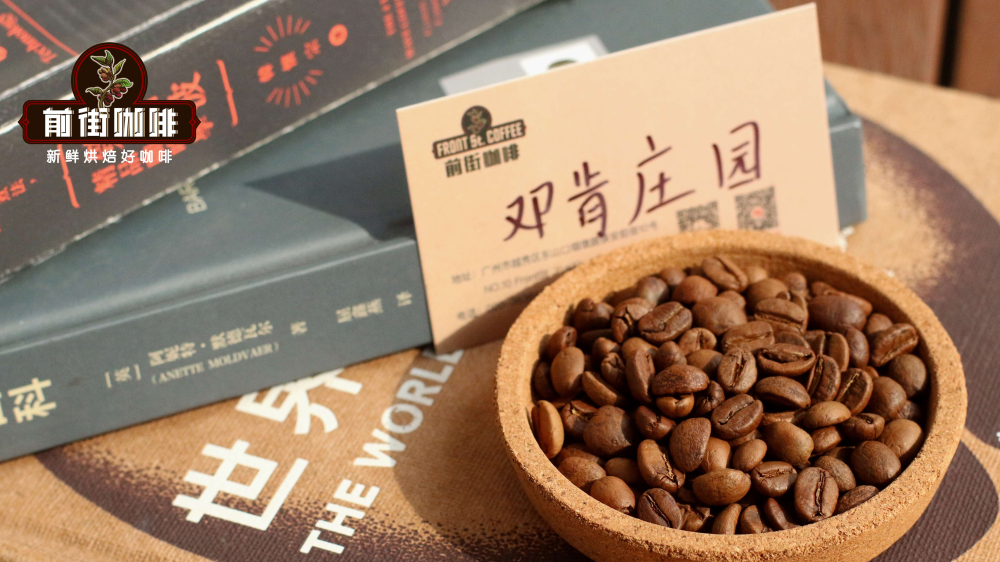
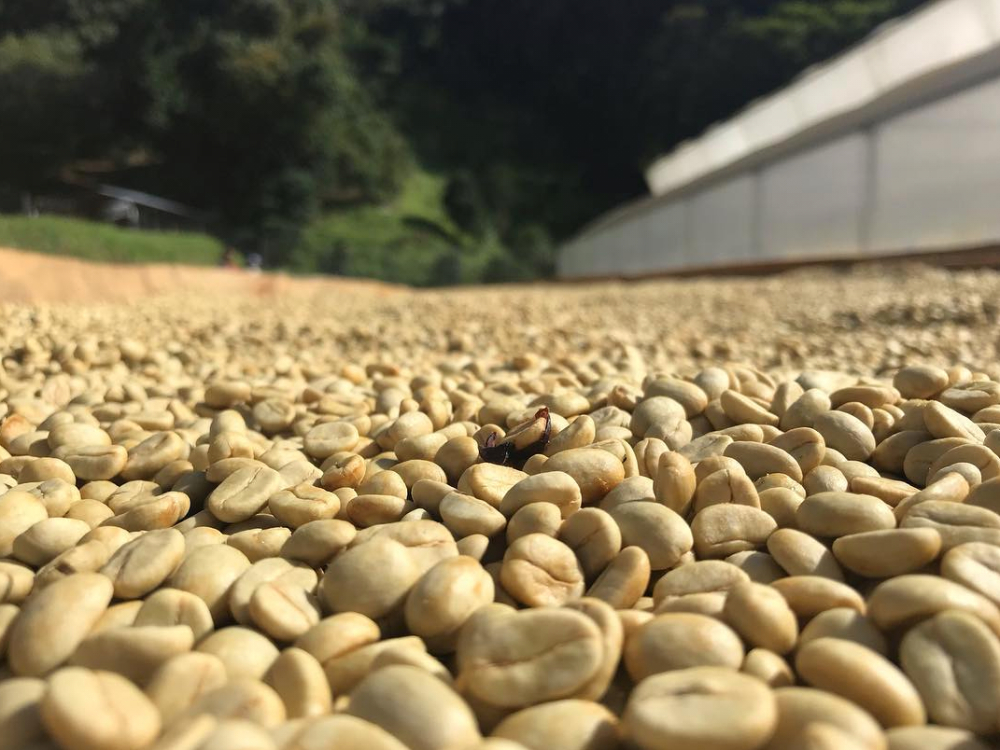
The beans are of the Caturra variety grown at high altitudes between 1650–1750 meters, and through meticulous sun-drying processing, more pulp sugars and flavor compounds are preserved. Typical flavor notes include floral, red grape, dried fruit, plum, and a touch of fermentation, making it ideal for pour over lovers who prefer bright fruitiness and distinct sweetness.
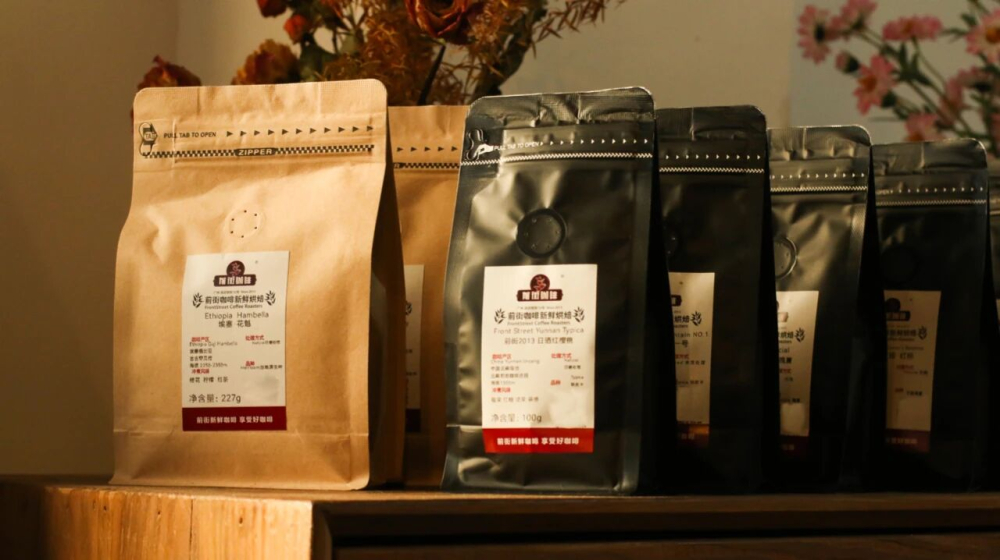
If you enjoy this flavor profile, you might also want to try the following fruit-forward specialty pour over beans: an Ethiopian Huila from a certain brand, showcasing a soft balance of strawberry, citrus, dried mango, and black tea; Colombian Geisha, which features complex layers of passion fruit, apricot, and fermentation; and Costa Rican Mozart, noted for its unique combination of raisin, osmanthus, and pineapple—each adding something new to your daily coffee ritual.
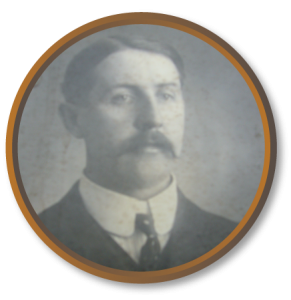
The history of Kotowa Estate dates back to the late 19th century, founded by Alexander Duncan MacIntyre from Canada. Along with his elder brother, he was initially involved in the fruit trade and politics; Alexander even served as the youngest mayor of Port Alberni. In 1916, his brother purchased the Caroline Farm in Boquete, Panama, sparking Alexander’s curiosity. In 1925, he moved to Boquete, married a local woman named Angela, renamed the farm La Carolina, and built a small processing facility, thus beginning the Kotowa family’s coffee business.
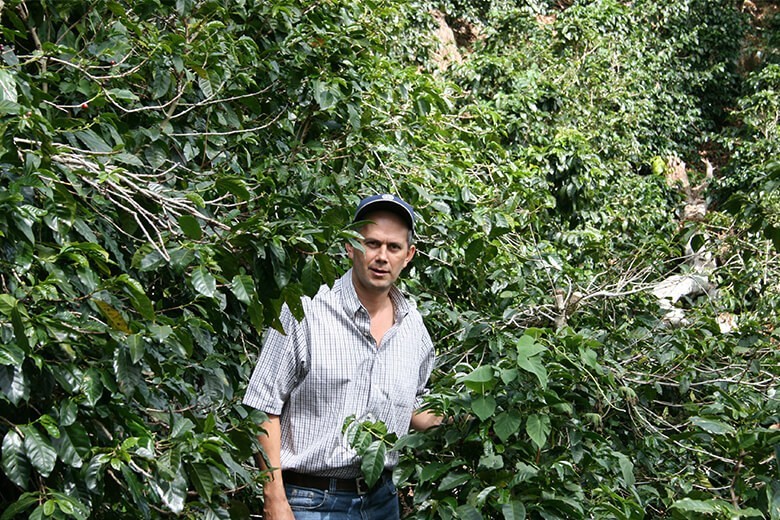
Kotowa Estate is located at the foot of the Barú Volcano in western Panama. Benefiting from abundant rainfall and long sunshine hours on high-altitude slopes, along with fertile volcanic soil, it provides ideal growing conditions for coffee trees. Atlantic moisture condenses and precipitates at elevations above 2500 meters, while the dry season offers ample sunlight, enabling coffee cherries to accumulate rich flavors and sugar content.
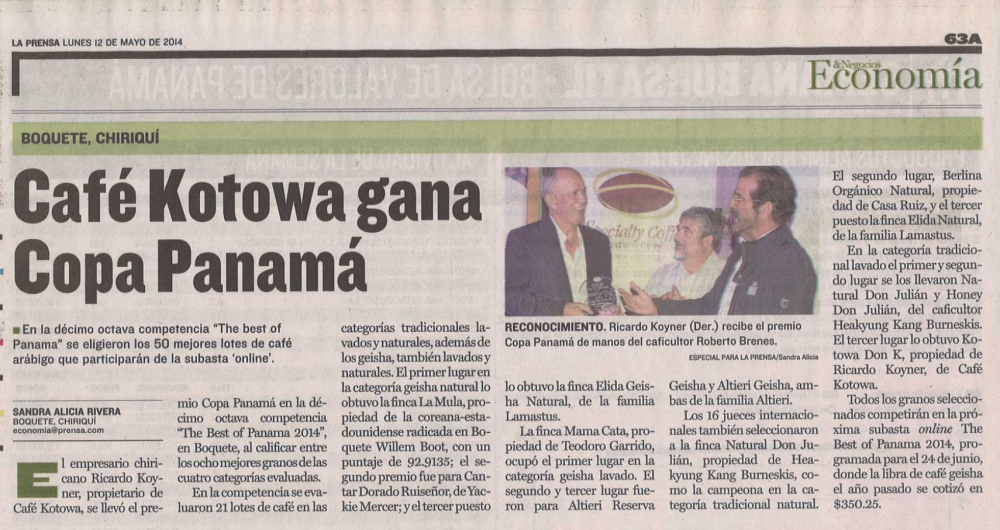
Today, Kotowa Estate is managed by the third-generation owners, Ricardo Koyner and his daughter Victoria. Ricardo is not only the heir to the family business but also the founder and first president of the Panama Specialty Coffee Association (SCAP), having made significant contributions to promoting Panamanian coffee internationally. In the 1990s, thanks to SCAP’s efforts, Panamanian coffee began to gain recognition in the global specialty market.
The Kotowa processing mill retains traditional equipment from earlier times, including water-driven mechanisms, wooden gears, and leather belts—systems that were highly advanced during an era of scarce resources. These are still displayed on the estate today, serving as a testament to the historical evolution of Panama’s coffee industry.
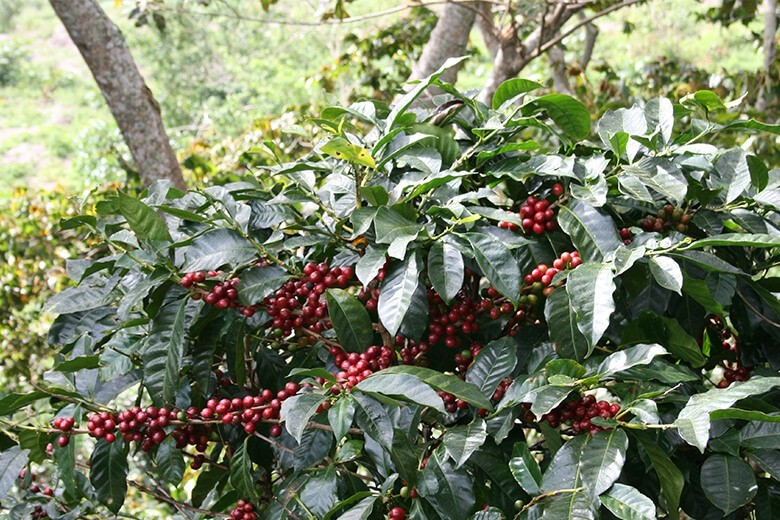
Currently, Kotowa owns seven farms, among which Duncan Estate, Don K Estate, Crystal River Estate, Traditional Kotowa Estate, and Witch Estate are its main production areas. Duncan Estate is named after Alexander’s grandfather, while Don K commemorates his father, Richard Koyner (with “Don” meaning “Mr.” in Spanish). Witch Estate got its name from the stream that sounds like a witch whispering, and Crystal River Estate is known for the way sunlight makes its waters sparkle like crystals. Two newer farms, Mango and Redondo, have not yet released any coffee products.
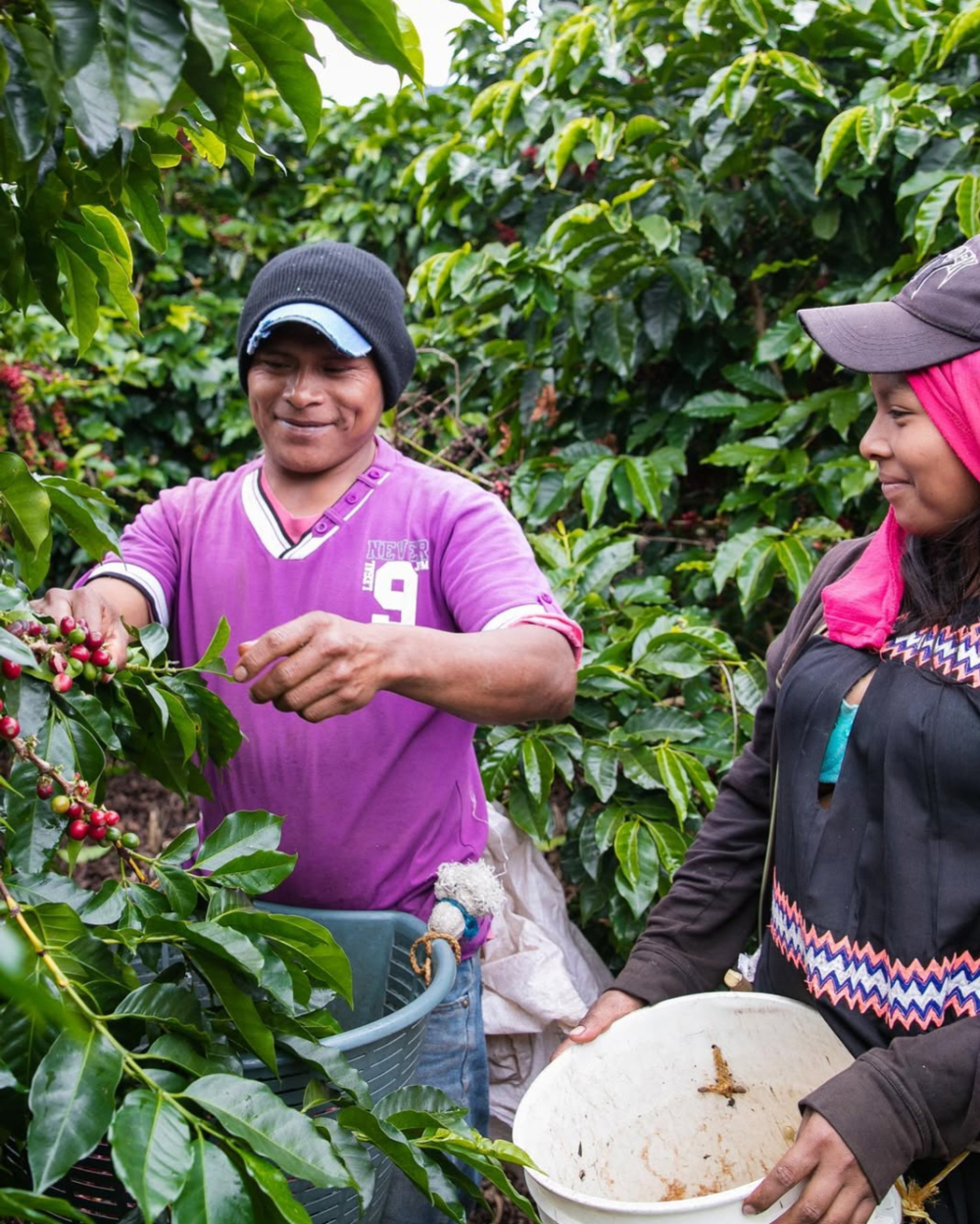
The word “Kotowa” originates from the Ngäbe language of the indigenous people, meaning “high mountain.” The brand logo is inspired by the Gnobe Bugle (also known as Guaymíes), the main ethnic group involved in coffee harvesting in the region, reflecting respect for the local culture.
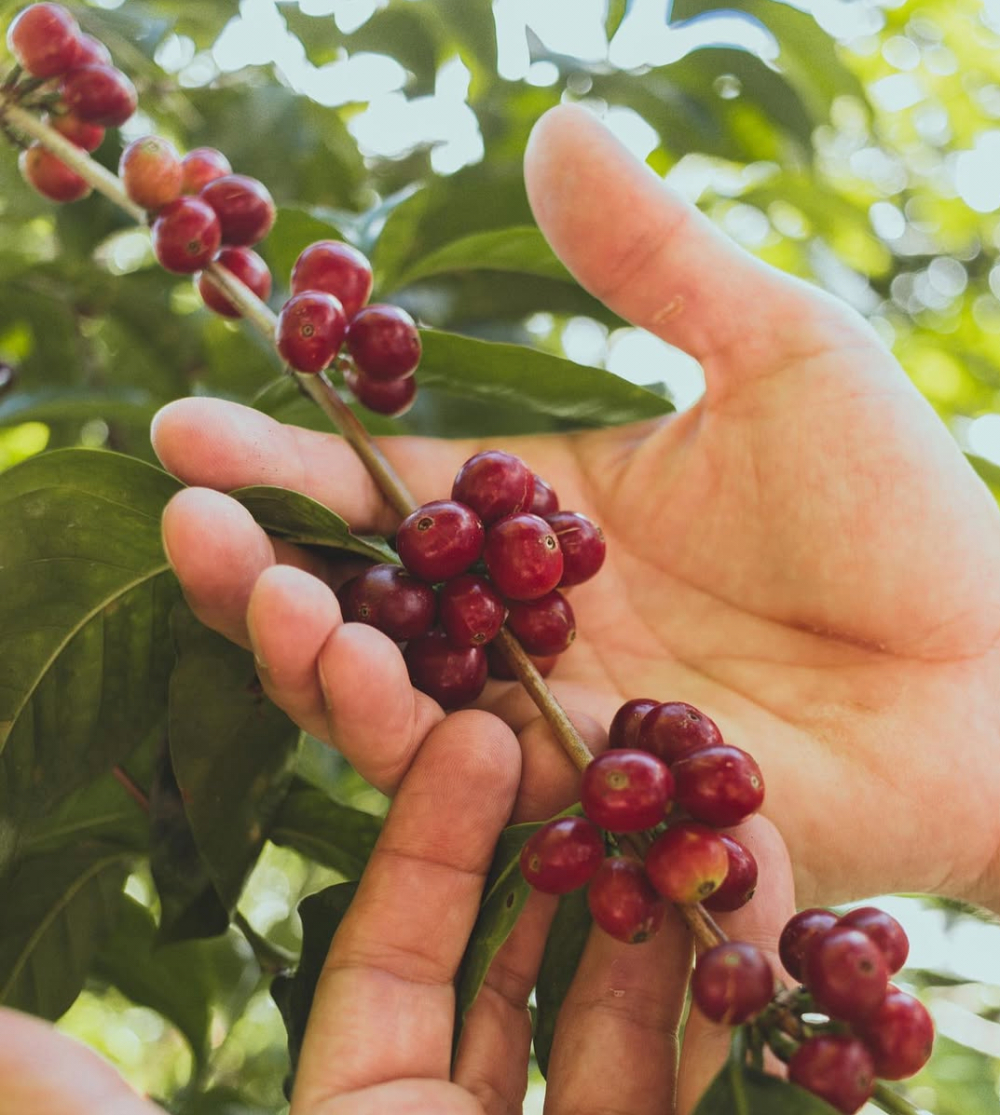
The Duncan Estate sun-dried Caturra featured here is carefully handpicked when the coffee cherries reach a wine-red stage of ripeness, ensuring flavor purity. Post-harvest processing is carried out promptly to avoid over-fermentation that could affect taste. To highlight its floral-fruity character and caramel-like sweetness, a medium-light roast is recommended, brewed using the pour over method. A medium-fine grind and water temperature of 90–93°C are ideal, with pulsed pouring to bring out its richly layered fruitiness and sweet nuances.

The above content is compiled by CoffeeHunters, a coffee news website.

