







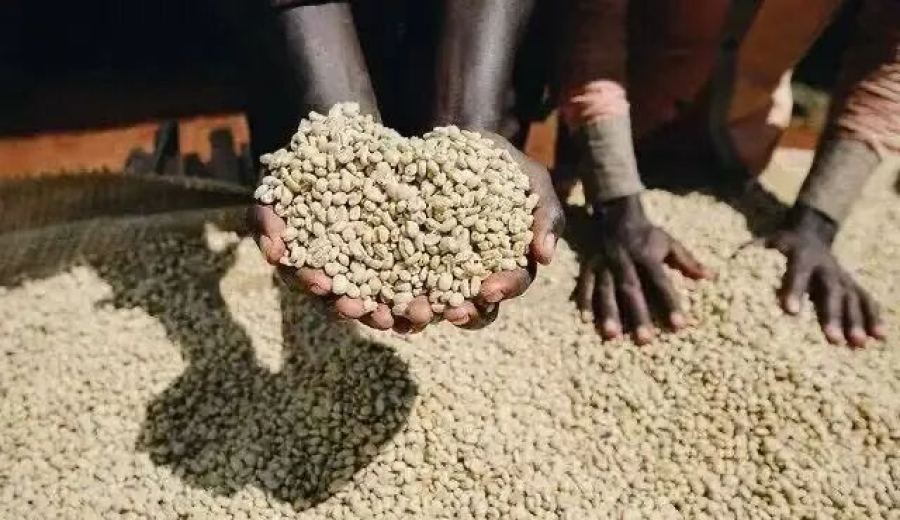
Introduction:Have you ever been puzzled by labels like AA, AB, PB, AA+, or even Top when buying Kenyan coffee beans? These letters actually represent the official and trade grading standards for Kenyan coffee beans, which not only affect pricing but also closely relate to flavor potential. This article will take an in-depth look at Kenya’s coffee bean grading system, including the official classification based on bean size, as well as the meanings of non-official grades such as AA+ and Top commonly seen in the market, helping you choose the coffee beans that suit you best in a smarter way.
When selecting coffee beans, especially premium ones from Kenya, you may often come across names followed by codes like AA, AB, PB, or even AA+, Top. Many consumers, upon seeing these codes for the first time, are often unsure of what they signify. In fact, similar to Ethiopia’s G1 and G2, these markings are based on the quality characteristics of the coffee beansgrading standards, designed to help producers, traders, and consumers quickly grasp the basic quality and traits of the beans.

Different origins have different criteria for grading coffee beans. For example, Ethiopia often uses defect rates as the grading standard, Central and South America typically differentiate based on growing altitude, while Kenya primarily usescoffee bean sizeas the main grading criterion, along with other characteristics such as shape and hardness. Kenya’s official grading, from highest to lowest, is: AA, AB, C, PB, E, TT, T, MH/ML.
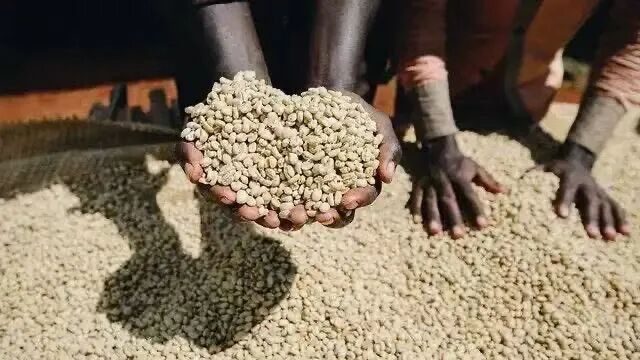
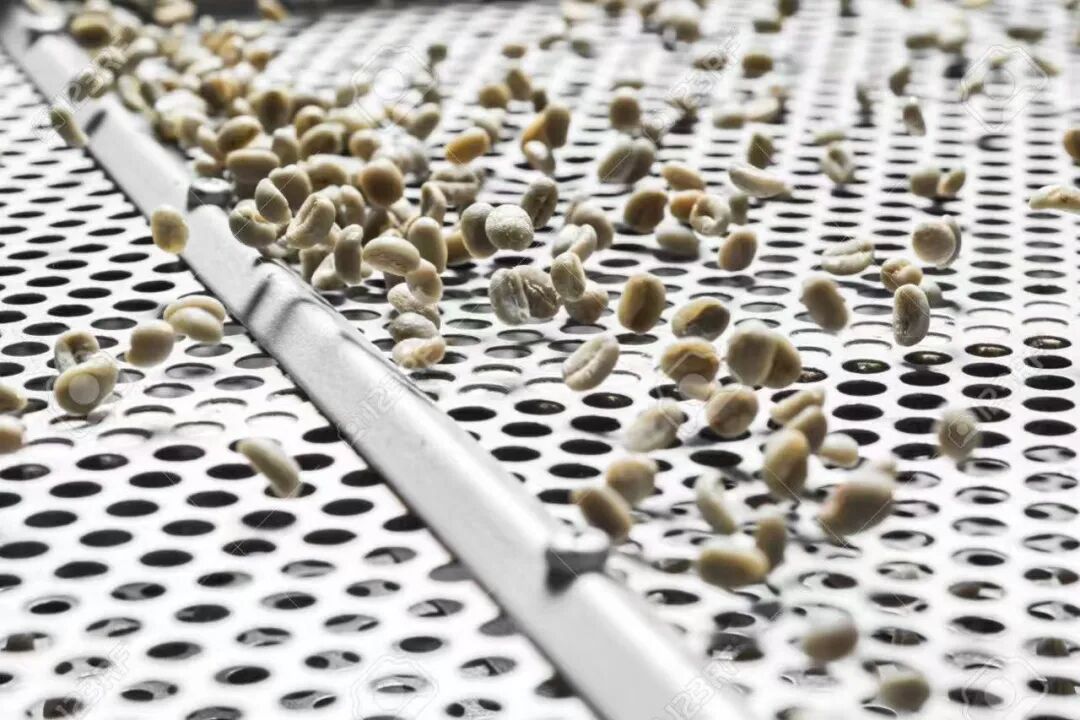
Among them,the AA gradeis the top tier in Kenya’s official grading system, requiring coffee beans to be between 17–18 mesh in size, generally possessing higher density and integrity, and considered the highest-quality beans.The AB gradeis ranked just below AA, with slightly smaller beans, around 15–16 mesh. Though it is a lower grade, it still offers good flavor potential and is more affordable, making it one of the more common grades on the market.
The PB gradeis a special classification referring to “peaberry” — a single round coffee bean that, under normal circumstances, would split into two. Due to abnormal development, these beans form as a single round unit. Because they are relatively rare, they are often sorted separately, and due to more even heat exposure during roasting, they sometimes exhibit more concentrated flavors.The E gradeconsists of unusually large beans, around 21 mesh, colloquially known as “elephant beans,” though these are quite uncommon.The C gradefeatures beans sized between 13–14 mesh and is of average quality;the TT and T gradesare lighter beans separated from higher grades using air blowers, and are less stable in quality; whileMH/MLthe latter are mostly unselected beans, usually intended only for domestic consumption and not suitable for export.
In addition to these official grades, non-official additional grades such as AA+, AA TOP, and even FAQ are also commonly seen in the market. These are usually established by green coffee traders or importers to further distinguish superior batches within the AA grade. For instance, if a particular batch of AA-grade coffee demonstrates particularly bright and clear acidity, rich complexity, and a long aftertaste during cupping, the trader might label it as AA+ or AA TOP to highlight its flavor advantages.
However, it is important to note that these “extra” grades are not international or Kenyan official standards, so criteria may vary significantly among traders — some are based on flavor performance, while others may be marketing strategies. Therefore, when faced with these grade labels, it is advisable for consumers to refer back to specificflavor descriptions, processing methods, growing altitude, and roast levelsto more accurately assess the actual performance of the coffee.
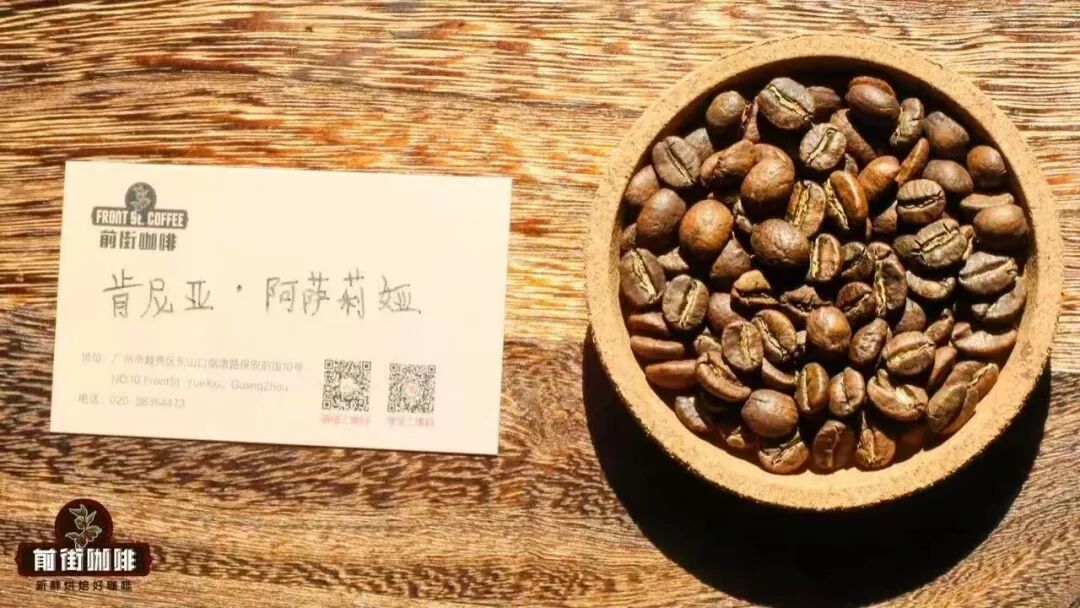
As a practical example, the industry once launched a coffee bean called “Kenya · Little Tomato,” which is an AA-grade coffee bean from the Assaria Factory in Kenya, selected through multiple cuppings before being put on sale. These beans are grown at high altitudes of 1550–1750 meters, with the classic SL28 and SL34 varieties, and are processed using the washed method. The flavor profile shows distinct notes of little tomato, dark plum, brown sugar, and black plum, with bright acidity and rich layers.

To fully showcase the bright acidity and sugary sweetness unique to Kenyan coffee, this coffee was roasted using a medium-light roast curve to preserve more of its inherent flavors. Recommended brewing parameters are: 15g coffee, 1:15 coffee-to-water ratio, grind size approximately equivalent to the 10-setting on the Ek43 grinder (or 75%–80% passing rate on a #20 sieve), water temperature 92°C, using a V60 dripper, with total extraction time around 2 minutes. With this setup, the bean’s inherent dark plum and little tomato acidity can be highlighted, paired with moderate caramel sweetness and a tea-like finish, resulting in a well-balanced and layered cup overall.

In summary, understanding Kenya’s coffee bean grading system can help guide your purchasing decisions. Whether you’re aiming for the high-quality AA or the rare PB peaberry, or seeking value in the AB grade, you can make choices based on your taste preferences and budget. If you see additional labels like AA+ or Top, it’s also recommended to look further into the flavor characteristics and processing details behind them, to truly select a specialty coffee that suits your palate.
The above content is compiled by CoffeeHunters, a coffee news website.

