







Introduction:Did you know? Freshly roasted coffee beans are actually not suitable for brewing immediately, and once the bag is opened, improper storage can cause the flavor to deteriorate significantly within just a few days. This article will delve into the optimal storage conditions for coffee beans, including how factors like temperature, humidity, oxygen, and light affect flavor, and provide practical storage methods to help you fully enjoy the original flavor and aroma of your coffee—from opening the bag to brewing.
Many people assume that freshly ground coffee means it’s fresh, but in reality, the time since roasting plays a more critical role than just when it was ground. Generally speaking, the aroma and flavor of coffee beans begin to noticeably decline around 50 days after roasting. Therefore, choosing the right storage method and timing is crucial for enjoying a great cup of coffee.
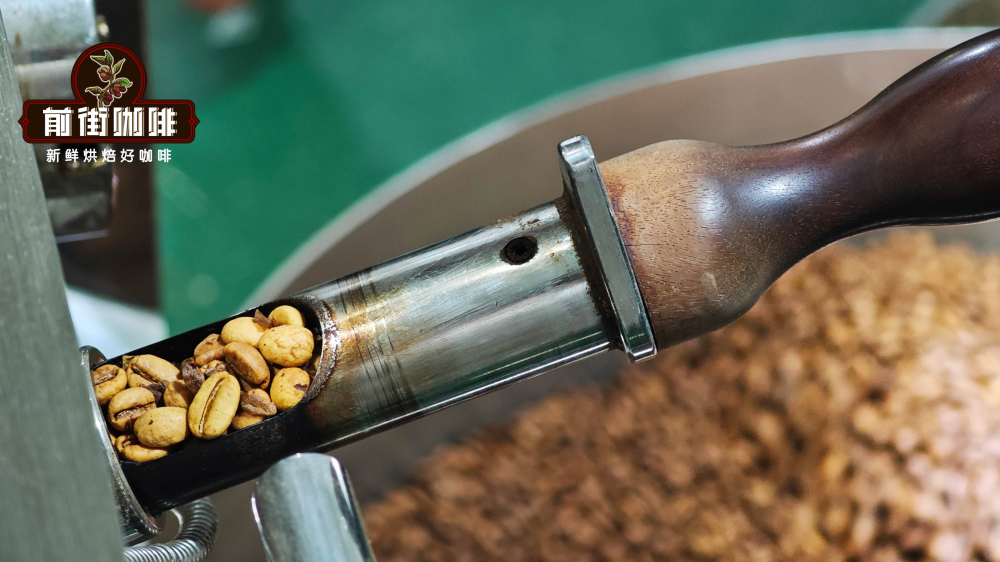
It’s especially important to note that during the first two days after roasting, the carbon dioxide and flavors inside the coffee beans have not yet stabilized. Brewing during this period is not recommended. It’s best to let the beans rest for about three to four days—this process is called “degassing”—so their regional characteristics and layered flavors can fully develop.
Storing coffee beans after opening the bag is a major challenge. A typical bag contains at least 100 grams of beans, enough for about seven brews, but once opened, they are exposed to factors that negatively affect flavor such as moisture, oxygen, light, and high temperatures. Understanding these elements is the first step in maintaining coffee freshness.
First, moisture is the enemy of coffee beans. Coffee beans are highly hygroscopic; when placed in a humid environment, they not only easily absorb odors but may also grow mold. Many people habitually store coffee beans in the refrigerator, but this practice can actually cause condensation due to temperature differences, further affecting bean quality. Therefore, it’s recommended to store coffee beans in a dry and well-ventilated indoor environment.
Secondly, oxygen accelerates the oxidation of oils and aromatic compounds in coffee beans, leading to a weakening of flavor layers or even the development of rancid notes. Many high-quality coffee packages are designed with one-way degassing valves that allow the carbon dioxide released by the beans to escape while blocking external air from entering. When using such packaging, make sure to press the seal tightly after each use to minimize oxygen infiltration.
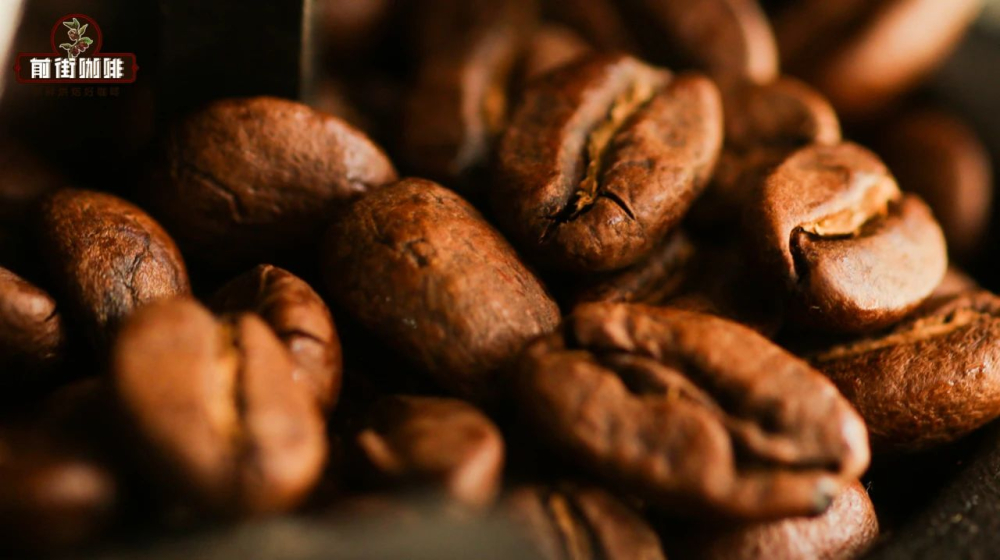
Light and high temperatures are also detrimental to coffee bean storage. Direct sunlight or a hot environment can promote internal chemical reactions in the beans, accelerating flavor loss. It’s recommended to store coffee beans in a dark, cool place, such as inside a cabinet, away from direct sunlight. If you want to further block out air, consider using a sealed container, but be cautious of transparent materials that may allow light to penetrate.
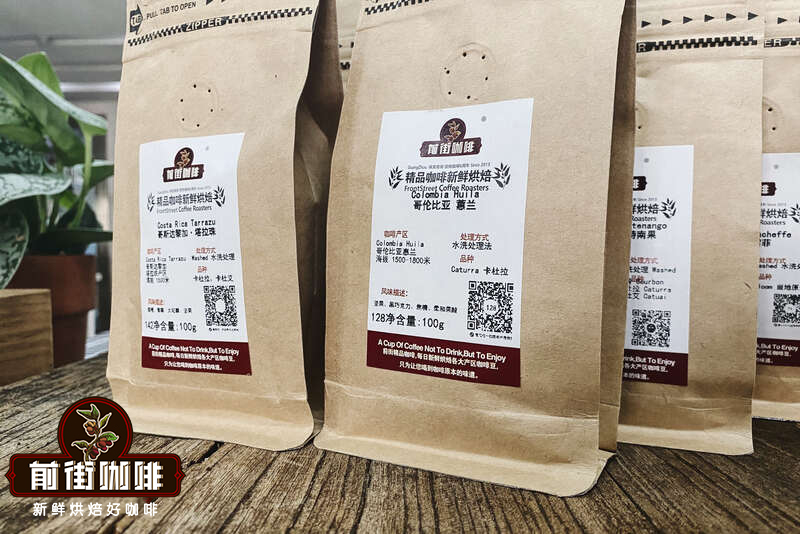
Common storage methods on the market include one-way valve bags, sealed jars, and vacuum-sealed jars. Among them, one-way valve bags are the most recommended storage method because they effectively release the carbon dioxide produced by the beans while preventing external oxygen from entering. After each use, you can gently press the bag to expel excess air, which helps reduce oxygen concentration and extend the beans’ freshness.
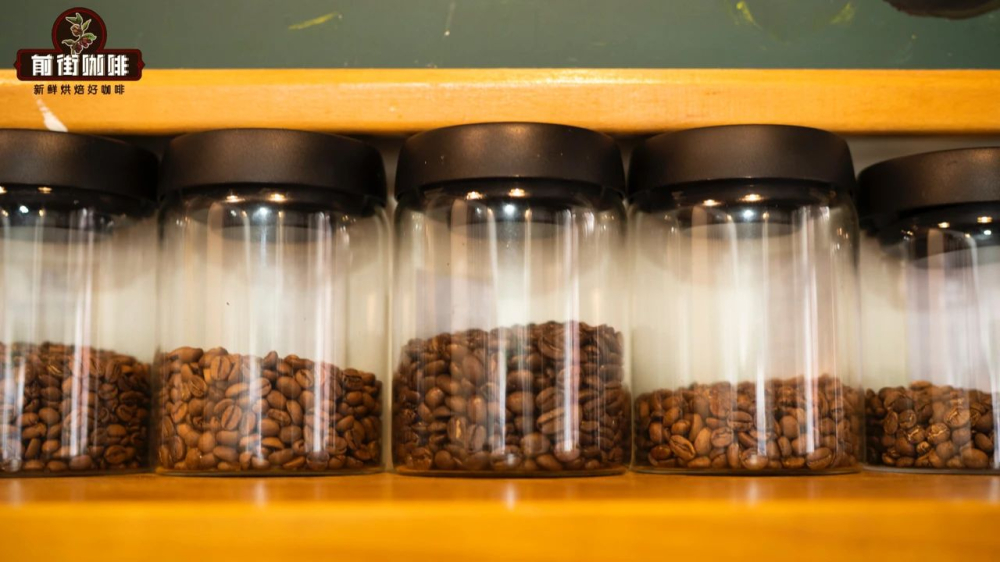
Sealed jars can block external air, but most are made of transparent material. If placed in a lit area, they can still affect coffee flavor. It’s advisable to store only small amounts and avoid long-term storage. Vacuum-sealed jars, on the other hand, require re-pumping each time they are opened or closed, and the pressure difference between the inside and outside may accelerate aroma loss. Their practicality is not as expected, so they are not recommended as a routine storage tool.
In summary, the simplest and most effective storage method is to keep the original one-way valve packaging provided by the manufacturer, place it in a room-temperature, dry, and dark environment, and ensure it is properly sealed after each use. If you purchase an appropriate amount of coffee beans based on your consumption rate, you can ensure that every cup is fresh and delicious.
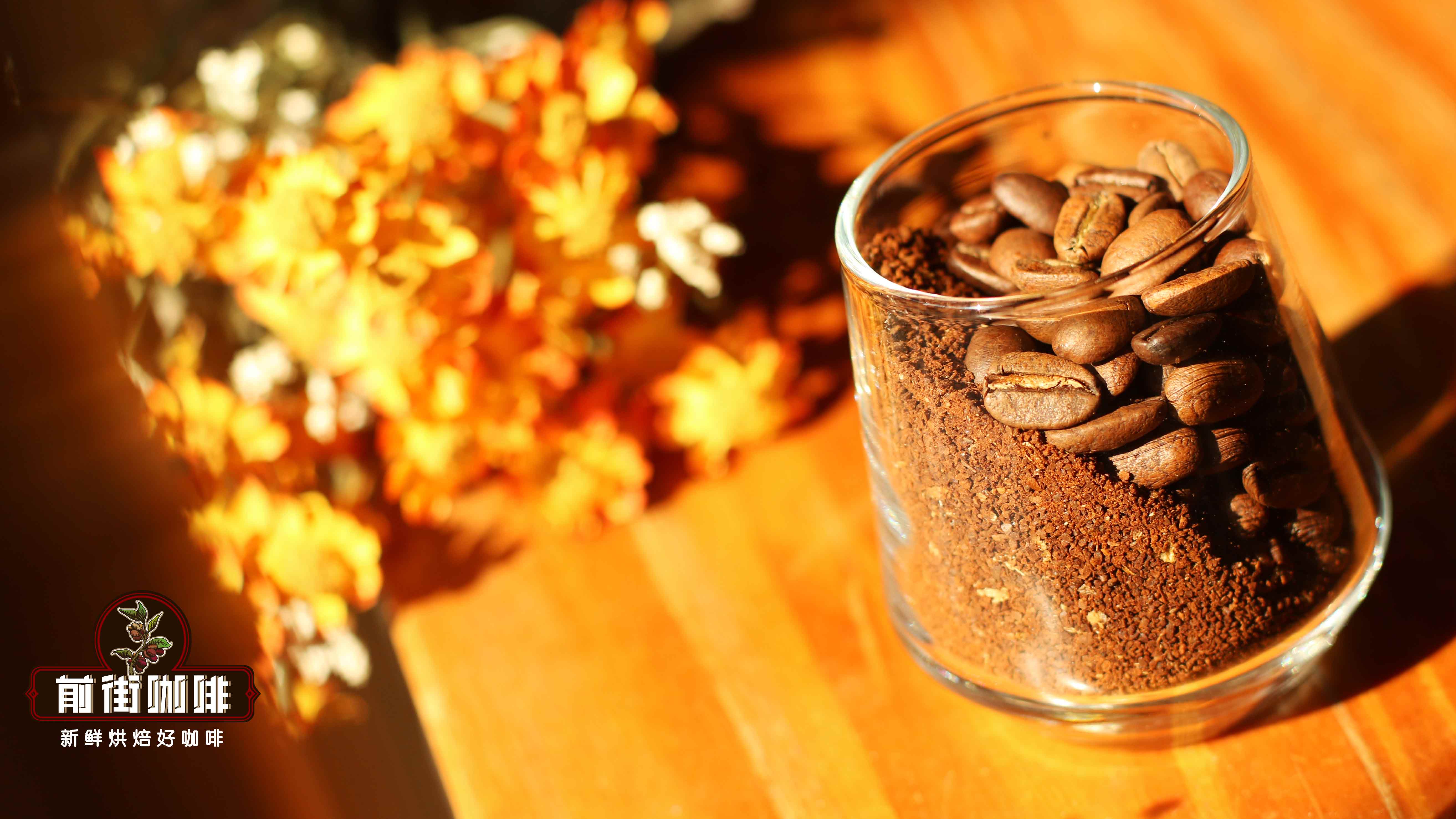
Finally, never store ground coffee for extended periods. The surface area of coffee powder increases significantly, leading to extremely rapid oxidation upon contact with air. Even the freshest coffee powder should be consumed within two weeks; otherwise, its flavor and aroma will quickly dissipate.
The above content is compiled by CoffeeHunters, a coffee news website.

