







Introduction:Delve into the characteristic differences across eight coffee roast levels—from light to dark—and explore the key scientific principles behind flavor development during roasting. At the same time, gain practical operational procedures and common troubleshooting tips for both home and commercial roasting. This article helps you accurately select beans suited to your brewing method and understand how roast profiles influence final flavor.
A significant part of coffee’s charm stems from the art of roasting. Each roast level not only alters the appearance of the beans but also directly affects their flavor profile, acidity-sweetness balance, and aroma expression. From bright and vibrant light roasts to rich and bold dark roasts, understanding the characteristics of these eight common roast degrees allows you to make smarter choices based on your drinking preferences.
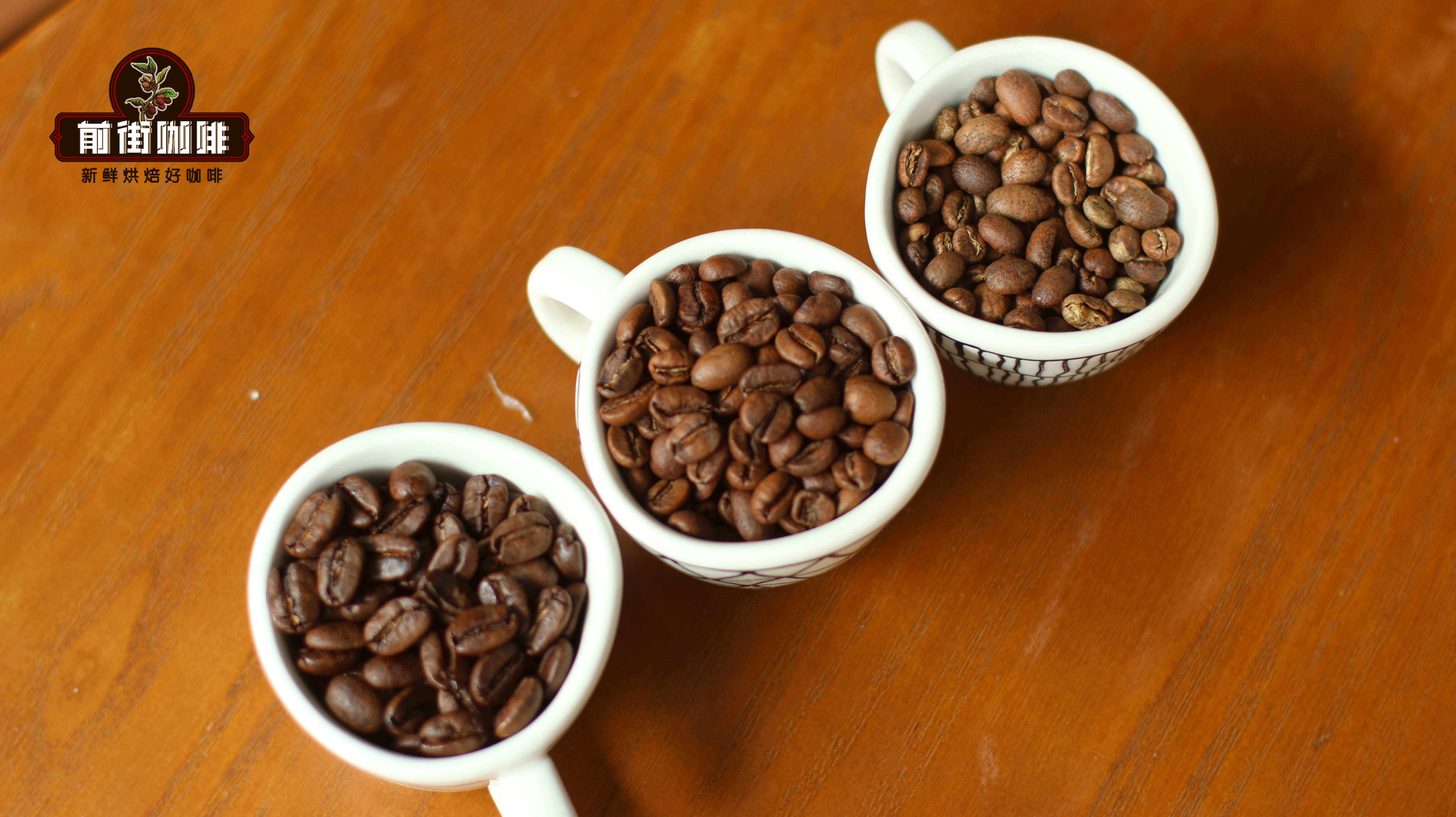
Overview of Eight Common Roast Levels: Including Cinnamon Roast (extremely light), Light Roast, City Roast (medium-light), Medium Roast, Full City Roast (medium-dark), Dark Roast, French Roast, and Italian Roast. Each has its unique color, acidity, sweetness, and ideal usage scenario.
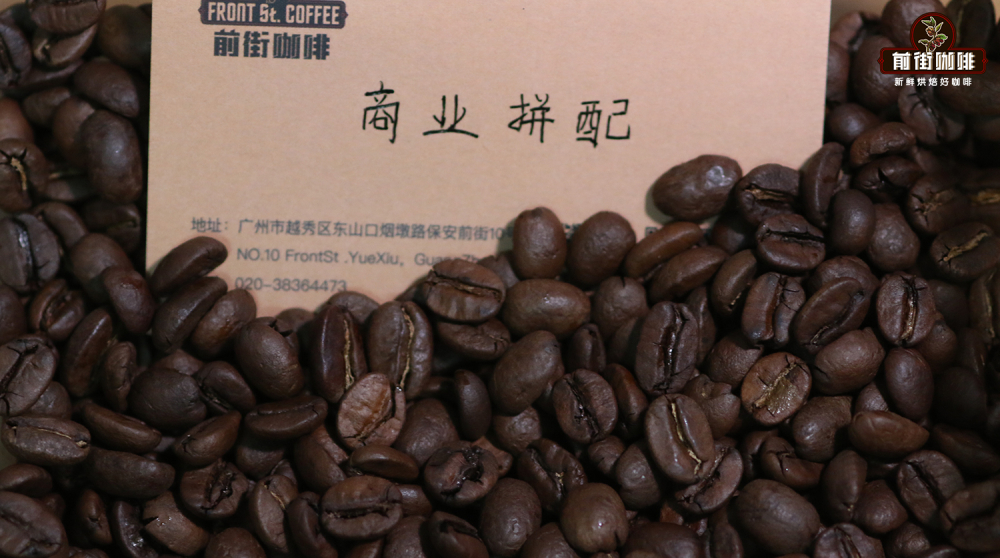
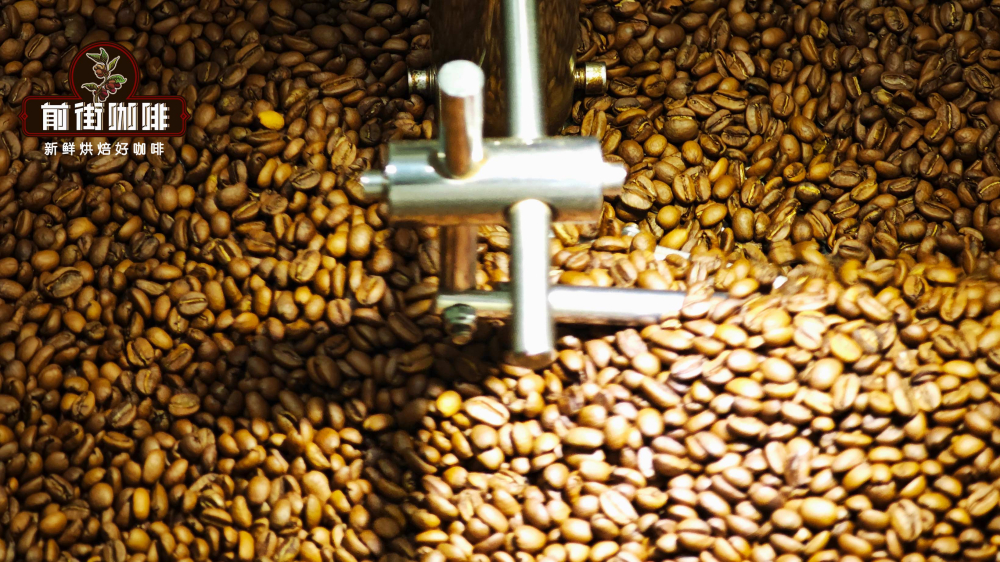
Extremely light roasted beans exhibit a pale cinnamon hue, often with pronounced grassy or herbal aromas and sharp acidity. These are suited for professional cupping aimed at highlighting origin flavors and fruit acidity, though most consumers find them less approachable. Light roasts showcase more citrus and berry-like acidity while retaining abundant original flavor characteristics, making them a common base roast for specialty coffee.
Medium to Medium-Dark Roasts: The Golden Zone of Balance and Complexity
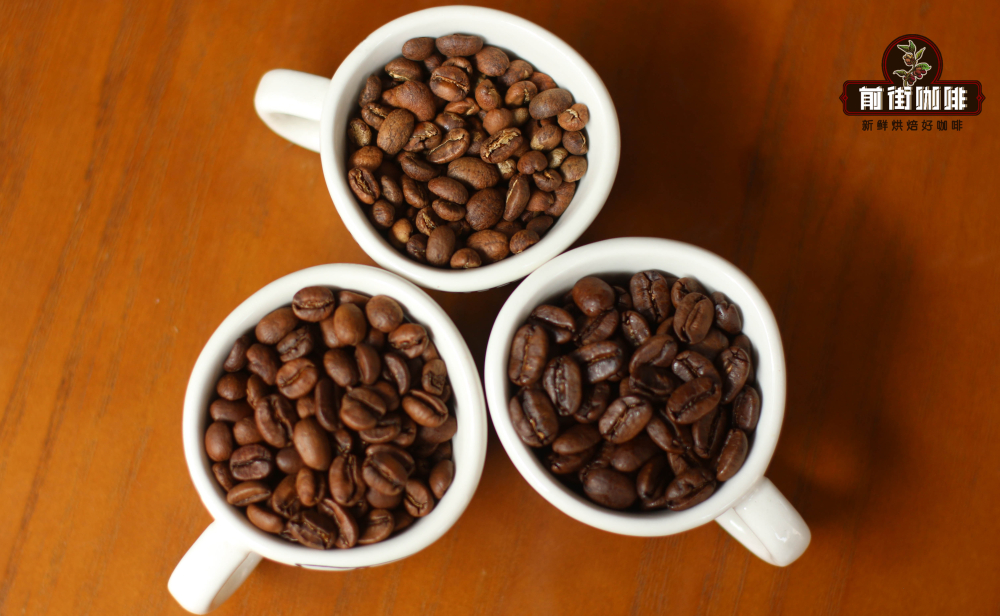
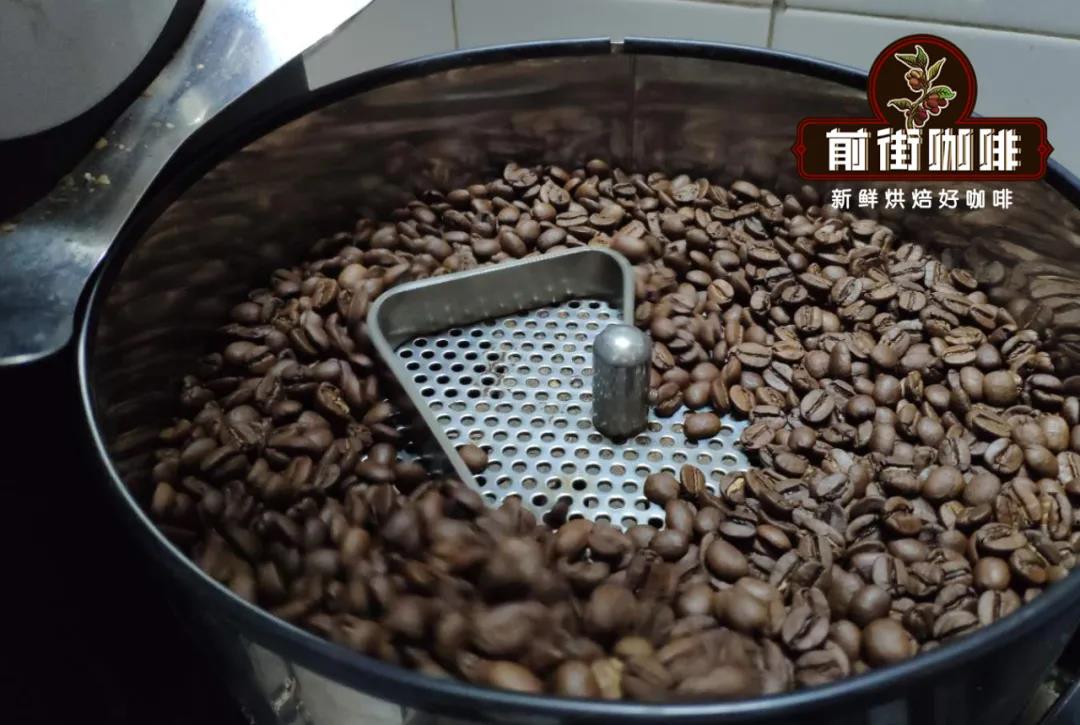
At the medium roast level (approximately 10–11 minutes of roasting), beans turn a uniform brown, with acidity and bitterness reaching a preliminary balance. These are commonly used for well-known origins like Blue Mountain and Colombia, and are suitable for milk-based drinks. Medium-dark roasts (around 12–16 minutes), also known as Full City, begin to show slight oil sheen on the bean surface, with well-balanced acidity, sweetness, and bitterness—making them a top choice for many single-origin coffee enthusiasts.
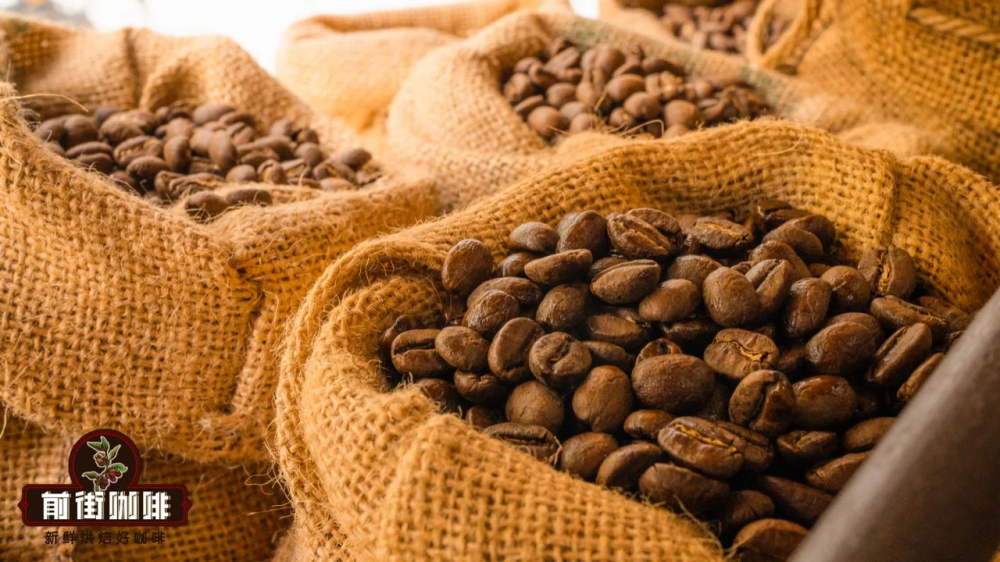
As roasting progresses into the dark roast stage, bean color turns deep brown or even near black, with a glossy oil surface emerging. Bitterness intensifies yet is accompanied by rich caramel and chocolate notes. This stage is ideal for making espresso, delivering a full body and long-lasting aftertaste, and serves as the base for many signature café drinks.
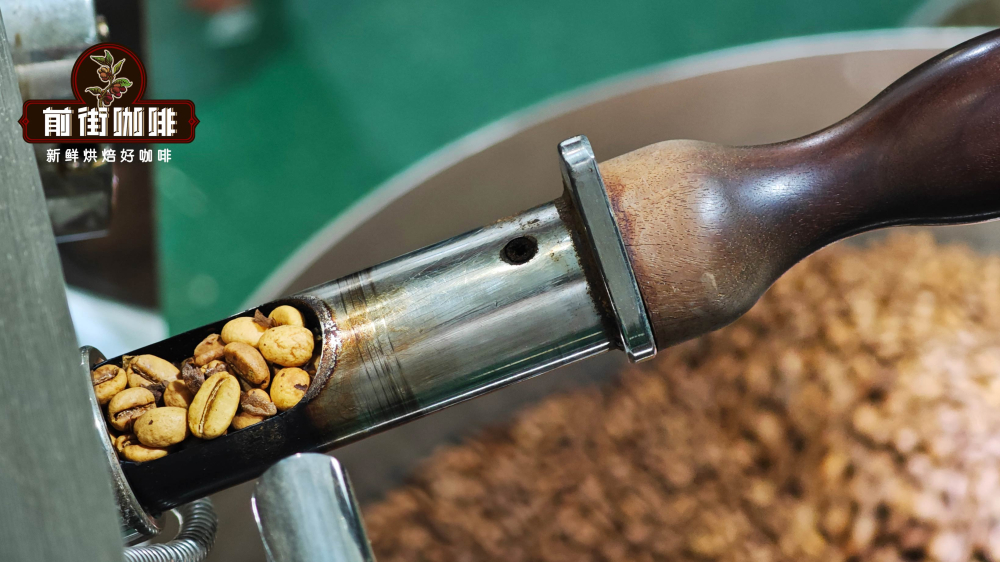
Chemical reactions during roasting are key to flavor formation.Maillard ReactionBegins to take effect around 140–165°C, where amino acids and sugars interact to produce hundreds of aromatic compounds, laying the complex foundation of coffee's basic aroma. Then, shortly before or around first crack (approximately 190–200°C),Caramelizationbreaks down sugars into compounds such as caramel and furans, adding sweetness and toasted bread-like aromas.
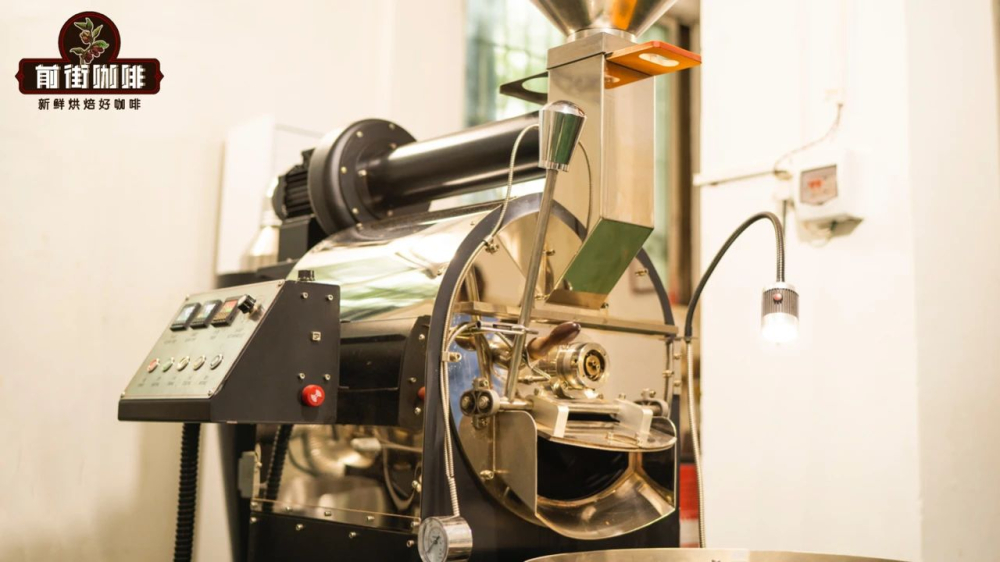
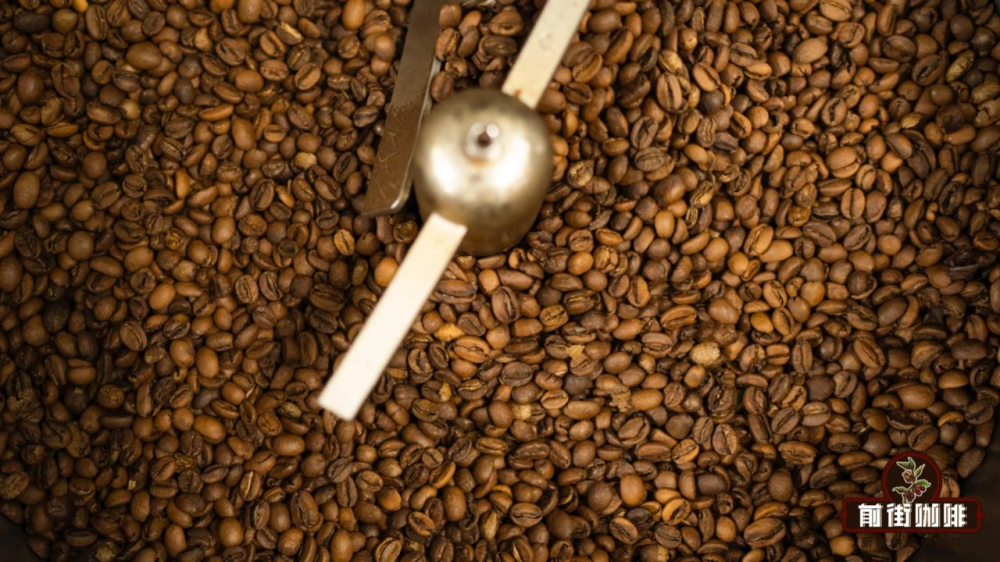
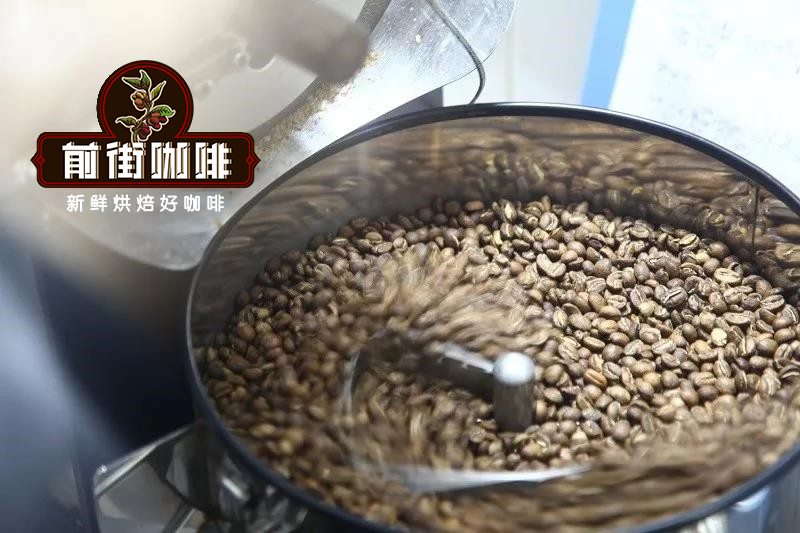
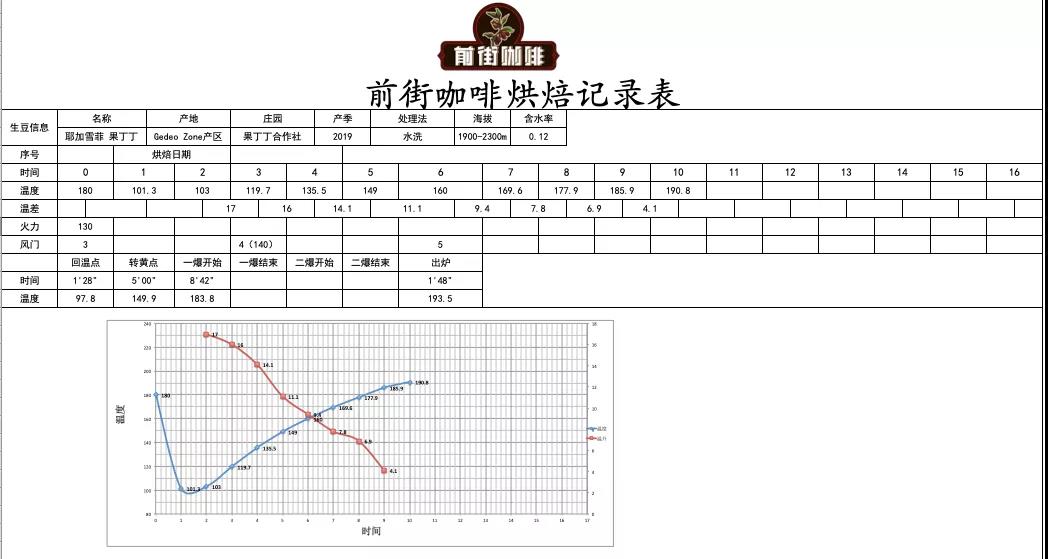
During actual roasting, it’s essential to strictly control key parameters such as ‘charge temperature,’ ‘turning point,’ ‘first crack timing,’ and ‘drop temperature.’ For example, when using a semi-hot-air roaster, the charge temperature is typically set around 200°C, then fine-tuned according to bean density, origin, and processing method. Beginners are advised to record each roast’stemperature curve and timing milestones, including changes in bean surface color, smoke production timing, and cracking sounds, gradually building stable roasting intuition.
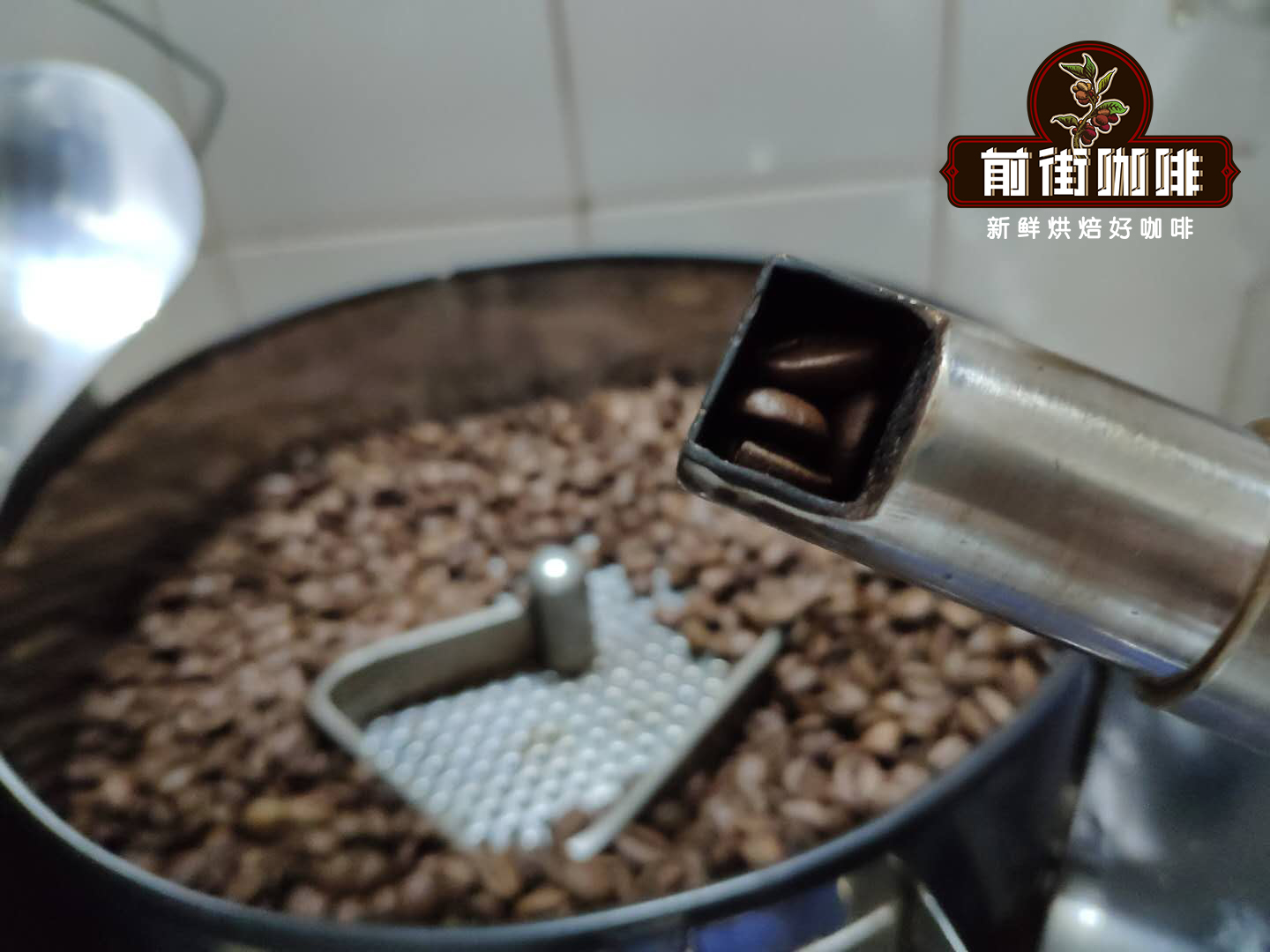
Common roasting mistakes include: too high a turning point leading to burnt exterior and raw interior, excessive heat causing underdeveloped bean cores, and delayed dropping after first crack resulting in over-extracted bitterness. The solutions lie in familiarizing yourself with equipment characteristics and adjusting airflow and heat settings in real-time based on bean feedback. Special note: dark roast beans release more aromatic compounds, so it’s recommended to use strong cooling devices to prevent residual heat from further deepening flavor profiles.






The above content is compiled by CoffeeHunters, a coffee news website.

