








Introduction:The release of coffee flavors is closely related to grind size, but many coffee enthusiasts often feel confused when choosing the right grind. This article delves into the optimal shelf life of ground coffee and provides practical grind adjustment suggestions and reference data for various brewing methods such as pour over, cold brew, cold drip, moka pot, and espresso, helping you accurately master the ideal grind fineness for each brewing technique.
The fineness or coarseness of coffee grind directly affects the contact area between coffee grounds and water, thereby altering extraction time and final flavor expression. However, finding the most suitable grind size often poses a challenge for many beginner coffee drinkers. This article will take you on an in-depth exploration of the required grind sizes for different brewing methods, as well as how to correctly assess coffee bean grind fineness, enabling you to brew balanced-flavor coffee at home.
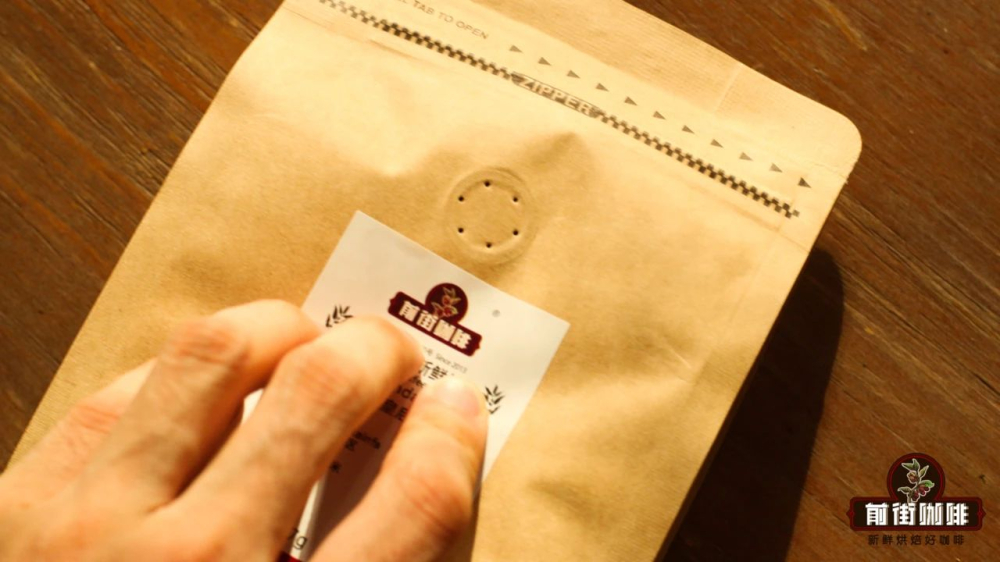
First and foremost, regardless of which brewing method you choose, using freshly roasted coffee beans is key. It is recommended to select coffee beans that come with a one-way degassing valve and clearly indicate the roast date.One-way degassing valveallows the carbon dioxide produced during the roasting process to escape while preventing external oxygen from entering, helping to maintain the freshness of the coffee. It is advised to let the coffee beans rest for 3 to 7 days after purchase for “degassing,” allowing the beans to naturally release carbon dioxide to achieve more stable extraction results.
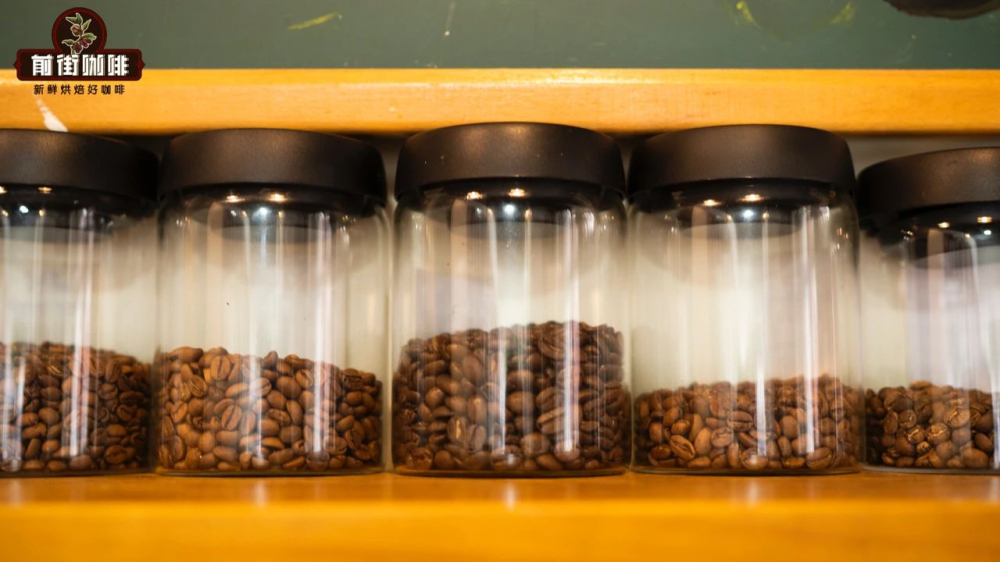
Degassing time varies depending on the roast level:Light to medium roasts are recommended to degas for 3–4 days, while medium to dark roasts are recommended for 4–5 days. Brewing coffee immediately after roasting can disrupt extraction stability due to the large amount of carbon dioxide being released. Additionally, the flavor and aroma of coffee beans gradually diminish over time, especially those volatile aromatic compounds, so it is recommended to consume the coffee within two months of roasting. If the beans have been ground, it is best to finish them within 20 days to fully experience the original flavors of the coffee.
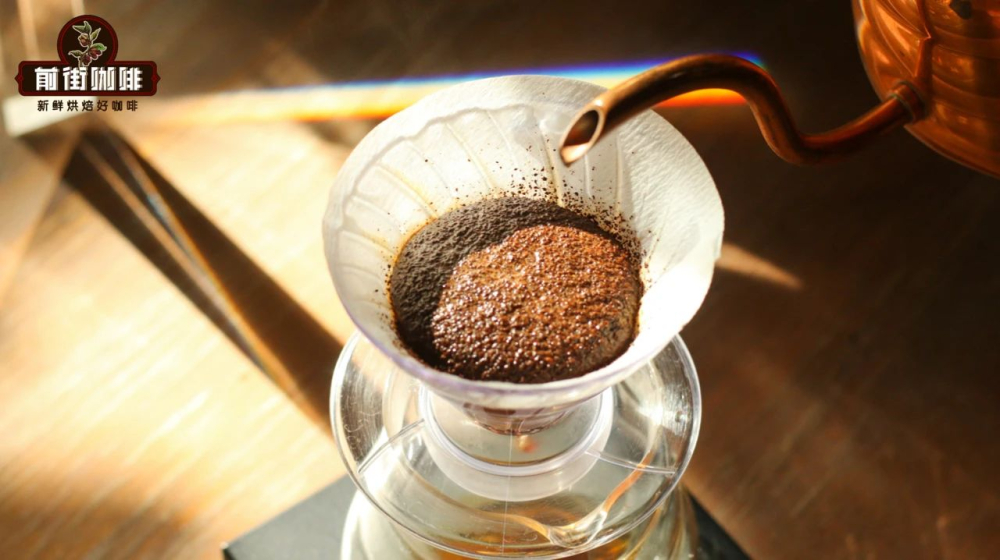
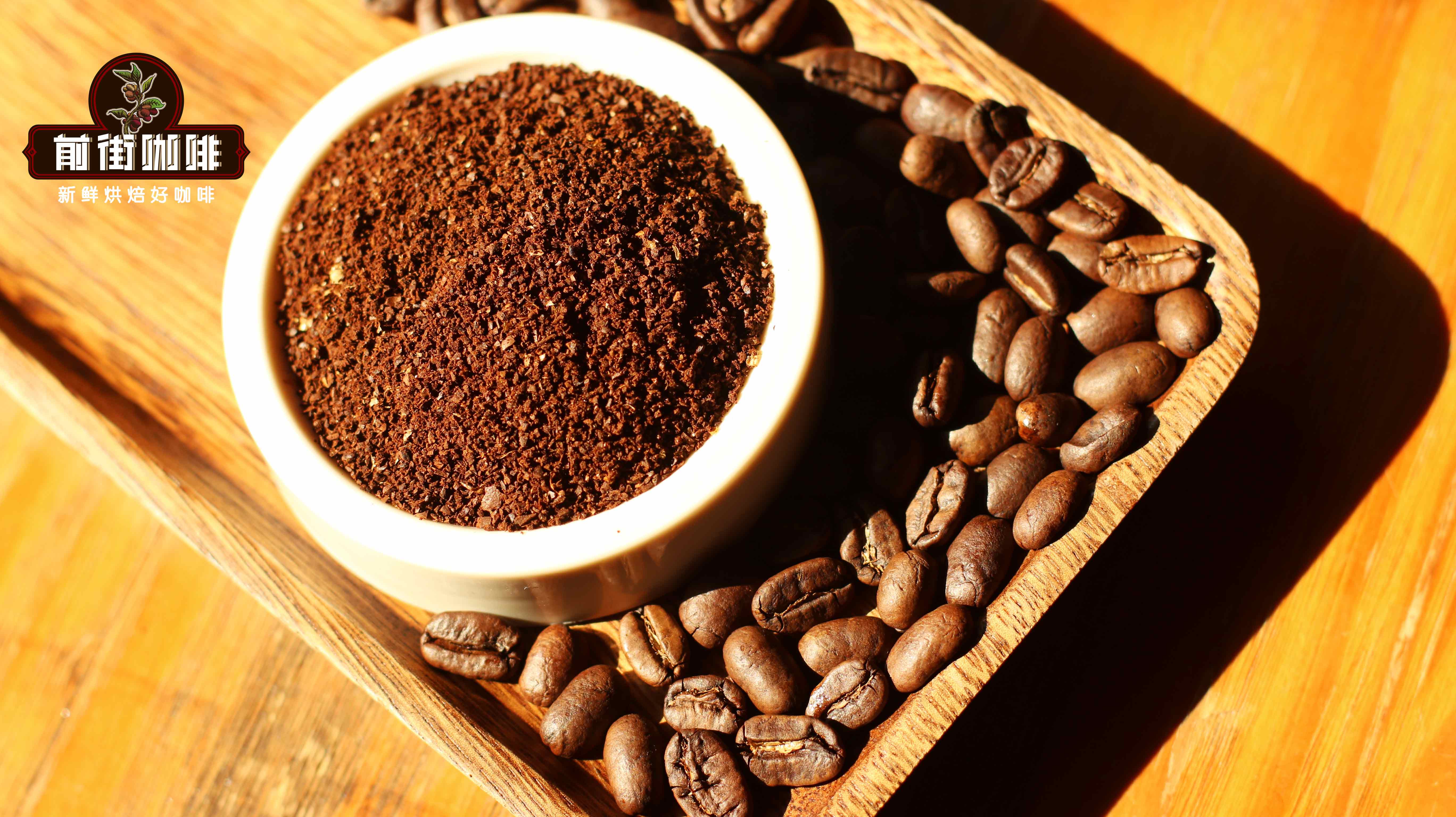
The fineness or coarseness of coffee grind significantly impacts extraction results. Generally speaking, the finer the grind, the larger the total surface area of the coffee grounds, allowing more area for water to contact, resulting in higher extraction efficiency and relatively increased concentration. Conversely, coarser coffee grounds have less contact area with water, extracting fewer flavor compounds, resulting in a lighter-tasting coffee. Therefore,mastering the appropriate grind size is one of the keys to influencing coffee taste.
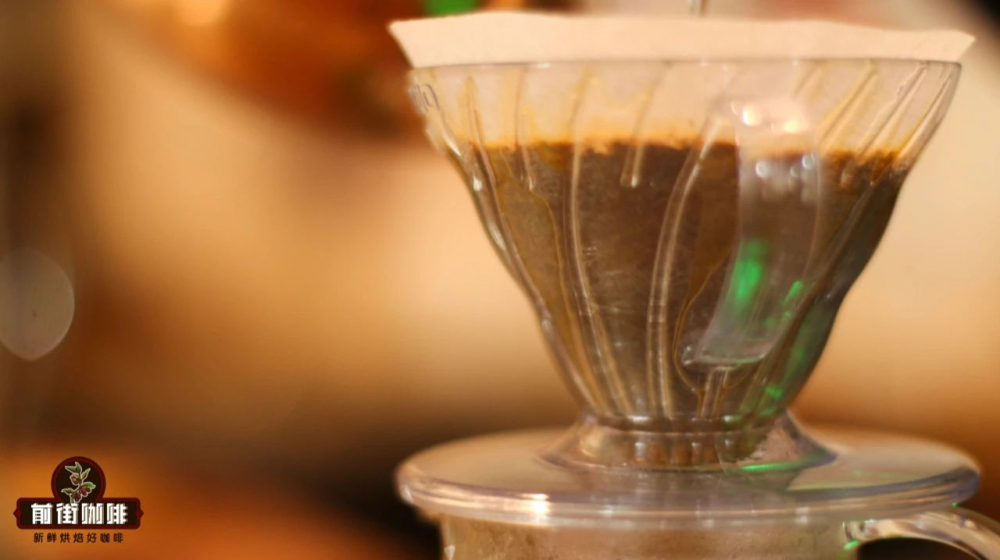
If the grind is too fine, the gaps between coffee particles become smaller, making it difficult for water to penetrate, potentially leading to overly long extraction times. This can result in coffee that tastes overly strong, bitter, or even astringent, with other delicate flavors being masked. On the other hand, if the grind is too coarse, the water flows too quickly, and the flavor compounds in the coffee grounds are not fully extracted, easily leading to under-extraction. The coffee may taste flat and lack complexity.
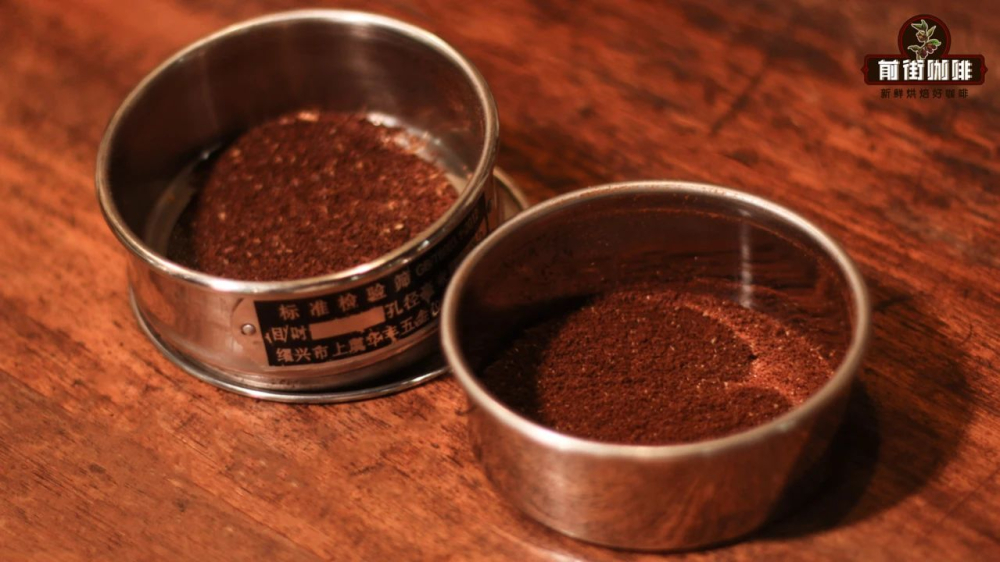
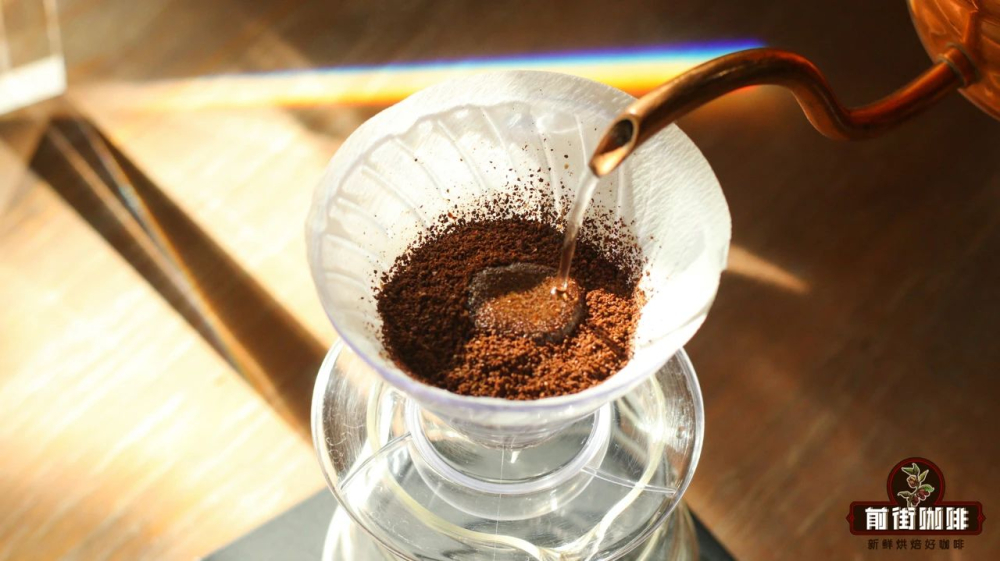
To precisely control grind size, a sieve can be used for calibration. It is recommended to use a No. 20 sieve (mesh size 0.85mm) for testing: take 10 grams of coffee beans, grind them, and then pour the coffee grounds into the sieve to filter. Observe what percentage of the coffee grounds can pass through the sieve. Based on the pass-through rate, you can further adjust the grinder’s settings. Common pass-through rate references are as follows: cold drip and pour over siphon around 80%, moka pot and American drip around 75–80%, cupping around 70–75%, French press around 65–70%.
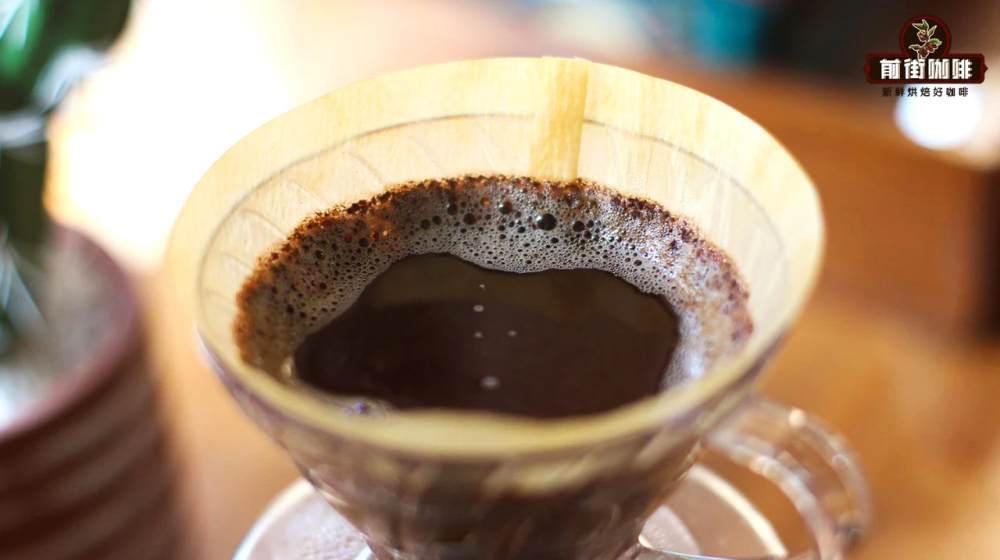
In addition, coffee beans of different roast levels are also suited to different grind sizes. For example,light roasts are recommended to use a fine grind with an 80–85% pass-through rate, medium roasts suit 70–75%, and dark roasts are recommended at 65–70%. However, these values are for reference only, and final adjustments should still be made based on individual taste preferences.
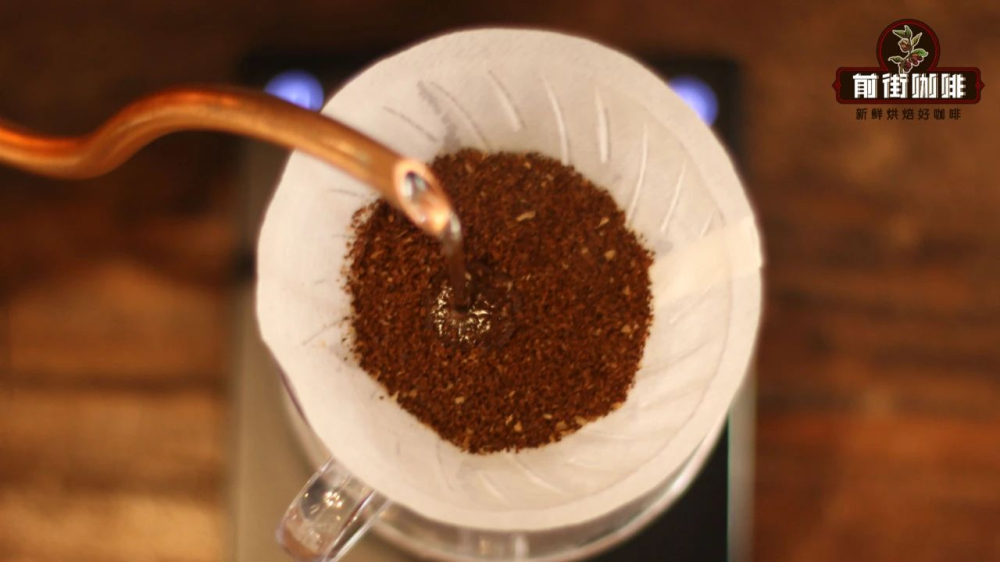
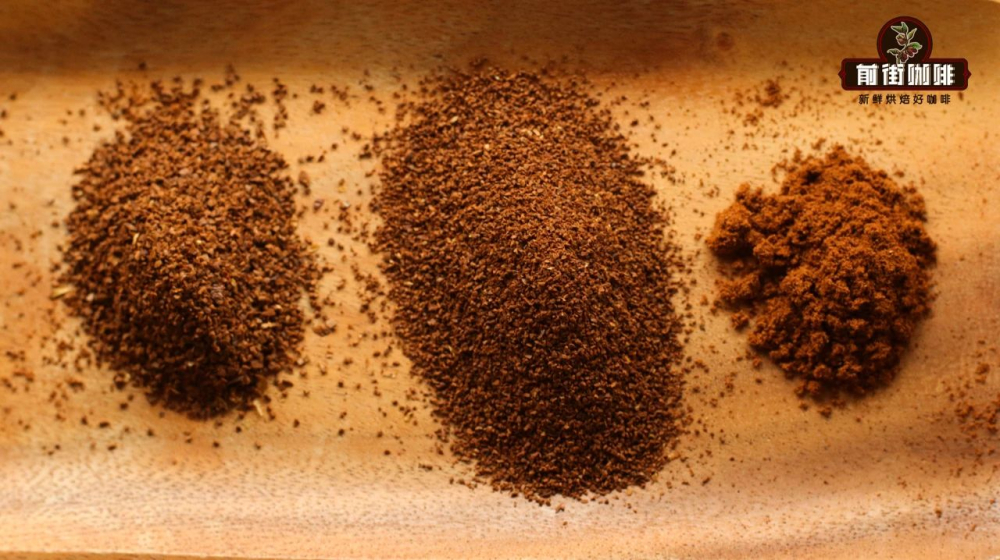
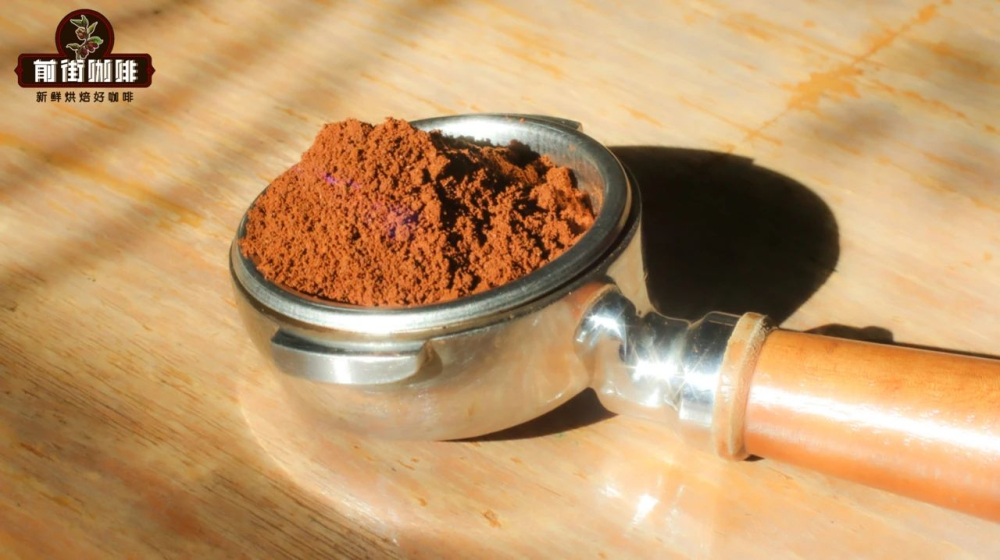
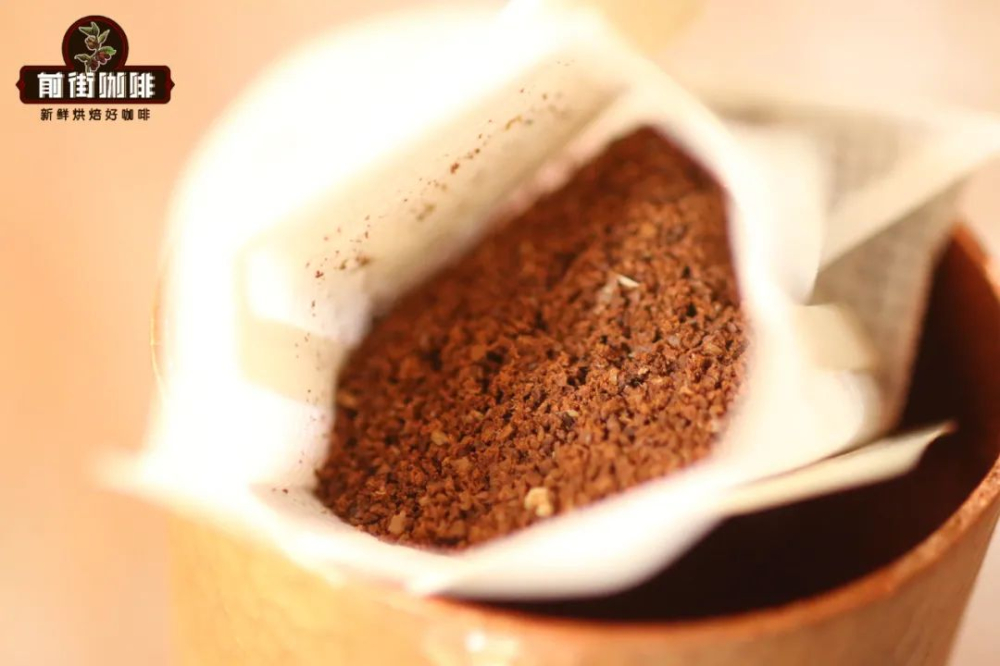
If it is not convenient to use a sieve for calibration, you can also refer to the following common grind size classifications for various brewing methods: extra fine grind is suitable for espresso and moka pot—this type of grind is very fine and can withstand high-pressure extraction to bring out rich crema; fine grind is suitable for drip bags, as paper filters have a faster filtration speed and require a larger extraction surface area; medium-fine grind is suitable for medium to light roast pour over coffee, with particle size similar to fine sugar, and a pass-through rate of about 75–80%; medium
By understanding the differences and application scenarios of the grind sizes mentioned above, you can adjust to the most suitable grind fineness based on the brewing equipment you use and the roast level of the coffee beans, thereby further enhancing the quality and enjoyment of each coffee brew.
The above content is compiled by CoffeeHunters, a coffee news website.

