







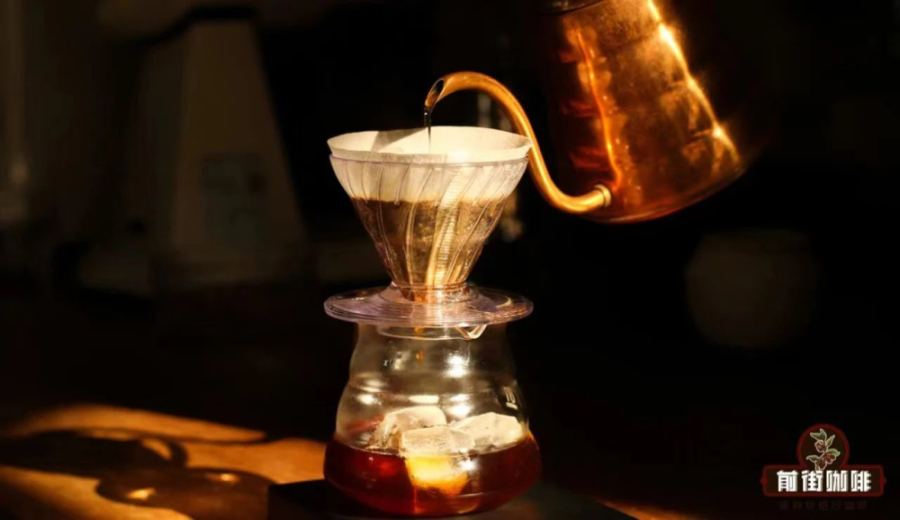
Introduction:The presentation of coffee flavors hinges on grind size—crucial whether you're a pour over enthusiast, a French press fan, or an espresso lover. Choosing the right grind is key to unlocking optimal flavor. This article breaks down the ideal grind sizes for different brewing methods, offers advice on handling freshly roasted beans, and shares practical sieve calibration tips to help you achieve a rich yet balanced cup.
The fineness or coarseness of coffee grind is one of the core factors affecting flavor extraction. It determines the contact area between coffee grounds and water, thereby altering extraction time and final concentration. However, many beginners struggle with selecting the appropriate grind size. This piece dives deep into the ideal grind levels for various brewing techniques and shares how to fine-tune based on bean condition and personal taste, ensuring each cup performs at its best.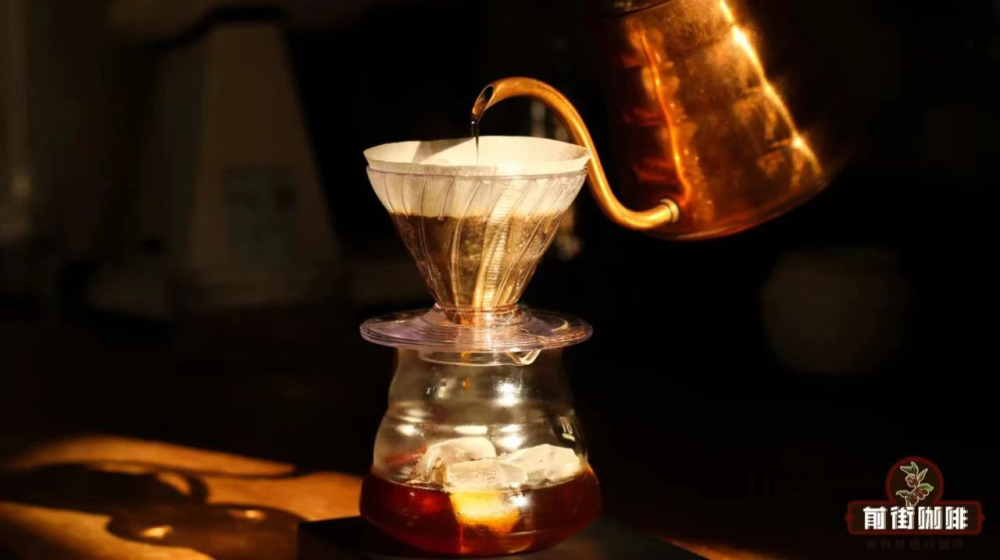
To achieve ideal extraction, the foremost requirement is using freshly roasted coffee beans. It’s recommended to choose beans with a roast date printed on the package and equipped with a one-way degassing valve. This small button-like feature allows the beans to naturally release carbon dioxide produced during roasting in a sealed environment while preventing external oxygen from entering, thus slowing flavor loss. Typically, roasted beans need a “resting period” of 3 to 7 days to let the internal carbon dioxide stabilize, ensuring consistency in subsequent extraction.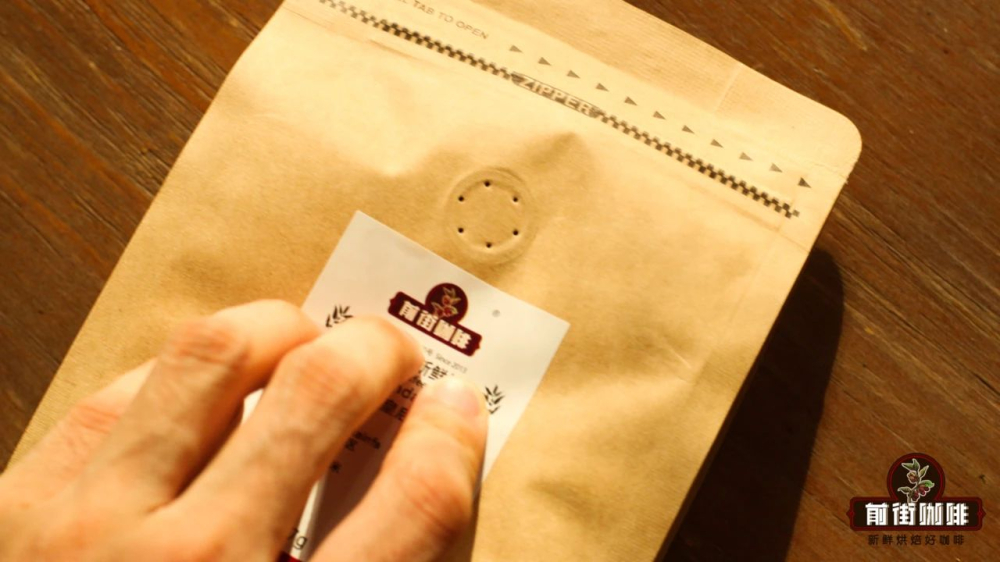
Resting time also varies depending on roast level. Medium-light roasted beans are advised to rest for 3 to 4 days, while medium-dark roasts should wait 4 to 5 days. Brewing without resting leads to excessive CO₂ release, which disrupts water flow and extraction uniformity, resulting in unstable flavors. Moreover, coffee "freshness" not only affects carbon dioxide emission but is also closely tied to aromatic compounds. These fragrance molecules responsible for floral and fruity notes evaporate quickly—the less fresh the beans, the fewer essences can be extracted, and no amount of fine grinding can make up for it.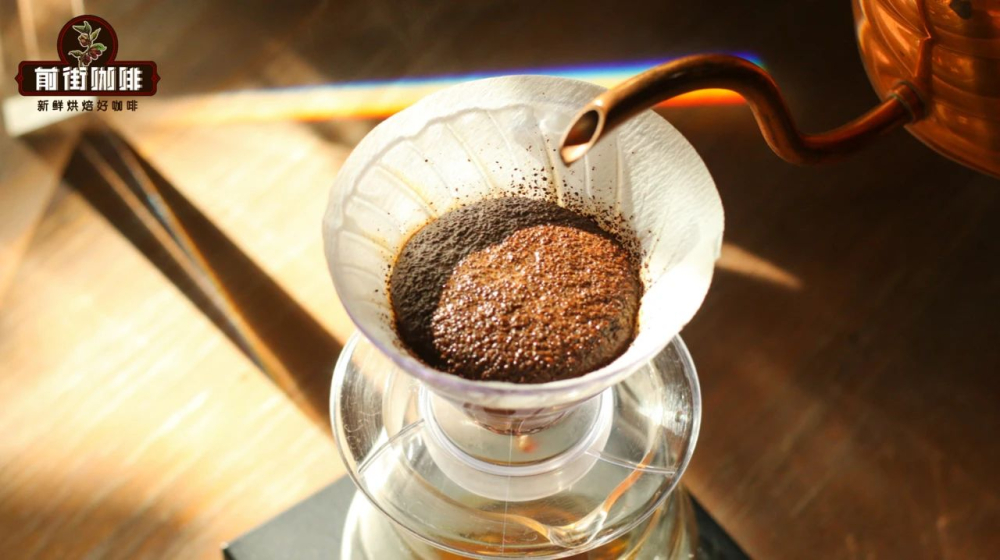
Adjusting grind size directly changes coffee extraction efficiency. Finer grinds have a larger total surface area, allowing water to contact more coffee cells and accelerate the release of flavor compounds. In contrast, coarser grinds have less contact area and faster water flow, yielding lighter-tasting extractions. Simply put, at a fixed coffee-to-water ratio, the finer the grind, the higher the extraction rate and concentration; the coarser the grind, the more refreshing and diluted the flavor.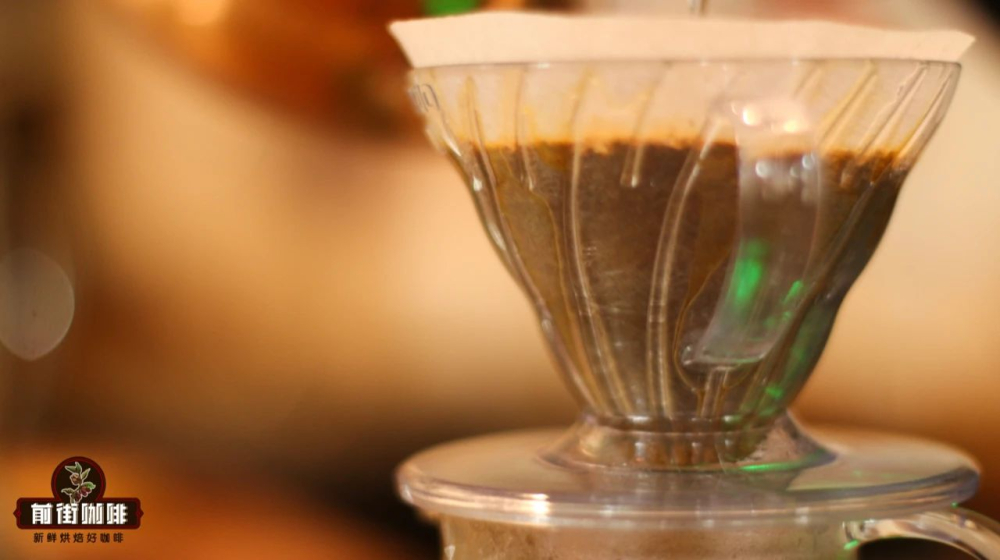
However, finer isn’t always better. Overly fine grinding creates excessive resistance to water flow, prolonging extraction time and often leading to over-extraction—resulting in overly intense, bitter coffee where delicate acidity and aromas are masked. Conversely, if the grind is too coarse, water passes through the coffee bed too quickly, causing under-extraction: the coffee tastes dull, acidic, lacks complexity, and feels thin and uninteresting overall.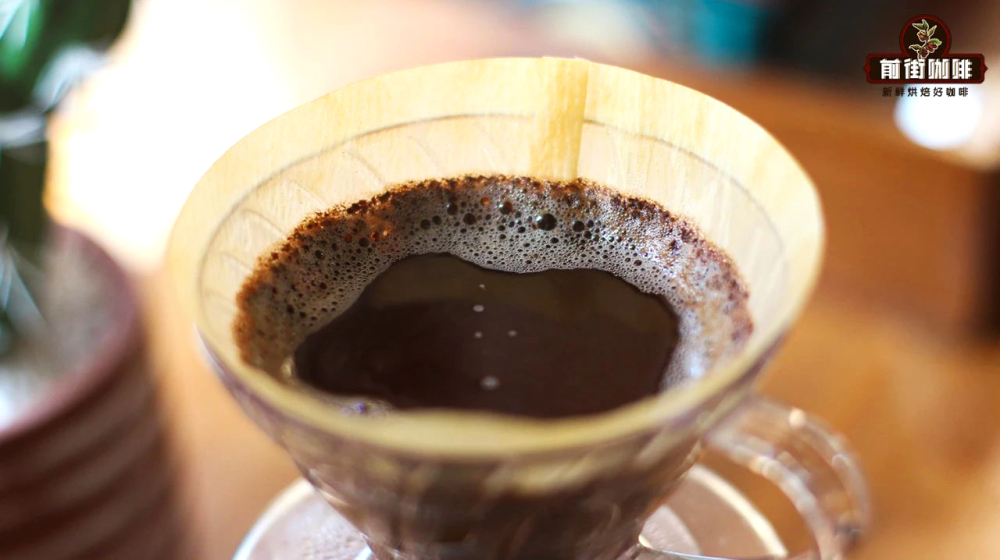
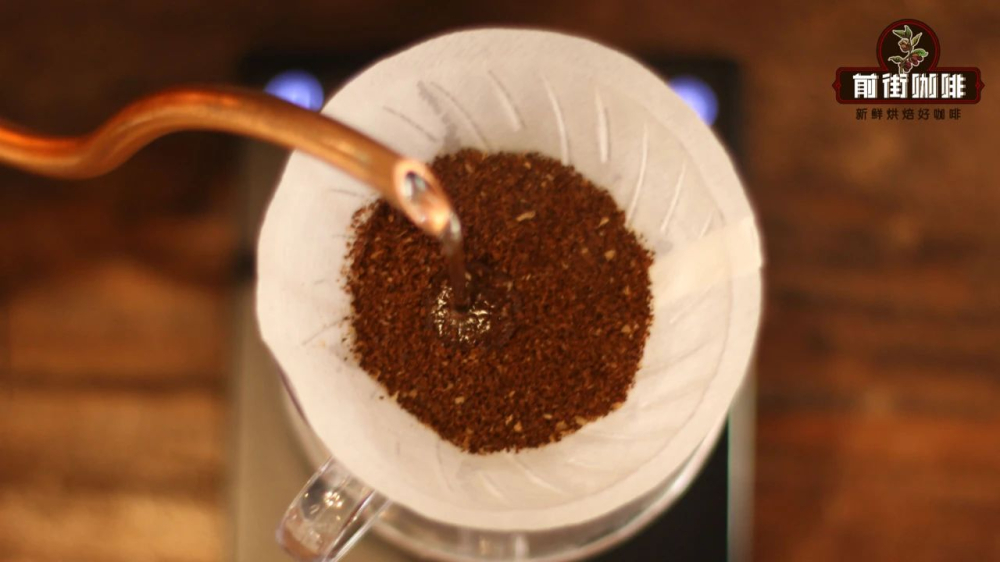
How do you find the right grind size for your brewing method? It’s recommended to use a No. 20 sieve (with 0.85mm holes) for initial calibration. Grind 10 grams of coffee beans, sift them, and weigh the proportion that passes through the sieve to guide adjustments. Suggested passing rates for common brewing methods are: cold drip and pour over around 80%, siphon and moka pot 75–80%, American drip and cupping 70–75%, and French press 65–70%. Additionally, different roast levels require fine-tuning: light roasts suit 80–85% passing rate, medium roasts about 70–75%, and dark roasts 65–70%. These figures serve as references, but final adjustments should always be based on actual flavor results.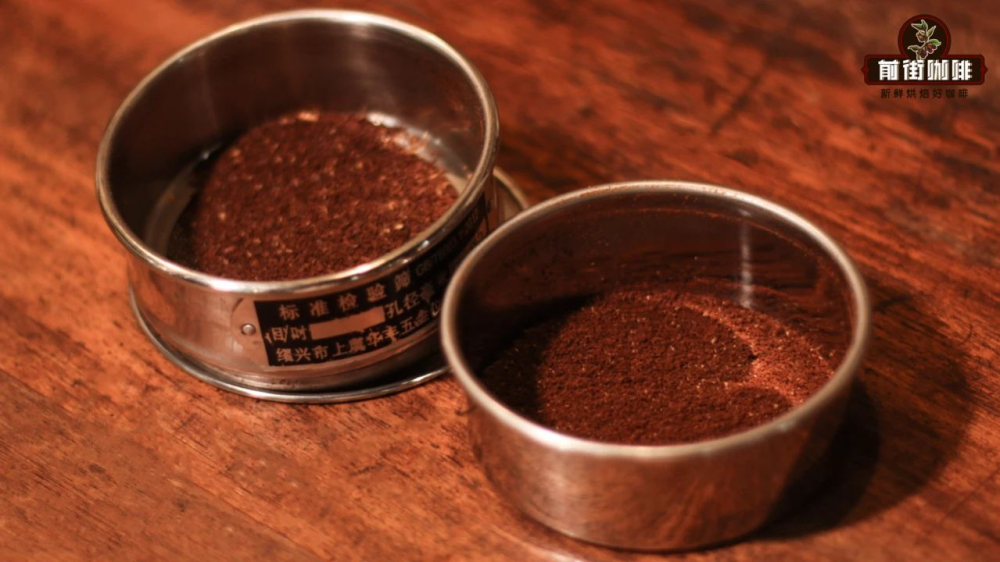
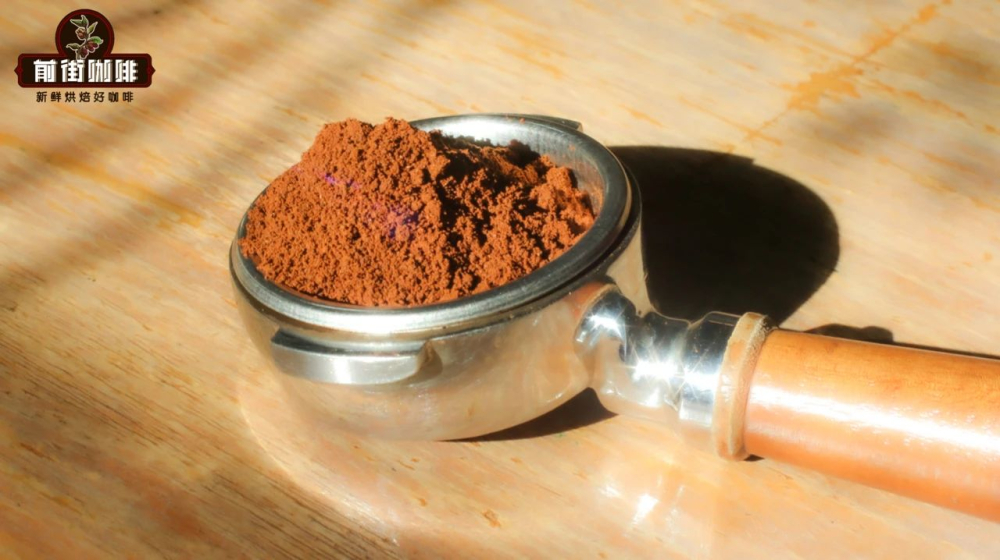
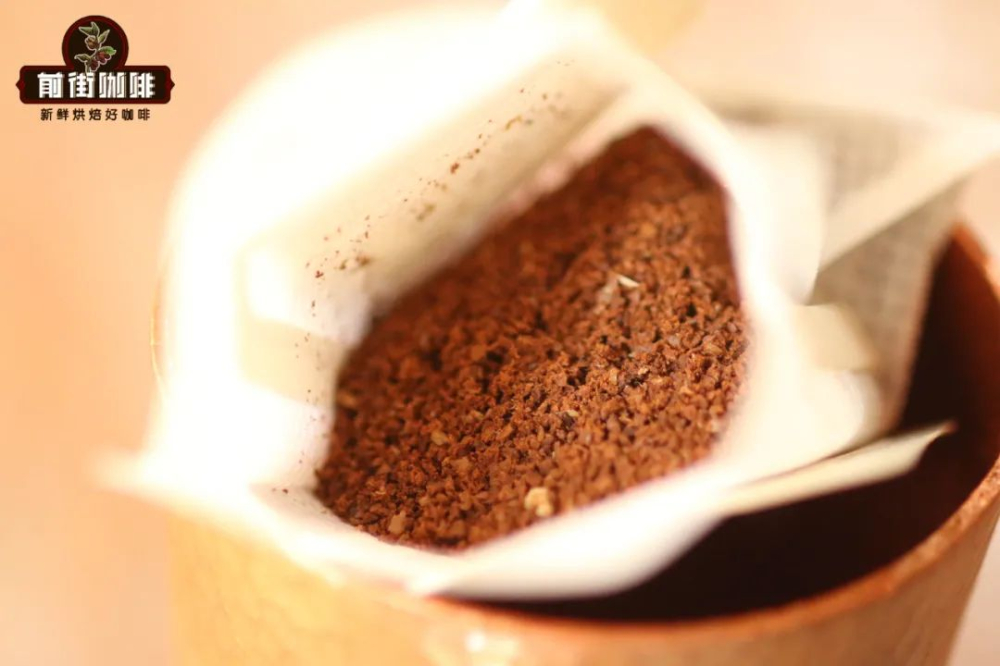
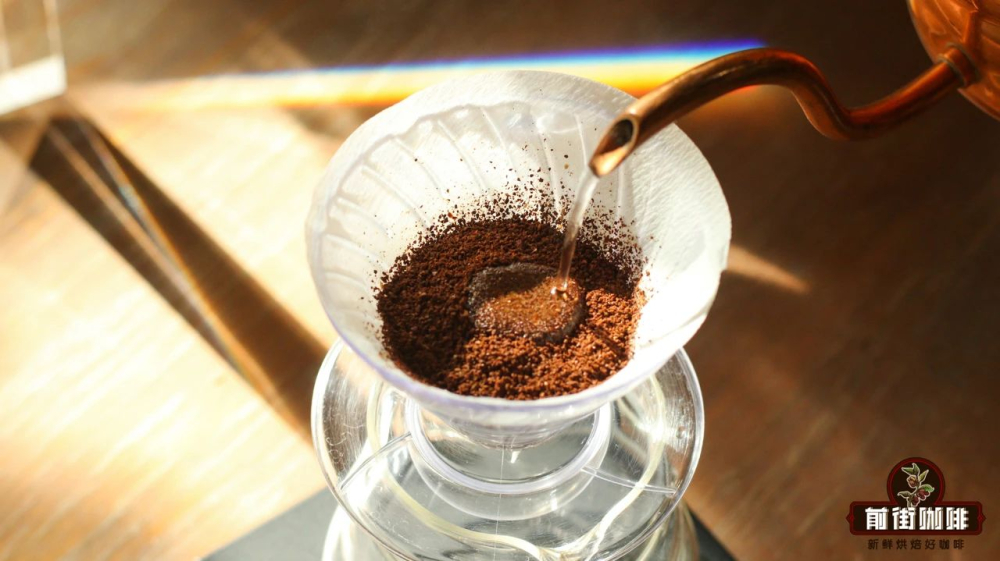
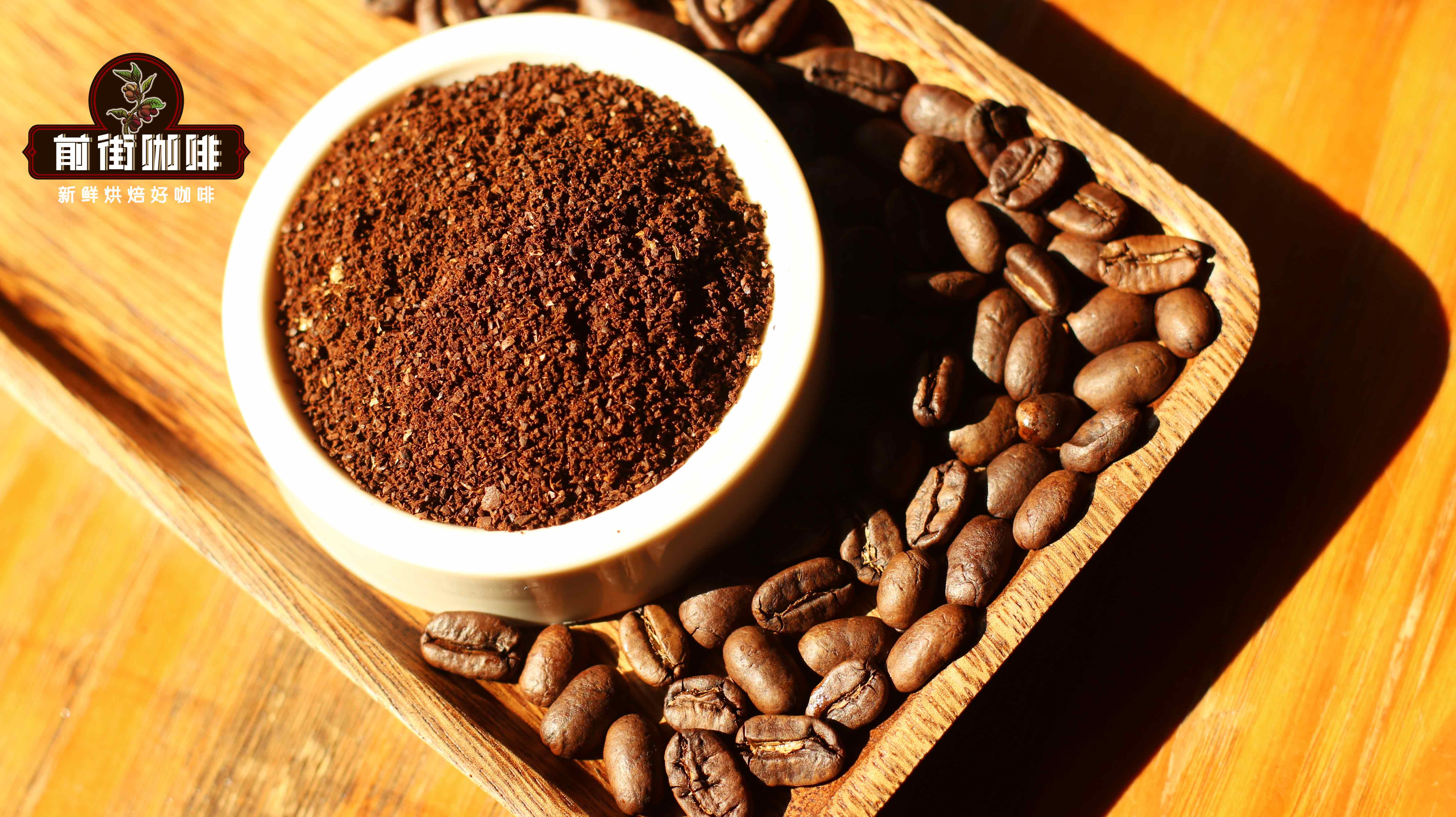
Without a professional sieve, you can also refer to the following common grind size categories and corresponding brewing equipment: extra fine, suitable for espresso machines or moka pots, can withstand high-pressure hot water to extract rich crema; fine, recommended for pod coffee, as filter paper has a large filtering area requiring a finer grind to improve extraction efficiency; medium-fine, about the size of fine sugar crystals, suitable for medium-light roasted pour over drippers, bringing out clear fruit acidity and sweetness; medium, similar to coarse sugar, used for medium-dark roasted beans in pour over to avoid over-extraction and maintain balance; coarse, best for French press, where the metal filter has large gaps, requiring coarse particles to prevent fine grounds from seeping through and ensuring smooth mouthfeel.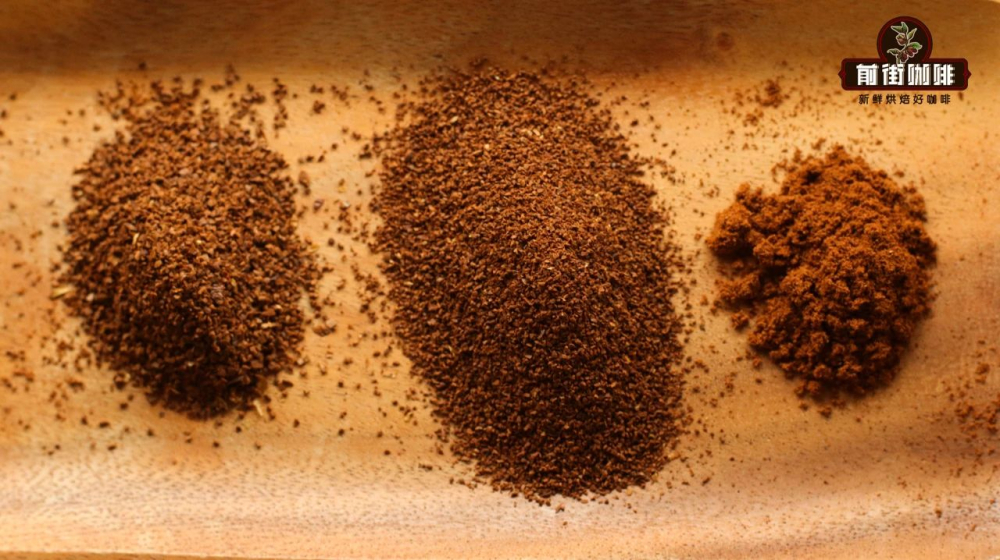
The above content is compiled by CoffeeHunters, a coffee news website.

