







Introduction:Choosing the right coffee beans is the first step to enjoying a great cup of coffee. This article delves into six key factors when buying coffee beans, including how to select the right bean variety based on your brewing equipment and flavor preferences, as well as why freshly roasted beans and whole bean storage are essential for enhancing flavor. Whether you use pour over, French press, espresso machines, or clever drippers, you’ll find practical advice and specific recommendations.
The charm of coffee lies in its unique aroma and layered complexity, all of which are closely tied to the freshness of the coffee beans. If you want to brew a cup of captivating coffee at home, the first priority is learning how to choose the right coffee beans. Below are six practical coffee bean selection tips to help you make smarter choices based on different brewing methods and taste preferences.
When selecting roasted coffee beans, don’t hesitate to ask the seller (whether at a physical store or an online platform) a few key questions, starting with: What kind of brewing equipment do you mainly use? Because different brewing methods—such as espresso machines, pour over, French press, clever drippers, or cold brew—each have unique extraction principles and different requirements for the roast level and flavor profile of the beans. Let the seller know what equipment you typically use. For example, espresso machines usually require medium to dark roasted beans, while clever drippers and cold brew suit medium to light roasted beans. This way, the seller can recommend the most suitable beans for you.
For example, espresso machines, which use high-pressure extraction, often recommend classic espresso blends, Queen Estate, or Strawberry Candy espresso; clever drippers, which are immersion brewers, pair well with beans that have distinct flavors such as Mozart, Bird of Paradise, or Strawberry Candy; as for cold brew, it’s recommended to choose medium to light roasted beans with low acidity and pronounced fruity notes, such as Kenya Little Tomato, Sidamo, or Dabutou, which deliver a fresher taste.
In addition to equipment, your personal flavor preference is also a key factor in purchasing. You can casually describe to the seller whether you prefer a stronger, richer taste or one with brighter acidity. This information helps the seller recommend options that better match your taste based on their bean characteristics. If you enjoy bold and full-bodied coffee, Golden Mandheling, Colombian Huila, or Brazilian Cerrado are good choices; if you prefer bright fruity acidity, consider Yirgacheffe, Panama Elida Estate, or Huakui.
It’s worth noting that many people often hear stereotypes about certain coffee origins—for instance, “Colombian beans are acidic” or “Indonesian Mandheling is always bitter”—but this is actually a common misconception. The final flavor of coffee beans is not only influenced by origin characteristics but also greatly affected by the roast level. Roasters adjust the roast profile based on the beans’ traits and the desired flavor outcome, so beans from the same origin can show very different flavor profiles under light, medium, or dark roasts. For example, to enhance the berry notes of Kenyan beans, a medium to light roast might be chosen; whereas to preserve the delicate floral notes of Fruit Ding Ding, a lighter roast would be preferred.
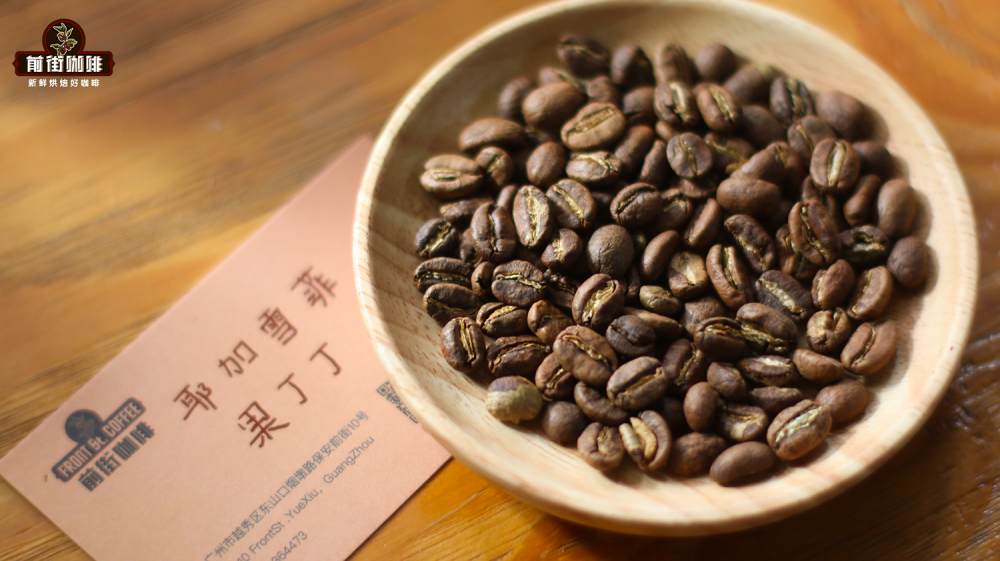
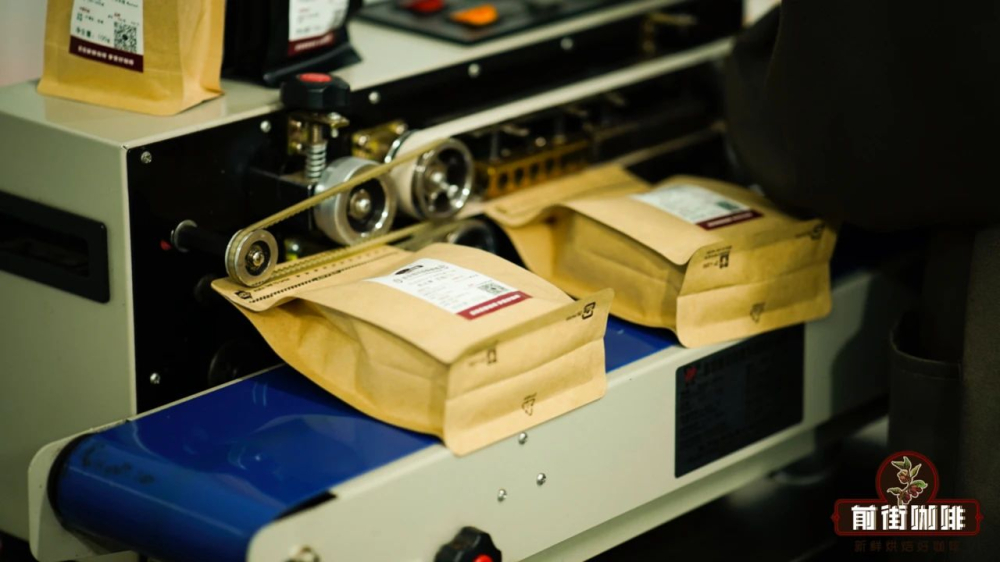
Furthermore, the freshness of coffee beans is one of the key factors affecting flavor performance. Just like seafood, coffee beans are best when fresh, and a crucial indicator of freshness is the “roast date.” Freshly roasted beans contain a lot of carbon dioxide immediately after roasting, which can hinder the release of flavor compounds. Therefore, it’s recommended to allow the beans to “degas” for 4–7 days after roasting, letting them stabilize before brewing, in order to achieve richer aroma and taste. However, over time, the coffee’s aroma gradually diminishes, and after about a month, it often retains only bitterness and woody notes. Therefore, when purchasing, pay attention to the roast date and opt for beans roasted within the last 5 days to ensure they’re still at their peak flavor when you receive them.
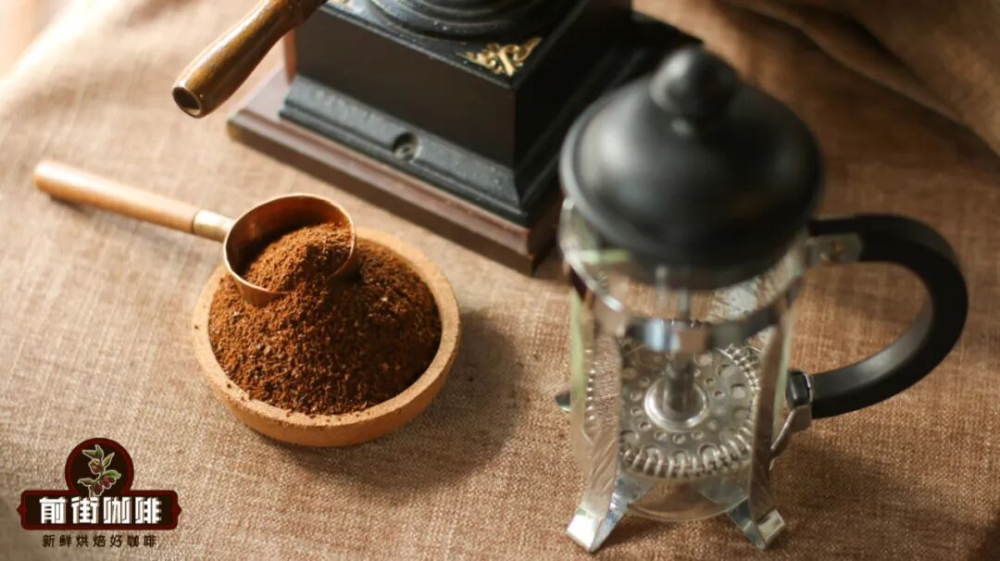
Additionally, when buying coffee, it’s recommended to choose whole beans rather than pre-ground coffee. While many shops offer free grinding services, once coffee beans are ground, their volatile aromatic compounds evaporate quickly, and the longer they are stored, the more noticeable the flavor loss becomes. Using whole beans along with a suitable grinder not only ensures the freshest aroma is released with each brew, but also allows you to adjust grind size according to different equipment, further improving extraction. Grinding and brewing fresh by yourself often leads to a richer, more layered coffee experience.
Finally, depending on your frequency of consumption, it’s advisable to adopt a strategy of buying small amounts more frequently. Generally speaking, the peak flavor period of roasted coffee beans is around one month after roasting, after which the aroma gradually declines. If you brew two cups per day, using about 15 grams of coffee powder per cup, a 227-gram (half-pound) bag of beans will
The above content is compiled by CoffeeHunters, a coffee news website.

