








Introduction:Want to try pour over coffee but not sure which beans to start with? This article features six classic single-origin beans from key regions in Africa, Asia, and the Americas, covering washed, natural, and honey processing methods. It details the flavor profiles and ideal roast levels of popular beans such as Yirgacheffe, Huila, and Sidamo, while also providing pour over parameters and extraction tips to help you easily find a flavorful and cost-effective entry-level option.
Pour over coffee, also known as drip coffee, originated from the innovative invention of German housewife Melitta Bentz in 1908. This brewing method, which slowly extracts the essence of coffee grounds using hot water, remains a fundamental skill for coffee lovers worldwide. For beginners, selecting beans with clear flavors and easy brewing is crucial. This article will guide you through six high-quality single-origin beans from Africa, Asia, and the Americas, covering different altitudes, processing methods, and roast styles to help you build a clear sense of regional flavor characteristics.
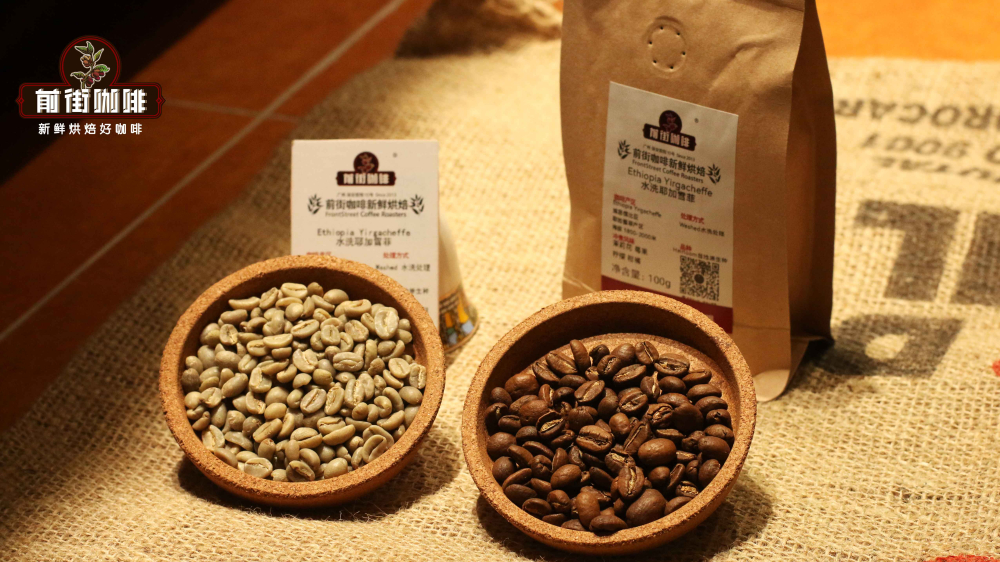
【Africa Region】Ethiopia · Yirgacheffe —— A refreshing example of washed processing (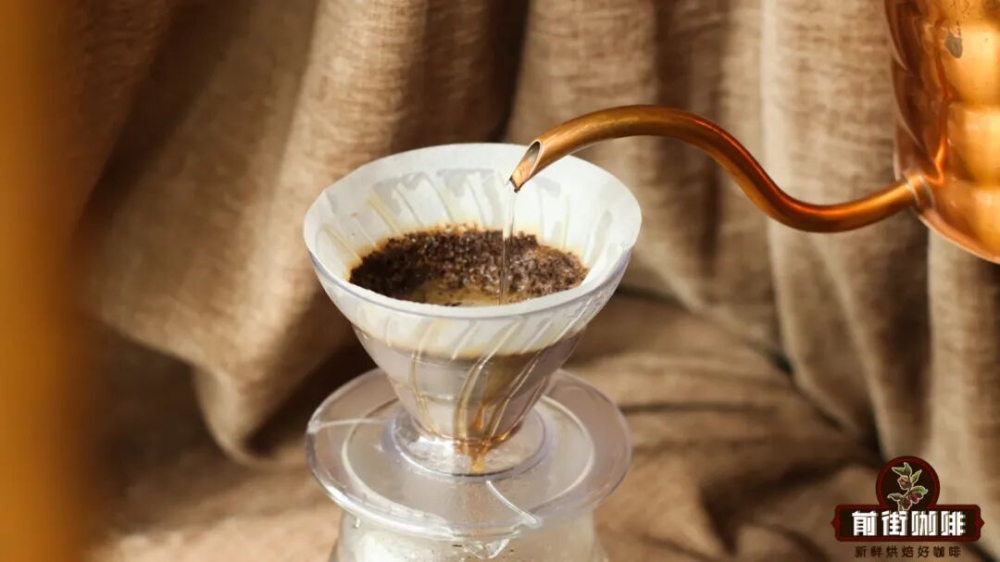 )
As the birthplace of coffee, Ethiopia’s Yirgacheffe town is renowned for its high altitude (around 2000 meters) and favorable microclimate. Local coffee farmers practice intercropping, often growing coffee trees alongside banana trees, which contributes to unique floral and fruity notes. A certain brand’s Ethiopian washed Yirgacheffe, after meticulous processing, exhibits bright lemon acidity and citrusy aromas, paired with a soft herbal finish reminiscent of green tea. It is recommended to use a medium roast to preserve the vibrant fruit acidity layers, and during pour over, pay attention to keeping the water temperature between 90-92°C,with a 1:15 coffee-to-water ratioto balance the acidity and sweetness.
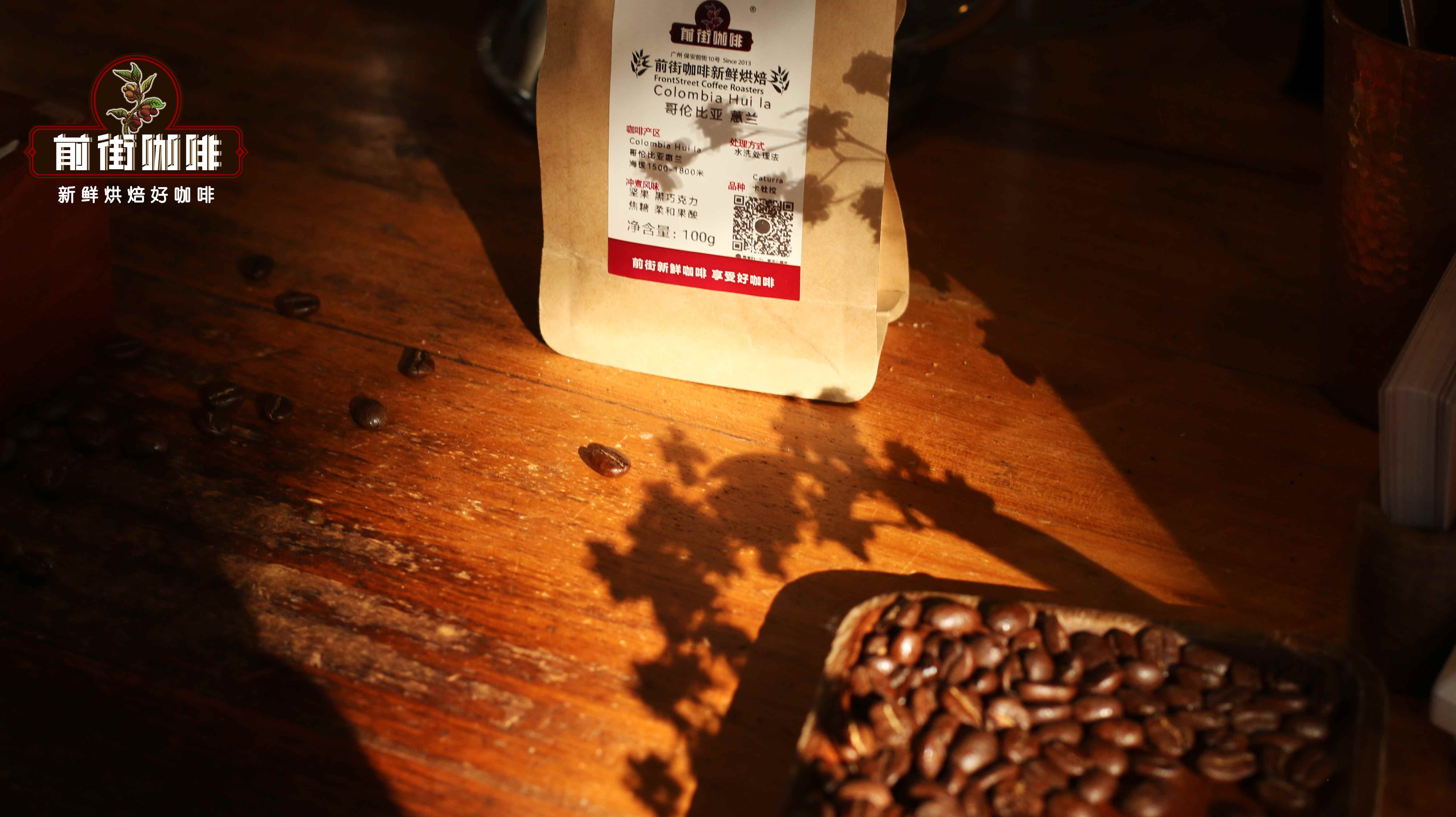
【Americas Region】Colombia · Huila —— A balanced and mellow neutral choice (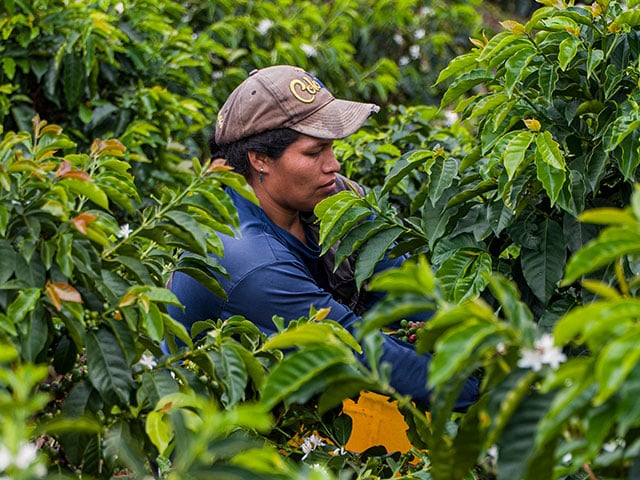 )
The Huila region in Colombia is known for its shaded cultivation techniques, where coffee trees mature slowly under the protection of tall trees, accumulating rich carbohydrates. Washed Huila beans have a solid foundation of dark chocolate and nutty flavors, with a soft caramel sweetness emerging in the aftertaste. This bean is suitable for beginners who prefer a mellow taste,a medium-dark roast (beginning of the second crack)can enhance the creamy body. During pour over, it is suggested to extend the blooming time to 40 seconds to fully develop the nutty aroma.
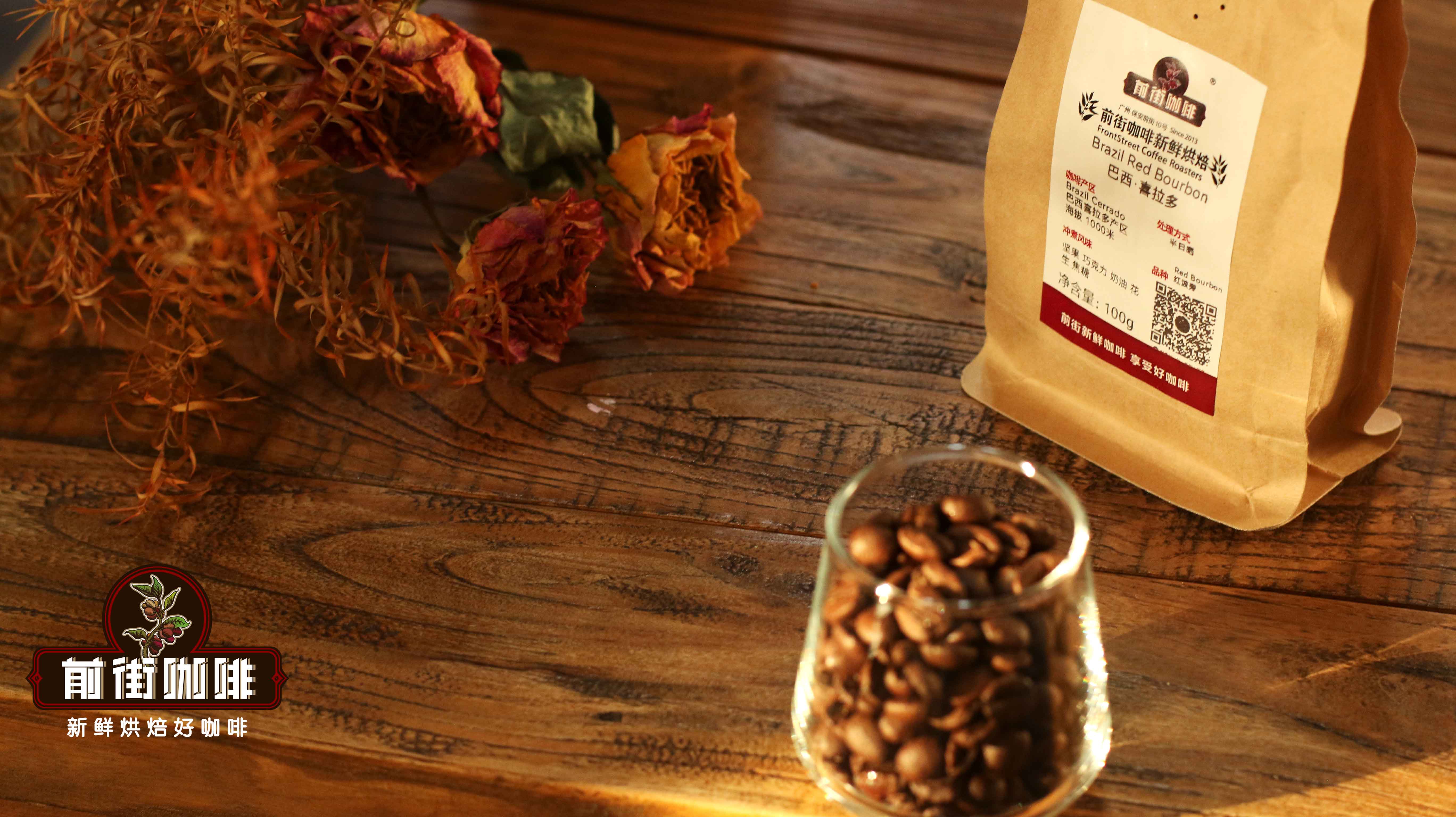
【Americas Region】Brazil · Cerrado —— A classic soft bean with low acidity and bold flavor (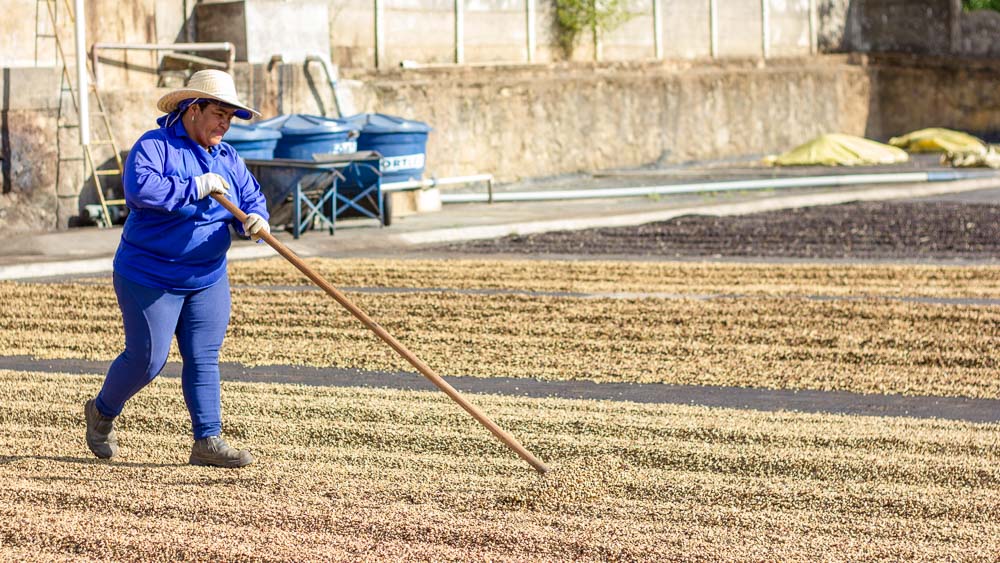 )
The Cerrado region in Brazil features mainly flat highland terrain. Arabica beans grown using unshaded sun-drying methods develop a unique nutty character. Its low acidity blends perfectly with chocolatey sweetness, making it an ideal base for espresso blends. Pour over enthusiasts can opt fora light roastto highlight the caramel flavor. Using a coarse grind (similar to superfine sugar particle size) with 93°C water,the pulse pouring method(first pour 100g for blooming, then divide the remaining water into two pours to reach 225g) can effectively prevent over-extraction that leads to woody flavors.
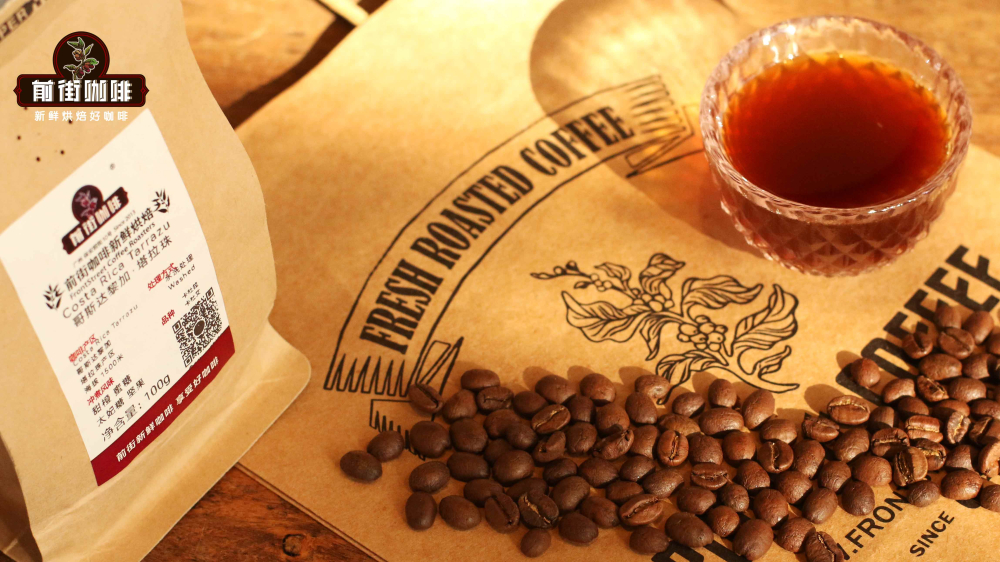
【Americas Region】Costa Rica · Tarrazú —— Refined flavors from eco-friendly farming (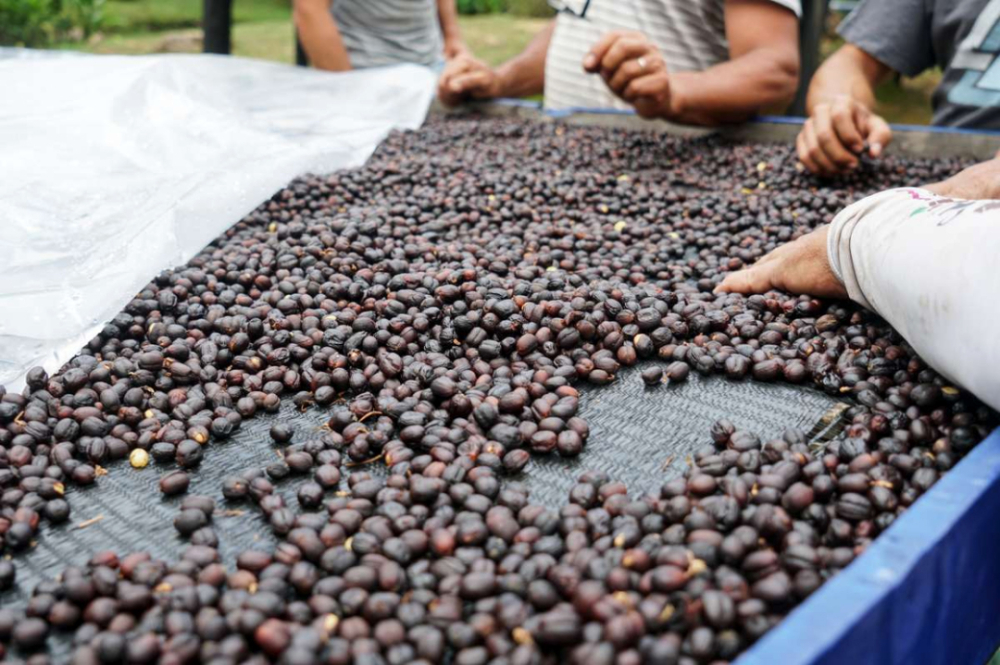 )
The Tarrazú region strictly prohibits pesticide use, and the volcanic soil of the Central Valley produces beans with a well-balanced sweet and sour profile. Traditional washed processing preserves bright citrus and berry notes, with particularly prominent sweet orange aromas. This bean is suitable for advanced beginners seeking bright acidity,a medium-light roastcan enhance the berry acidity. During pour over, it is recommended to use a V60 filter cone with 90°C water,employing center-circle pouringto avoid overly disrupting the delicate floral and fruity notes.
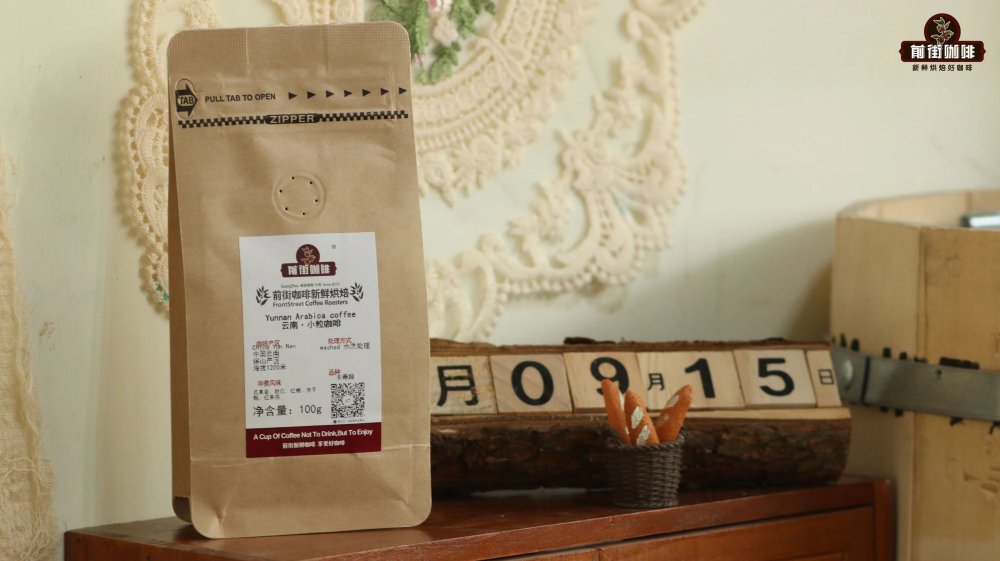
【Asia Region】China · Yunnan Peaberry —— A balanced creation from highland terroir (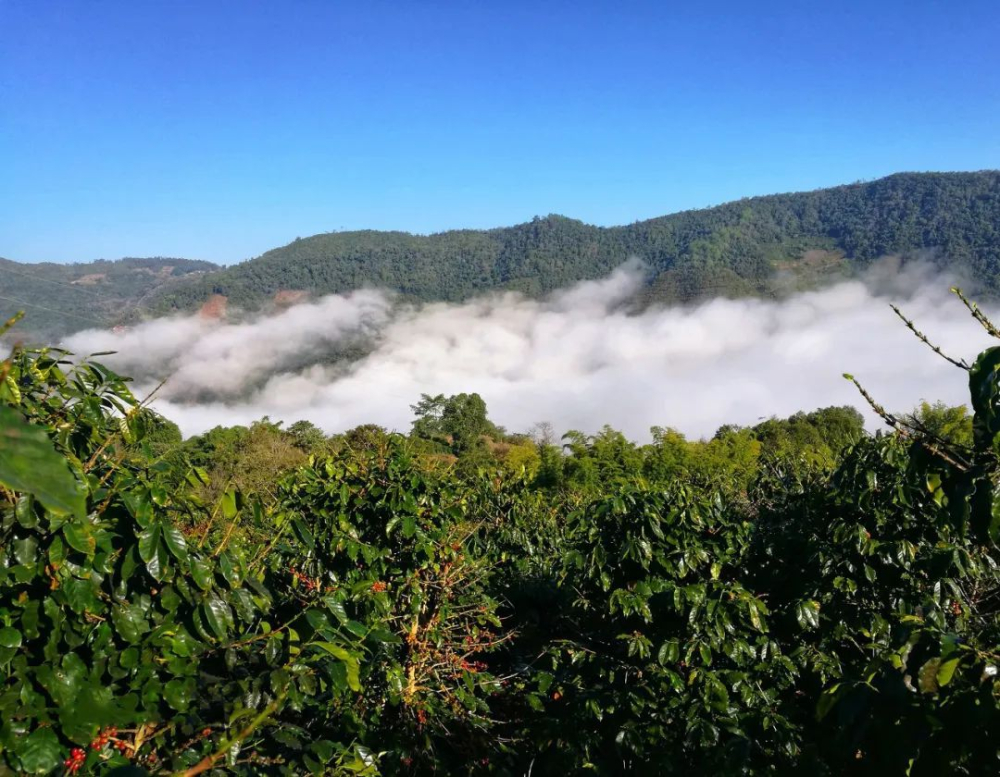 )
The complex microclimate near the Tropic of Cancer in southern Yunnan provides an ideal growing environment for the Typica variety. Washed Yunnan peaberry beans, after a medium roast, offer gentle sweetness with notes of brown sugar and nuts, suitable for drinkers who prefer less pronounced acidity. Be mindful that beans harvested during the rainy season need strict screening for defect rates,the roast level should not be too dark(a city roast stage is recommended). During pour over, using a1:16 coffee-to-water ratiocan highlight the brown sugar finish. Employing a stainless steel filter can reduce paper taste interference.
【Asia Region】Indonesia · Mandheling —— A spice legend born from wet hulling (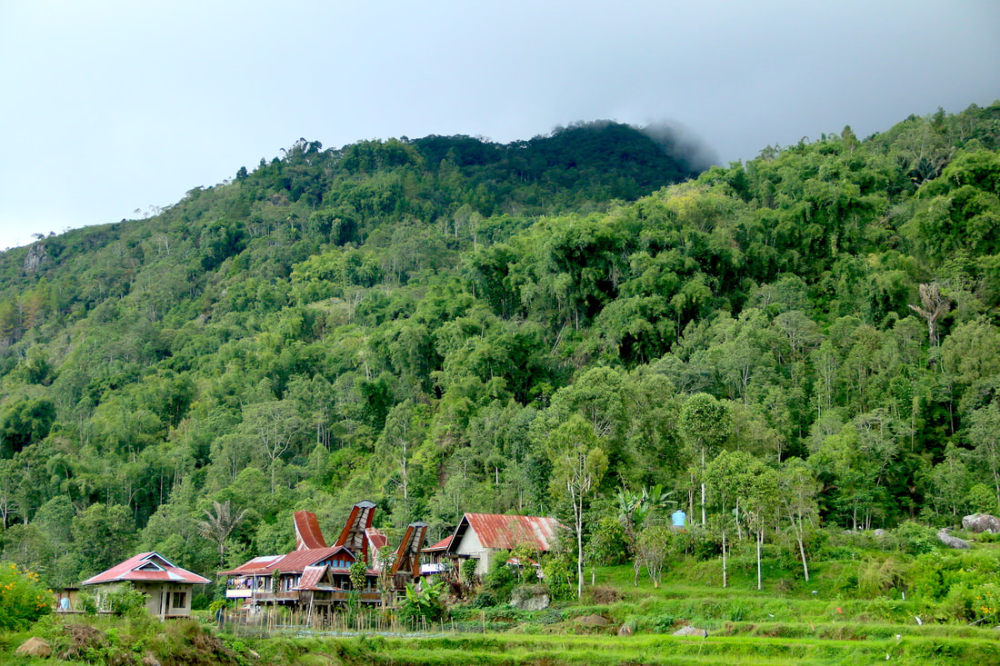 )
The high humidity environment of Sumatra gave rise to the unique wet hulling process. Mandheling beans processed this way develop distinctive herbal and woody aromas. A dark roast (dense second crack stage) can enhance the pine and spice notes, making it suitable for consumers who enjoy bold flavors. During pour over, special attention should be paid toa coarse grind (close to coarse salt particles)and a lower water temperature (88-90°C),the single-pour method(pouring all 225g of hot water at once) can prevent the smoky flavors caused by over-extraction.
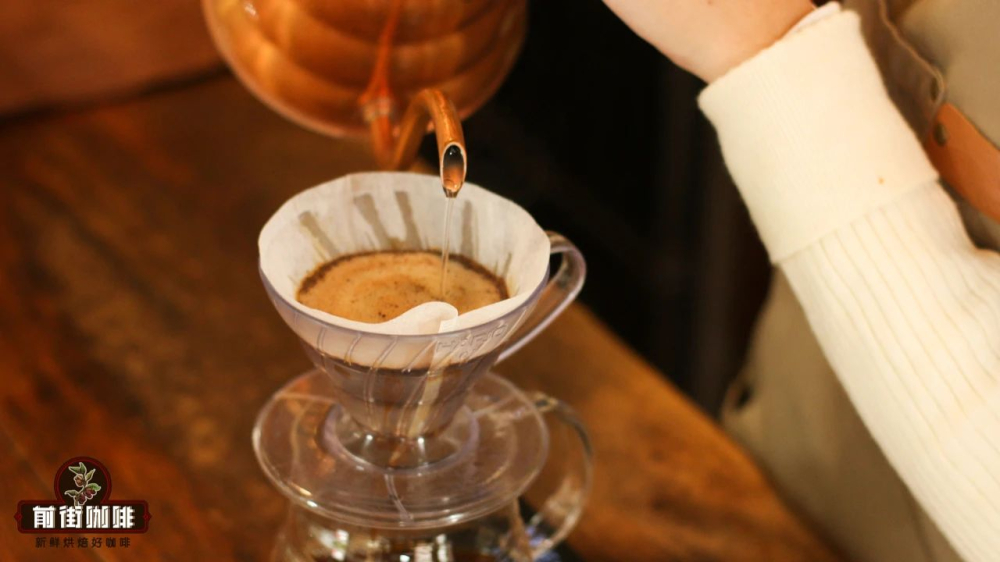
Golden Rules for Pour Over Parameters: The six key factors influencing extraction include coffee bean freshness (it is recommended to choose beans shipped within 5 days of roasting), grind size (medium-fine to medium-coarse adjusted according to roast level), coffee-to-water ratio (classic range 1:15-1:17), water temperature (90-93°C for light roasts, 88-90°C for dark roasts), pouring technique (segmented pouring to control flow rate), and extraction time (complete process takes about 2-3 minutes). Mastering these variables allows even beginners to consistently brew high-quality coffee that highlights regional characteristics.
The above content is compiled by CoffeeHunters, a coffee news website.

