








Introduction:Choosing the right coffee beans is the first step to enjoying a great cup of coffee. This article will delve into the multiple factors that influence coffee flavor, including regional characteristics, altitude, processing methods, and roast levels, while also explaining the flavor profiles of major coffee-producing regions around the world. Whether you're a beginner just getting into pour over coffee or an enthusiast looking to expand your bean selection, you’ll gain practical tips and recommended options for selecting specialty coffee beans, helping you find the one that best suits your taste.
When selecting coffee beans, freshness is one of the most critical factors. It is recommended to prioritize products with clearly marked roast dates (rather than expiration dates) to ensure the flavors are at their peak. Professional roasters typically ship their beans within 5 days of roasting and use one-way valve packaging. This design effectively releases the carbon dioxide naturally produced by the coffee beans while preventing oxygen from entering and causing aroma loss.
It’s worth noting that about 50 days after roasting, the aroma of coffee beans will noticeably decline. Even if they were originally high-end specialty beans, it becomes difficult for them to showcase their full complexity after brewing. Therefore, it is recommended to consume them soon after purchase to experience the optimal flavor profile.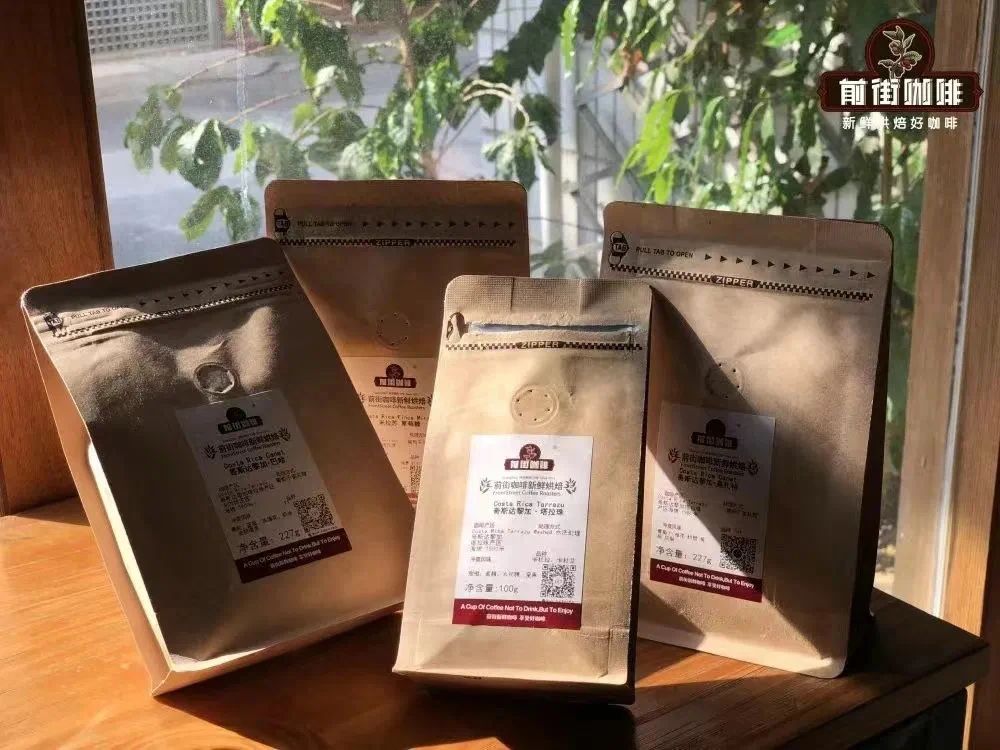
The flavor expression of coffee is deeply influenced by the regional climate, altitude, and growing environment, with different origins often showcasing distinctly unique characteristics. For example, coffee from Central and South America generally features mild acidity and pronounced caramel sweetness, with a smooth and balanced mouthfeel, making it suitable for beginners to single-origin coffee. Well-known regions in this area include Tarrazú in Costa Rica, Huila in Colombia, and Red Bourbon in Brazil. These beans typically exhibit clear nutty notes and moderate body.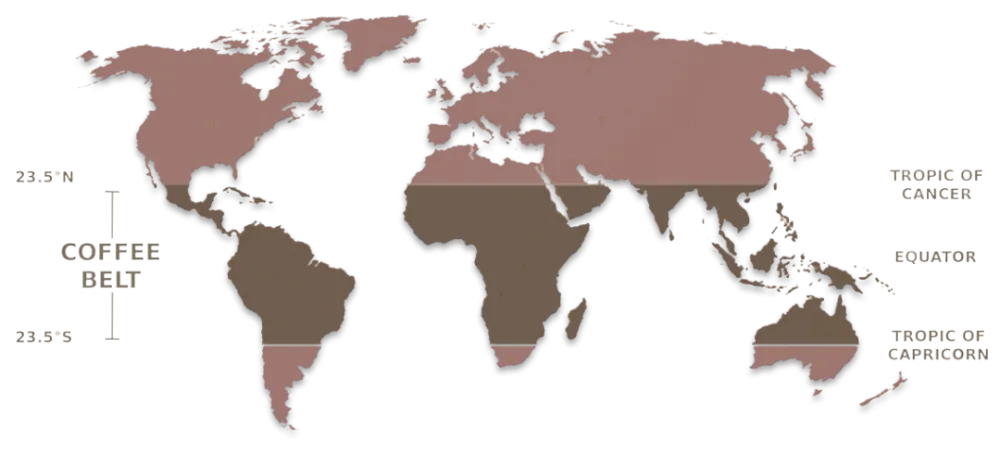
African-origin coffees, on the other hand, are known for their vibrant fruitiness and complex layers. Most beans from this region have less pronounced bitterness, often revealing berry or citrus flavors upon tasting, with floral undertones in the finish. Such coffees are particularly well-suited for consumers who enjoy bright acidity and lively mouthfeels. Classic options to try include Guji, Kenya AA, or Ethiopia Huika, which offer highly distinctive tropical fruit profiles.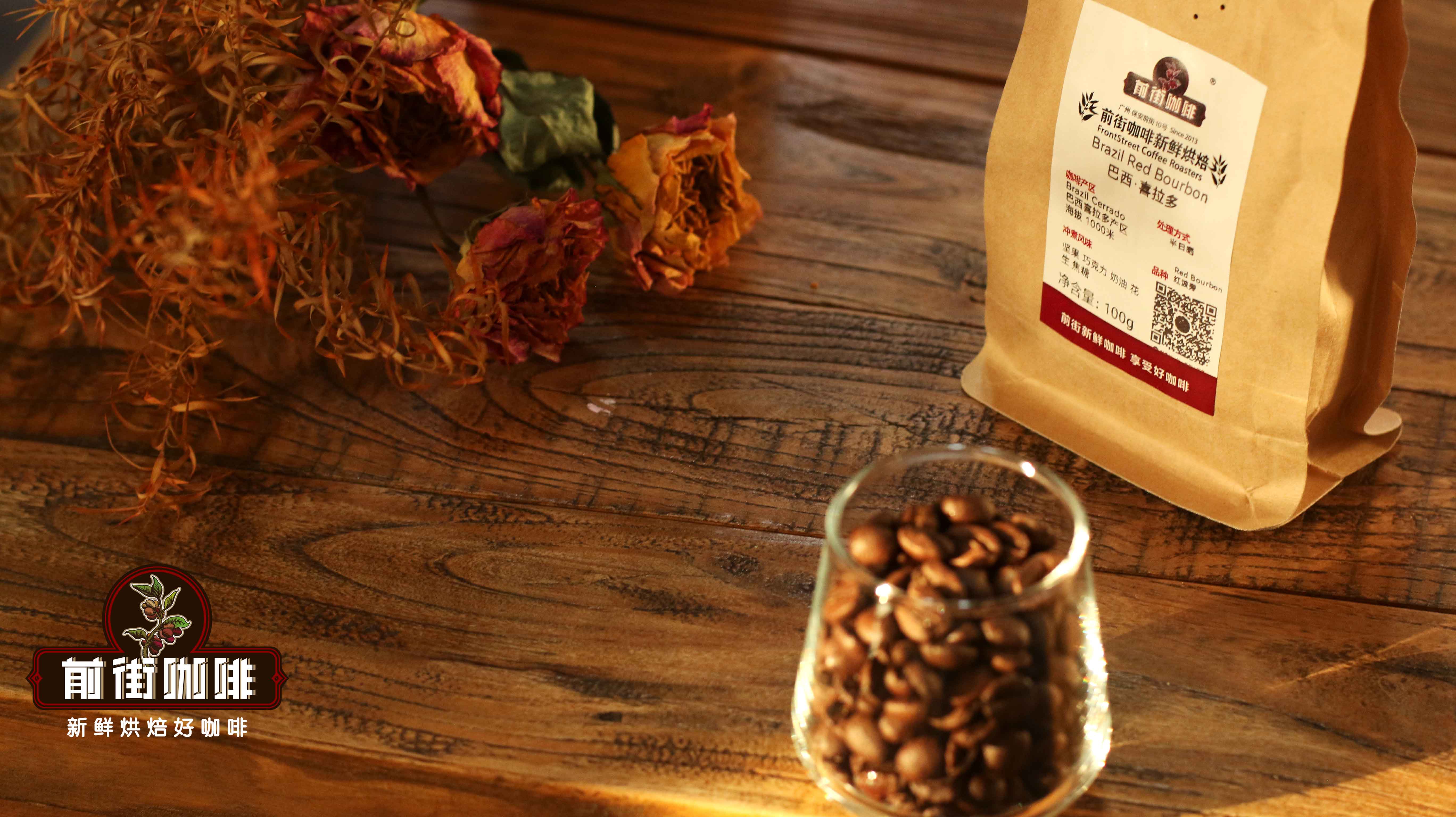
Coffee from Asian regions features a markedly different style, often developing a heavier body and intense fermentation notes. Some beans may carry woody or herbal undertones. While these flavors may not appeal to everyone, seasoned coffee enthusiasts often discover unique charms within them. Indonesian Mandheling is the most representative single-origin from Asia, characterized by its low acidity, high body, and rich earthy and spicy aromas, making it a top choice for many traditional coffee lovers.
The choice between blended and single-origin beans depends on personal preference and brewing purpose. Blended beans are carefully formulated to deliver a stable and balanced flavor profile, making them especially suitable for espresso or moka pot coffee, where they can produce rich crema and oily layers. Common recommendations include classic Italian blends and strawberry sugar-flavored recipes, which cater to everyday drinking needs. If you’re pursuing uniqueness and variety in flavor, single-origin coffee is the better option. Beans from different regions, when brewed using tools like pour over or siphon, can showcase distinctly different regional characteristics.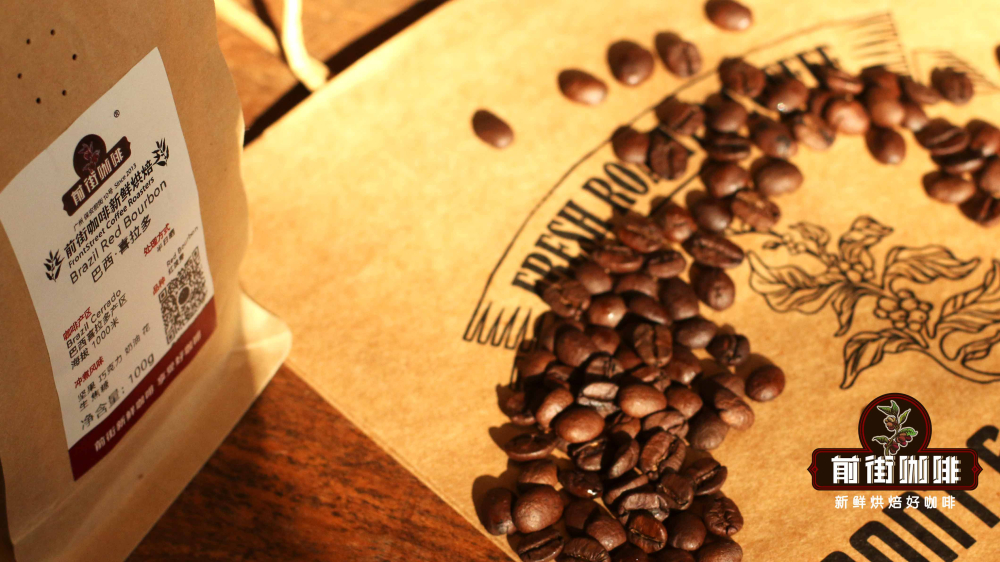
Roast level directly affects the balance of acidity and sweetness in coffee, as well as its mouthfeel structure. Light Roast preserves more of the bean’s original flavors and higher acidity, making it ideal for highlighting delicate notes such as floral and citrus tones. It is recommended for low-temperature brewing methods like pour over or cold brew, which can fully present the bean’s innate characteristics. Flower Butterfly is a typical example of a light roast, with its bright acidity and tea-like finish, suiting consumers who prefer a refreshing taste.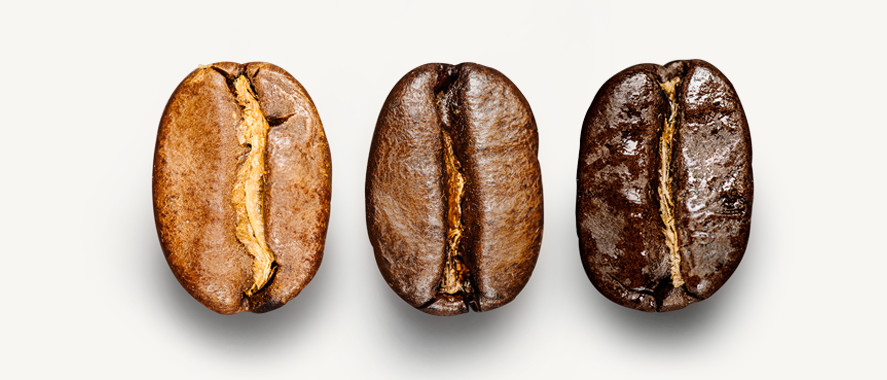
Medium Roast strikes a balance between light and dark, offering a more even acidity and bitterness, with moderate body and wide applicability. This roast level can suit various brewing devices, including French press, moka pot, and pour over setups, making it a popular choice for most coffee drinkers. Beans such as Sidamo, Bird of Paradise, and Yunnan Peaberry all demonstrate the diverse possibilities of this roast style, featuring both fruity notes and a solid body foundation.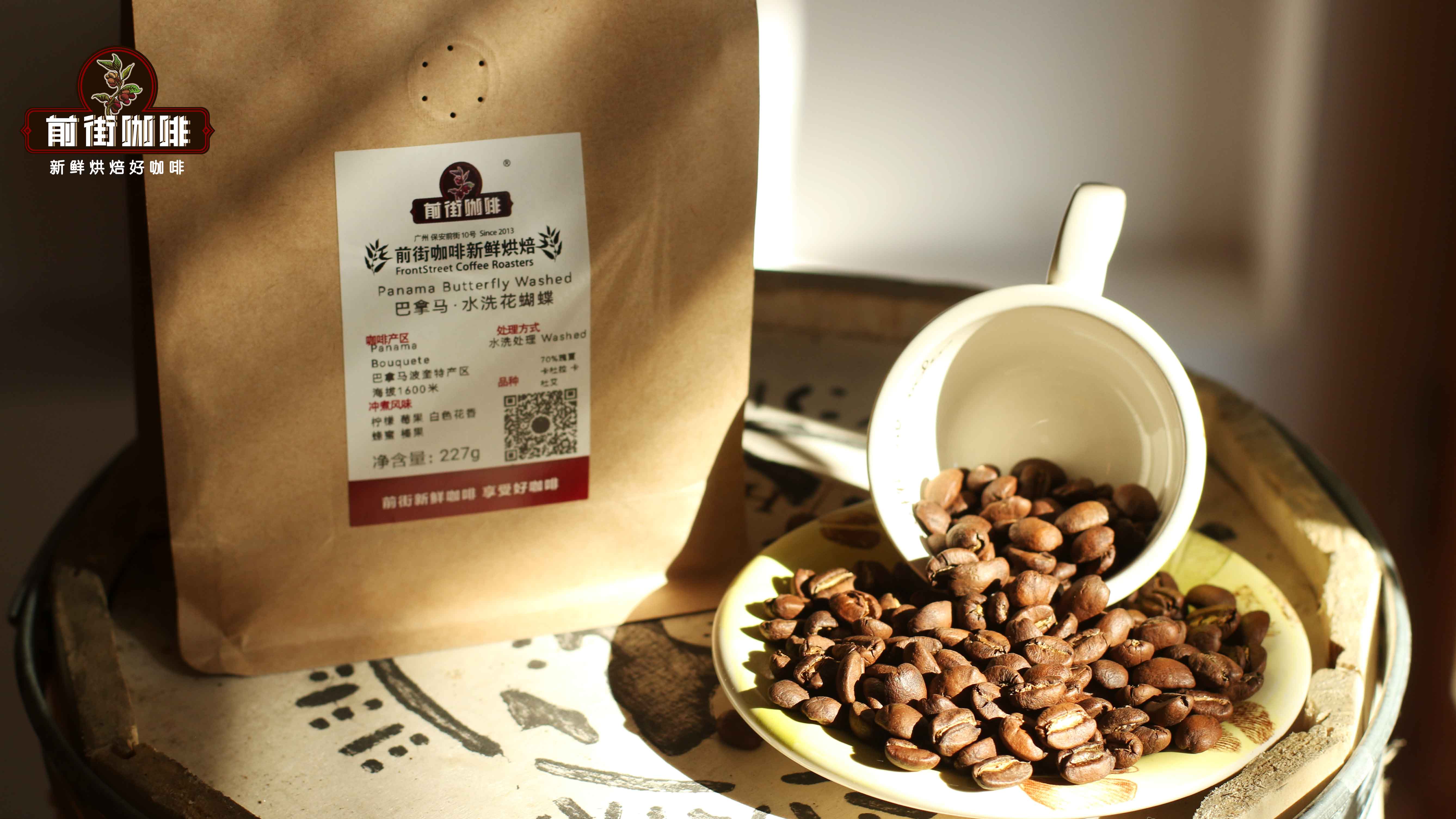
Dark Roast emphasizes the chocolate and caramel aromas resulting from caramelization reactions, with acidity almost entirely transformed and a bold, full-bodied mouthfeel. This type of coffee suits those who prefer strong flavors or milk-based coffee pairings. Commercial blends often use this roast level to create a stable and intense base. It is recommended that beginners start their exploration with light to medium roasts, gradually trying out the differences among various roast styles, ultimately finding the perfect balance that matches their personal taste preferences.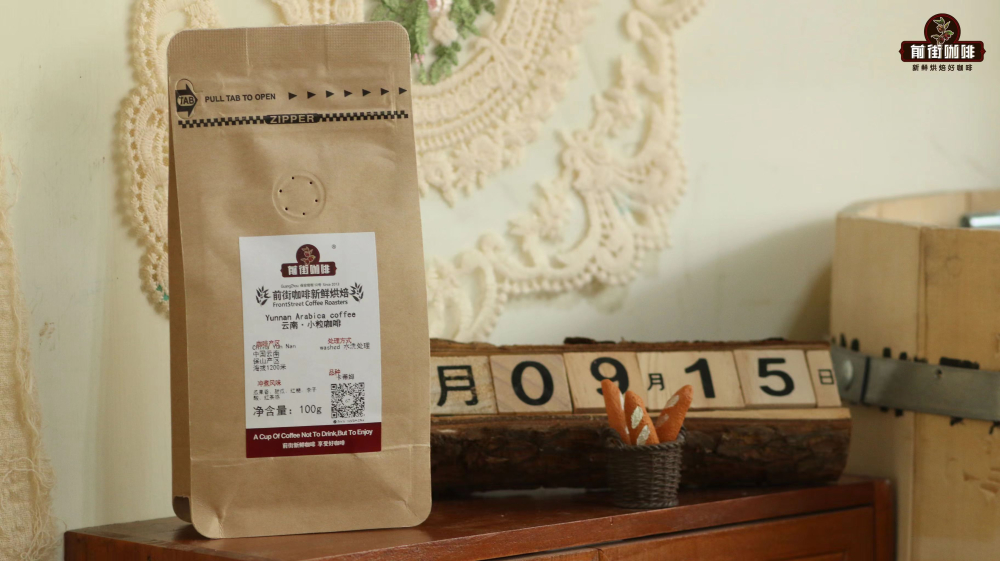

The above content is compiled by CoffeeHunters, a coffee news website.

