







Introduction:For coffee beginners, understanding the relationship between roast levels and flavor is key to getting started. This article provides an easy-to-understand analysis of the differences between light roast and medium-light roast, explains how Maillard reaction and caramelization affect aroma and taste, and features 8 medium-light roasted coffee beans highly praised by pour over enthusiasts. It also includes practical flavor descriptions and brewing suggestions to help you find your ideal bean.
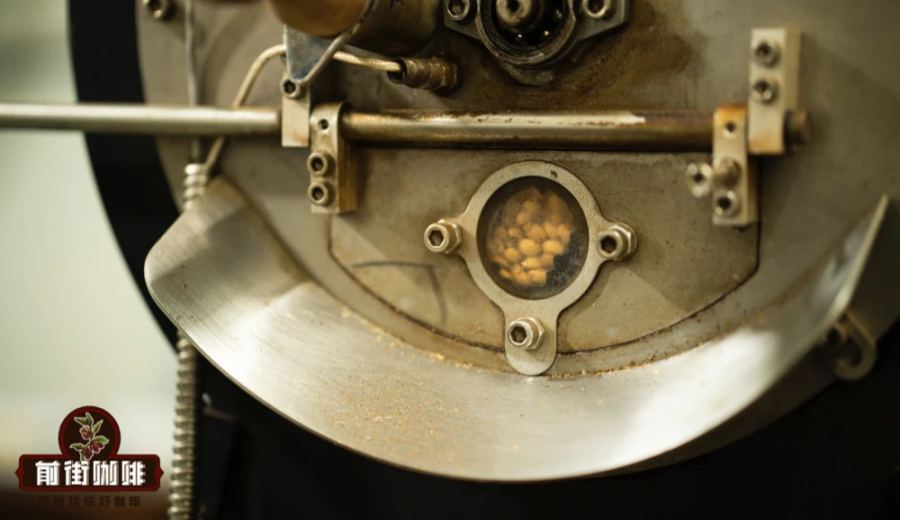
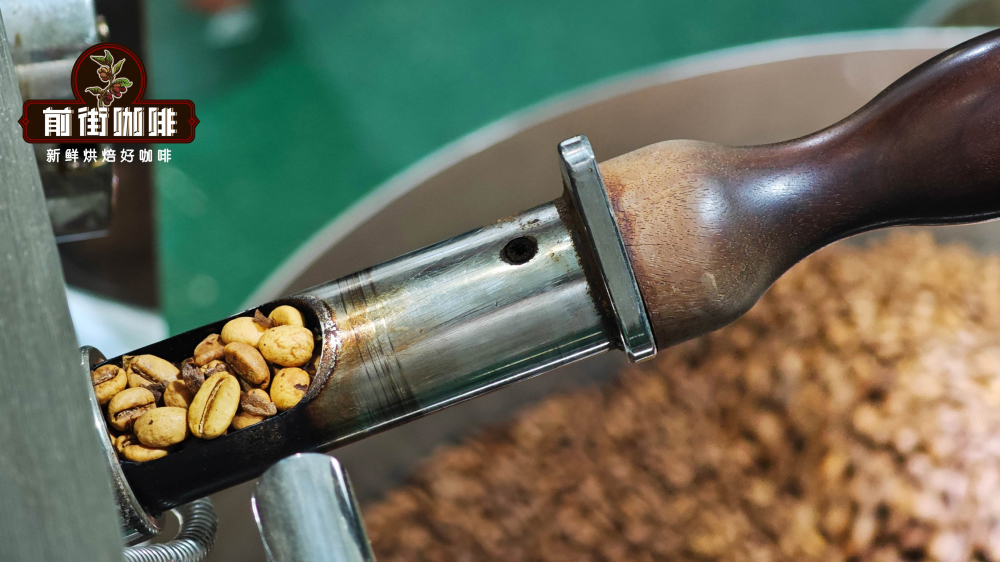
The charm of coffee truly begins when the green beans enter the roasting stage. Depending on variations in heat intensity and roasting duration, roast levels can generally be divided into several categories: light roast, medium-light roast, medium roast, medium-dark roast, and dark roast. Although there is no strictly unified industry definition for each roast level, consumers can still easily distinguish the unique flavors brought by different roast levels through smell and taste.
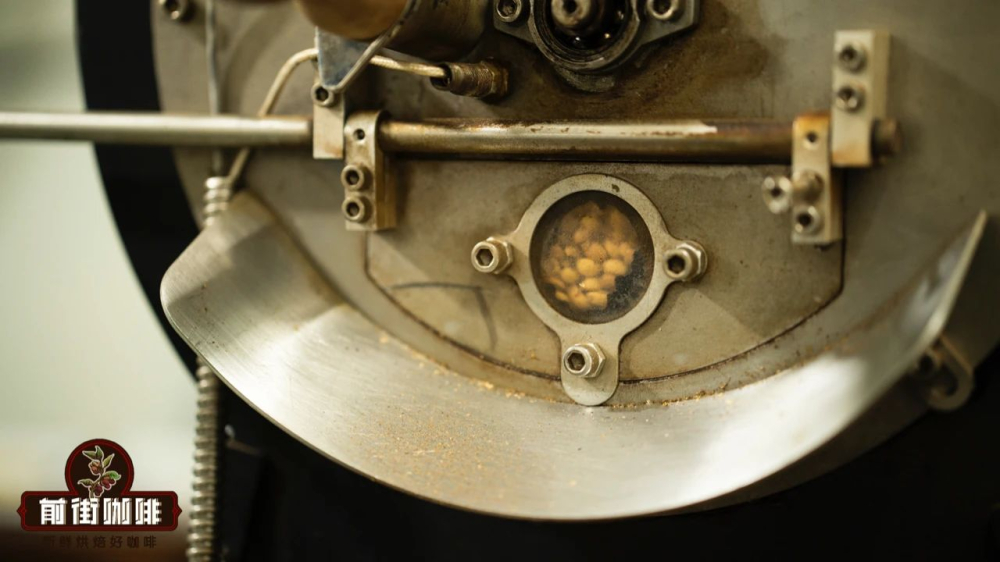
The aroma and color of coffee primarily come from two key chemical reactions during roasting—the Maillard reaction and caramelization. These reactions not only affect the depth of the beans’ color but also directly influence the balance of the three fundamental flavors: acidity, sweetness, and bitterness. Generally speaking, the longer the roast time, the more the acidity is neutralized, while bitterness relatively increases. Therefore, dark roast coffee often exhibits intense, burnt bitterness.
If you prefer a clean and non-bitter taste, it’s recommended to prioritize medium-light or lighter roasted beans. These types of coffee, being exposed to heat for a shorter period, retain more of their origin flavors, often characterized by distinct fruit acidity, floral notes, and layered sweetness. They are particularly well-suited for gentle extraction methods such as pour over and cold brew, showcasing the beans' most original flavor profiles.
Among the medium-light roast pour over beans that are widely acclaimed in the market, there are several options that are highly regarded both for their flavor performance and consistency—making them perfect for beginners or those seeking everyday drinking beans.
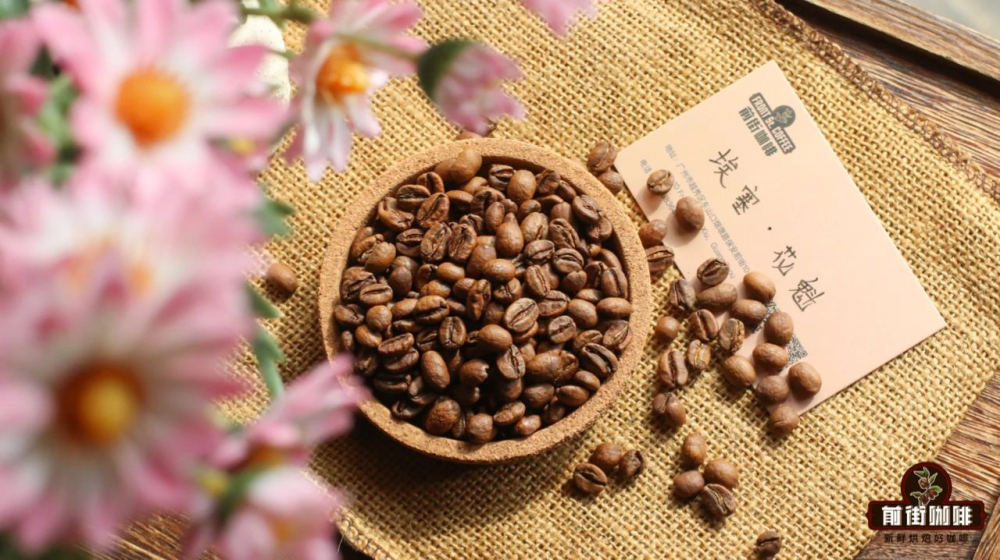
First up is the Ethiopian Huila Flower Queen, a classic representative of medium-light roast. This bean is known for its delicate pink floral notes and creamy strawberry tones. Not only is the aroma delightful, but the taste is also quite round and smooth. Whether brewed as pour over, cold brew, or even as a drip bag coffee, it offers a gentle and layered drinking experience.It is recommended to use a medium-fine grind, with water temperature controlled at 90-92°C, and employ a middle-stage pouring method to fully bring out the floral and fruity aromas.
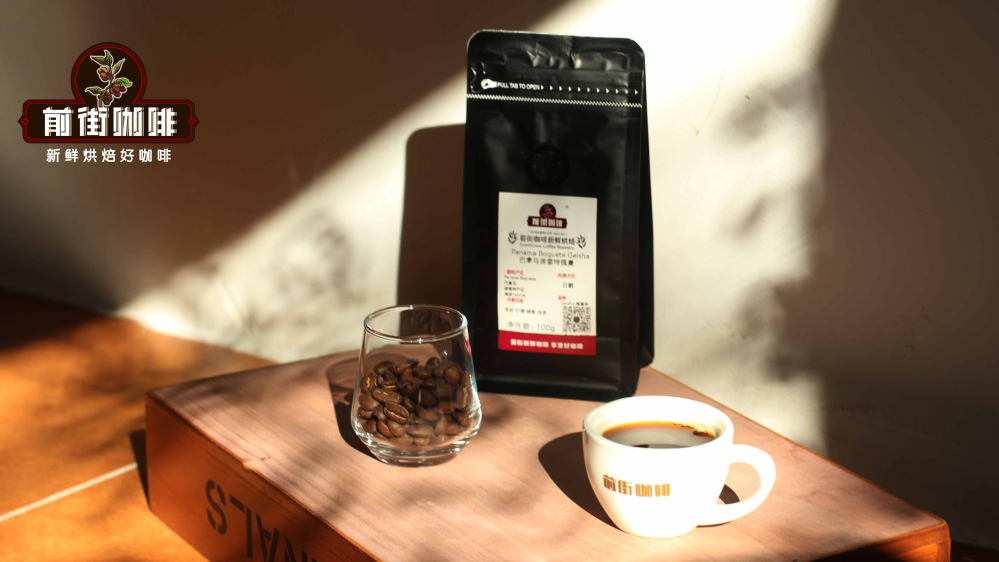
Another highly acclaimed option is the Panamanian Boquete Gesha, also processed with a medium-light roast. The Gesha variety is famed for its extreme floral and fruity aromas, and the beans from the Boquete region are particularly consistent and outstanding in quality. Under light roast conditions, this bean releases jasmine, honeydew, citrus, and subtle Tieguanyin tea notes, with a distinctly layered and unforgettable flavor profile.It is suitable for a fine grind and slightly lower water temperature (around 88-90°C), using a gentle pour over extraction method to maximize its delicate aromas.
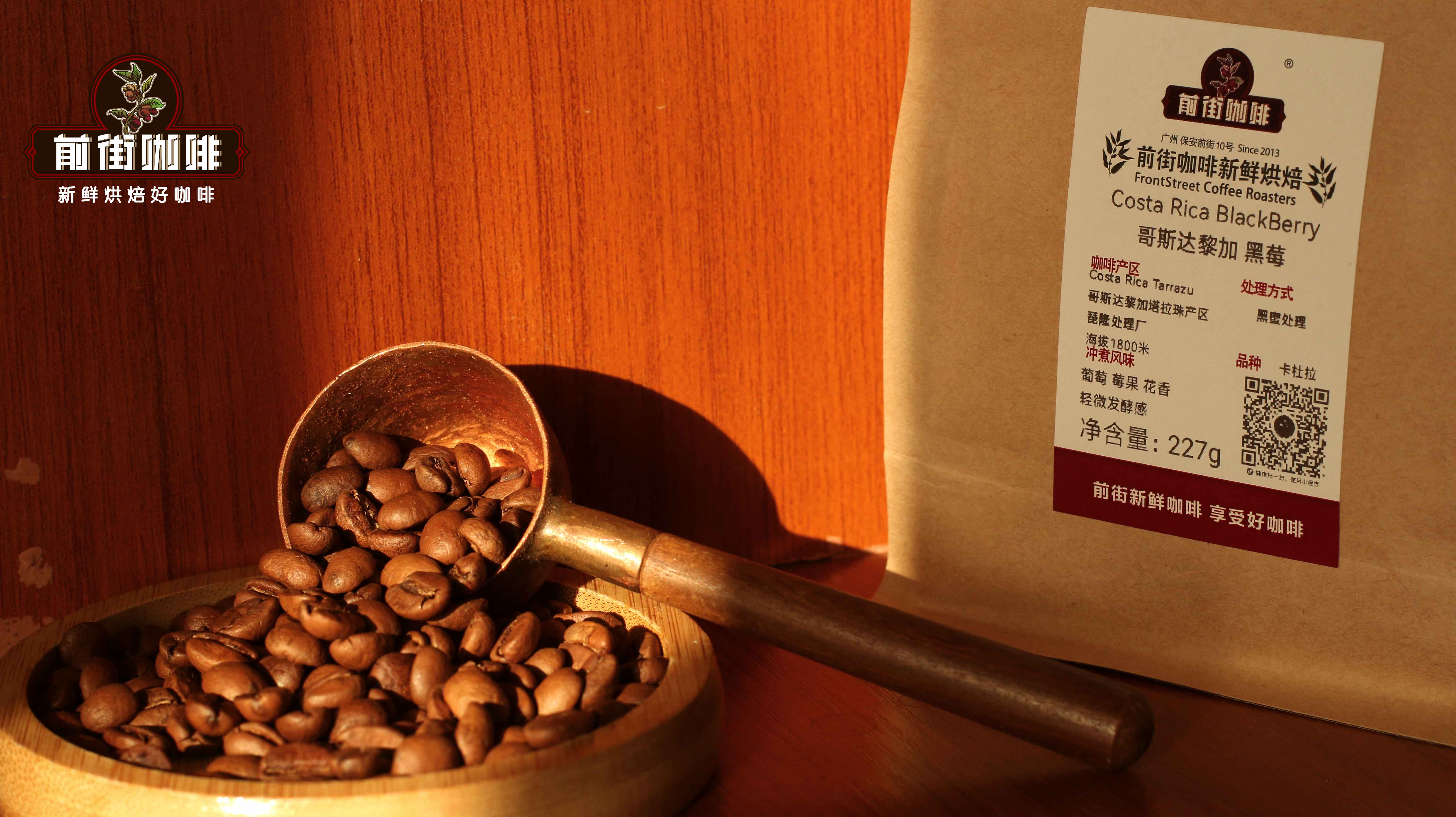
Costa Rica Blackberry is also one of the popular choices among medium-light roast beans. The country is known for its honey processing method, and the black honey process retains a rich mucilage layer, giving the coffee intense sweetness and fermentation aromas. After medium-light roasting, this bean showcases strong grape and berry tones, performing well whether brewed via pour over, cold brew, moka pot, or even as an SOE.It is recommended to use a medium-coarse grind and water temperature of 90-93°C to ensure the sweetness and fruitiness are fully released.
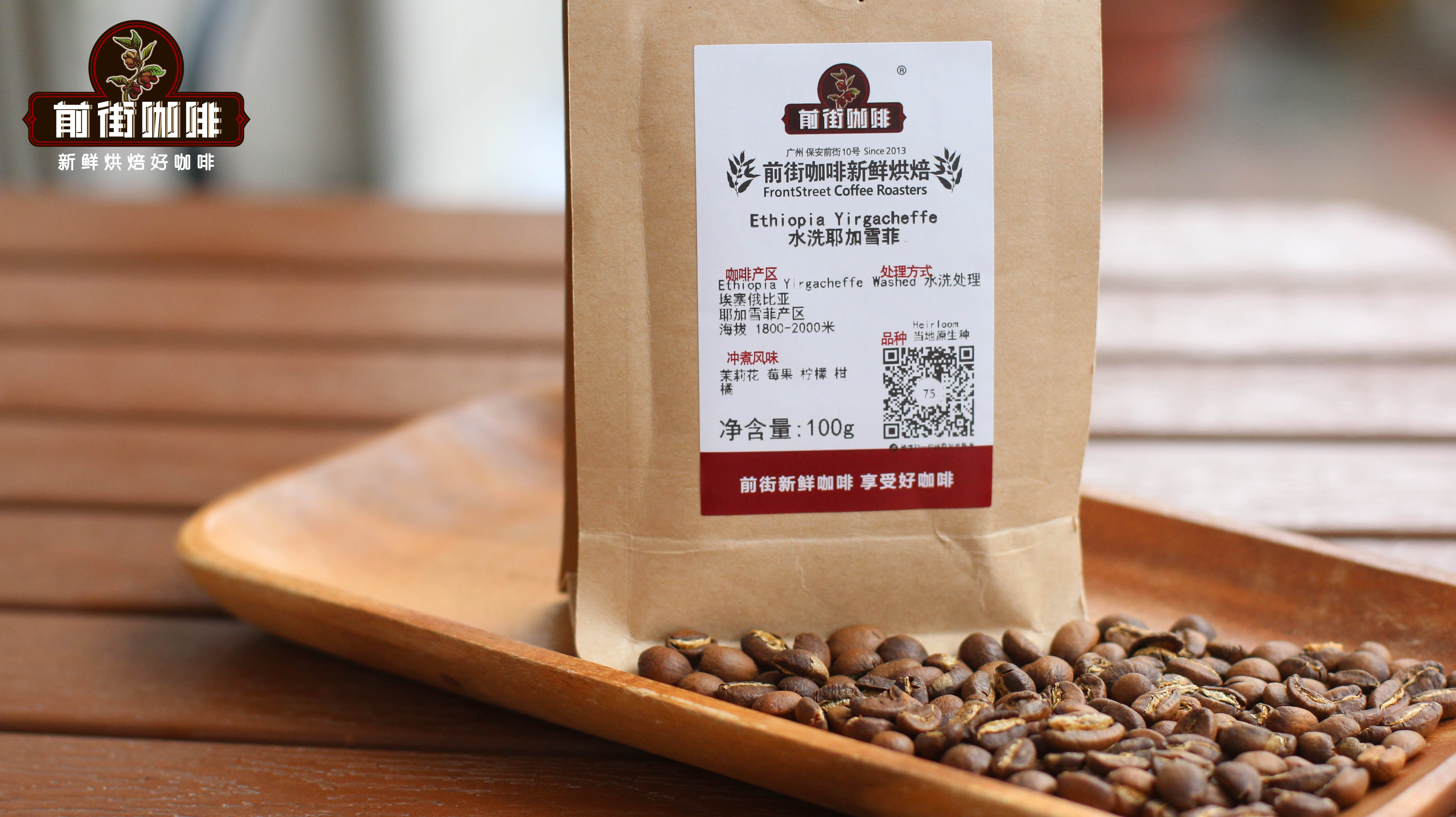
Ethiopian washed Yirgacheffe represents the classic flavor profile of African beans, highlighted by clean white floral notes and bright citrus acidity. The taste is soft without excessive bitterness, making it ideal for those who enjoy a refreshing, acidic aroma. Whether brewed as pour over or prepared as drip bags, it easily highlights the layered fruit acidity and aroma.It is recommended to use a slightly lower water temperature (around 88-90°C) along with a medium-fine grind to emphasize its bright citrus character.
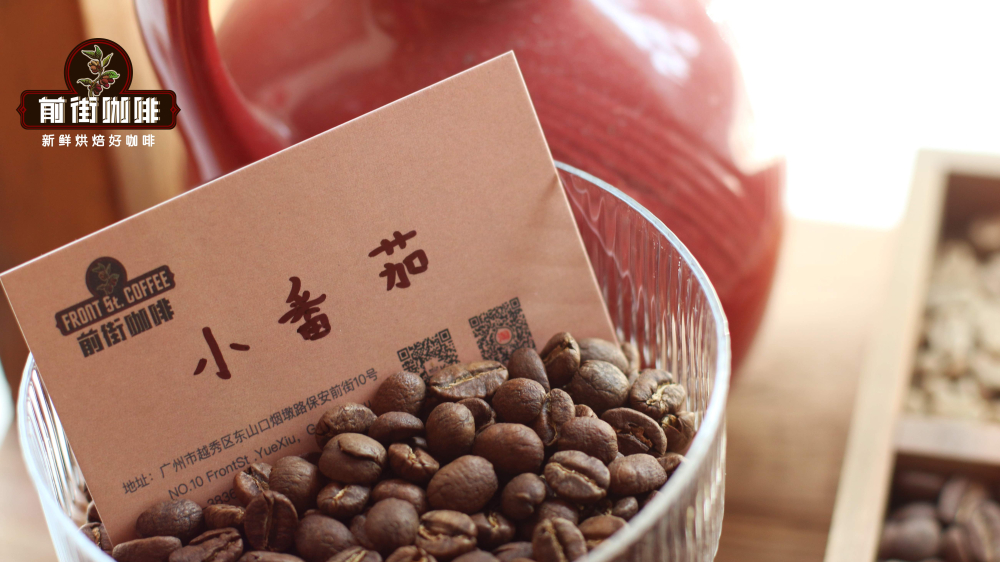
Kenya Little Tomato is a medium-light roast bean known for its intense berry acidity, with standout notes of cherry tomato and black plum, coupled with a juice-like freshness. It performs excellently whether hot brewed or served cold.It is recommended to use a medium-fine grind with water temperature controlled at 90-92°C to highlight its rich fruit acidity and complex layers.
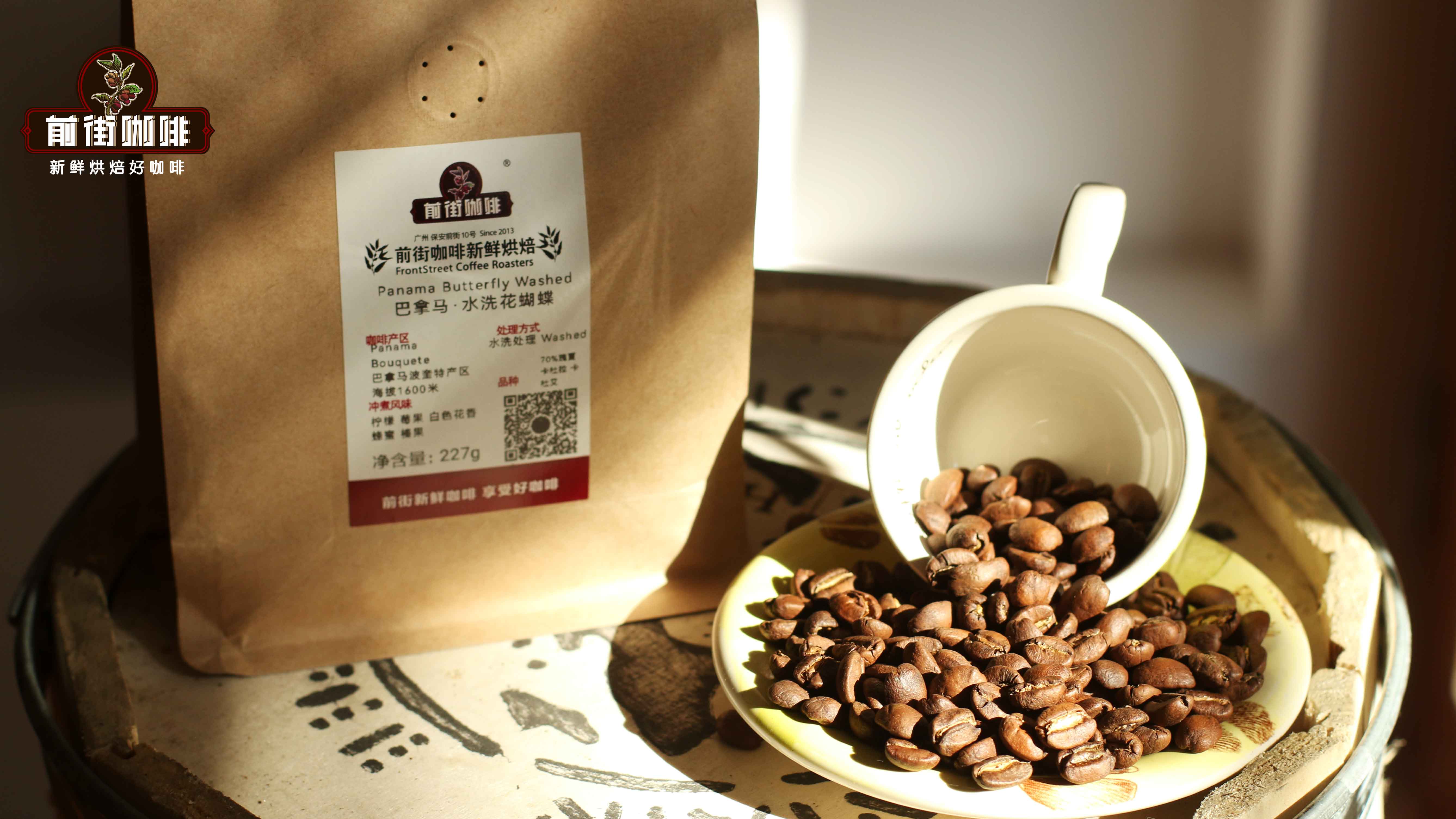
Also from Panama, the Geisha-flavored Flower Butterfly is a classic bean that blends subtle floral notes with bergamot freshness, and a light tea-like finish. It is very suitable for gentle presentation via pour over or cold brew.It is suitable for a medium-fine grind with water temperature around 89-91°C to fully showcase its elegant balance of citrus and floral notes.
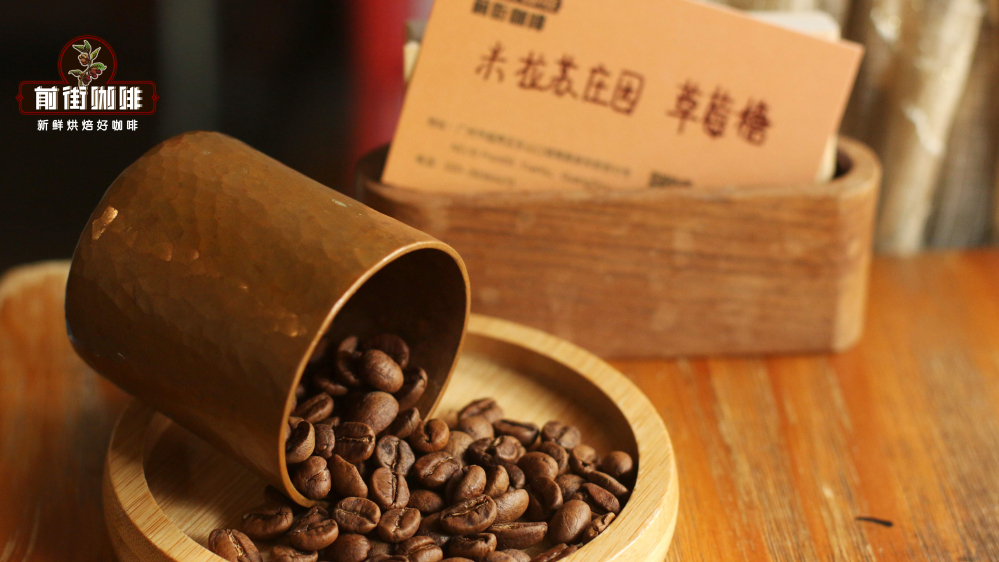
Strawberry Candy is an exceptionally distinctive medium-light roast bean that combines the fruit sweetness of honey processing with the elegant floral notes of Gesha, plus a moderate level of fermentation. Its overall flavor is as enticing as savoring a strawberry candy. It is versatile and works well with pour over, cold brew, moka pot, and even home coffee machines.It is recommended to use a medium-coarse to medium-fine grind, with water temperature at 90-92°C, and adjust parameters slightly according to the brewing method.
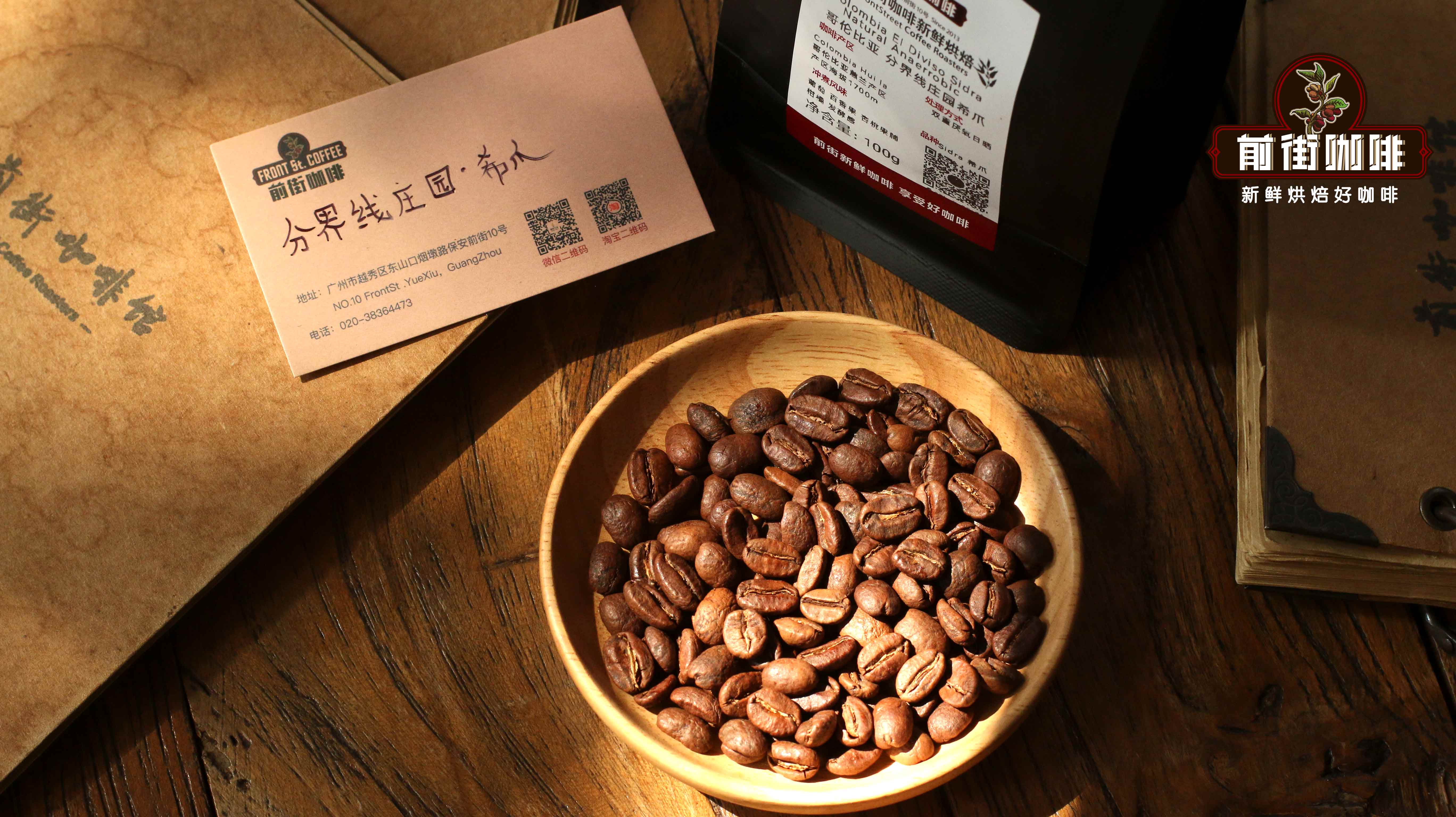
Finally, the Colombian Sidra variety has been frequently featured in international coffee competitions in recent years and is an emerging variety that has garnered much attention. This bean is known for its complex aromas of passionfruit, grape, blueberry, and dried fruits, and is suitable for various brewing methods including pour over, cold brew, clever dripper, moka pot, and SOE applications—all of which can highlight its unique fruity layers.It is recommended to use a medium-fine grind with water temperature controlled at 90-93°C to fully bring out its rich tropical fruit characteristics.
The above content is compiled by CoffeeHunters, a coffee news website.

