







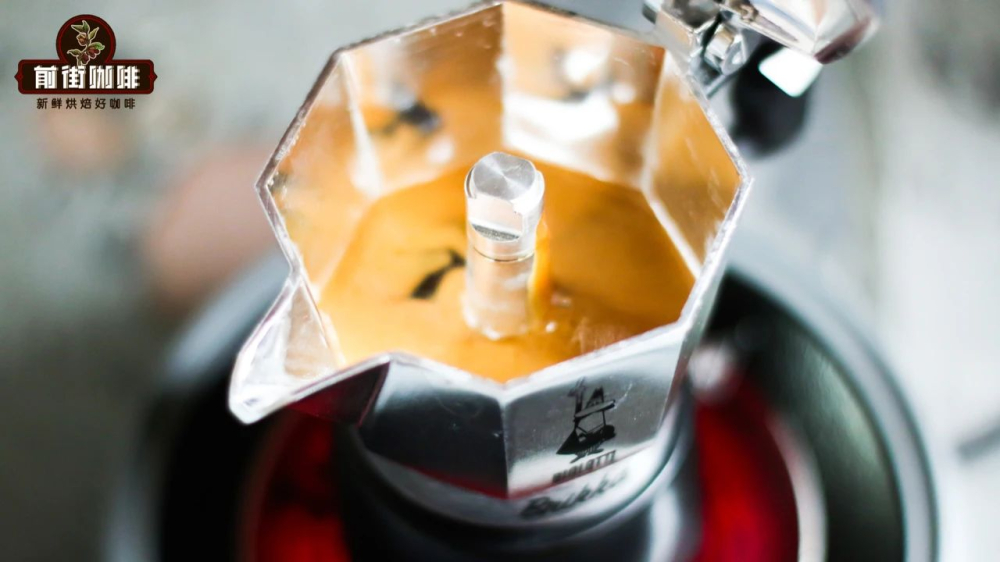
Introduction:When using a Moka pot to make espresso, choosing the right coffee beans is key. This article delves into the types of coffee beans suitable for the Moka pot, exploring the flavor differences from light to dark roasts, the impact of freshly roasted beans on crema and overall taste, and recommends several practical bean options to help you quickly master the essence of Moka pot extraction.
Many coffee enthusiasts who are new to the Moka pot often gradually figure out the best combination for their taste through experimenting with different coffee beans. Although many factors affect the outcome of espresso extraction—including grind size, extraction time, water temperature, and pressure—the quality and freshness of the coffee beans themselves are often the core determinants of whether a cup of coffee tastes great.
So, for those of you using a Moka pot or a home espresso machine, how exactly should you choose the right coffee beans? This article will provide a detailed analysis from the perspectives of roast level, bean variety, and freshness, and includes useful visual references to help you understand more intuitively.
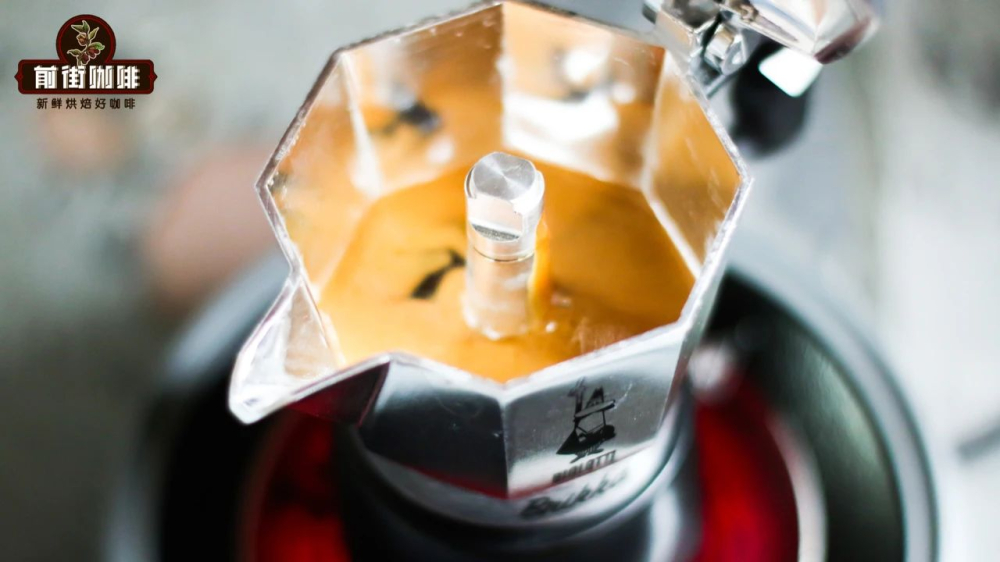
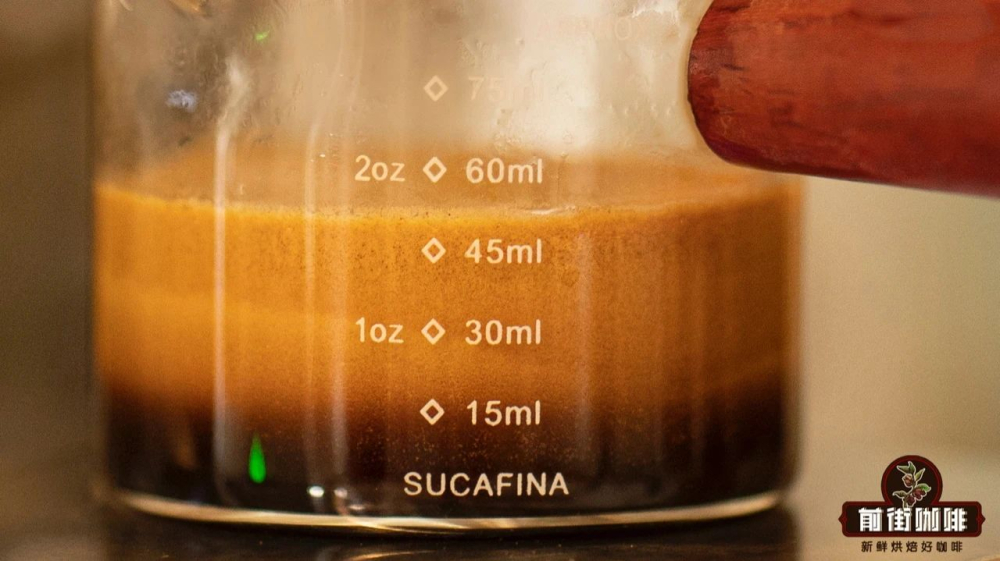
First, whether you’re using a traditional espresso machine or a Moka pot, the espresso you extract should have a fine layer of oils on top—what we call crema. This layer of crema is not only visually appealing but also plays an important role in influencing taste and aroma. The formation of crema mainly comes from the carbon dioxide released during the roasting process of the coffee beans, as well as a small amount of emulsified oils.
Therefore, it’s recommended to use coffee beans that are a few days to a few weeks post-roast, and to avoid using old beans that have been stored for months.Over time, the internal carbon dioxide in coffee beans gradually dissipates, and when you grind them, the volatile compounds originally sealed inside the beans are also rapidly released, resulting in a significant reduction in flavor during the final extraction. In addition, oxidation reactions accelerate, further affecting the coffee's aroma and taste.
To achieve the best extraction results,be sure to use freshly roasted coffee beans and grind and brew them as close to the time of grinding as possible. Only in this way can you fully preserve the original aroma of the coffee and the rich texture of the crema.
When selecting coffee beans suitable for the Moka pot, you might consider blends or single-origin coffees (SOE). Blends are typically made from coffee beans sourced from two or more regions, with the goal of balancing flavors by complementing the characteristics of different beans. For example, some beans may be overly acidic, while others may be too bitter—through proper blending, a smoother and richer taste can be achieved.
Generally speaking,for making espresso or using a Moka pot, it is recommended to choose medium-dark roasted blends, as these can bring out a richer aroma and more pronounced crema.
Here are two common and practical blend recommendations:
The first is a classic combination of Brazilian and Colombian beans. This blend is based on a medium-dark roast, offering a comfortable balance of sweetness and bitterness, with a smooth mouthfeel. The roasty aroma is noticeable but does not overpower the inherent flavors of the coffee. The Colombian Huila beans contribute moderate acidity and rich sweetness, while the Brazilian Cerrado beans provide a robust, sweet bitterness and silky texture. This blend is suitable for home use or daily extraction in small coffee shops.

The other is a diverse blend composed of Brazilian, Indonesian, and Vietnamese beans, also using a medium-dark roast. The standout feature of this blend is its ability to produce rich and dense crema, with flavor notes often including cream, chocolate, spices, toffee, and almond. It has a smooth and full-bodied taste, making it ideal for those who prefer strong-flavored coffee, and it can also aid in stabilizing latte art practice.
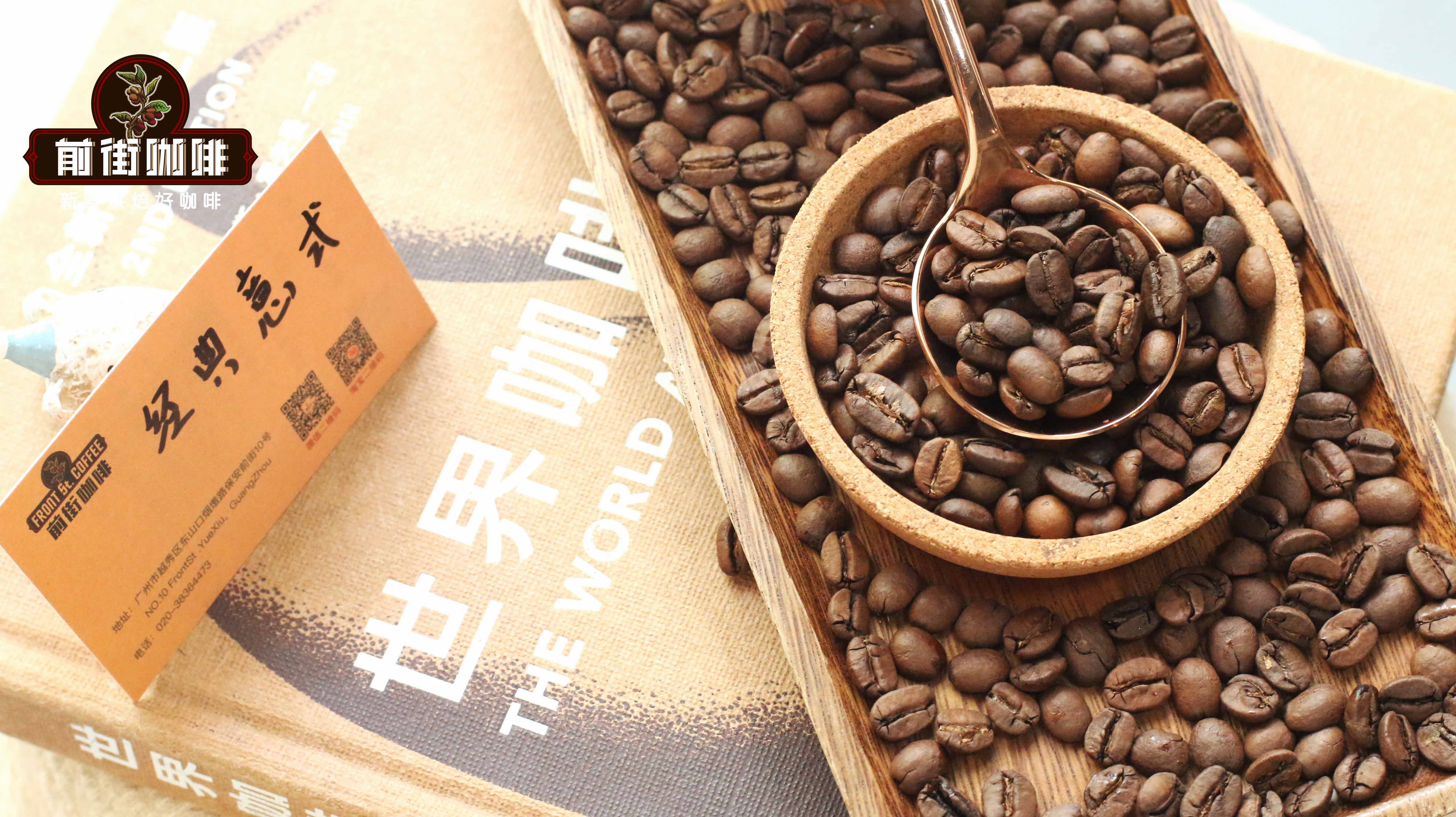
If you prefer a coffee with a brighter, more refreshing flavor and more pronounced acidity, you might also opt for single-origin coffee (SOE). Single-origin coffee typically comes from a single region and can showcase the unique natural flavors of that origin—such as floral, fruity, or honey-like sweetness. When using a Moka pot to extract SOE beans, their subtlety and complexity are highlighted, making it suitable for users who want to explore more flavor possibilities.
Here are two recommended single-origin coffee beans:
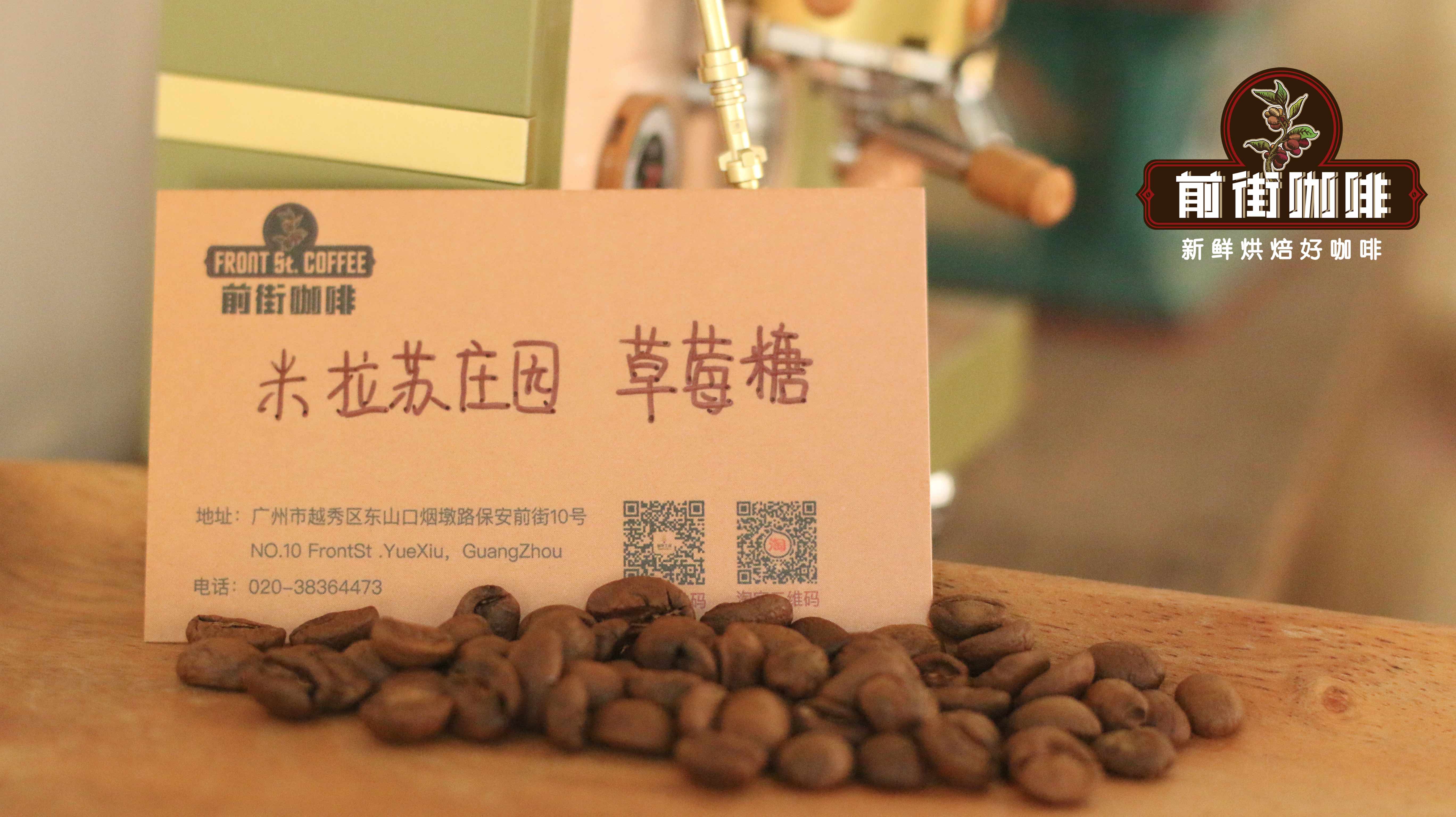
The first is the Strawberry Sugar bean from Costa Rica, processed using the honey method and medium roasted. This bean contains some Gesha variety, which brings a naturally elegant floral aroma. After extraction, it exhibits complex aromas of rose, citrus, strawberry jam, and grape, with prominent sweetness and rich layers—perfect for those who enjoy fruity profiles.
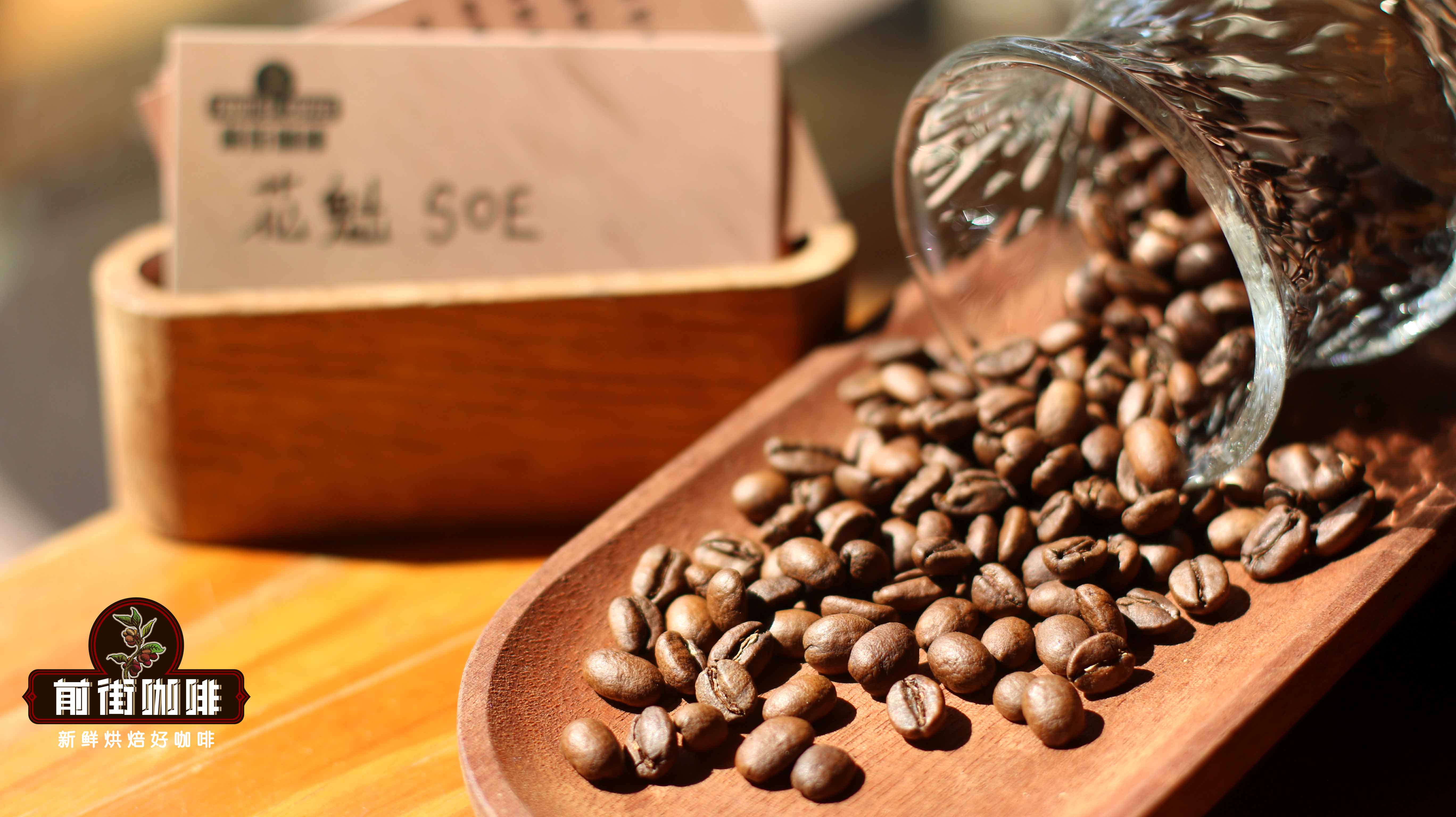
The other is the Ethiopian Huaguang SOE from Ethiopia, a sun-dried single-origin coffee. This bean showcases typical African flavor characteristics, including bright acidity, orange blossom, citrus, honey, and grapefruit aromas. The taste is juicy and vibrant, making it ideal for coffee lovers who want to experience a bright, sweet-and-sour flavor profile.
The above content is compiled by CoffeeHunters, a coffee news website.

