








Introduction:When brewing coffee with a moka pot, in addition to technique, choosing the right coffee beans is key. This article delves into the ideal roast levels for moka pot brewing, exploring the differences and impacts from light to dark roasts, and recommends various bean options based on flavor profiles, including suggestions for selecting blends and single-origin beans. It also reminds you to pay attention to bean freshness and brand selection, helping you brew rich, balanced, and layered coffee with your moka pot.
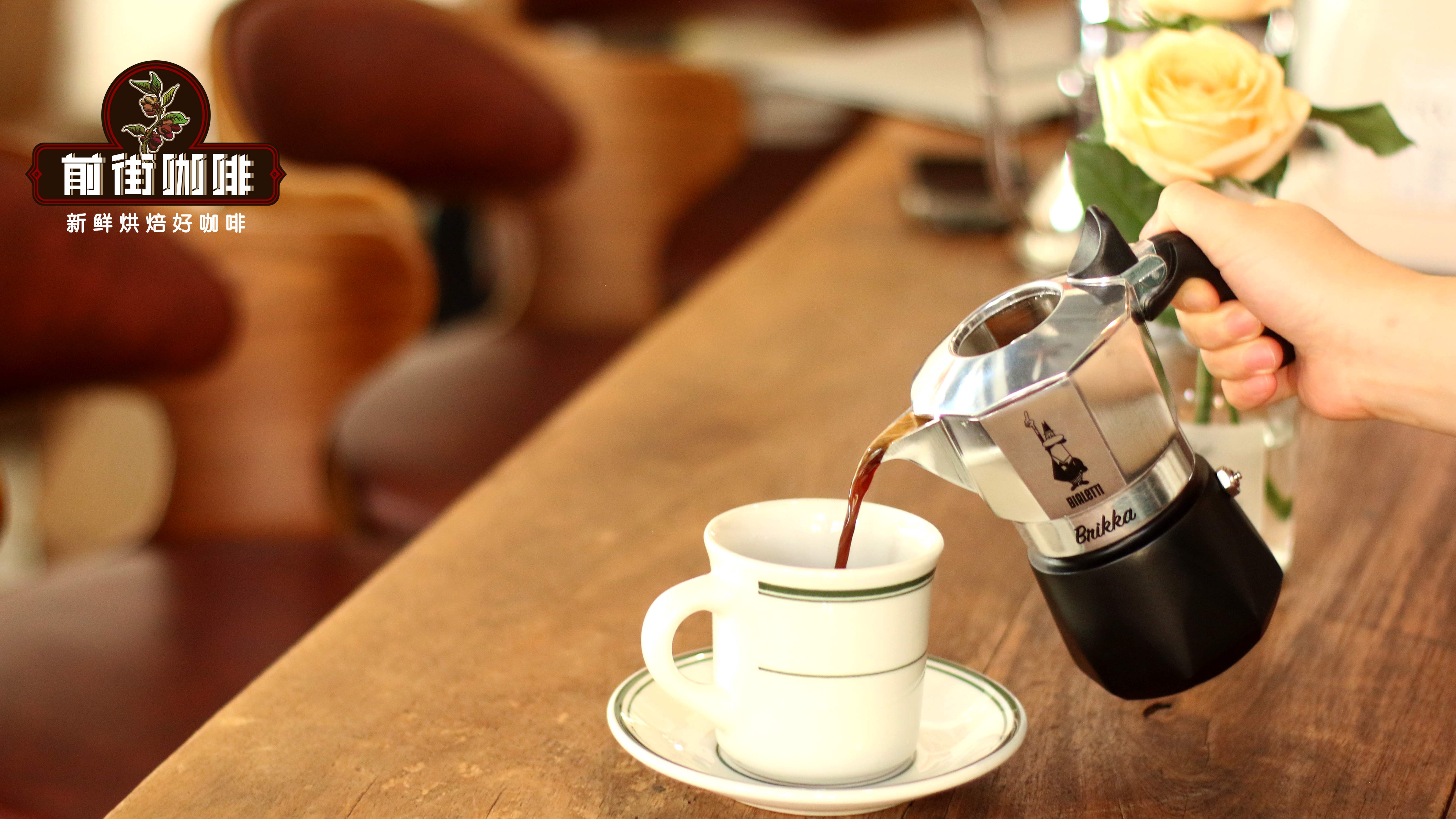
The moka pot was invented in 1933 by designer Luigi di Ponti, inspired by the heating principle of early washing machines. As water is heated, it turns into steam, which then pressurizes and pushes the hot water upward through the coffee grounds for high-pressure extraction. Although the design is simple, many people overlook the importance of coffee bean selection when using a moka pot, especially when it comes to pairing roast levels with bean types, where mistakes are often made.
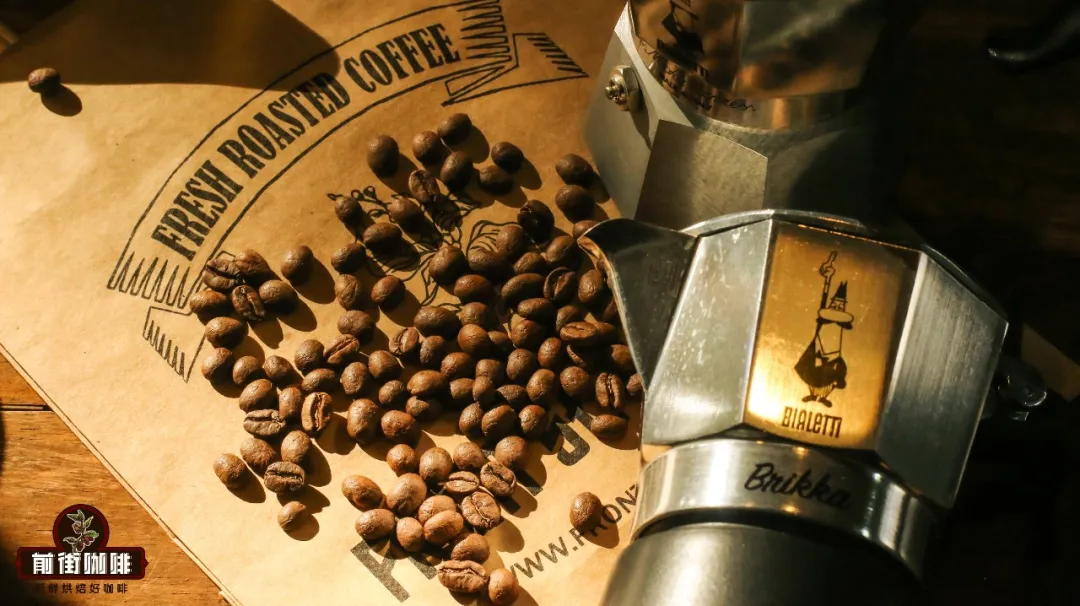
When using a moka pot, it is recommended to choosemedium or darker roastedcoffee beans. Since the grind size for moka pot brewing is finer, combined with the high water temperature and pressure, using light roast beans can easily release too many acidic compounds, resulting in an overly sour and sharp taste. On the other hand, dark roast beans can be over-extracted, producing bitter and heavy flavors. Therefore, selectingmedium or medium-dark roastcoffee beans can achieve a balance between complexity and body while also enhancing the richness of the coffee oils, improving the overall drinking experience.
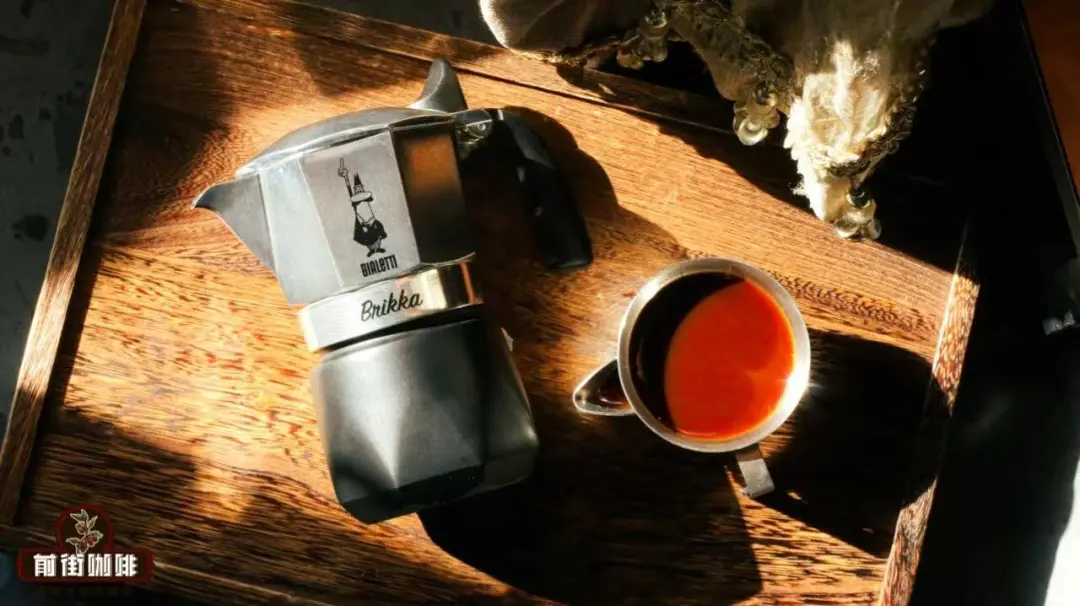
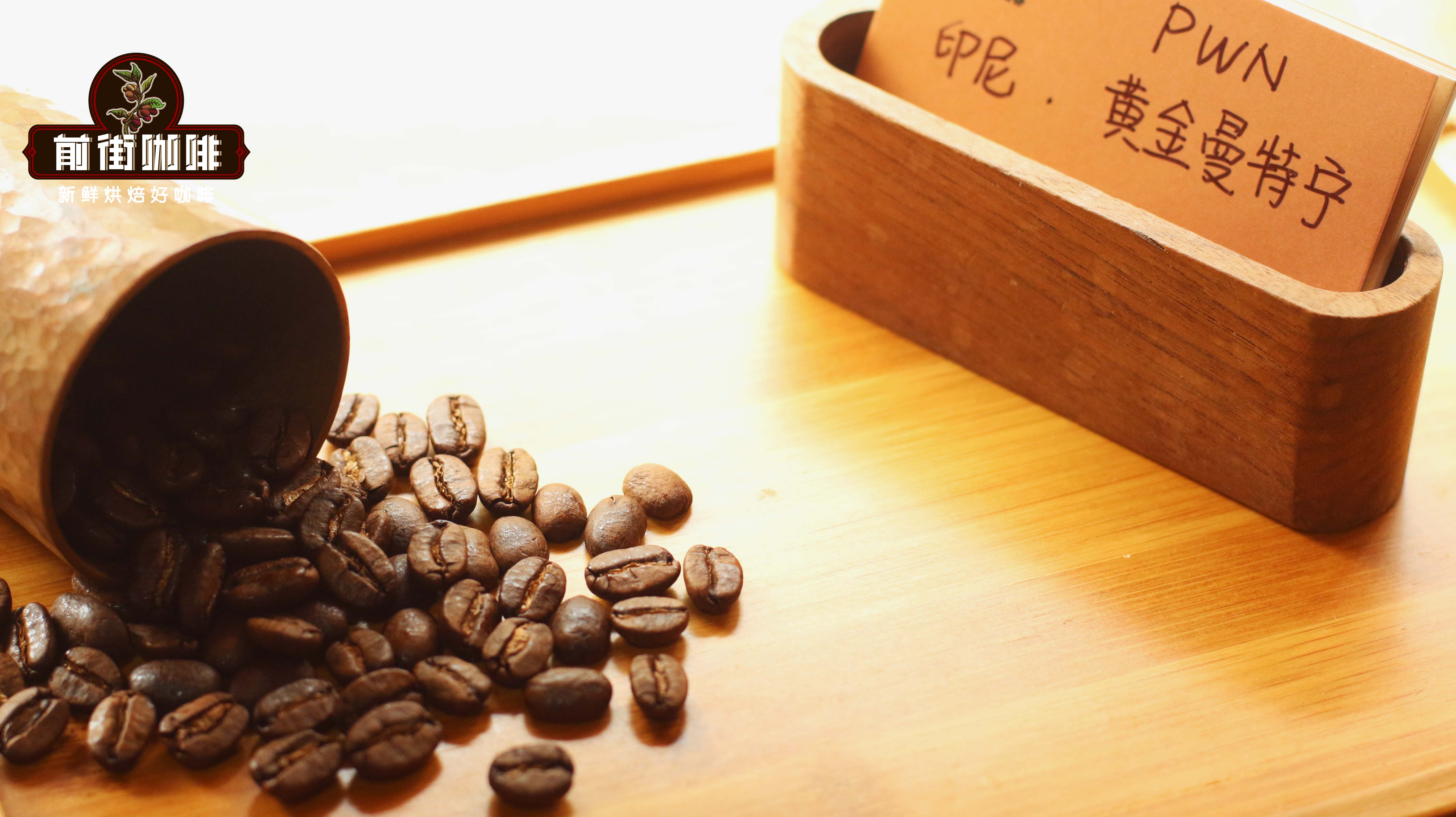
For example,classic blendsare particularly well-suited for moka pot brewing. Their recipes typically combine beans from different regions, such as Brazil, Indonesia, and Vietnam, showcasing a rich and full-bodied base flavor with natural oils, making them ideal for preparing lattes or Americanos, with a smoother flavor profile. For those who preferspicy and herbal notes, medium-dark roasted Indonesian Golden Mandheling is a great choice. Grown in the highlands of Sumatra, it features distinct herbal, earthy, and spicy aromas, with a thick yet clean mouthfeel that highlights the pressure extraction characteristics of the moka pot.
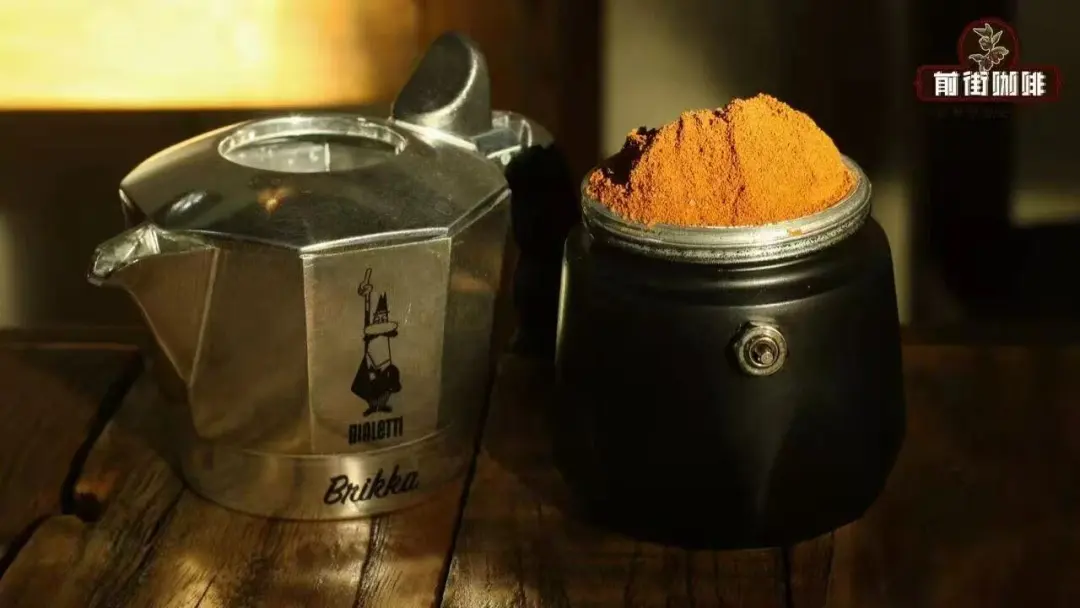
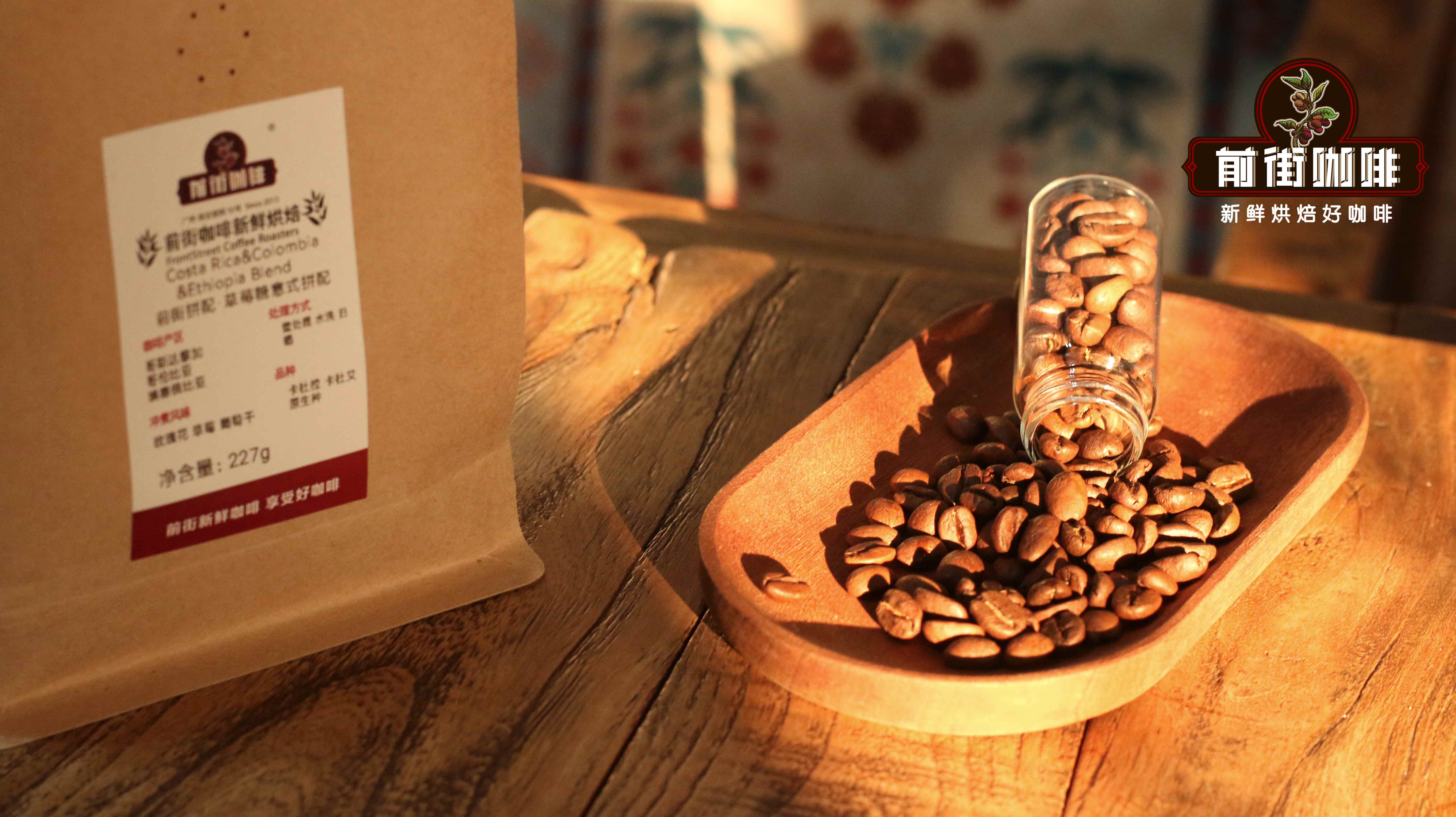
If you prefer coffee with floral and fruity notes, it is recommended to selectmedium-roasted blends, such as those combining Costa Rican honey-processed beans, Ethiopian natural beans, and Colombian beans. These can offer flavors like strawberry, rose, blueberry, along with nutty and chocolate undertones, achieving a balanced acidity and sweetness, with an almond-like aftertaste. Moka pots excel at highlighting these subtle layers of fruity aroma.
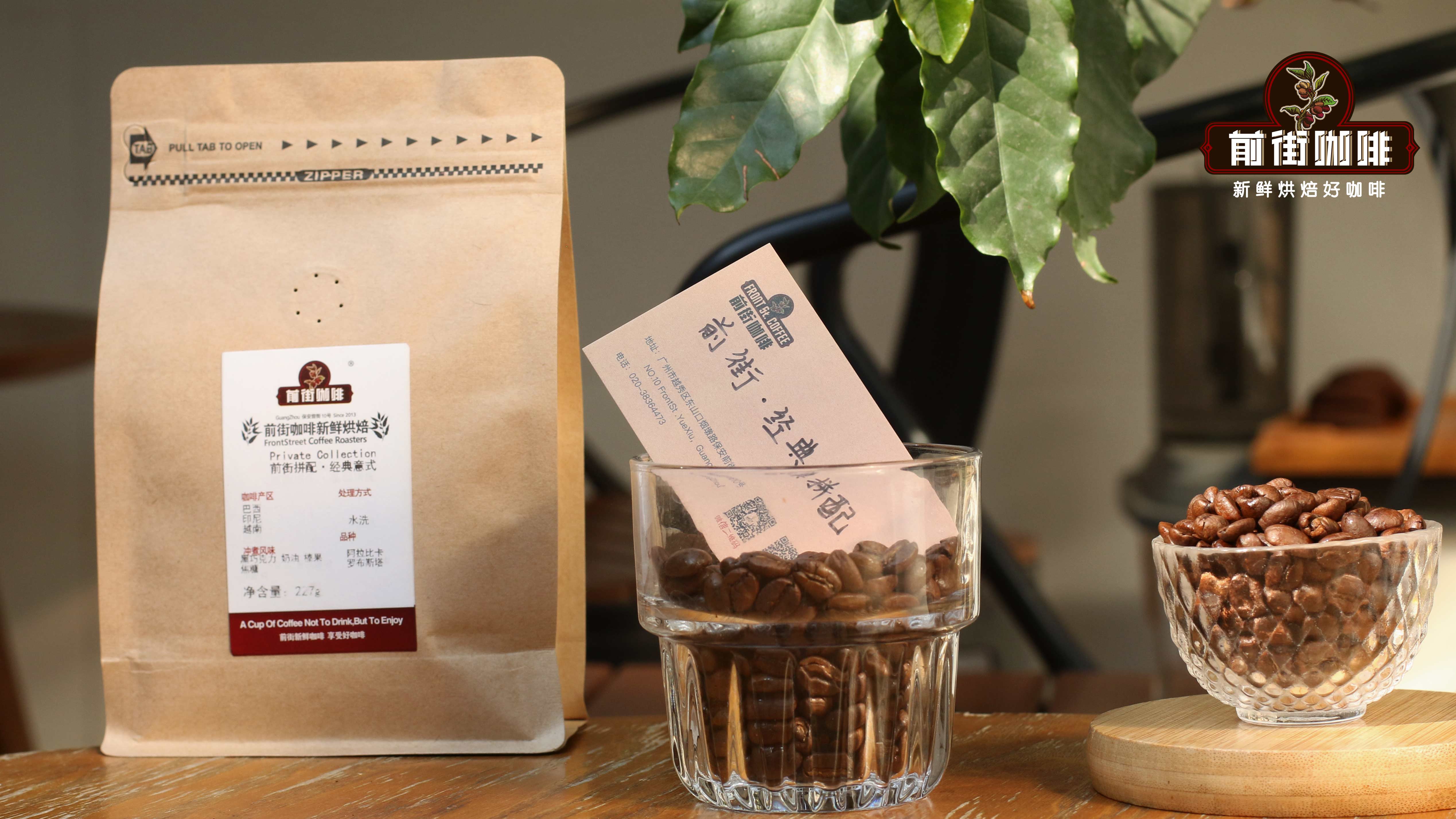
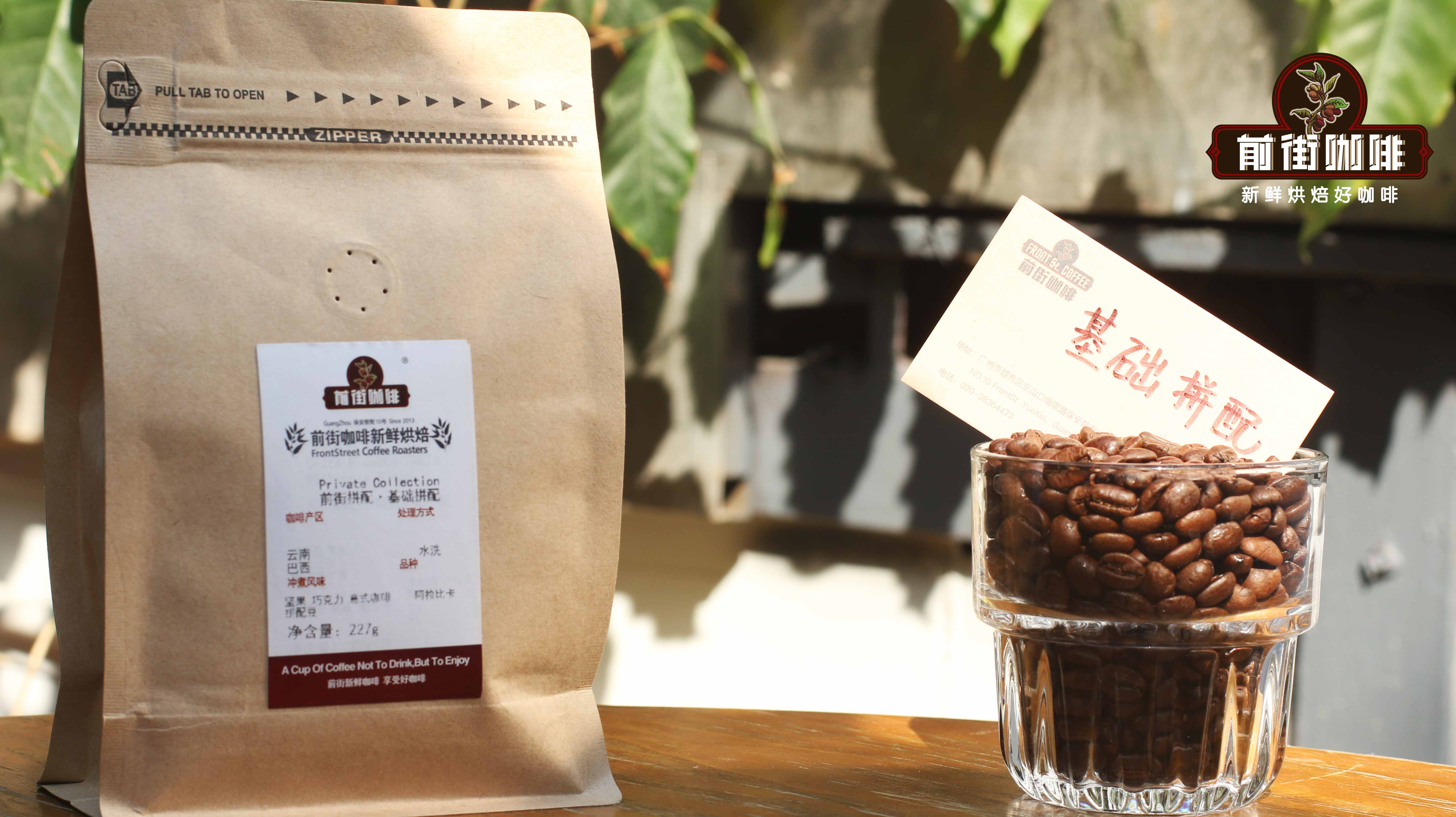
For users on a budget who still want to maintain good daily extraction quality,medium-dark roasted coffee blendsare an excellent option. Blends based on Yunnan washed beans and Brazilian semi-washed beans typically deliver soft fruit acidity, caramel sweetness, and nutty notes. They offer great value for money, are suitable for frequent use or home brewing, and can still showcase stable and smooth coffee flavors through a moka pot.
In addition to roast level and bean type,coffee bean freshnessis also a crucial factor affecting the performance of moka pot brewing. After roasting, coffee beans go through a degassing period before reaching their peak flavor. It is recommended to choose beans with aroast date within 10 days, as they not only retain more aroma but also allow for the extraction of richer oils and more nuanced flavors. Using coffee beans older than 50 days may result in a dull, overly bitter taste, failing to deliver the richness and complexity that a moka pot can achieve.
Finally, it is advisable to choose beans fromreputable brands with consistent reviews, ensuring bean quality and freshness. Brands that offer stable roasting, clearly indicate roast dates, and provide a diverse range of flavor options can help you find the moka pot coffee beans that suit your taste—whether you're a beginner or a more experienced coffee enthusiast, you’ll be able to brew satisfying coffee with ease.
The above content is compiled by CoffeeHunters, a coffee news website.

