







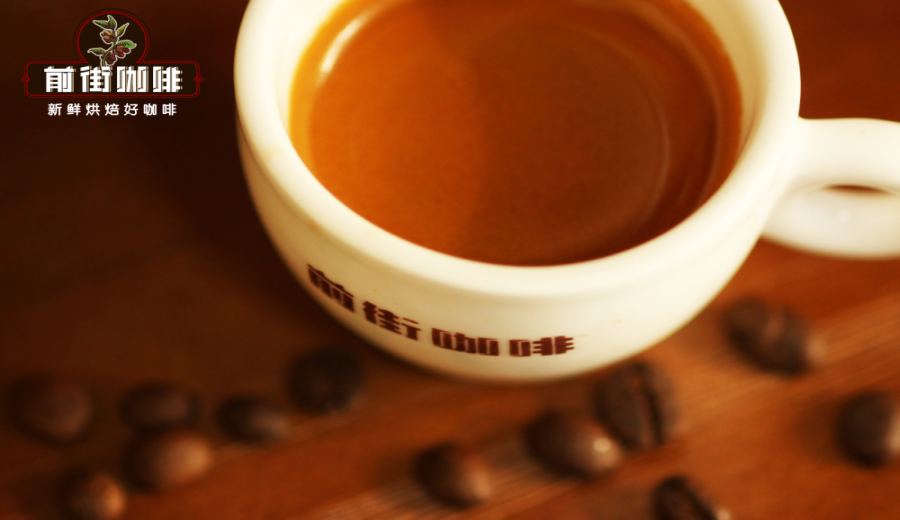
Introduction:SOE (Single Origin Espresso) refers to espresso made from single-origin coffee beans, showcasing the unique flavor characteristics of that particular growing region. This article delves into the origins, features, and selection tips for SOE, and introduces three representative types of SOE coffee beans—including bright fruity acidity, fermented wine-like notes, and rich bitter profiles—to help readers find their ideal SOE based on taste preferences. It also provides key considerations for roasting and brewing, making it a practical guide for both beginners and coffee enthusiasts.
When ordering at a coffee shop, you might have heard a barista ask, “Would you like to try our SOE?” Here, SOE stands for Single Origin Espresso—espresso made using beans from a single origin. Compared to common blended espresso beans (House Blend Espresso), SOE emphasizes highlighting the distinctive flavors of a specific region. For instance, some SOEs may exhibit pronounced floral and fruity aromas, while others offer rich notes of nuts and chocolate.

The emergence of SOE was mainly to distinguish it from blended beans. Blended beans typically mix coffee beans from different origins and with varying flavor profiles, carefully crafted by professional roasters to achieve a balanced and complex espresso. In contrast, SOE uses beans from a single origin, and through roasting and brewing methods tailored to that region’s characteristics, the terroir’s distinctiveness is made more pronounced. For example, some SOEs can showcase floral and fruity notes akin to those of Yirgacheffe, or the nutty and chocolatey sweetness of Colombian Huila beans.
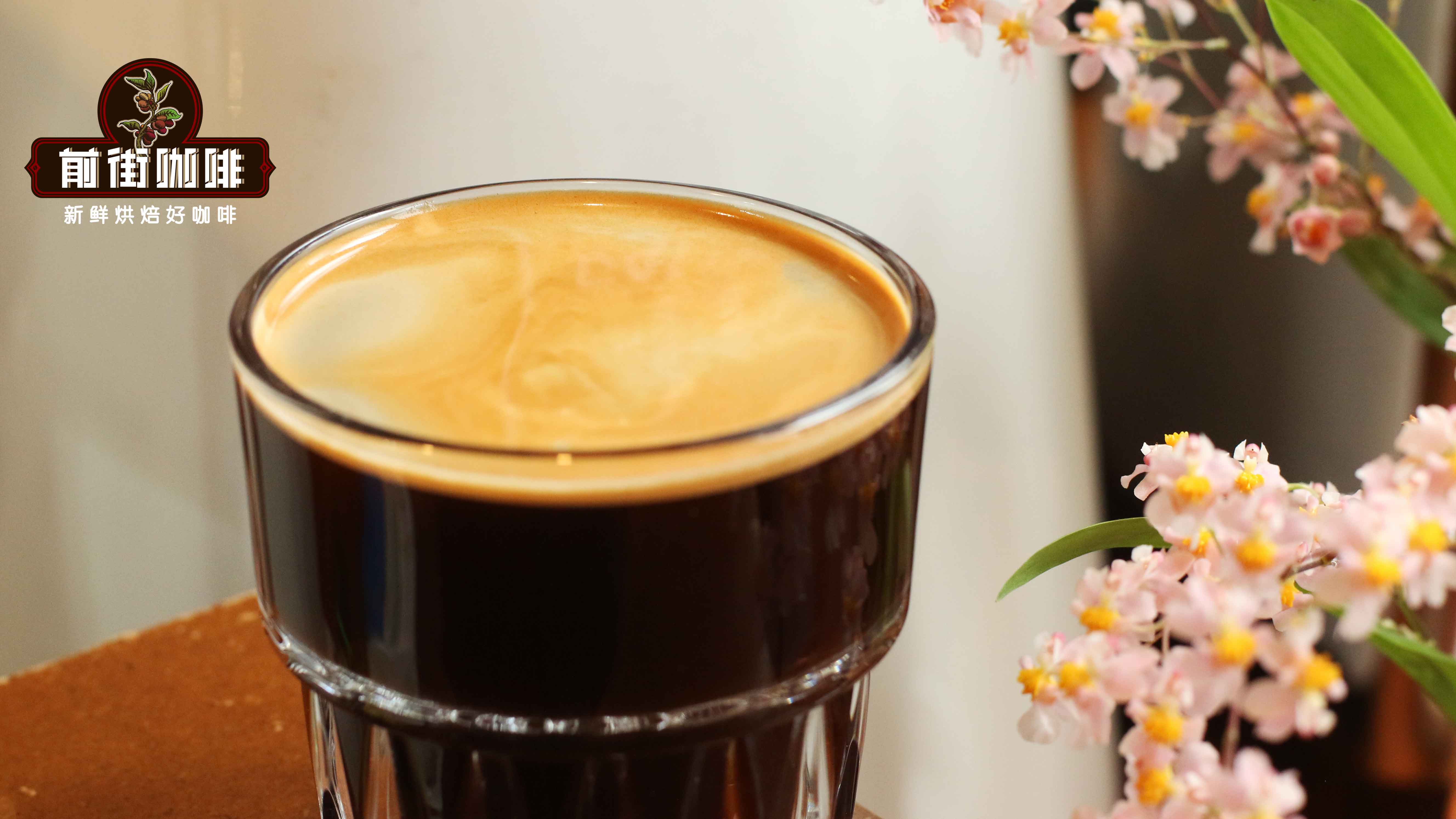
Since SOE uses beans from only one origin, its flavor expression is more concentrated and also more susceptible to the impact of defective beans or roasting errors. However, when high-quality batches from that region are used, along with appropriate roasting and brewing parameters, SOE can often present the most iconic flavor traits of its origin—such as the bright acidity of Kenyan beans, the creamy chocolate feel of Brazilian beans, or the floral and citrus notes of Ethiopian beans.
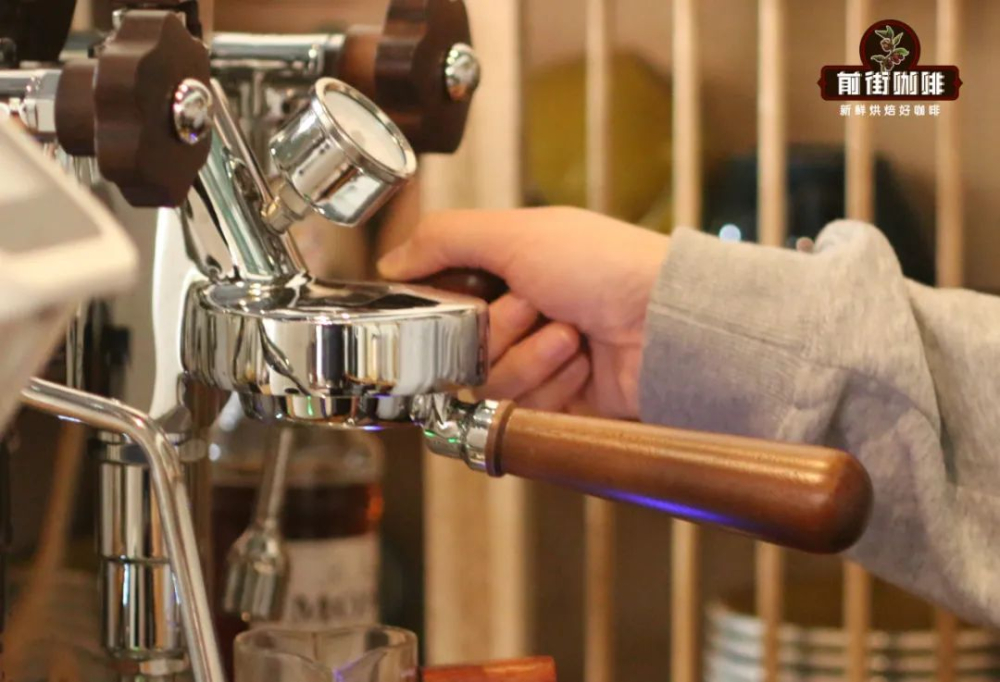
It’s important to note that after being extracted under the high temperature and pressure of an espresso machine, the flavors of SOE are greatly amplified. Acidity becomes more pronounced, and bitterness more noticeable. Therefore, it’s crucial to choose coffee beans with stable quality and low defect rates. Roasters must adjust the roast level according to the origin’s characteristics, and baristas must precisely control grind size and extraction parameters. If roasted too dark, the result may be bitter and astringent with little aroma; if roasted too light and brewed improperly, the espresso may taste thin, especially when milk is added, resulting in a “coffee-less” profile.
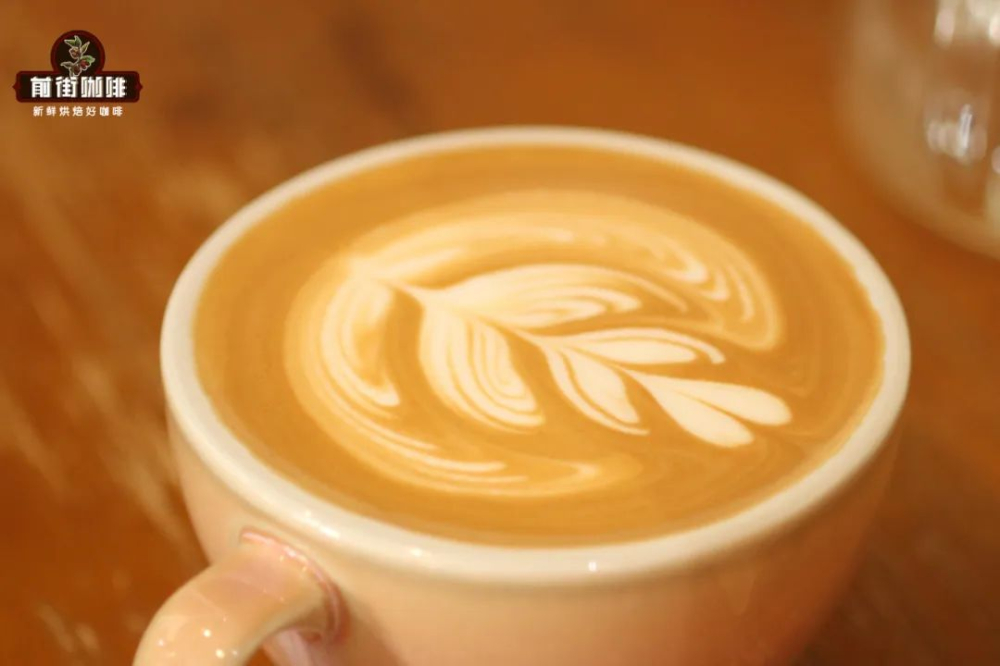
To avoid the negative experience brought by extreme roasting, it’s recommended to choose SOE coffee beans roasted to medium-dark to medium-light levels, and to select from three major flavor categories based on personal taste preferences: bright fruity acidity, fermented fruity wine notes, and rich bold bitter profiles.
First up is the bright fruity acidity type. These SOEs typically feature pronounced fruit aromas and vibrant acidity, making them suitable for drinkers who prefer a refreshing taste. For example, a Sidra SOE from the Finca La Frontera estate in Colombia’s Huila region, processed using a double anaerobic natural method, showcases notes of blueberry, passion fruit, ripe grape, and apricot when roasted to a medium level—offering a balanced sweet-and-sour profile with rich aromatics.
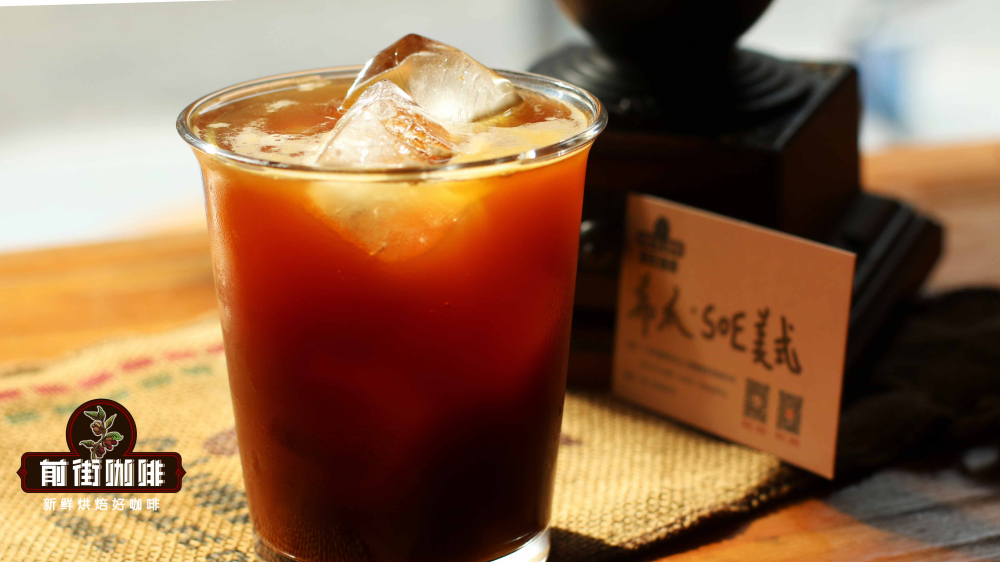
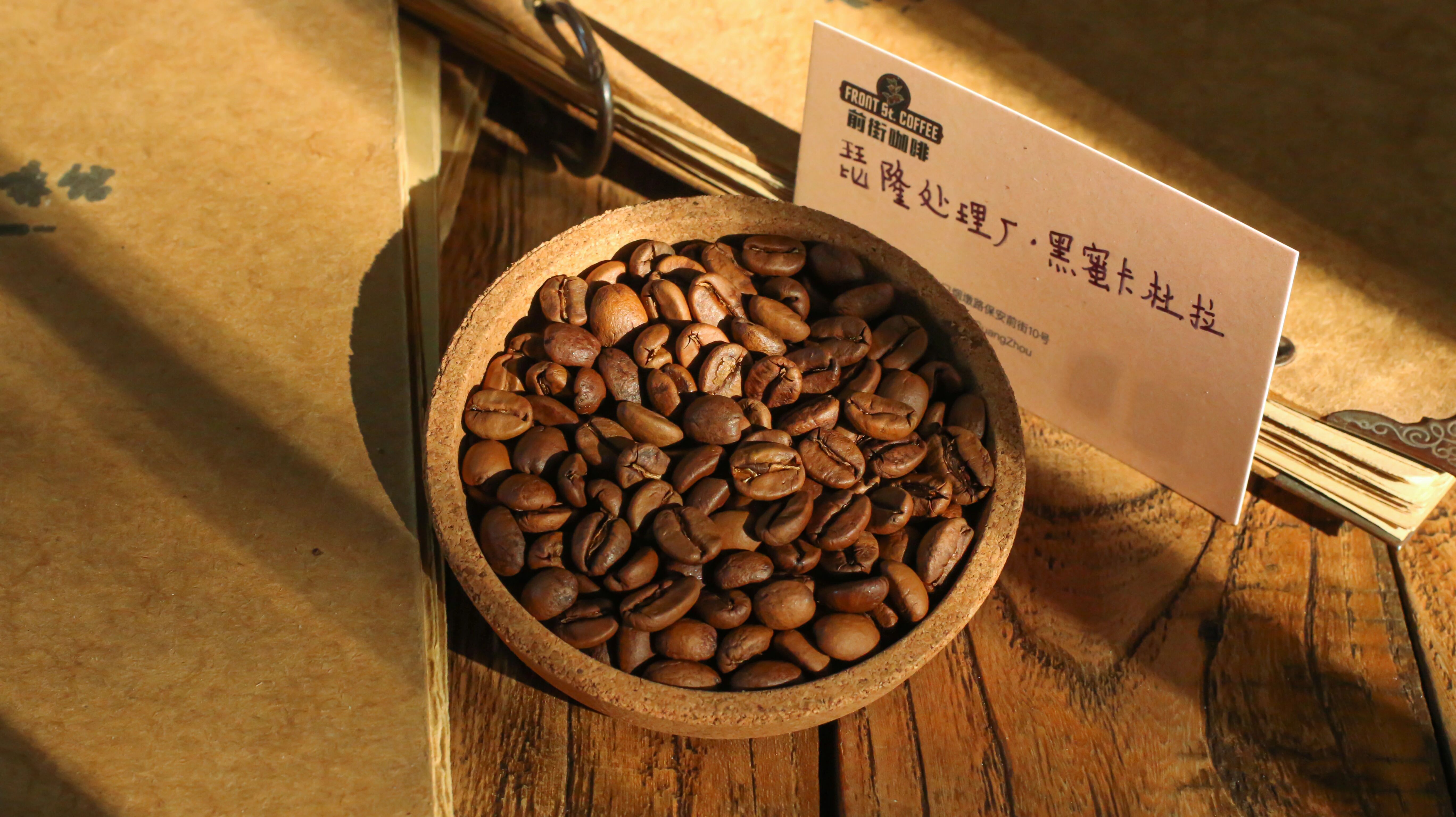
If you prefer coffee with more layers and fermented complexity, consider SOEs with fermented fruity wine-like flavors. These beans often have intense sweet aromas and winey notes. Take, for instance, a blackberry-flavored SOE from the Finca Pavón processing plant in Costa Rica’s Tarrazú region, made from the Caturra variety and processed using the black honey method. This method retains a large amount of mucilage and involves extended sun drying, imparting the coffee with rich notes of grape juice, blueberry, and floral aromas, alongside a pronounced fermented sweetness. The cup is full-bodied with a long-lasting finish.
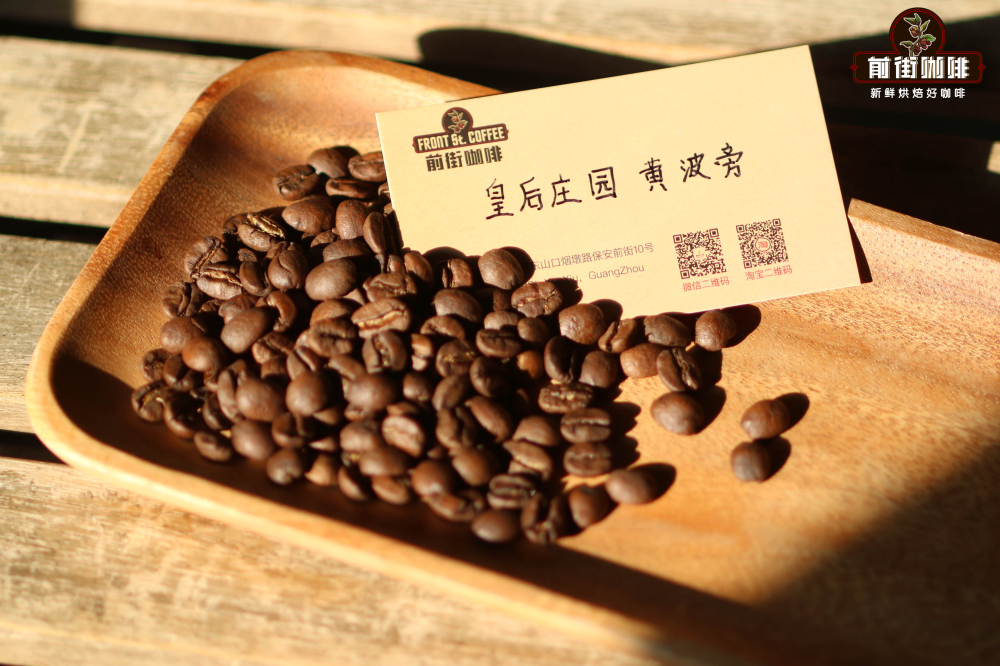
Finally, for those who enjoy intense coffee flavors and seek strong aromatic profiles with a rich mouthfeel, the bold bitter type of SOE is the ideal choice. Take, for example, the Queen Estate in Brazil’s Mogiana region, known for its Yellow Bourbon variety and natural processing method. The beans produced there boast rich aromas of cream, peanut, and nuts, along with notable cane sugar sweetness and a long-lasting finish. When made into SOE, they deliver a full-bodied texture and a stable flavor structure.
The above content is compiled by CoffeeHunters, a coffee news website.

