








Introduction:Want to understand the difference between SOE (Single Origin Espresso) beans and traditional espresso blends? This article provides an in-depth analysis of their flavor profiles, ideal usage scenarios, and extraction essentials, and recommends several high-value single-origin beans perfect for making espresso. Whether you're new to coffee or a seasoned enthusiast, you'll find an espresso bean choice that suits your taste.
In the world of specialty coffee, SOE (Single Origin Espresso) has gained increasing attention in recent years. Unlike common espresso blends, SOE emphasizes using beans from a single origin, allowing drinkers to more clearly experience the unique terroir flavors of that region. Many coffee lovers find that SOE brings a more layered taste experience to the traditionally bold espresso.

The rise of SOE is not only due to its rich flavor expression but also reflects modern consumers' pursuit of personalized coffee. Compared to blends that aim for consistent taste, SOE better showcases the unique characteristics of the beans themselves. However, these single-origin beans require more precise parameter control during extraction, and their quality is more susceptible to climate variations, which is why they often come with a higher price tag.
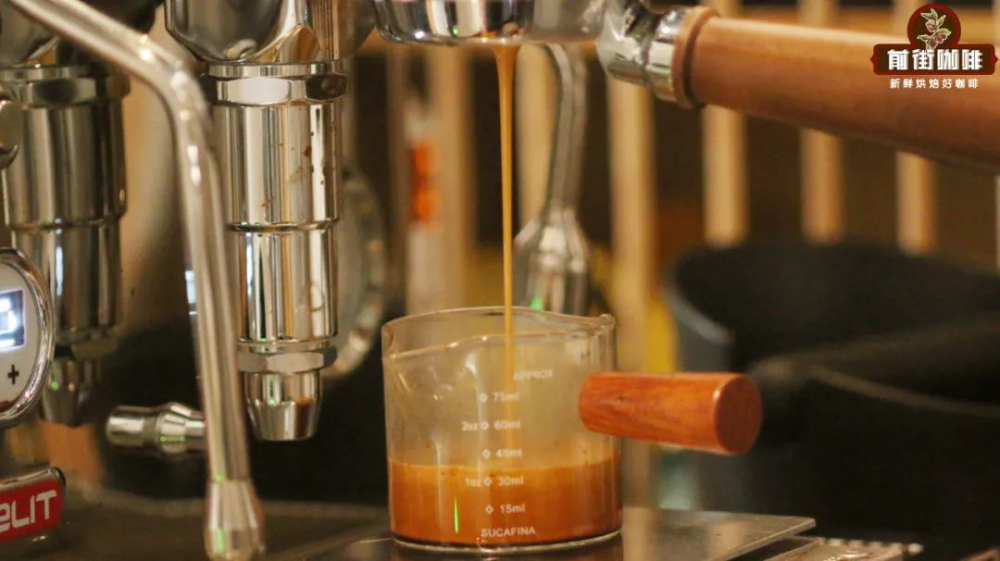
From a technical perspective, the biggest challenge of using single-origin beans for SOE lies in flavor consistency. Since crops are naturally affected by variables such as climate and soil each year, it is relatively difficult to maintain the same quality consistently. This is why traditional espresso often relies on blends—by mixing beans from different regions, roasters can create recipes with stable and layered flavors.
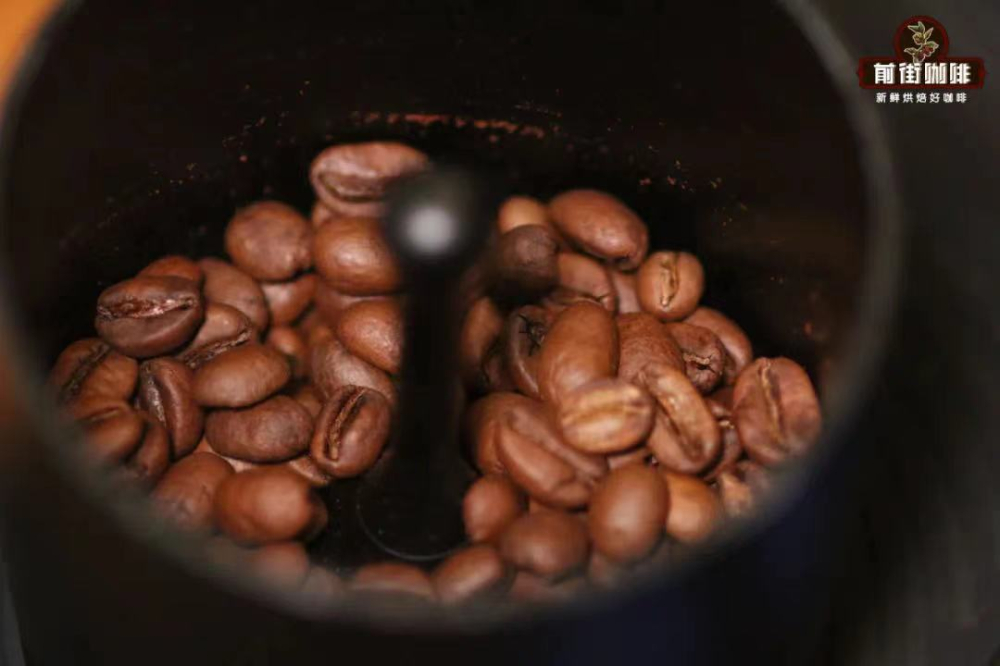
The appeal of blended coffee beans lies in their flexible blending possibilities. In Italy, professional roasters often mix several or even dozens of beans to ensure that even if the supply from a certain region is compromised, the final product's flavor consistency can still be maintained. These recipes are often considered trade secrets, requiring long-term accumulated experience to master perfectly. It’s worth noting that there are two types of blending methods: "green blending" and "roast blending"—the former mixes beans at the green bean stage before roasting, while the latter involves roasting beans separately and then blending them in proportion.
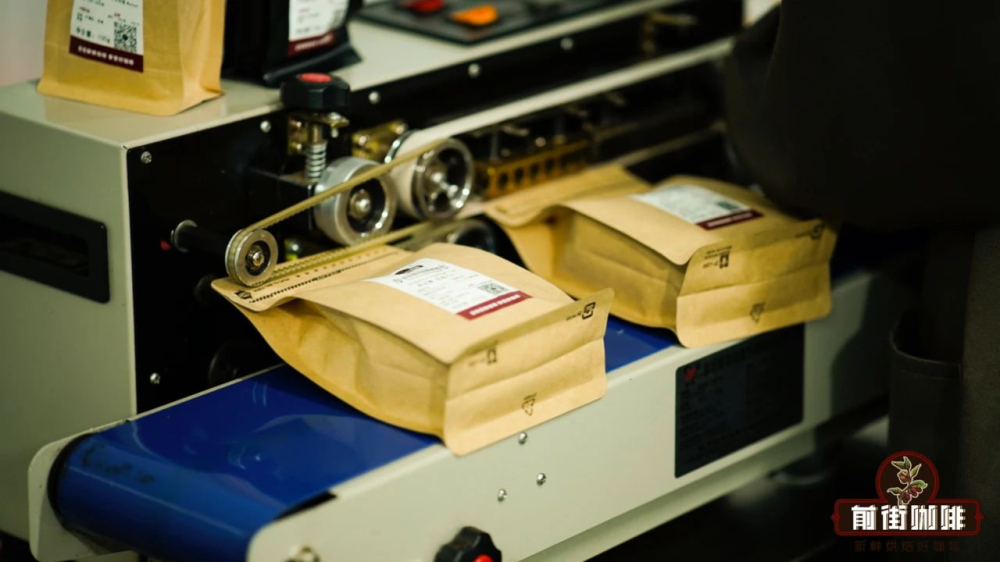
Taking roast blending as an example, although it allows for more precise control over the roast level of each bean, it requires the roaster to have extensive experience. Because different bean varieties have varying rates of weight loss and ideal roast color values, achieving a similar roast state for multiple beans often means roasting them separately and then carefully blending. While this approach increases production complexity, it can create a more refined and balanced flavor profile.

As for choosing SOE beans suitable for making espresso, the key lies in flavor distinctiveness. If a single-origin bean lacks prominent characteristics, its flavor can easily be masked during the espresso extraction process. It's recommended to choose beans with clear regional traits—for example, African beans with bright fruity acidity or Central and South American beans with nutty profiles. During extraction, pay attention to the brew ratio, grind size, and pressure settings; medium-to-light roasted SOEs are usually suitable for finer grind sizes and slightly higher pressure settings.
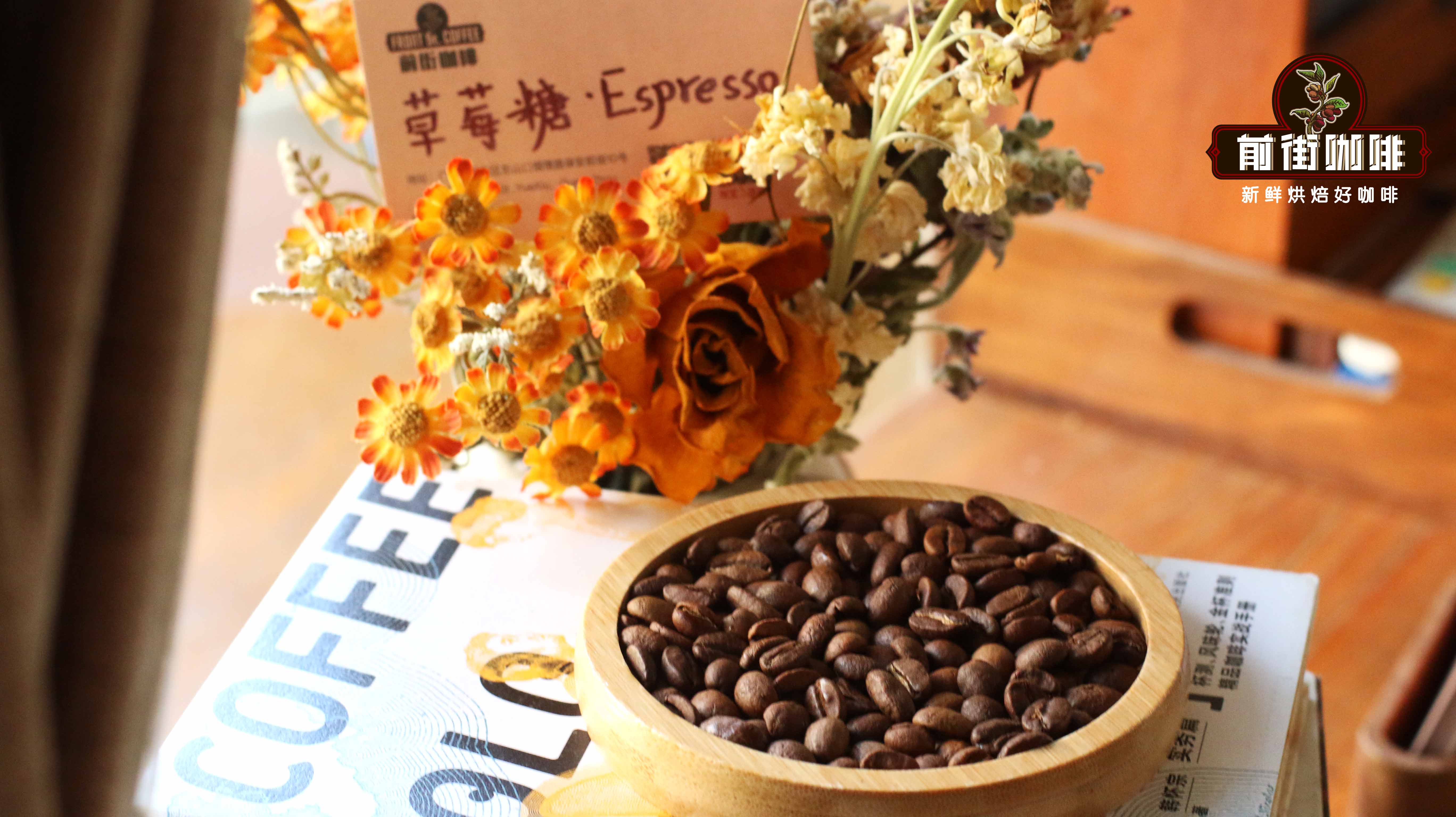
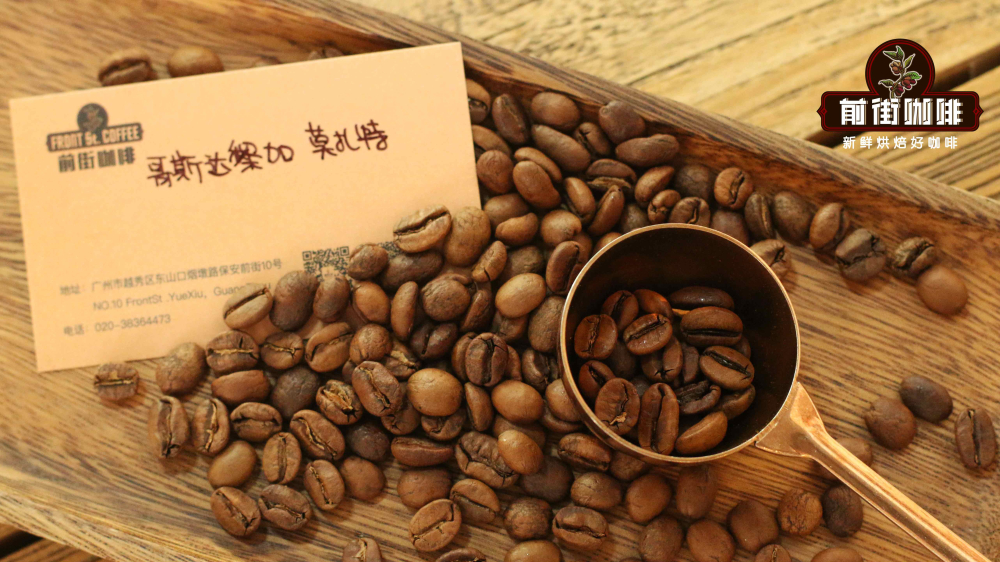
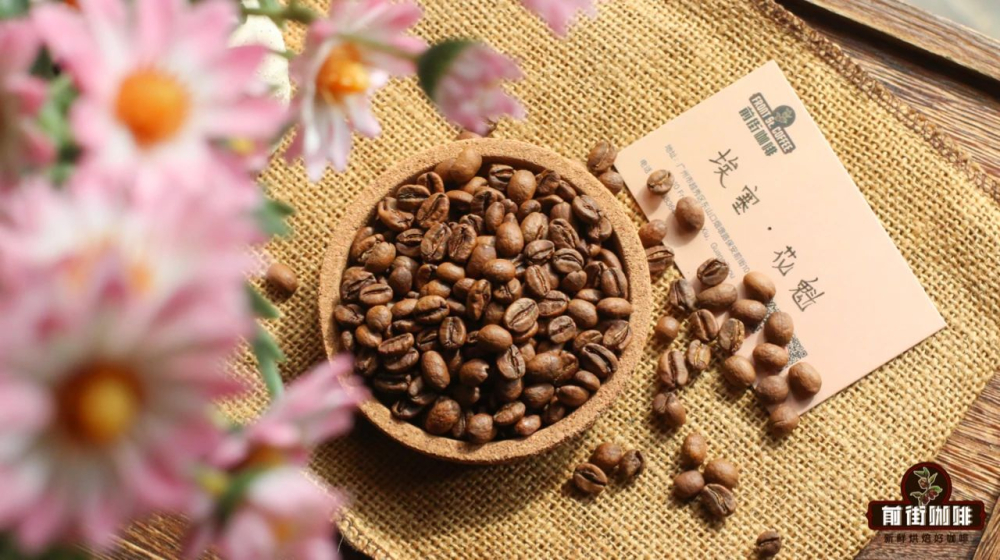
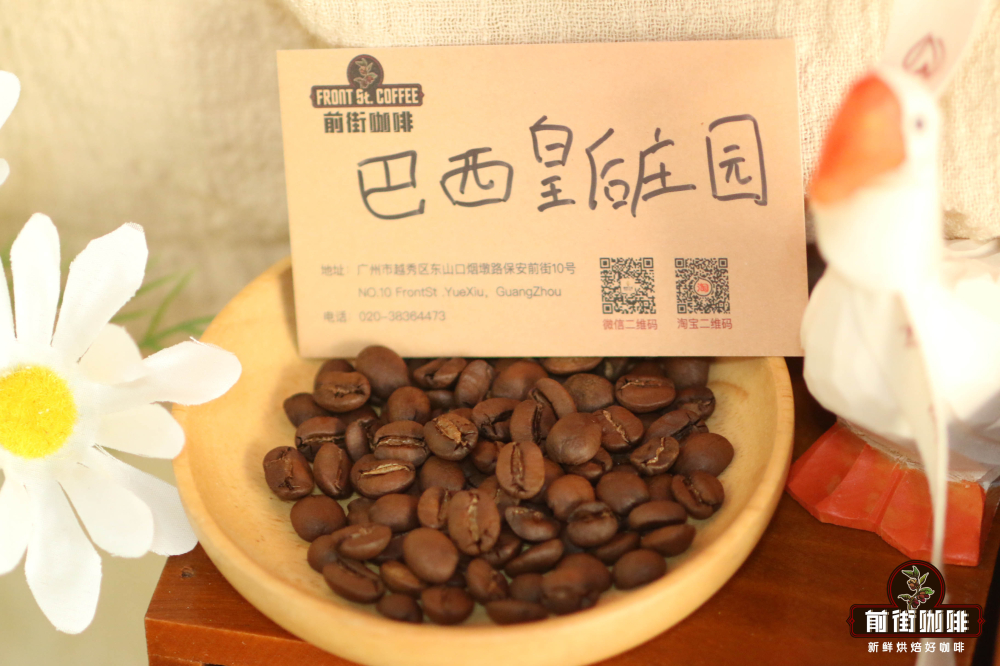
For coffee enthusiasts wanting to try SOE, here are several single-origin beans worth considering: the medium-to-light roasted Costa Rica Mozart bean, which offers aromas of osmanthus and raisins after extraction, paired with a creamy mouthfeel and caramel aftertaste; the Ethiopian Huakai bean showcases a sweet-tart berry profile with citrus notes, ideal for those who prefer a refreshing flavor; the Brazilian Queen Estate bean is known for its gentle roasted peanut and cookie-like sweetness, making it an excellent choice for balanced taste.

The above content is compiled by CoffeeHunters, a coffee news website.

