







Introduction:For beginners new to coffee, selecting the right Arabica beans is key to getting started. This article selects five commonly available and flavorfully outstanding bean varieties on the market, covering a diverse range of characteristics from bright acidity to rich body, and includes recommended grind sizes and brewing methods for each. It helps readers find their first impressive pour over coffee based on personal preference.
When choosing coffee beans, it’s advisable to start with your own taste preferences. Generally speaking, beans from Africa often exhibit pronounced fruity acidity and floral notes, while those from the Americas are known for their balanced nutty tones and sweetness. As for high-altitude regions in Southeast Asia and areas like Blue Mountain, they often showcase a rich, full body and low acidity. Below are five Arabica coffee beans suitable for beginners, each with its own unique flavor profile and ideal brewing scenario.
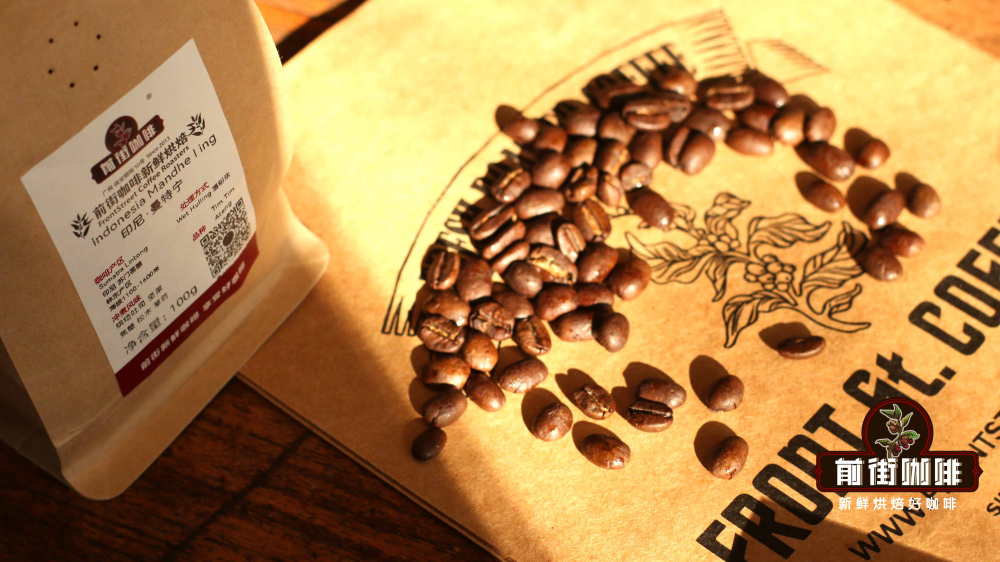
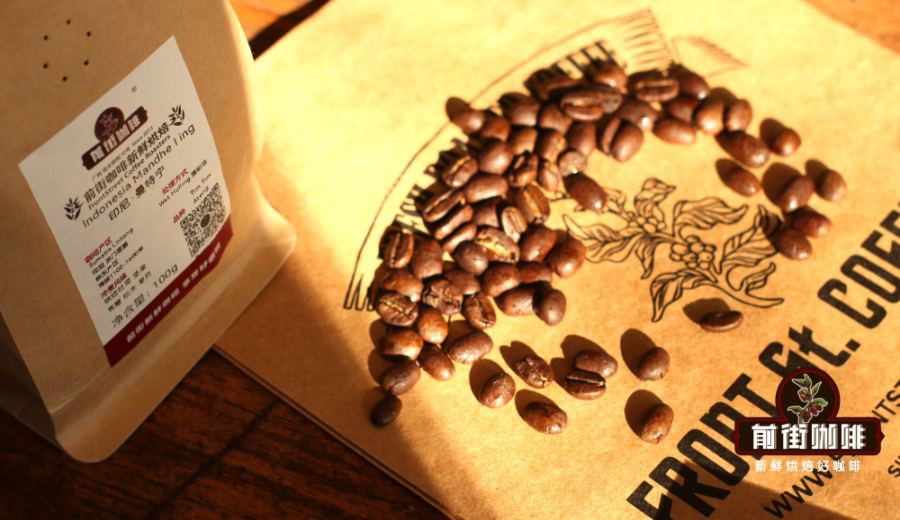
First, we recommend a classic Indonesian Mandheling coffee bean. Though not the world’s most expensive Kopi Luwak, this variety is the most representative commercial offering from the region. Its standout traits are extremely low acidity paired with intense spice and woody aromas. The taste is distinctly bitter but layered, with a lingering, rich body. We suggest using a medium-fine grind (around #20 mesh) and brewing with a pour over kettle at 90–92°C using the pulse pouring method to highlight its dark chocolate aftertaste. You can also add hot milk to make a smooth latte.
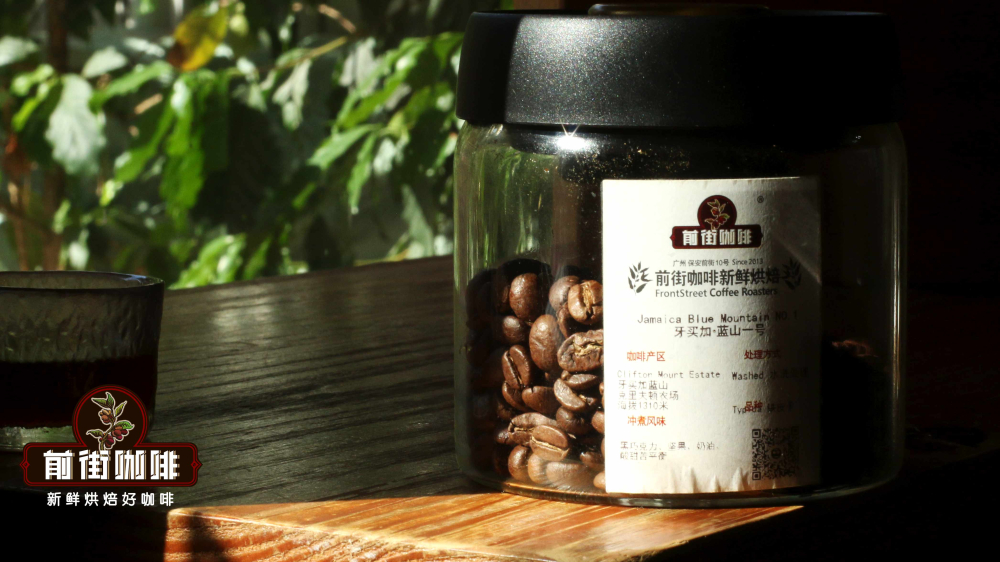
Known as the “king of coffee,” Jamaican Blue Mountain beans are grown exclusively in the core region of Jamaica’s Blue Mountains. Authentic Blue Mountain beans must be traded as whole green beans and, when moderately roasted, achieve a perfect balance of acidity, sweetness, and bitterness. The delicate mouthfeel glides like silk across the tongue, accompanied by a complex flavor profile of cream, caramel, and nuts, with the mid-palate’s black chocolate note being particularly memorable. These beans are best suited to light-to-medium roasting (around Agtron 55–65). Brewing with a moka pot or AeroPress at 88–90°C preserves their classic sweet aftertaste.
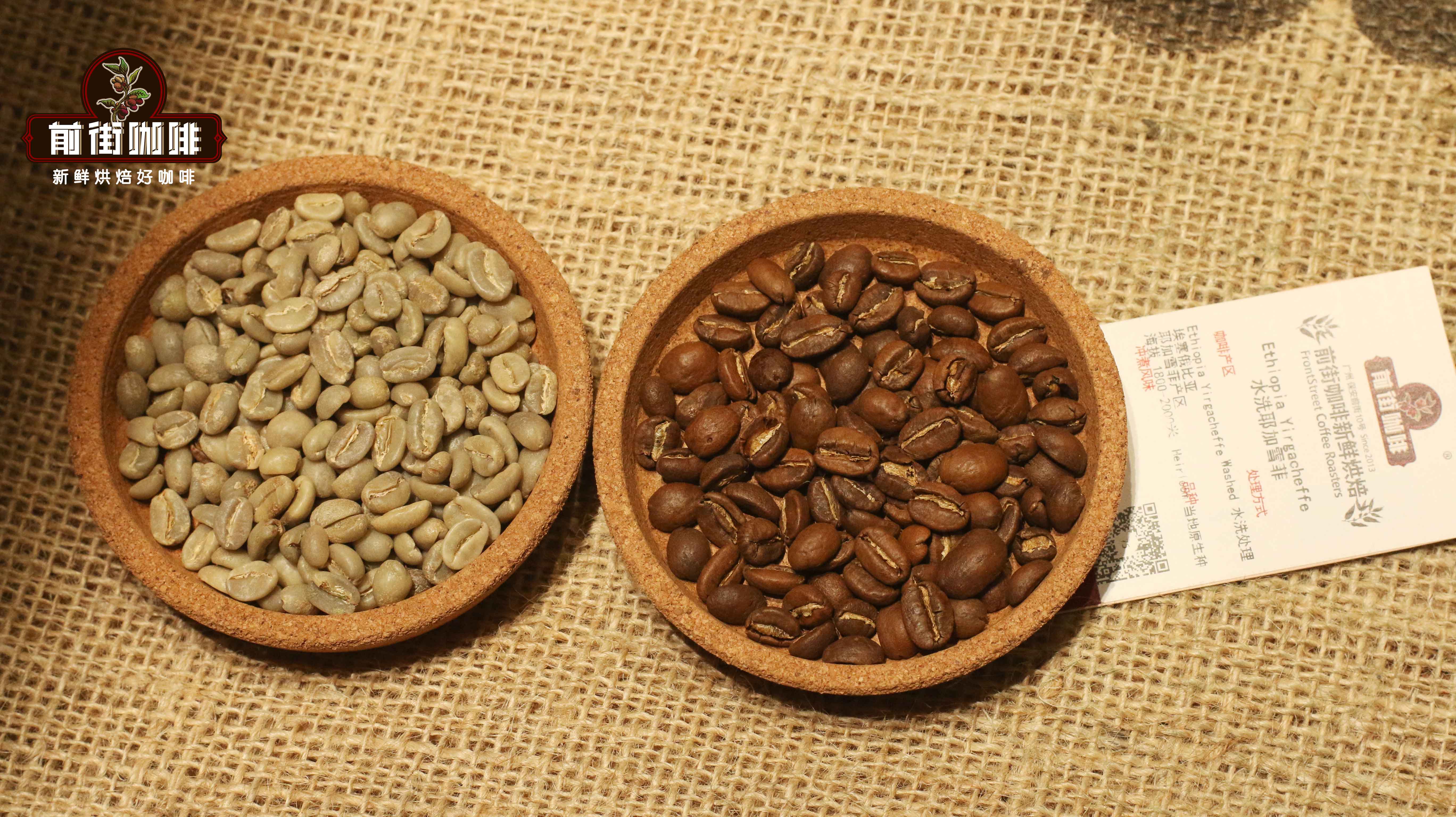
The Yirgacheffe growing region, situated at elevations of 1,700 to 2,100 meters, benefits from large diurnal temperature variations and unique red soil nutrients, producing coffee beans with distinctive flavors. A Yirgacheffe-origin coffee bean showcases exceptionally bright acidity, with aromatic notes resembling fresh lemon and white flowers, and a finish that carries a slight sweetness akin to oolong tea. This bean is especially well-suited to light roasting (Agtron 70+). We recommend brewing via pour over with a fine grind (#18–20 mesh) at 86–88°C. Using the center pour method can enhance its citrus character. Beginners may try the natural processed version to experience more intense fruity notes.
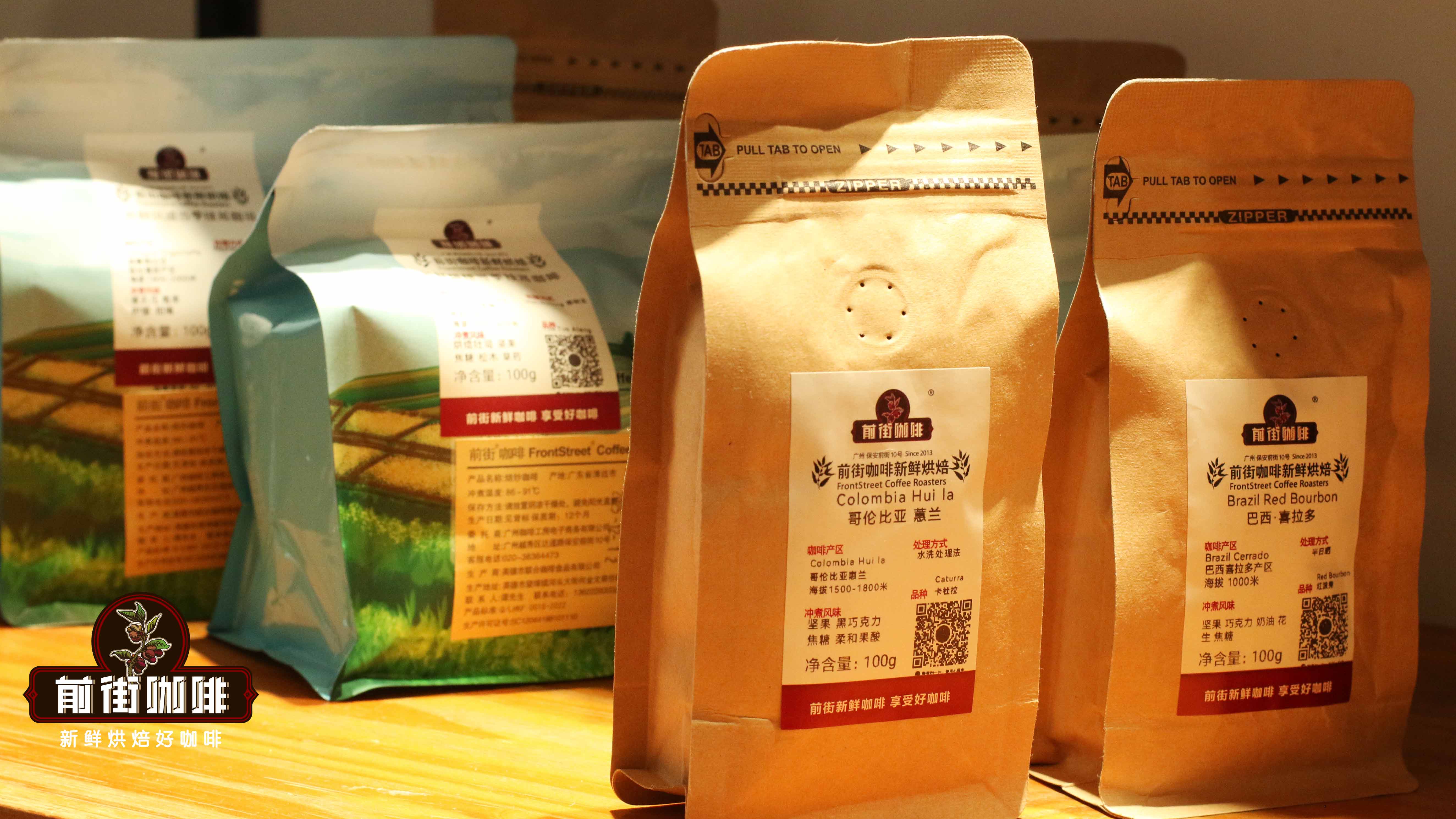
Coffee beans from Huila, Colombia, benefit from stable volcanic soils and high-altitude conditions, resulting in excellent balance. A washed Colombian Huila bean exhibits a distinct nutty base and dominant dark chocolate notes, complemented by moderate red berry acidity and caramel sweetness. These beans are highly versatile, performing differently yet pleasingly whether brewed with an espresso machine, French press, or siphon. We recommend a medium roast level (Agtron 45–55) and a medium-coarse grind (#16–18 mesh). Brewing at 90–93°C highlights a balanced expression of all flavor elements.
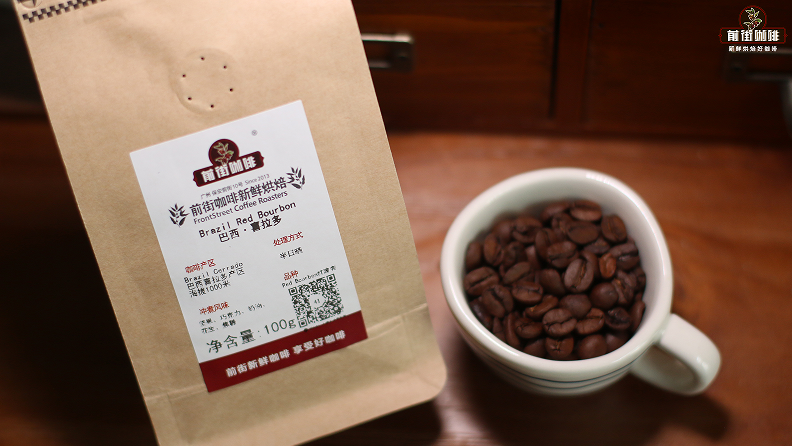
Finally, we introduce a Red Bourbon bean from Brazil’s Cerrado region, grown at around 1,000 meters in a high-altitude ecological zone. The fertile red soil here is rich in minerals, and the constant annual temperature of 21°C fosters the development of premium coffee with clean and sweet characteristics. This variety shows distinct notes of almond and roasted nuts, and offers a creamy mouthfeel paired with a subtle rice tea-like finish, making it suitable for both black coffee and milk-based drinks. We suggest a medium-dark roast (Agtron 35–45) and a medium grind (#14–16 mesh). Brewing with a French press or clever dripper enhances its sweetness and reduces any potential roughness or impurities.
The above content is compiled by CoffeeHunters, a coffee news website.

