







Introduction:This article delves into the classic Indonesian Sumatran coffee variety—Mandheling—focusing particularly on the highly acclaimed PWN Golden Mandheling. From its historical origins and regional characteristics, to differences in processing methods, and the flavor profiles of various Mandheling coffees along with optimal pour over brewing recommendations, it provides a comprehensive and practical guide to selection and brewing, helping you better understand this highly representative specialty coffee from Asia.
If you’ve heard of “Mandheling” as a coffee name, you’re likely familiar with its rich and full-bodied character. This classic coffee from Indonesia’s Sumatra is not only immensely popular in the Asian market but also owes its distinctive flavor profile to its unique processing methods and regional terroir. Among them, the Golden Mandheling produced by PWN is considered a top choice for many coffee enthusiasts.
As for the origin of the name “Mandheling,” it actually stems from a small anecdote during World War II. At that time, a Japanese soldier was drinking an exceptionally flavorful cup of coffee in Indonesia. When he asked the shop owner about the name of the coffee, due to a language misunderstanding, he heard “Mandailing” (the name of a local ethnic group and region) as “Mandehling,” which later became what we now know as “Mandheling.” The soldier later commissioned a local Indonesian green bean trader to ship 15 tons of coffee beans to Japan, and that trader was none other than the now-renowned PWN Coffee Company (PWN). This interesting bit of history adds an extra layer of legend to PWN Golden Mandheling.
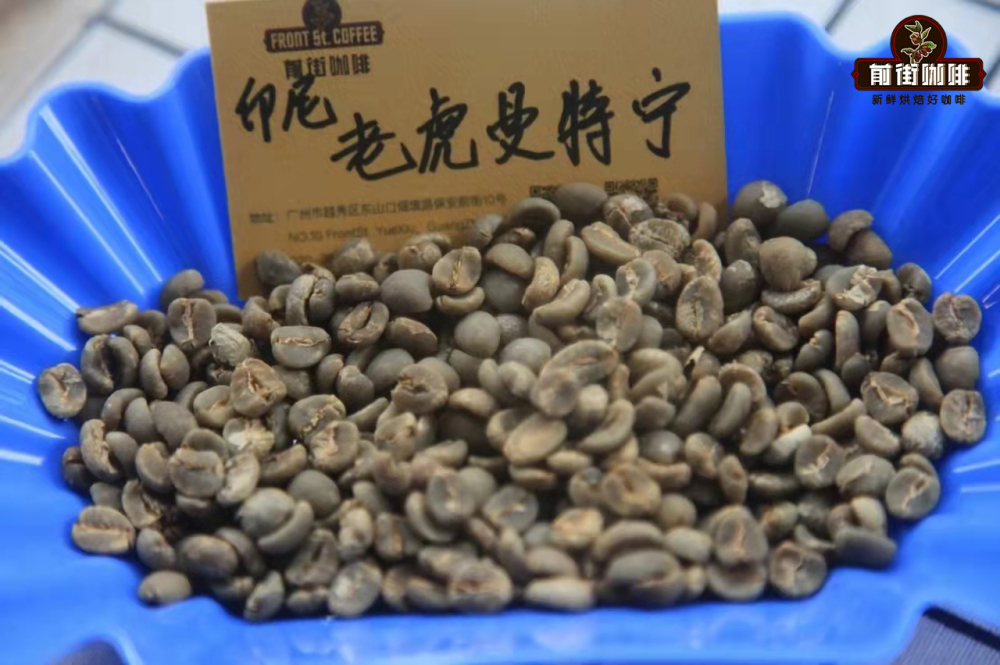
When talking about Mandheling, it's important to first understand that it belongs to the Arabica species, mainly grown in the Barisan Mountains of northern Sumatra, with the regions of Lintong and Aceh being the most well-known. The high-altitude, rainy, and foggy environment of this area gives Mandheling coffee its characteristic low acidity and full body, often accompanied by complex layers of herbal, spicy, and chocolate notes. Our Mandheling series includes Wahana Natural Mandheling, Lintong Mandheling, Aged Mandheling, Tiger Mandheling, and Golden Mandheling, each showcasing a distinct expression of its terroir.
Among these, the Wahana Natural Mandheling from Sumatra uses the Typica variety and is sourced from the LeaMungkur village area near Sidikalang District. Unlike the traditionally heavy and bitter impression of natural processed Mandheling, this naturally dried Mandheling offers a unique richness of sweet and tangy fruit notes, making its flavor profile truly distinctive. Lintong Mandheling, on the other hand, comes from the Lintong highlands southwest of Lake Toba, known for its high altitude and bright, refreshing taste. With plump beans and a low defect rate, it represents the bright acidity among Sumatran coffees.
If you prefer aged flavors, Aged Mandheling is a must-try. After long-term storage and aging, its acidity gradually transforms into rich caramel-like sweetness, and the mouthfeel becomes rounder and smoother, making it suitable for both single-origin brews or espresso. Tiger Mandheling, meanwhile, is known for its high selection standards, using only beans that are size 17 or above with a defect rate below 4%. Sourced from the Gayo highlands in Aceh Province, it delivers a clean flavor profile with pronounced notes of cream, dark chocolate, and nuts.
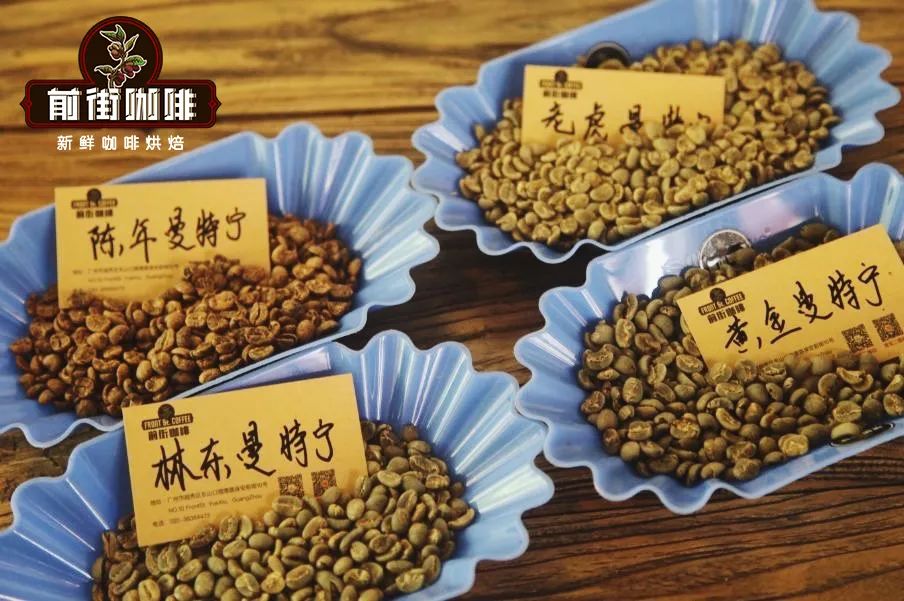
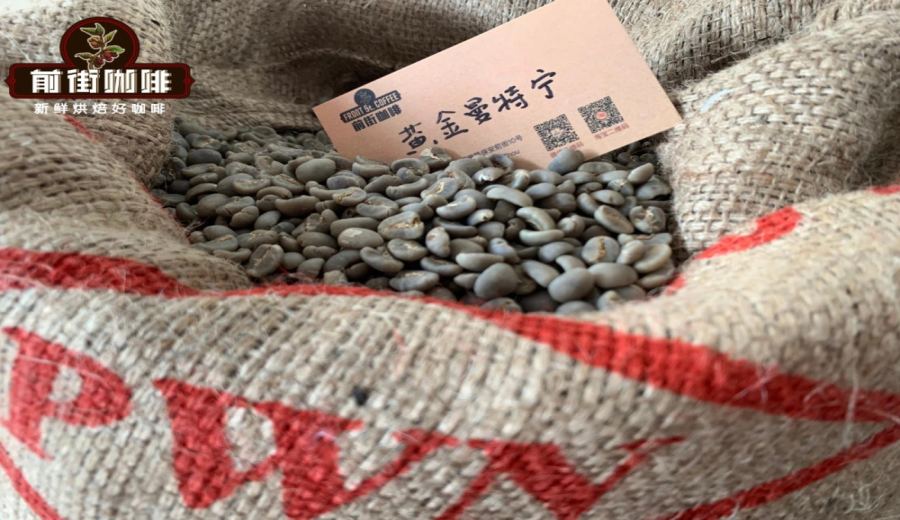
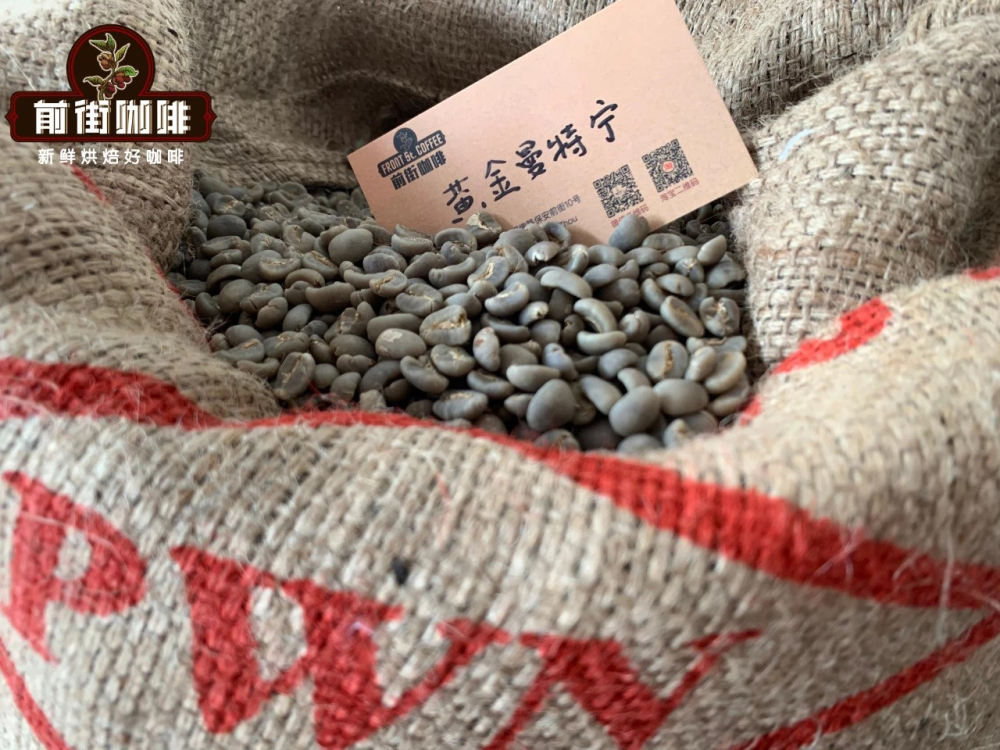
As for the most renowned PWN Golden Mandheling, it is sourced from the Lintong region in northern Sumatra and classified as G1—the highest grade—strictly selected with beans larger than 18 mesh and fewer than 3 defects per 300 grams of green beans. These coffee beans are handpicked and undergo four rounds of manual sorting as well as multiple rounds of color and density sorting to ensure uniformity in every bean. The golden hue under sunlight is the inspiration behind its name. Compared to typical Mandheling, which can sometimes carry earthy off-notes, PWN Golden Mandheling appears cleaner and brighter, with more prominent sweetness and aroma.
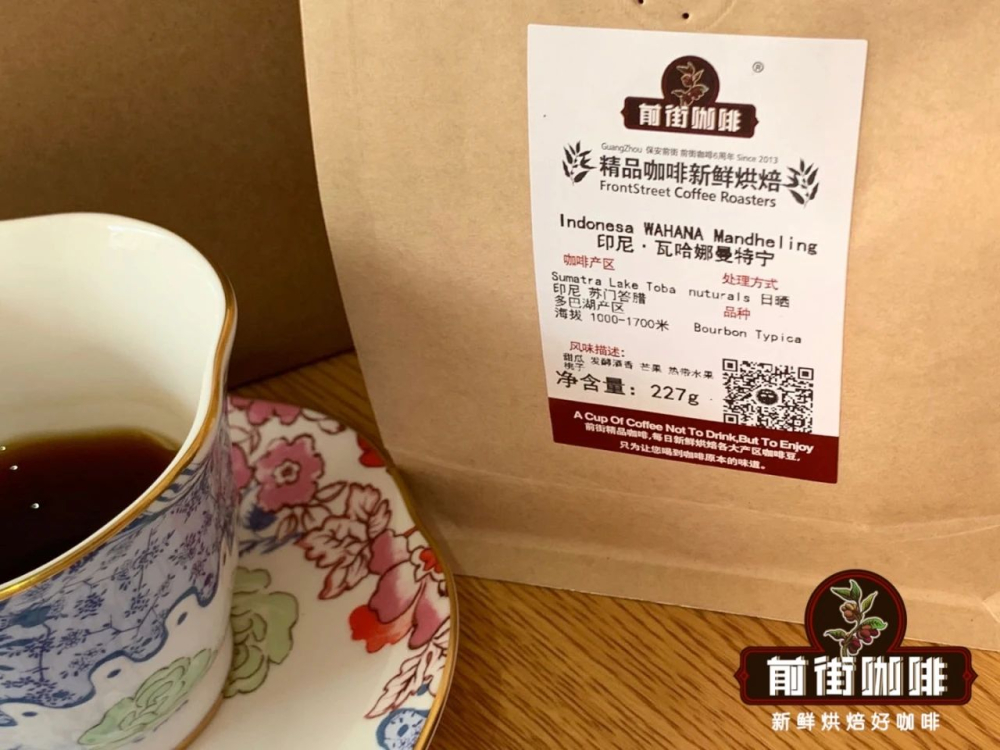
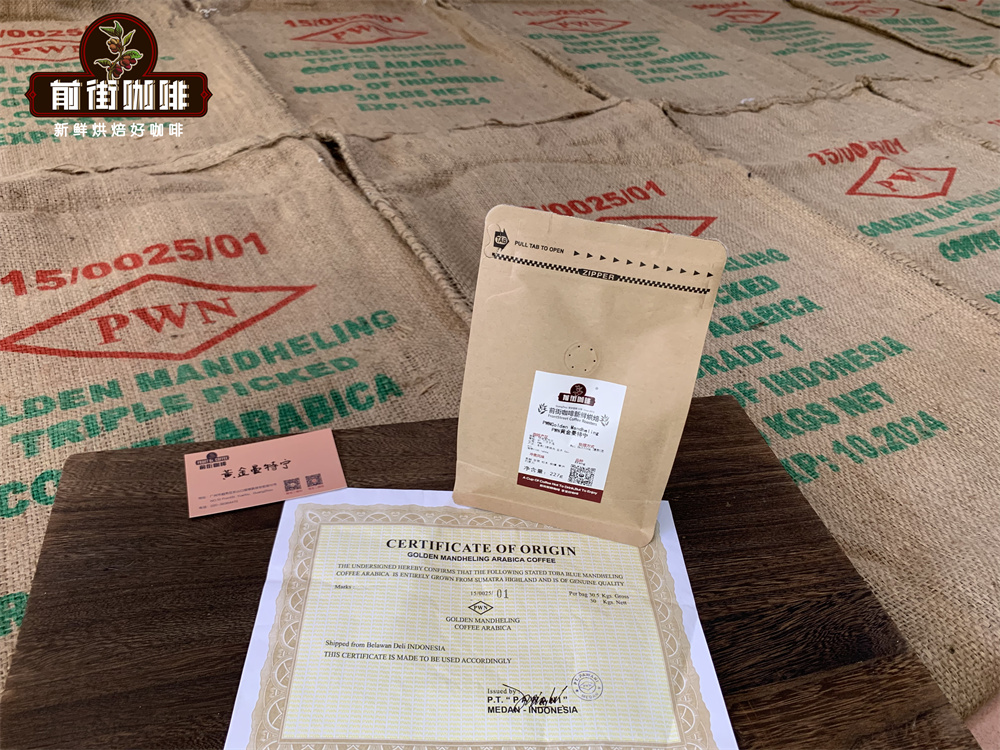
It’s worth noting that although there are many products on the market claiming to be “Golden Mandheling,” those not labeled as produced by PWN are usually just high-grade selections within the G1 category. Though their appearance may be similar, they rarely match the extreme purity and layered complexity of the true PWN Golden Mandheling. Authentic PWN Golden Mandheling not only has its exclusive gunny sack labeling but also comes with a certificate of origin, which serves as an important basis for verifying its authenticity.
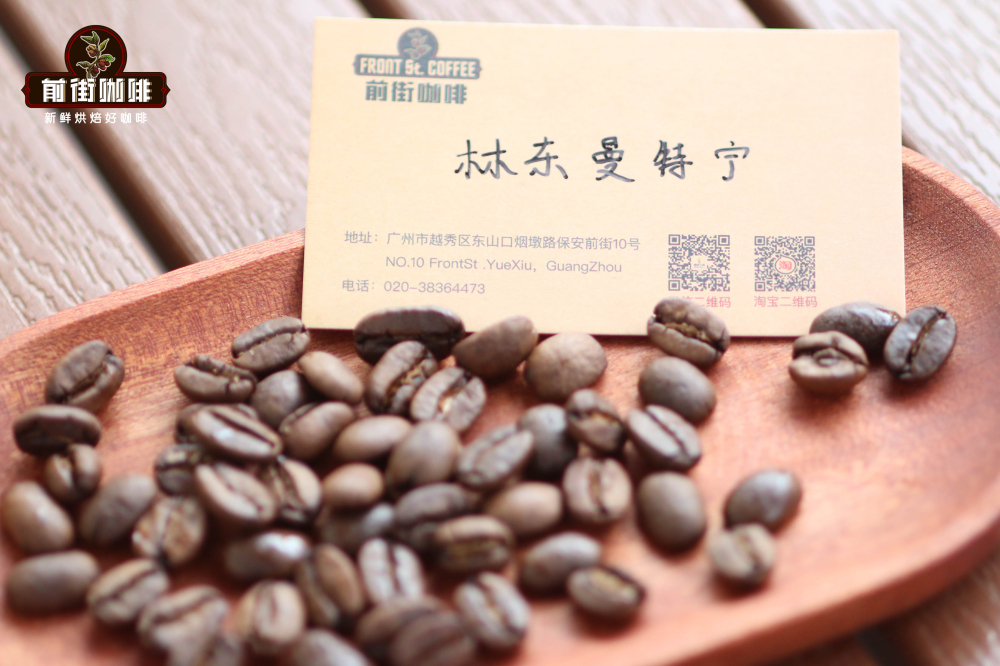
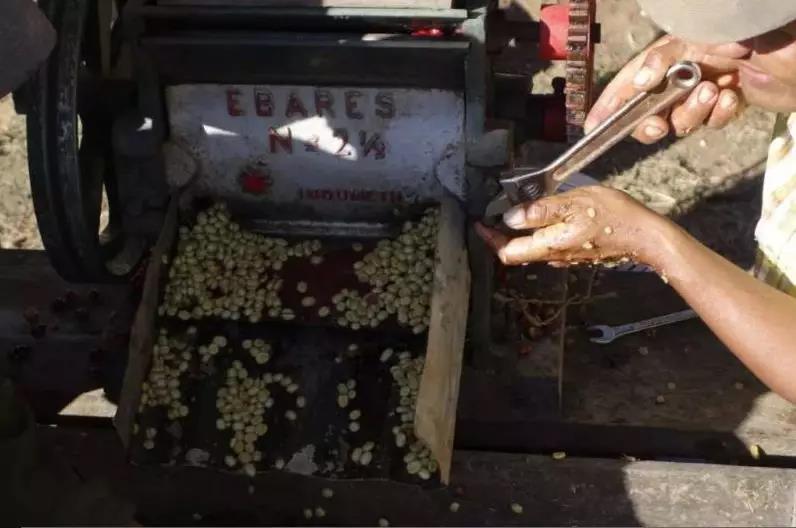
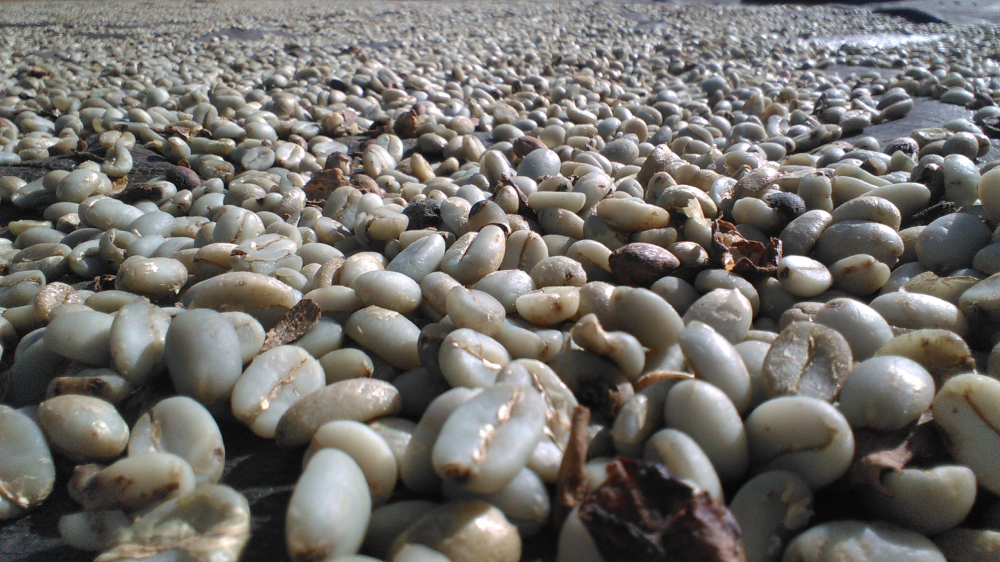
The unique flavor of Mandheling coffee is inseparable from its distinctive “wet hulling” (also known as Giling Basah) processing method. This technique originated in Indonesia’s humid and rainy environment as a way to speed up drying. After harvesting, the coffee cherries are first depulped, followed by 24 to 36 hours of fermentation to remove the mucilage. The semi-dried beans are then hulled to remove the parchment layer while still moist, and finally sun-dried to reach a moisture content of 10–12%. While this process improves efficiency, it can also leave pressure marks on the bean surface, resulting in what are known as “horse hoof beans” or “goat hoof beans.”
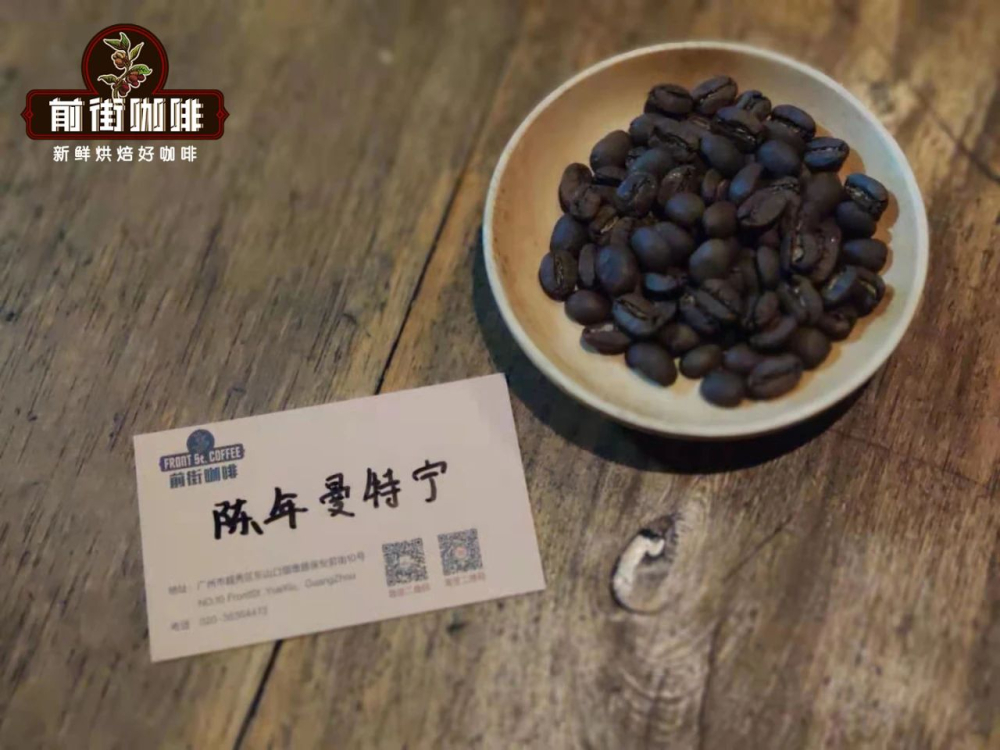
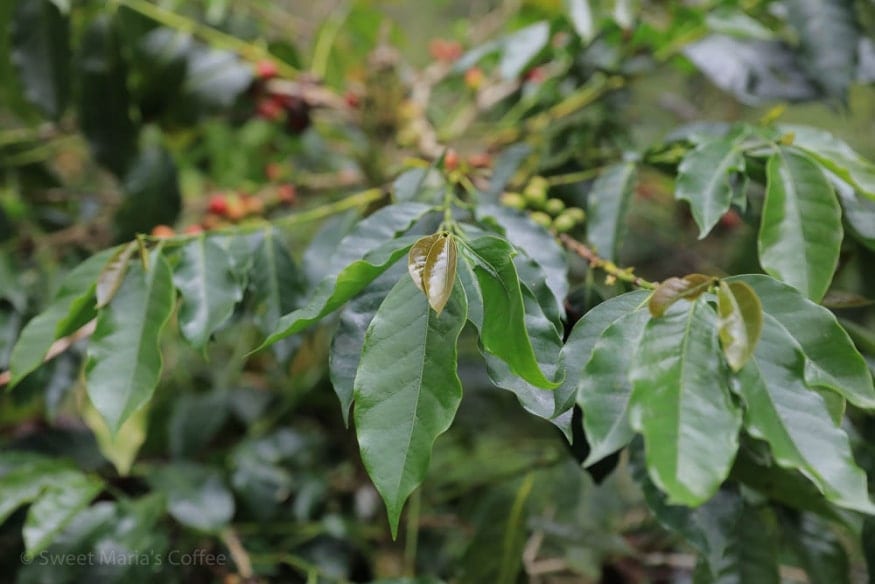
The coffee variety used in Golden Mandheling, known as Ateng, is actually the local Indonesian term for the Catimor family, originating from the Aceh Tenggah region. In the past, the Dutch introduced Typica to Indonesia multiple times, but due to the outbreak of coffee leaf rust, they eventually switched to varieties with stronger disease resistance. Today, Ateng has become one of the main varieties used in Sumatran Mandheling.
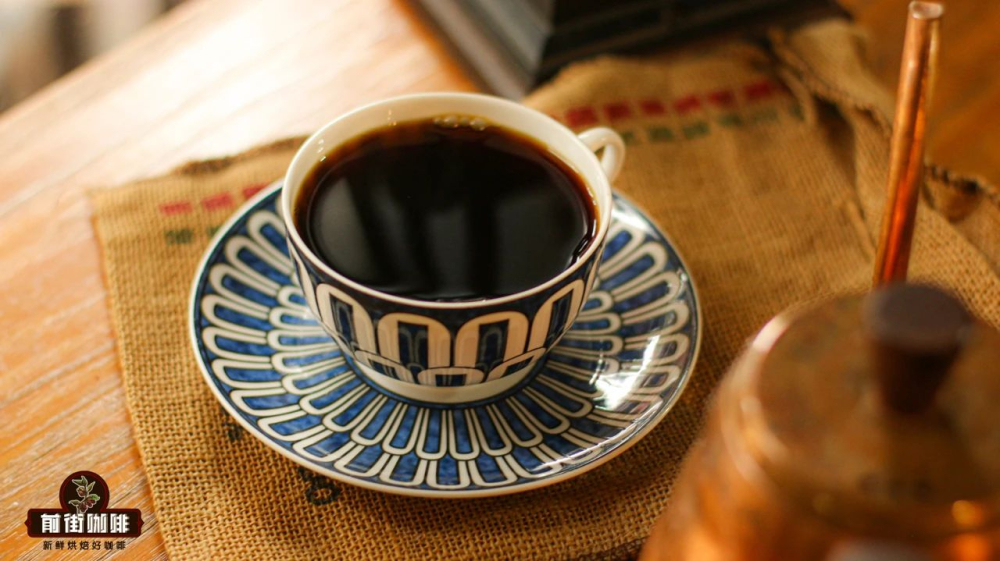
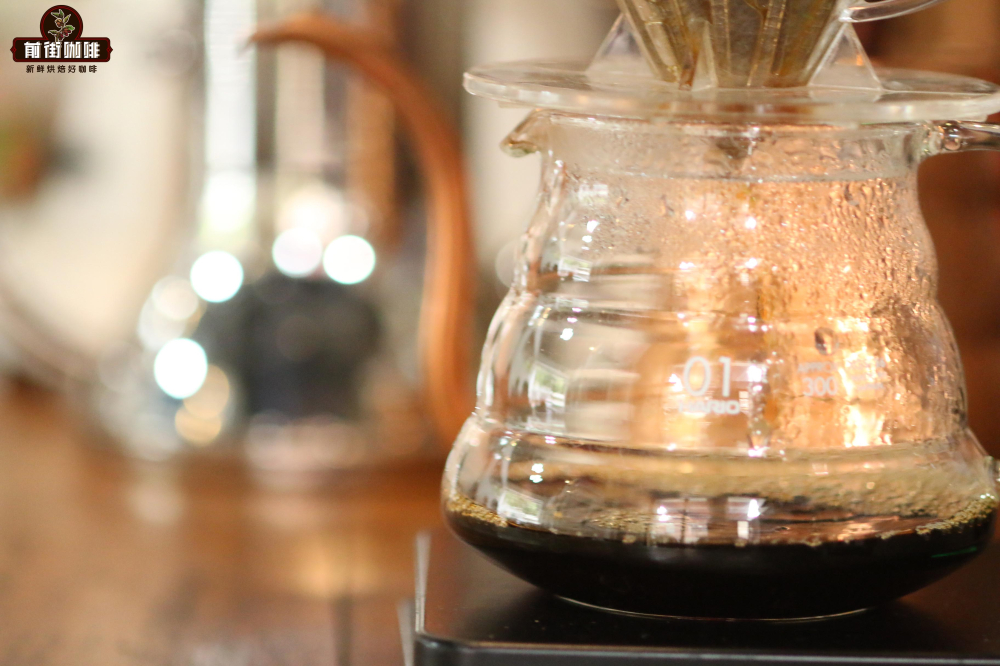
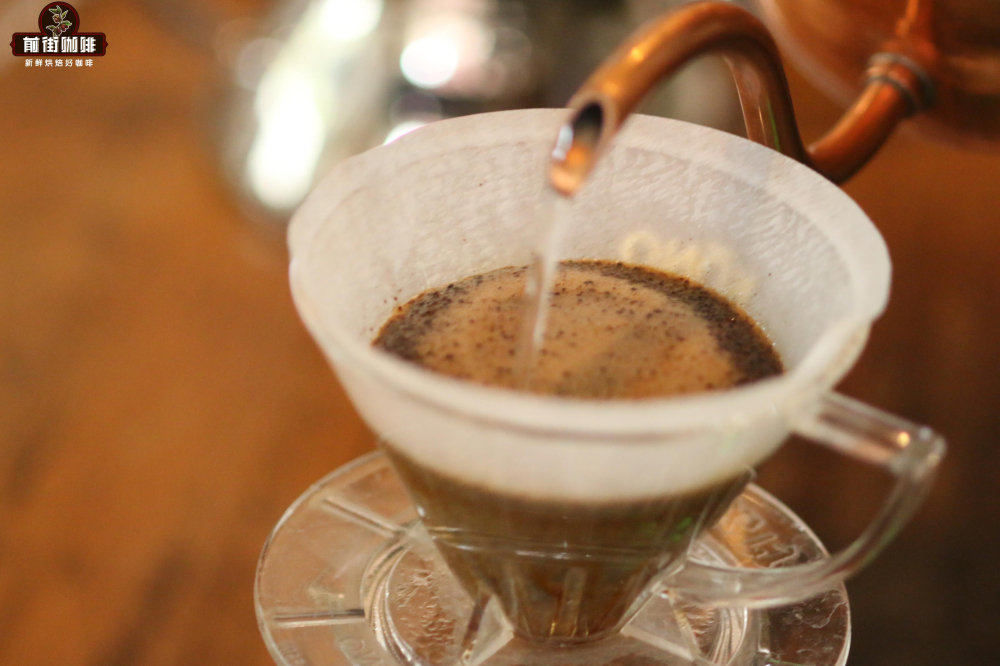
For brewing recommendations, we suggest using a Kono filter, with a water temperature of around 86°C, a coffee dosage of 15 grams, a brew ratio of 1:15, and a grind size of BG#6K (70–75% passing through a Chinese 20-mesh sieve). The design of the Kono filter effectively extends the contact time between water and coffee grounds. Paired with a medium-to-low water temperature, it helps fully extract the full body and sweetness of Golden Mandheling while avoiding over-extraction and unwanted bitterness. The recommended brewing technique is a pulse pour: start with a 30-second bloom using 30 grams of water, then pour in a slow circular motion to reach 125 grams for the first pour, continue pouring to 225 grams just before the coffee bed is exposed, and finally remove the filter just before the drawdown completes, aiming for a total brew time of about 2 minutes.
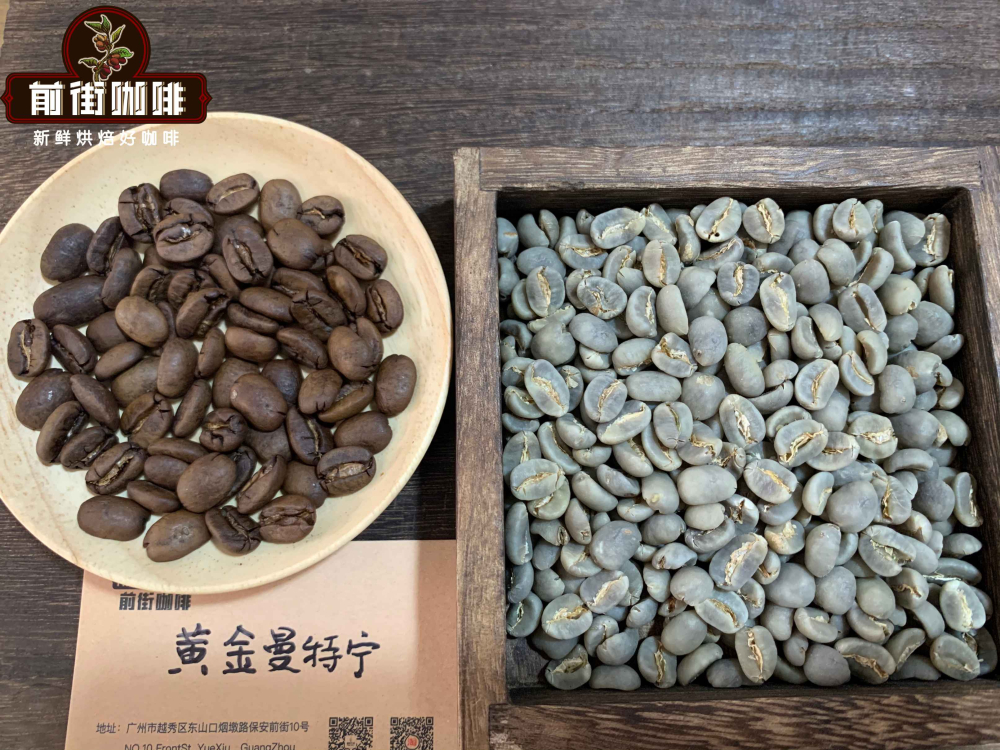
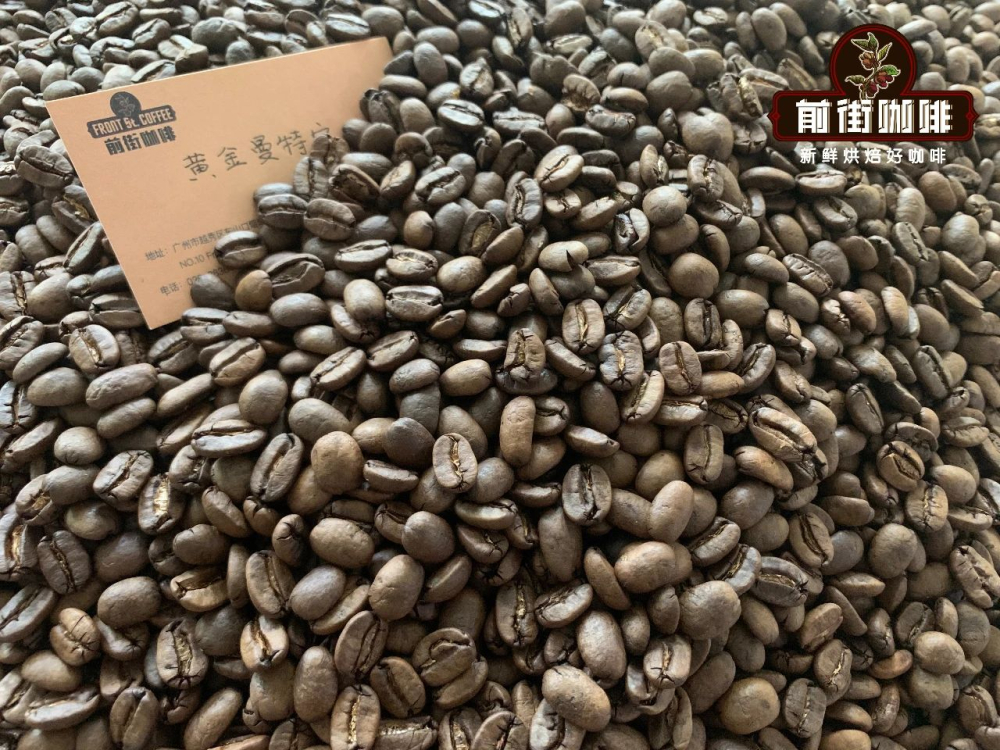
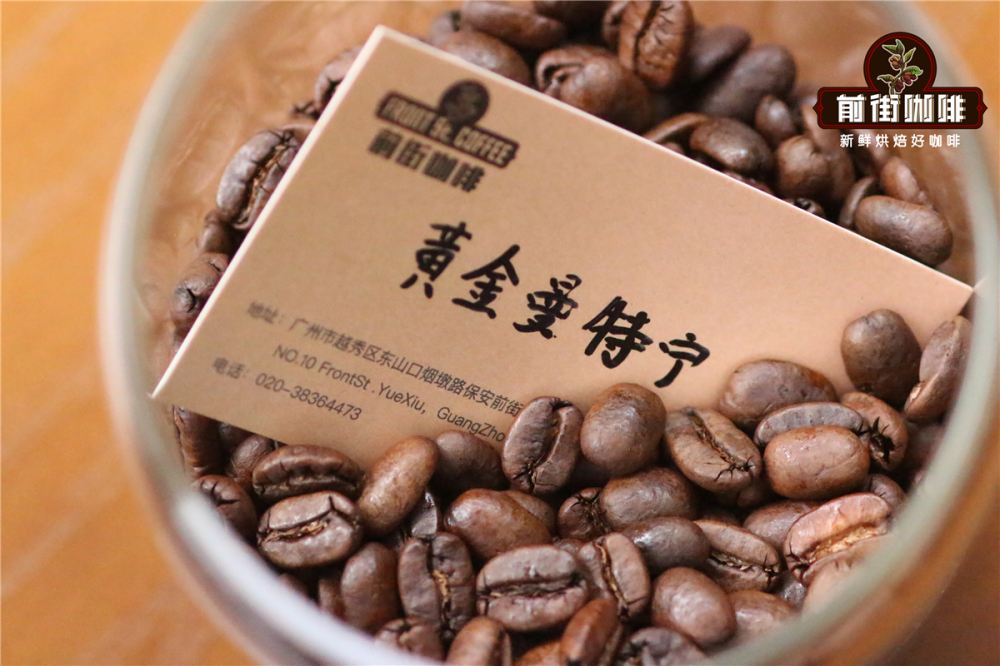
Summing up the flavor profiles of each Mandheling, the Wahana Natural Mandheling presents notes of ginseng, ripe plum, and chocolate; Lintong Mandheling showcases a balanced mix of herbs, chocolate, and caramel; Aged Mandheling is dominated by aged pu’er-like tones, caramel, and herbs, with subdued acidity; Tiger Mandheling delivers a clean and distinctly sweet profile; and PWN Golden Mandheling excels with notes of nuts, spices, licorice, and caramel, offering the cleanest and most delicate expression overall—it is an excellent choice for experiencing the essence of Sumatran coffee.
The above content is compiled by CoffeeHunters, a coffee news website.

