








Introduction:What are the unique charms of the commonly seen light, medium, and dark roasts in the specialty coffee scene? Why has light roast become the mainstream of the third wave coffee movement, while dark roast is often misunderstood? This article delves into the flavor profiles, health impacts, and brewing essentials of different roast levels, helping you choose the right beans based on your preferences and master key extraction parameters—whether using pour over or immersion—to bring out the best flavors in your coffee.
The Terroir Pursuit of Third Wave Specialty Coffee
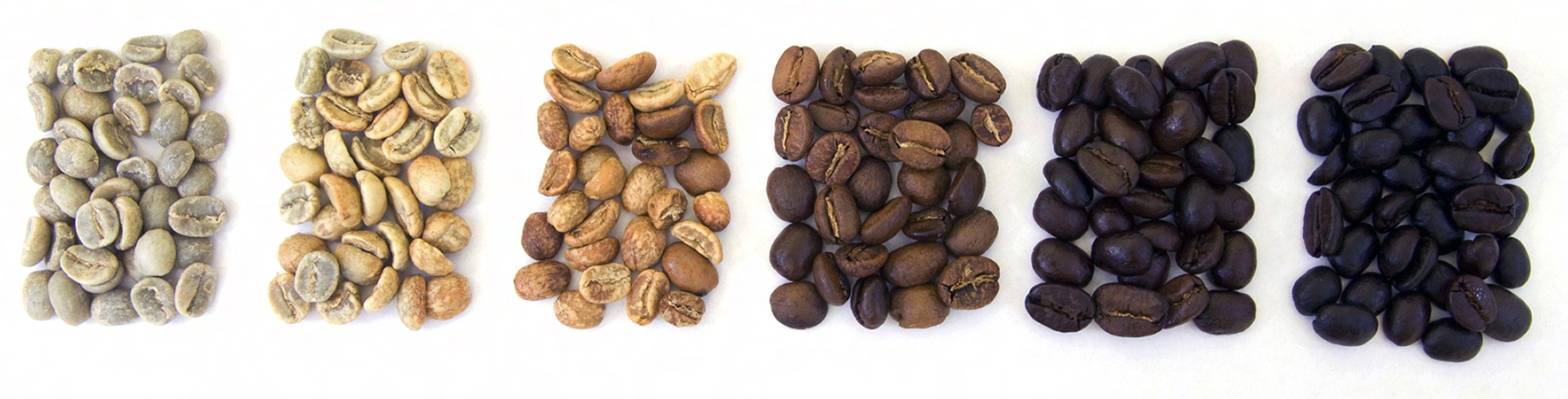
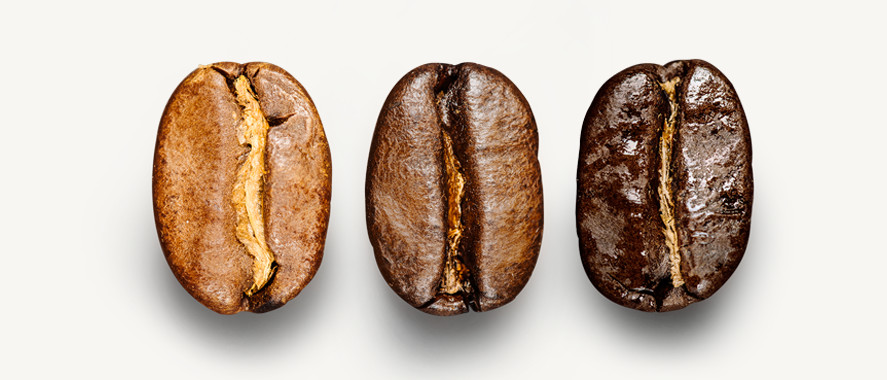
Today, many cafés proudly label their offerings as “specialty coffee,” with the core concept emphasizing the “terroir characteristics” of the coffee. This idea, originating from wine-producing regions, refers to how details such as altitude, microclimate, and processing methods shape a coffee’s unique flavor. From Ethiopia’s Yirgacheffe to Kenya’s Kochere, consumers can now explore story-driven beans—like the Red Cherry Project—through detailed origin information. This trend has madelight to medium roasts (around 88–92°C with medium-light heat, from the start to the end of the first crack)the mainstream, often paired with pour over or siphon methods, becoming the aesthetic representation of third wave coffee.
The Scientific Advantages and Brewing Secrets of Light Roast
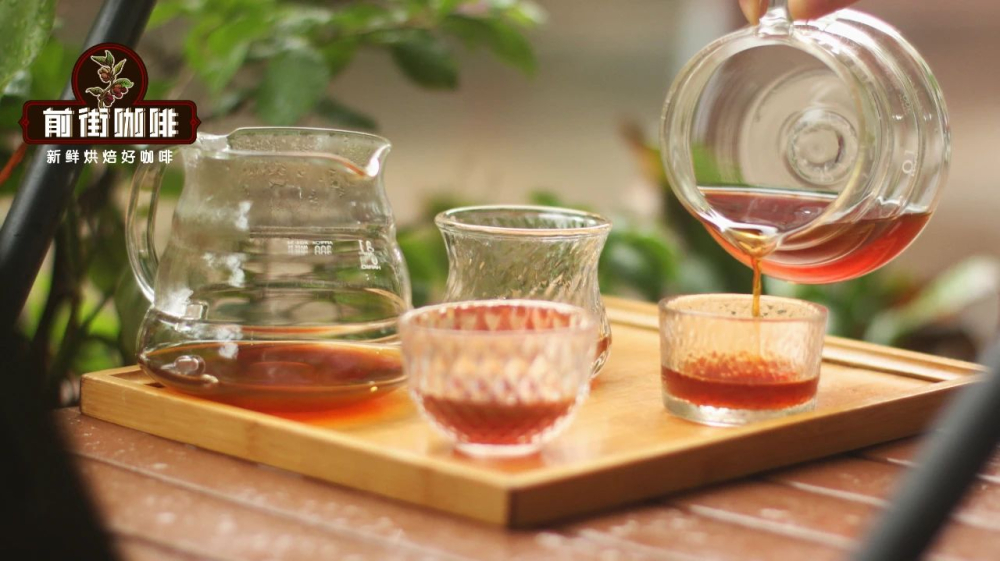
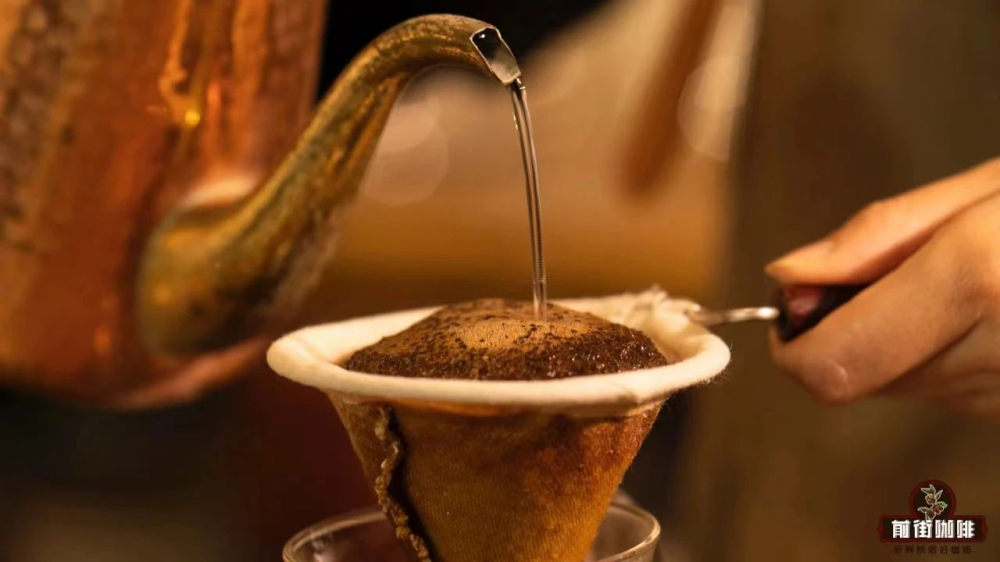
Light to medium roasts preserve the most original flavors of green beans. Their high content of chlorogenic acids offers potential benefits for liver and cardiovascular health, aligning with the natural diet trend. When brewing, it’s recommended to usefine grind (similar to sugar granules), high water temperature of 88–92°C, and a brew ratio of 1:13–1:17,along with high water flow and moderate stirring for extraction. However, note that the ideal parameters for each bean may vary depending on density and processing method—adjust from the standard range as needed.
The Misunderstanding and Cultural Value of Dark Roast
Dark roast is often associated with a “herbal medicine” taste, but it actually stems from the refined craftsmanship of traditional Japanese-style cafés. Contrary to popular belief,properly controlled dark roasts (finished after the second crack becomes intense)can transform acidity into a sweet and mellow richness, especially suitable for high-acid beans like Mandheling. The Japanese technique of “slow roasting over low heat” helps retain more caramelized sweetness, distinctly setting it apart from the heavy roasting styles of Europe and America.

The Scientific Basis for Roast Level Selection
Research by the SCA indicates that dark roasting can effectively mellow overly sharp acidity—for example, the bright citric acid of Kenya AA transforms into a honey-like sweet acidity after dark roasting. Meanwhile, the process generates niacin (vitamin B3) and the antioxidant NMP (which increases with darker roasts, potentially doubling that of light roast), offering protective effects on the stomach lining. This overturns the myth that “dark roast is harder on the stomach,” showing it may actually be gentler for sensitive digestive systems.
The Brewing Challenges and Solutions for Dark Roast
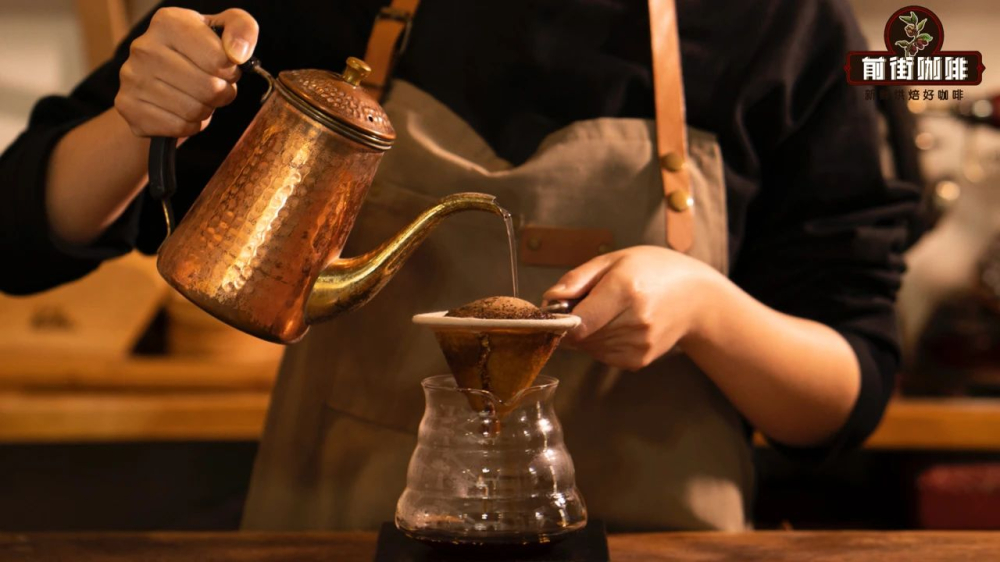
Because the cell walls of dark roast beans are severely ruptured, it’s necessary tolower the water temperature to 85–88°C, switch to a medium-coarse grind (similar to sea salt), and shorten the blooming timeto avoid over-extraction. It’s recommended to use the center pouring method to reduce agitation, keeping total brew time between 2:30–3:30. Pay attention to the drainage speed—too fast may indicate an overly coarse grind, while too slow could mean an imbalanced brew ratio.
Key Differences in Roasting Craft
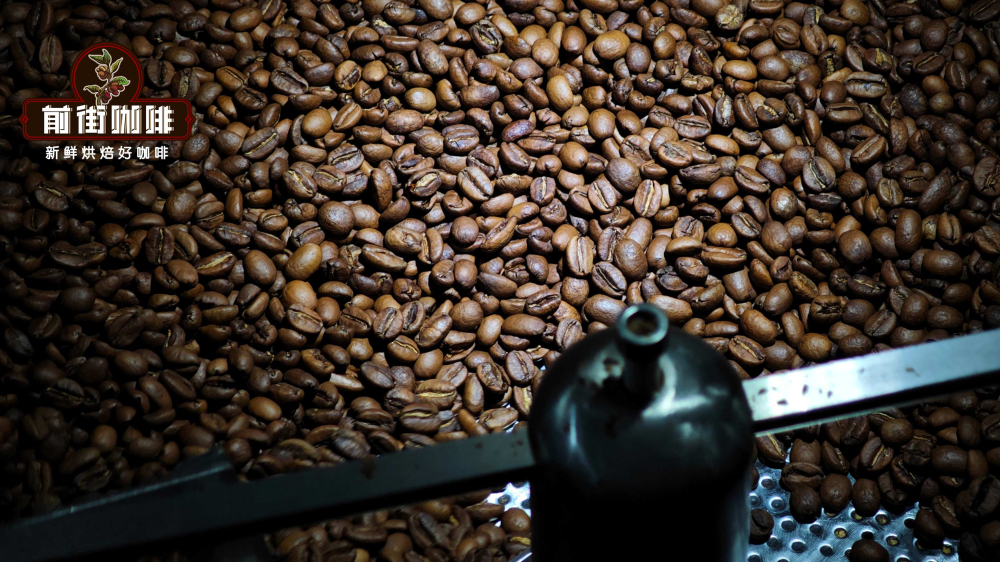
The quality of dark roasts depends on the roaster’s experience, requiring precise control over heat adjustments starting from the first crack. A high-quality dark roast should display a shiny dark brown surface with chocolate and nutty notes, rather than smoky or off flavors.Judging criteria include rising aromas (should be caramel-like, not burnt), uniformity in bean appearance, and flavor stability after cooling.The ultra-dark roasts from classic Japanese coffee shops often showcase unique molasses-like sweetness and complex layers.
Reassessing Health Benefits
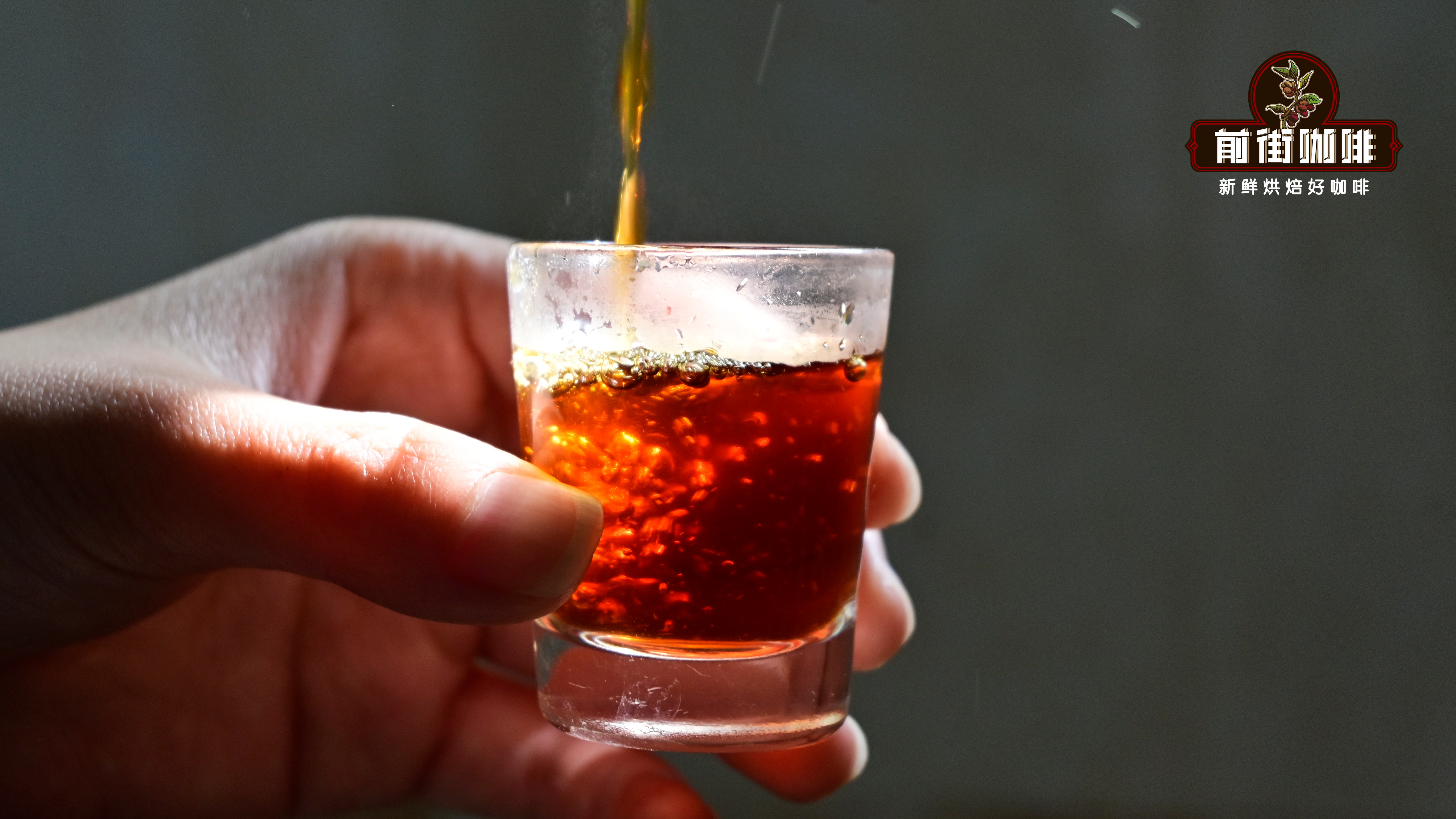
Recent studies have found that moderate dark roasting can reduce compounds that stimulate stomach acid, while increasing protective substances like NMP. Although chlorogenic acids decrease with roasting, they convert into more antioxidant-rich quinic acids. Consumers don’t need to fixate on roast level—the key is choosing freshly roasted (within 7–21 days of roast date) high-quality green beans and adjusting drinking habits based on individual constitution.
Practical Buying Tips
Beginners can start withmedium roasts (finished at the end of the first crack, balancing acidity and bitterness)to explore the variations across different origins and roast levels. Be sure to check the roast date and processing method on the packaging—light roasts are best used within two weeks of purchase, while dark roasts can be stored slightly longer but should be kept away from light and moisture. No matter which roast level you choose, freshness and precise brewing are the keys to great flavor.
The above content is compiled by CoffeeHunters, a coffee news website.

