







Introduction:Just starting your coffee journey and not sure about your flavor preferences yet? Choosing high-value single-origin coffee beans is a great way to experience the unique characteristics of different coffee-growing regions while also helping you develop your taste sensitivity and brewing skills. This article selects the 10 most popular single-origin coffee beans of 2026, covering a diverse range of flavors from Ethiopia to Indonesia, along with purchasing advice and brewing tips to help beginners easily discover their own coffee preferences.
For coffee beginners or those who haven’t yet settled on a specific taste preference, choosing single-origin coffee beans is one of the best ways to get introduced to the world of coffee. Compared to blends, single-origin beans better showcase the unique characteristics of specific regions, varieties, and processing methods—not only helping you understand flavor profiles but also allowing you to accumulate tasting experience without needing to invest a high budget. Additionally, mastering how to select fresh and consistently high-quality coffee beans is the foundation for enjoying a delicious cup of coffee.
First,judging the roast date of coffee beans is crucial. Generally speaking, the “best drinking window” for coffee beans falls within 40 to 50 days after roasting. It’s recommended to check the roast date indicated on the packaging when purchasing, and try to choose beans roasted within the last 10 days to enjoy the most vibrant aroma and layered flavors. If the beans have passed their prime, even if they’re expensive, you might end up with weak aroma or undesirable notes like woodiness or cardboard.
When selecting single-origin beans, in addition to paying attention to the date, it’s also important to consider the roaster’s reputation and the transparency of their processing methods. For example, established brands often produce beans with consistent quality, and will provide detailed information such as origin, altitude, processing method, and roast level, allowing consumers to make choices based on personal preferences. Moreover,freshly roasted coffee beans usually reach peak flavor within 5 to 10 days. It’s recommended to use them as soon as possible after purchase and store them properly in a light-proof, moisture-resistant, airtight container.
Below are the 10 most popular single-origin coffee beans of 2026, each representing distinctive regional features and brewing performance. They are suitable for various brewing methods such as pour over, drip, or French press. Beginners can explore based on their flavor preferences:
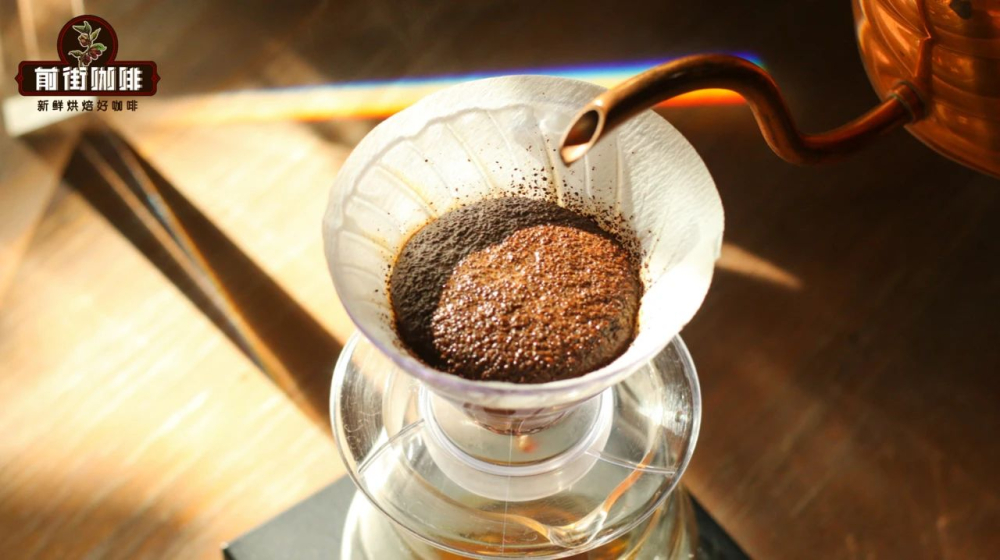
1. Ethiopia Yirgacheffe (Gedeb Cooperative) —— Grown at an altitude of about 2000–2100 meters, processed using the washed method, and of local native variety. The flavor profile is distinctly citrusy, featuring bright berry acidity, honey-like sweetness, and a tea-like aftertaste reminiscent of green tea. Ideal for those who enjoy refreshing acidity and floral notes.
2. Ethiopia Sidamo (Hua Kui Coffee Beans) —— From the Guji region of Sidamo, processed by Buku Able, grown at an altitude of 2250–2350 meters, using the natural (sun-dried) processing method. This coffee exhibits rich berry and fruit fermentation aromas, with bright strawberry-like acidity and sweet notes akin to tropical fruits like jackfruit. Suitable for those who prefer fruity and wine-like profiles.
3. Kenya Little Tomato Coffee Beans —— Produced in the Thika region, processed by Assaliya, grown at an altitude of 1550–1750 meters, using a 72-hour extended washed process. The main varieties are SL28 and SL34. Flavor highlights include unique acidity reminiscent of cherry tomatoes, plums, and dark plums, paired with brown sugar sweetness, resulting in a complex and highly distinctive cup.
4. Costa Rica Strawberry Candy Coffee Beans —— From the Mirasu Estate in the Tarrazú region, grown at 1700 meters, using the raisin honey processing method. Varieties include Geisha, SL28, ET47, and Maico. The flavor offers strawberry hard candy, fermented grape notes, and soft rose floral tones. Perfect for those who enjoy an interplay of sweetness and fruity complexity.
5. China Yunnan Typica Coffee Beans —— Sourced from the Baoshan region, grown at 1450–1550 meters, using full red cherry sun-dried processing. Although the variety is Catimor, it showcases red berry acidity and sweetness, deep dark chocolate richness, along with roasted nut and caramel sweetness. A well-balanced choice among Asian-origin coffees.
6. Brazil Queen Estate Coffee Beans —— From the Mogiana region, grown at 1400–1950 meters, using the semi-washed (pulped natural) processing method, with the Yellow Bourbon variety. Flavor highlights include mellow roasted nut aromas, silky peanut butter-like texture, and a faint fruity fermentation note in the finish. Very suitable for those who prefer low-acidity and creamy, milk-toned profiles.
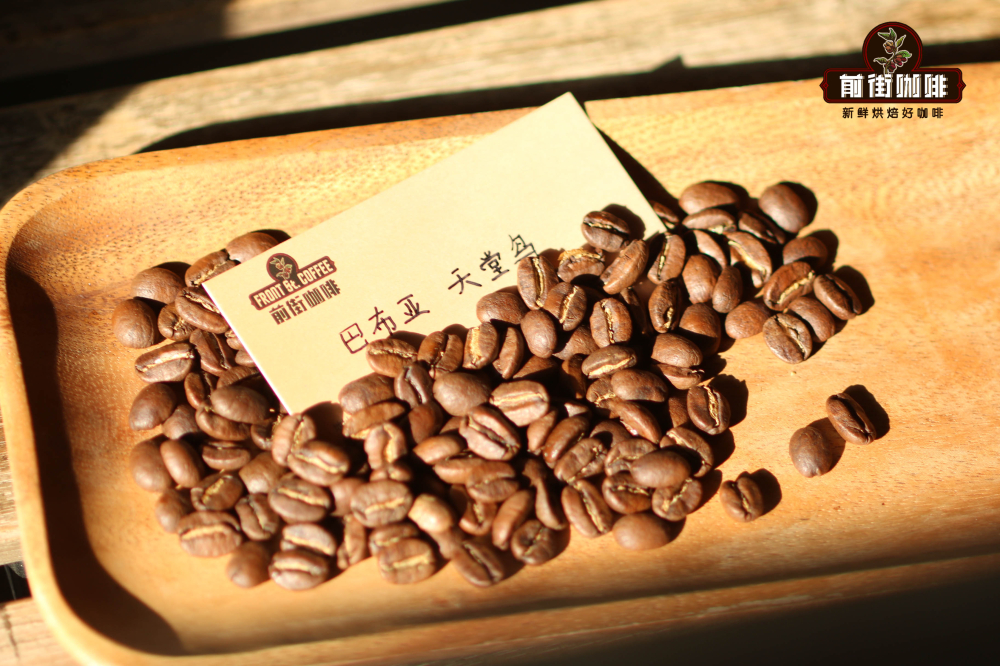
7. Papua New Guinea Bird of Paradise Coffee Beans —— From the renowned Bird of Paradise Estate, grown at 1500 meters, processed via the washed method. The variety is Typica. The flavor is grounded in citrus acidity, blended with toasted bread aroma, cane sugar sweetness, and white tea aftertaste, offering a well-rounded cup with subtle herbal undertones.
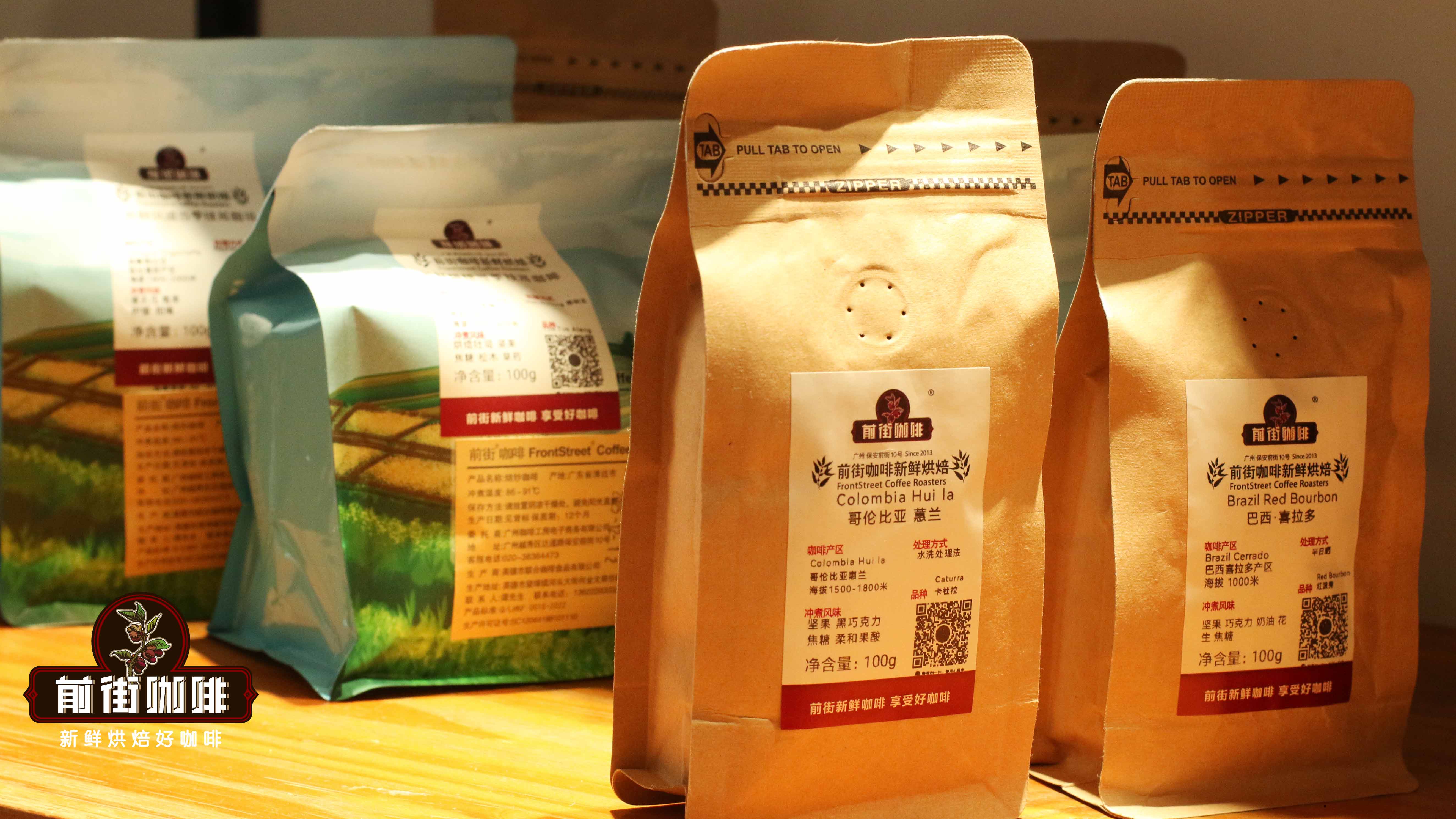
8. Colombia Washed Huila Coffee Beans —— From the Huila region, grown at 1700 meters, using the washed processing method, with the Caturra variety. The flavor centers around dark chocolate and roasted nuts, complemented by a creamy texture and mild fruit acidity. A stable and versatile bean suitable for multiple brewing methods.
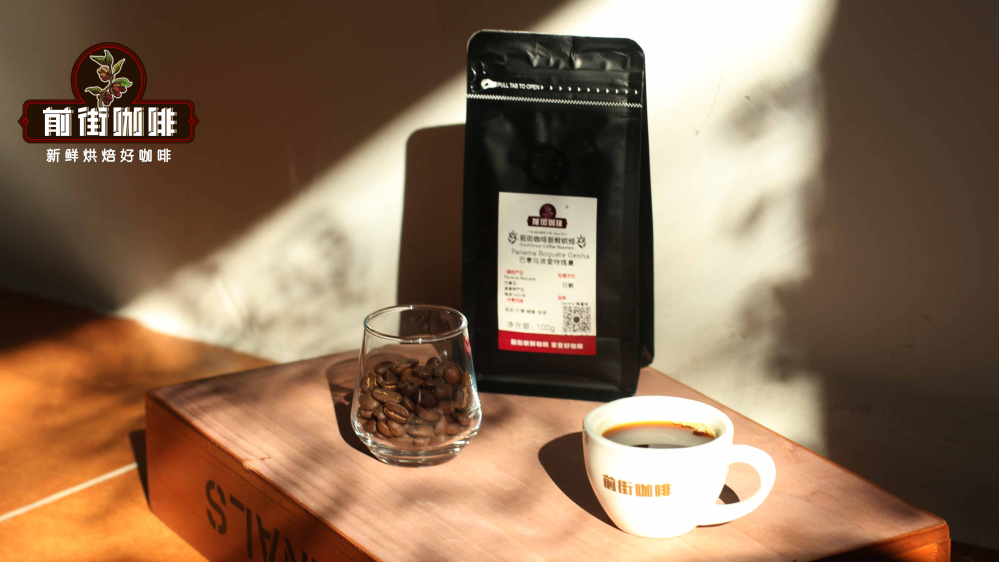
9. Panama Geisha Coffee Beans —— From the Boquete region, grown at 1700 meters, processed via washed method, with the famed Geisha variety. The flavor profile is highly layered, including jasmine floral notes, pronounced citrus acidity, juicy mouthfeel, honey-like sweetness, and black tea aftertaste. An ideal entry point for those seeking floral-fruity complexity and refined flavors.
10. Indonesia Golden Mandheling Coffee Beans —— From the Gayo Highlands of Sumatra, grown at 1600 meters, using the traditional wet-hulled (Giling Basah) processing method, with the Ateng variety. The flavor features intense herbal, pine, and dark chocolate aromas, with a complex finish of nuts, caramel, and licorice. Suited for coffee lovers who enjoy bold, low-acid, earthy profiles.

The above content is compiled by CoffeeHunters, a coffee news website.

