







Introduction:Finding the right coffee beans for home use can be overwhelming? This article breaks down the key differences in usage scenarios between single-origin beans and espresso blends based on three core dimensions: brewing method, roast freshness, and regional flavor profiles. It also explores the critical factors in preserving the flavor of freshly ground beans versus pre-ground coffee, and examines whether drip bags can be used for pour over. Includes a regional flavor guide and resting recommendations to help you find your ideal coffee bean choice.
When browsing e-commerce platforms or stepping into a specialty coffee roastery, many people often feel lost faced with an extensive list of coffee beans. In reality, mastering just a few key points can make it easy to select beans that suit your taste.
Choosing Coffee Bean Types Based on Brewing Method
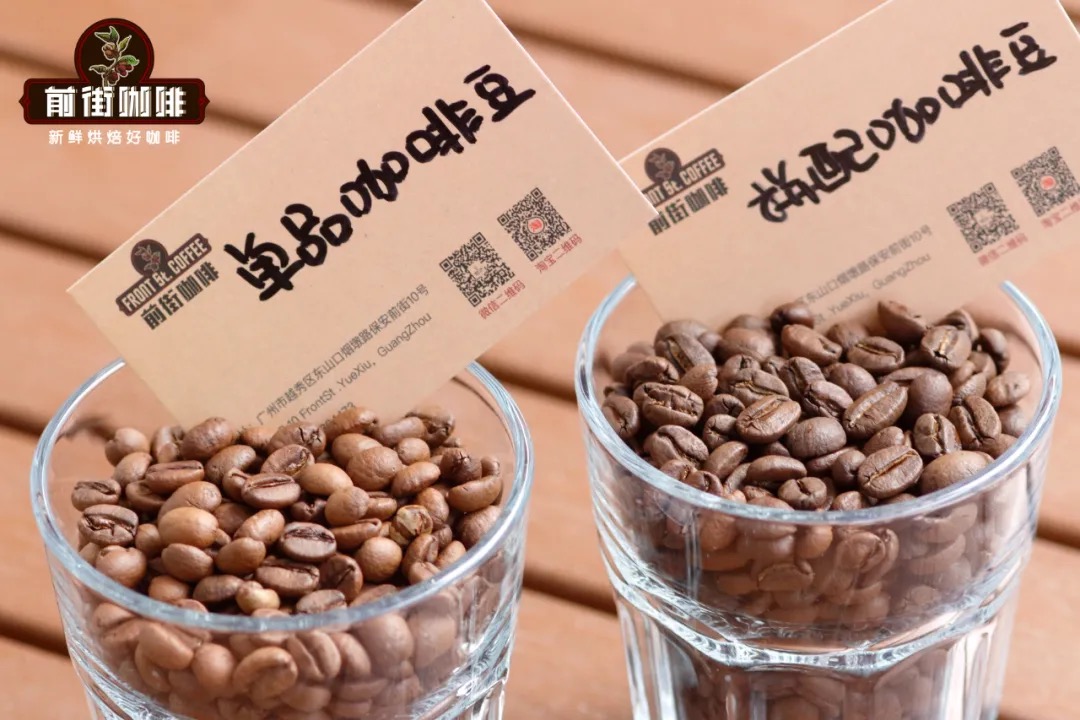
Coffee beans on the market are mainly divided into two categories: single-origin beans and espresso blend beans. Single-origin beans come from a single region or farm, and their flavors are usually clear and pure; espresso blend beans are created by mixing beans from different regions to ensure long-term flavor stability, resulting in a richer and more robust taste.
If you’re using pressure-based extraction tools like a moka pot or espresso machine, it’s recommended to choose espresso blend beans; for drip/filtered brewing methods such as pour over, French press, cold drip, cold brew, siphon pot, or drip coffee maker, single-origin beans are more suitable. However, this is not absolute—roasters often adjust the roast profile based on the brewing method to enhance specific flavor characteristics.
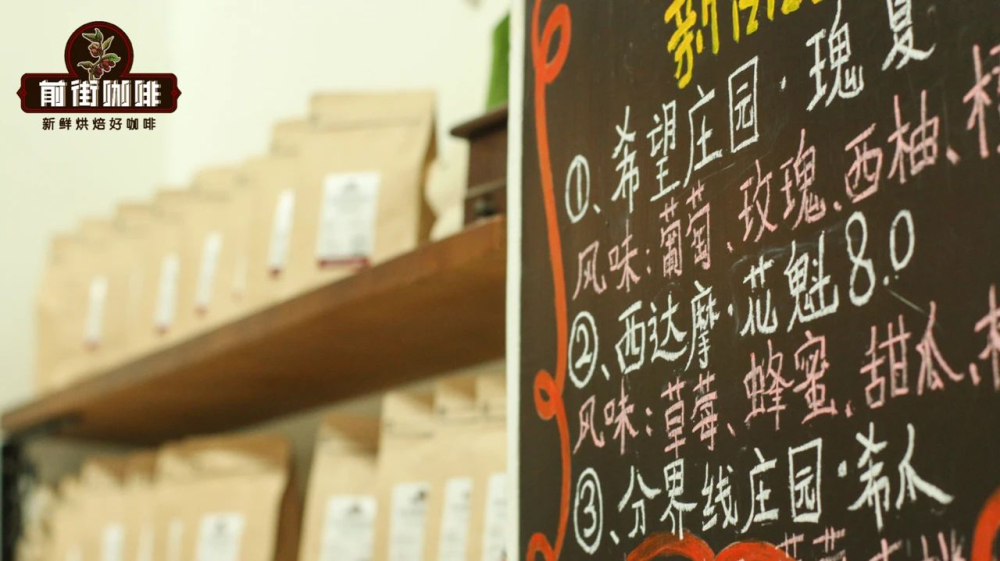
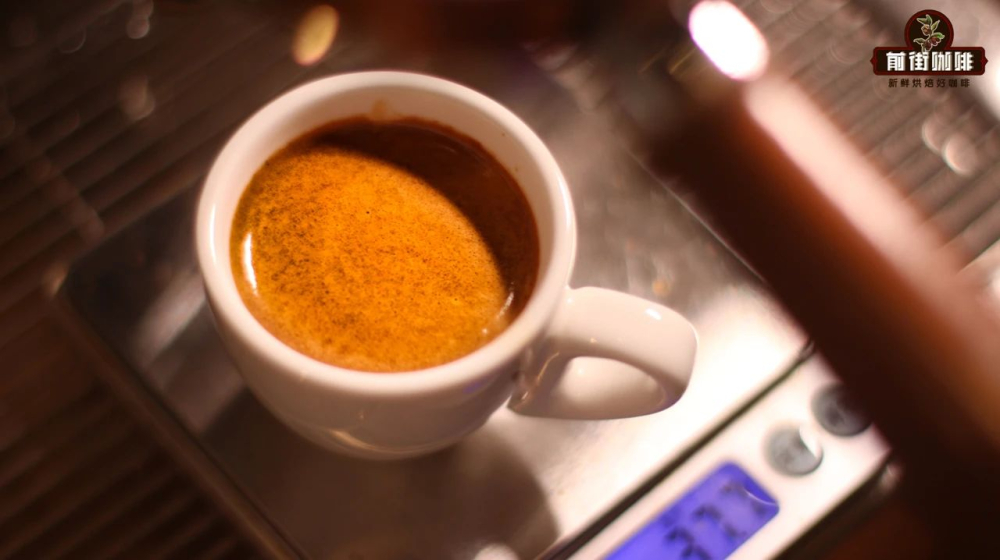
Take espresso blend beans as an example: users who prefer a rich crema and a balanced, bold taste may want to prioritize this type. For instance, a classic espresso blend might combine Colombian Huila and Brazilian Cerrado in a 3:7 ratio, delivering pronounced roasted nut and chocolate aromas.
Choose Freshly Roasted Beans with a One-Way Valve
The flavor of coffee beans is closely related to their freshness. After roasting, flavors gradually diminish over time. When purchasing, always check the roast date: single-origin beans typically have their best flavor window 15–20 days after roasting, with the golden tasting period within 30 days; espresso beans are at their peak within 30 days post-roast and remain in good condition up to 45 days.
Freshly roasted beans are not suitable for immediate use, as they contain high levels of carbon dioxide and smoky notes that can negatively affect extraction and flavor. It’s recommended to store the beans in a sealed package with a one-way valve and let them rest, allowing the CO₂ to naturally escape and carry away off-flavors (this process is called resting). The resting time should be adjusted according to roast level: light-to-medium roasts about 3–4 days, medium-to-dark roasts 5–6 days, and espresso beans 7–10 days.
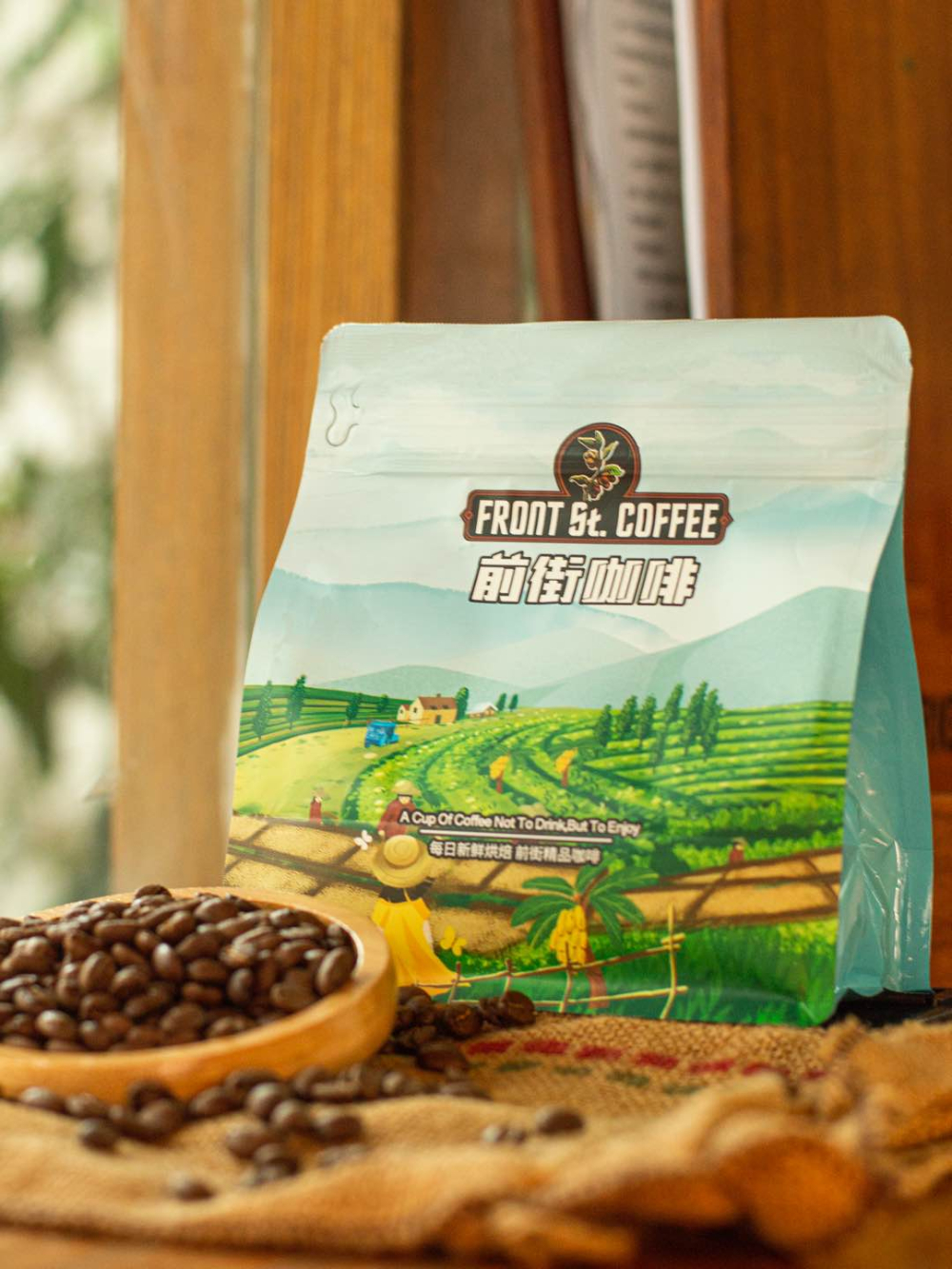
Selecting Single-Origin Beans by Region, Roast Level, and Flavor Profile
When choosing single-origin beans, you can refer to the following regional characteristics: African beans often feature floral and fruity acidity, suitable for light-to-medium roasts; beans from Central and South America are primarily nutty in character, often medium roasted; Asian region beans tend to have lower bitterness, and medium-to-dark roasts can highlight a full-bodied taste.
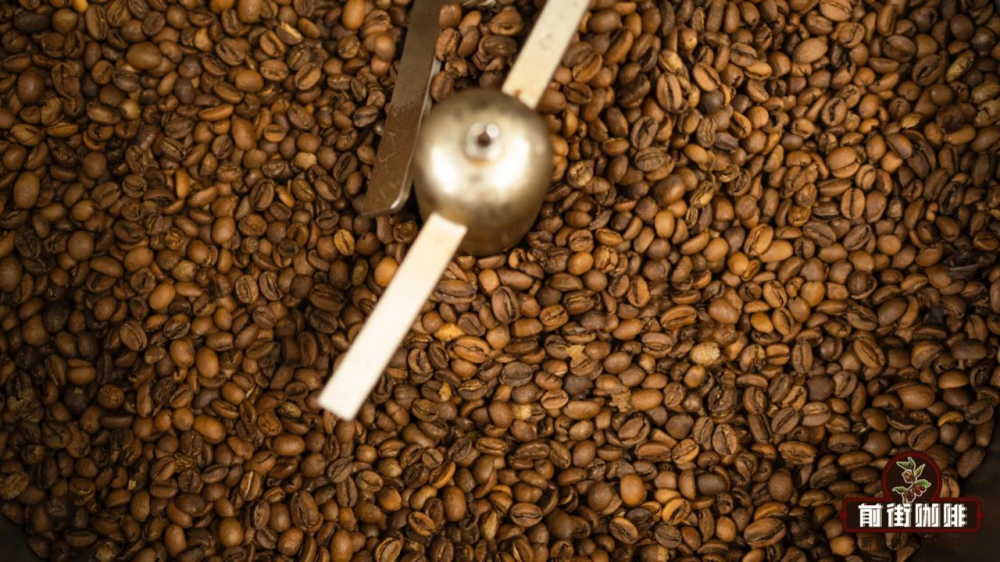
In practice, if you’re not familiar with the regions, you can directly choose based on the flavor descriptions provided by the seller. For example, flavor notes that include citrus, berries, flowers, or tea-like qualities—often indicating bright and refreshing profiles—are typically found in light-to-medium roasted beans with pronounced acidity and sweetness; descriptions featuring nuts, dark chocolate, or creaminess usually point to medium-to-dark roasted beans with a richer mouthfeel; notes of winey or intense fruitiness may suggest beans processed with special methods, where distinctive aromas are more pronounced.
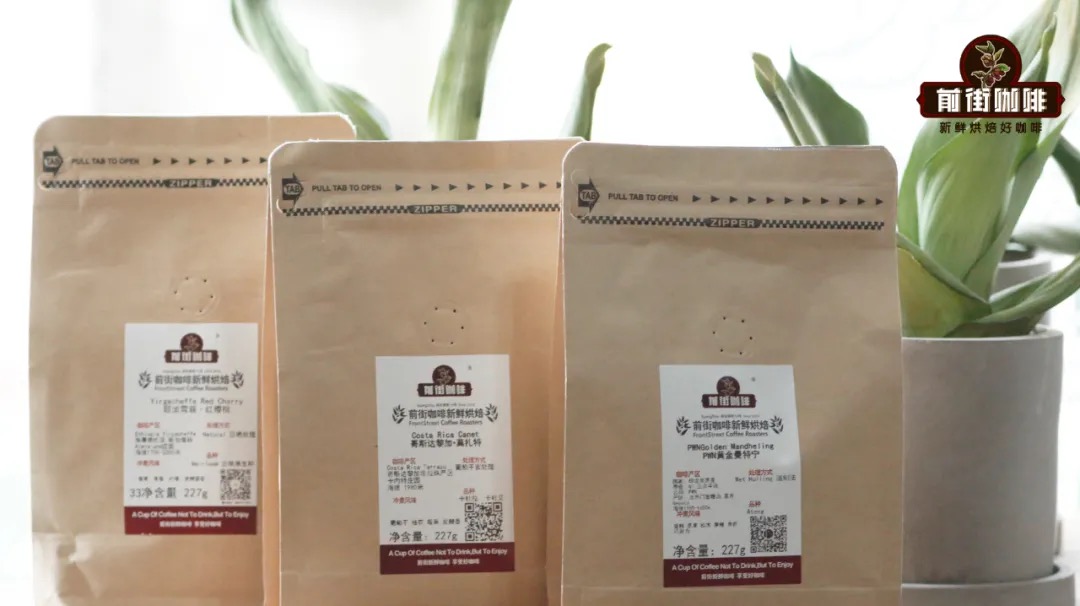
The Choice Between Whole Bean and Pre-Ground Coffee
Although many shops offer coffee grinding services, if possible, it’s recommended to buy whole beans. Whole beans slow down flavor loss more effectively, whereas ground coffee, due to increased surface area, loses its aroma quickly. Investing in a hand grinder for around 200 RMB or more and grinding beans as you use them ensures that, within the optimal tasting period, freshly ground coffee generally outperforms pre-ground in flavor.
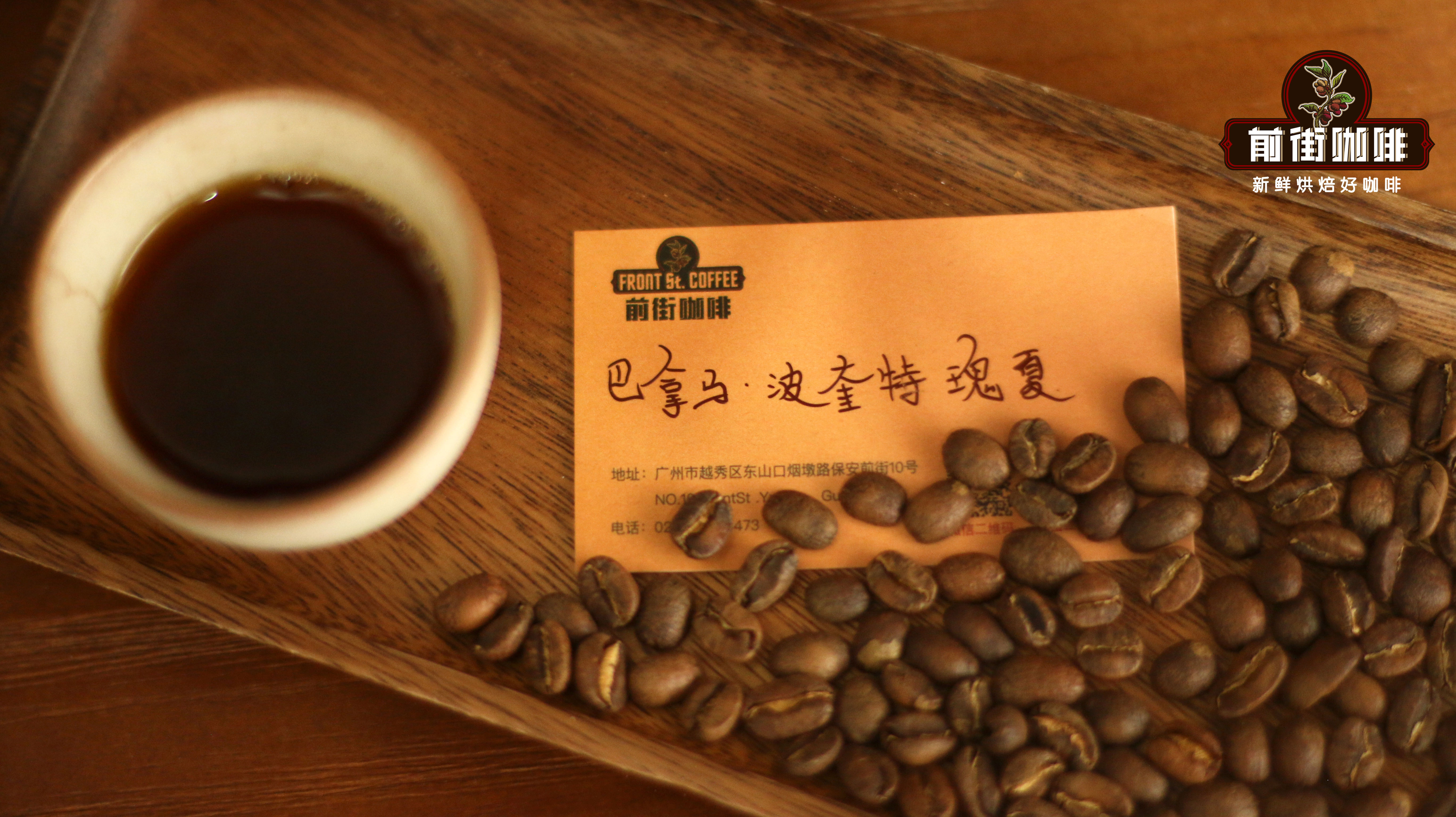
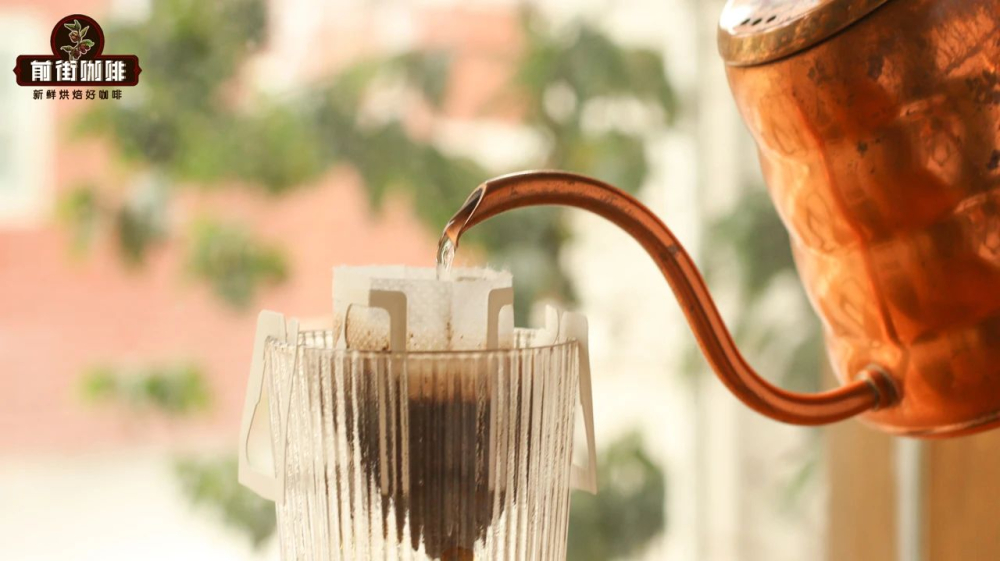
If you don’t want to buy a grinder but still want to enjoy pour over, consider drip bags. These packages contain freshly ground single-origin coffee powder, pre-measured and individually sealed—just tear open the pack and add hot water to brew.
Suitability of Drip Coffee Bags
Drip bags are essentially single-origin coffee powder that has been freshly ground and packed into filter bags, usually 10 grams per bag and individually sealed. Simply add about 150 ml of 90°C hot water to brew a cup of aromatic single-origin coffee. However, note that the recommended shelf life of drip bags is no more than 30 days to ensure optimal flavor.
Whether you choose single-origin beans, blends, whole beans, or drip formats, understanding these fundamental differences and suitable scenarios will help you more accurately find the coffee beans that match your personal taste preferences.
The above content is compiled by CoffeeHunters, a coffee news website.

