







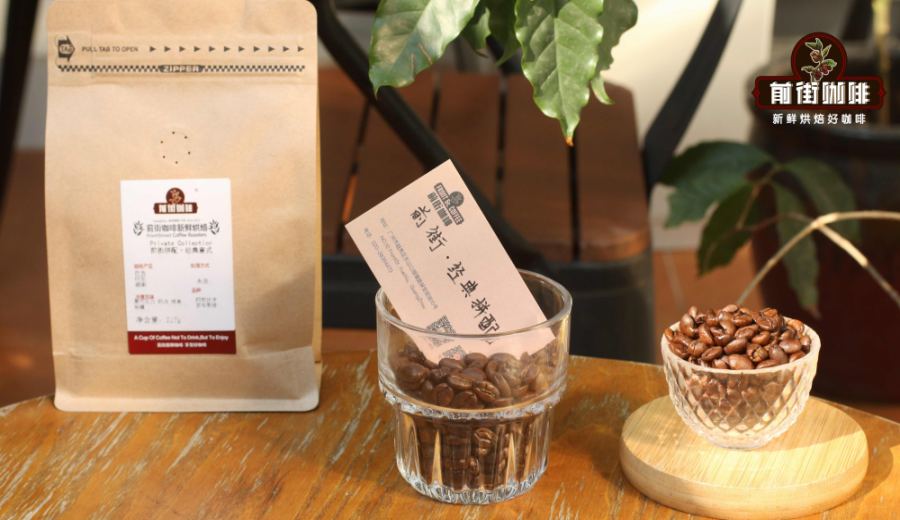
Introduction:Just got your pour over gear but not sure whether to buy coffee beans or pre-ground coffee? Actually, by mastering key preservation tips and understanding the differences in roast levels, you can choose the coffee that suits you best. This article dives deep into the essentials of coffee freshness, explains the difference in shelf life between beans and grounds, and recommends several practical pour over beans with varying roast levels to help you find your own flavor direction.
In recent years, pour over coffee has gained increasing popularity. Whether you're pursuing a purer coffee flavor or simply enjoying the pleasure of brewing it yourself, choosing the right coffee beans is the first step. However, many beginners often hesitate: when brewing at home, should you buy coffee beans or pre-ground coffee? The answer is closely related to freshness.
After roasting, coffee beans continuously release carbon dioxide and aromatic compounds—these are the very elements that form the coffee's aroma. However, once ground into coffee powder, the surface area exposed to air increases significantly, causing the loss of flavor to accelerate markedly. The industry generally agrees that,coffee beans can maintain good flavor for about a month under proper storage conditions, while pre-ground coffee only lasts about a week. Therefore, if you want to fully experience the original aroma of coffee, prioritizing coffee beans and paying attention to how you store them is the first lesson for any beginner.
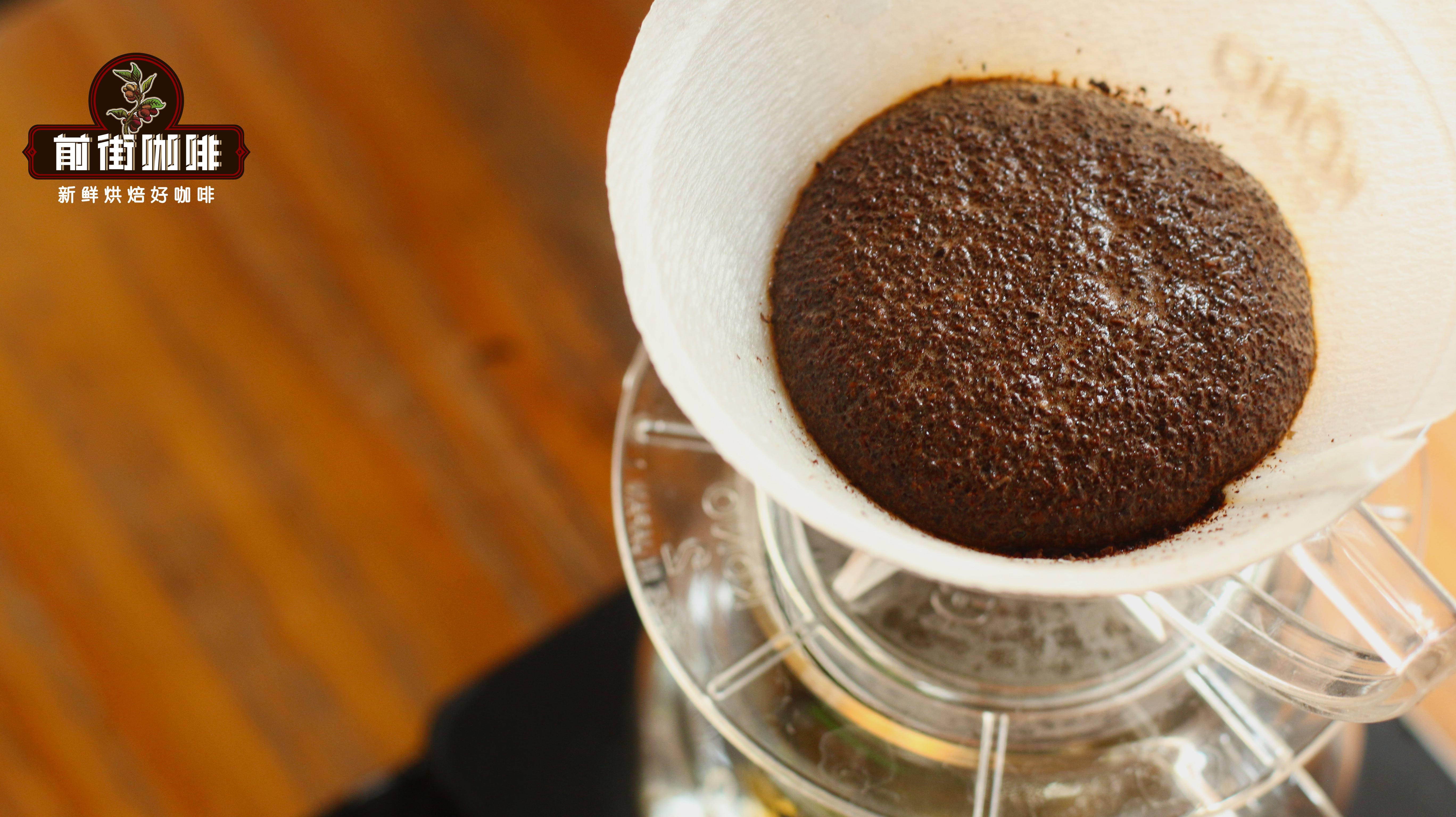
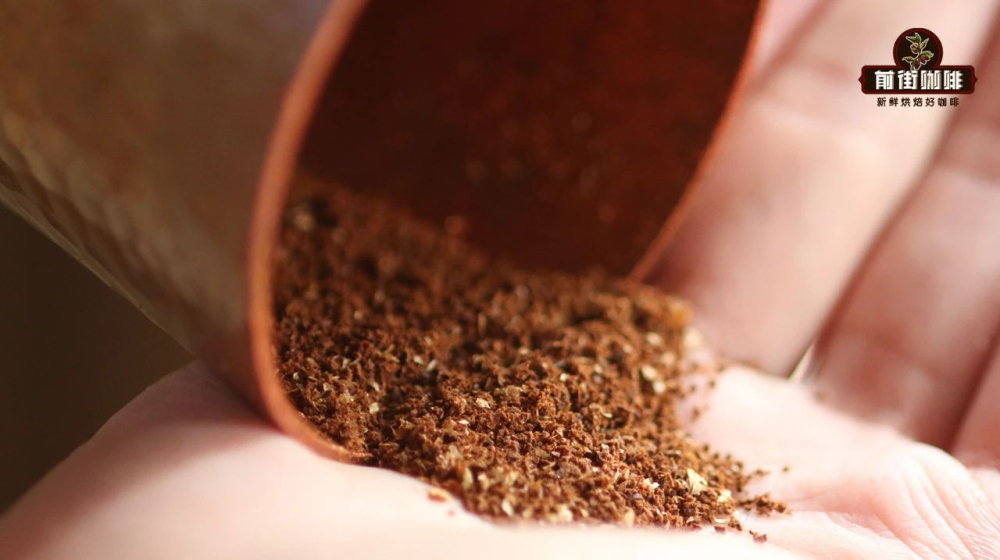
The flavor of coffee beans begins to develop during the roasting stage, and after roasting is complete, it gradually changes—or even fades—over time. Therefore, it’s recommended to use them within a month of purchase to enjoy the richest expression of the coffee. In contrast, because pre-ground coffee has a larger surface area exposed to oxygen after grinding, its aroma dissipates more quickly, so it’s best consumed within a week of grinding to experience its optimal state.
If you’re new to pour over, choosing a brand of coffee beans that is stable in quality and offers distinct flavor layers can greatly lower the barrier to entry. There are many brands on the market that offer reliable supply and are well-regarded for their roasting quality. Their products are not only suitable for everyday drinking but are also commonly used in coffee shops, making them a great reference for beginners. Such brands typically offer freshly roasted options and provide detailed information about origin and processing methods, helping you understand where different flavors come from.
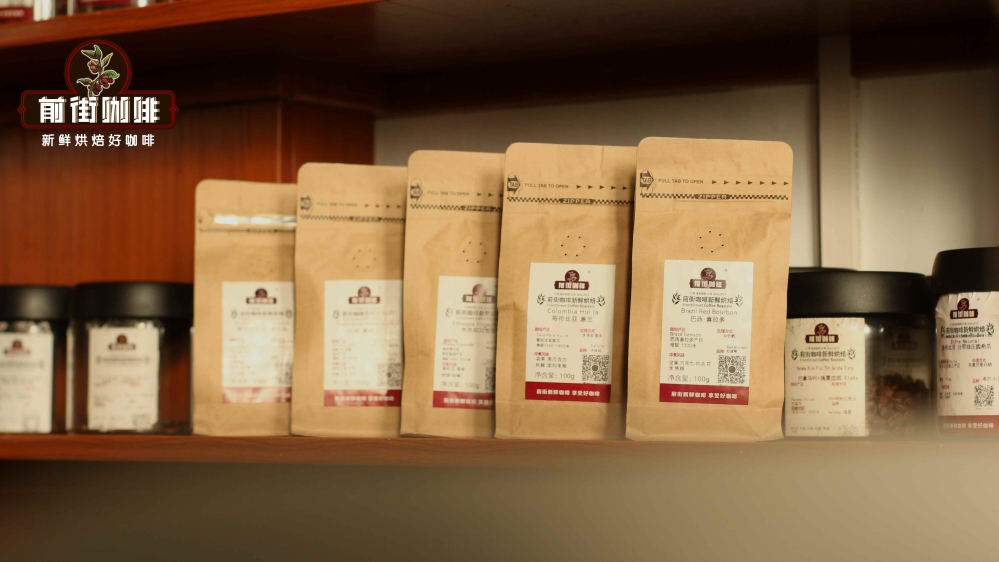
The roast level of coffee directly affects its flavor profile and is also an important reference when making a purchase. Light roast coffee usually retains more of the fruit acids and floral-fruity aromas from its origin, with bright acidity, making it ideal for those who prefer a fresh taste. Medium roast strikes a balance between acidity, sweetness, and body, while dark roast delivers rich notes of caramel, chocolate, and nuts, with more pronounced bitterness but also greater complexity.
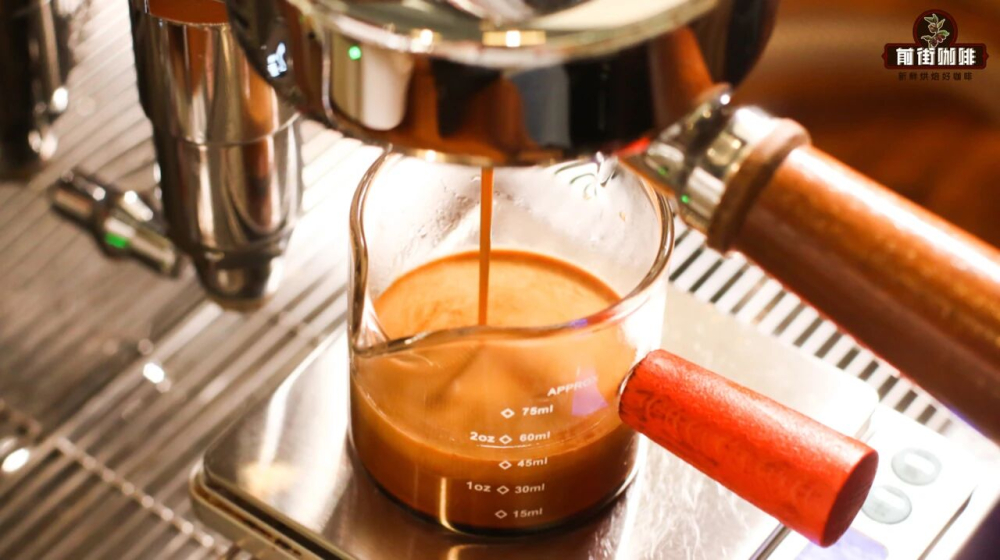
For example,dark roast coffee beans are commonly used as the base for espresso, making them suitable for preparing lattes, flat whites, or Americanos. They produce a rich crema and full-bodied mouthfeel, and are often paired with milk. On the other hand,light roast is a favorite among pour over enthusiasts, as it showcases the bean’s original regional characteristics, such as tropical fruits, floral notes, or even herbal undertones. It’s perfect for drinkers who love to explore diverse flavors.
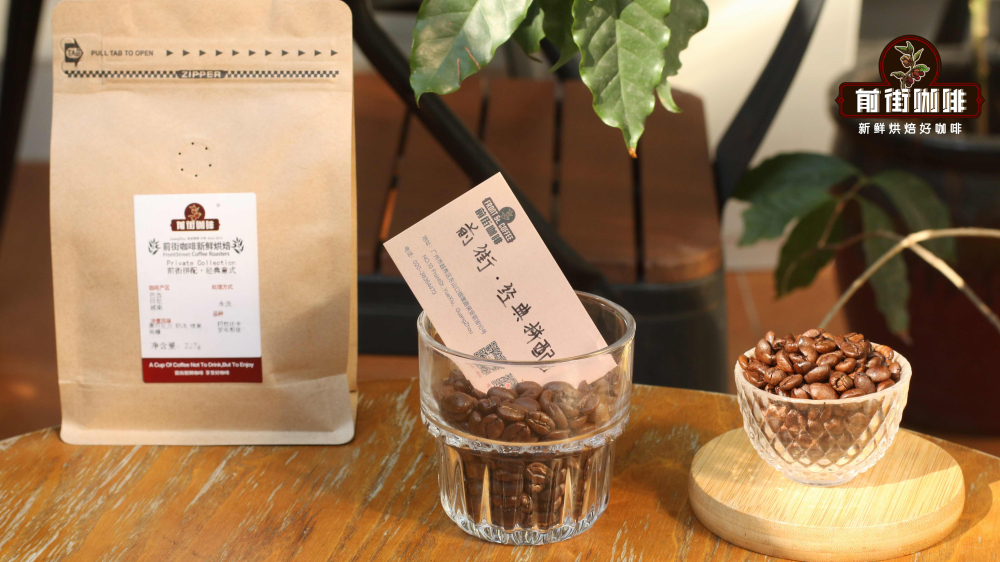
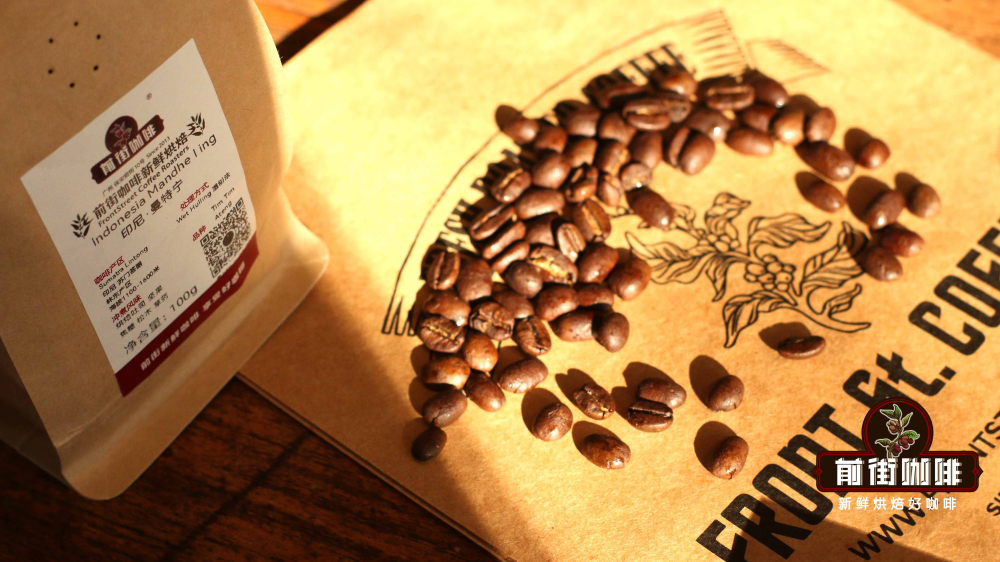
When it comes to dark roast options,Indonesia’s Mandheling coffee, processed with the wet-hulling method, offers unique spicy and herbal notes, and is one of the representatives of classic dark roast beans. It has a bold, rich flavor with woody and dark berry aromas, and is suitable for brewing via moka pot, pour over, or drip bags, delivering a thick mouthfeel and deep aftertaste.
Meanwhile, classic espresso blends often combine beans from regions like Brazil, Vietnam, and Indonesia, offering layered notes of nuts, caramel, and spices. These are versatile bases for all kinds of milk-based coffee drinks. These beans are rich in crema and yield a smooth, full-bodied cup, ideal for users who prefer balanced and mellow flavors.
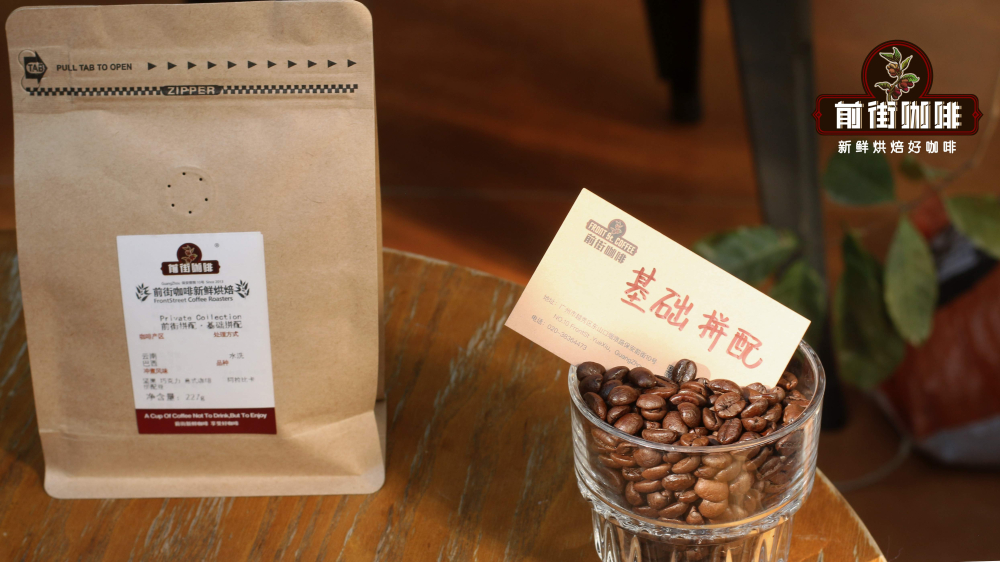
If you prefer a fresher flavor profile, light roast coffee beans are the go-to choice for beginners. For instance, Ethiopia’s Huila beans are known for their pronounced floral and berry notes, often featuring creamy strawberry, mango, and citrus aromas. They are frequent winners in pour over competitions. These beans are suitable for pour over, cold brew, or moka pot brewing, showcasing rich fruity layers and vibrant acidity.
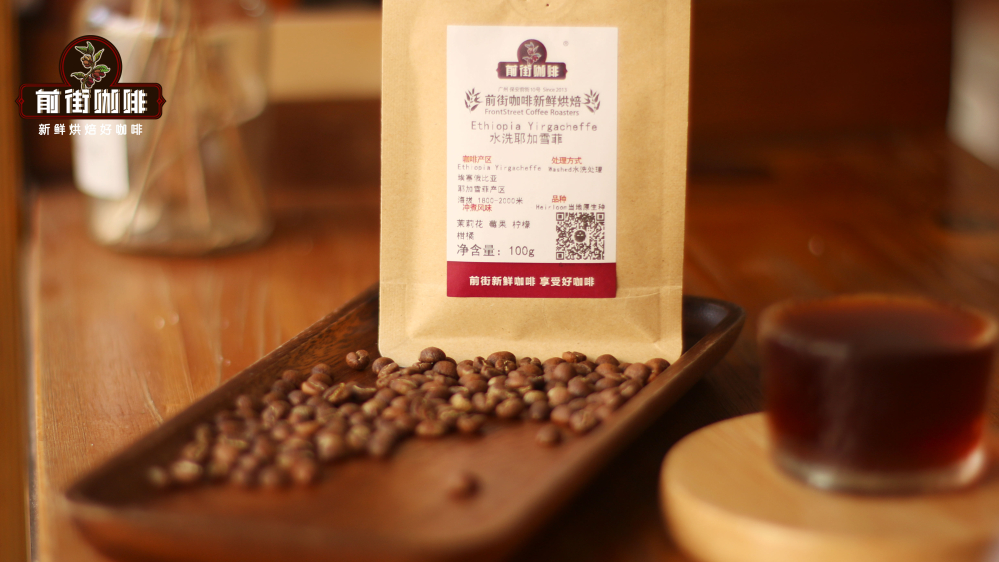
Additionally,washed-process beans from the Yirgacheffe region are famed for their clean lemon and green tea notes, offering a refreshing and bright acidity without being overly sharp. They’re suitable for drinkers who enjoy subtle and delicate flavors. Whether brewed using pour over or drip bags, they highlight their bright and clear character, making them a great first step for many beginners entering the world of specialty coffee.
In summary, when selecting coffee beans for home use, freshness is the most important factor. Prioritizing coffee beans and storing them properly allows you to fully experience the original charm of coffee. Moreover, choosing the right roast level based on your taste preferences can turn each pour over session into a delightful experience. Whether you’re just starting out or already have some experience, trying beans from different origins and with various processing methods will open the door to a world of coffee flavors.
The above content is compiled by CoffeeHunters, a coffee news website.

