







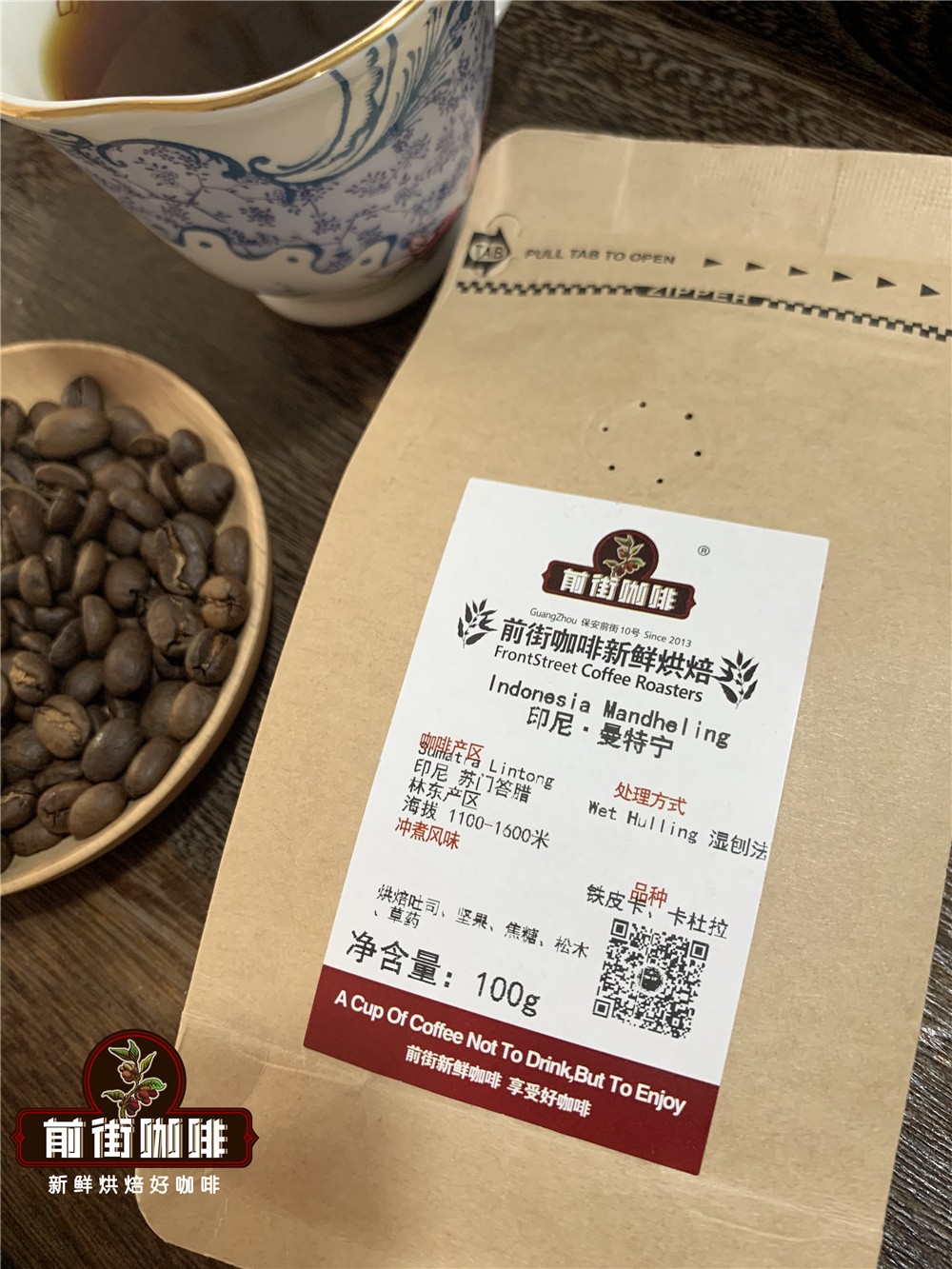
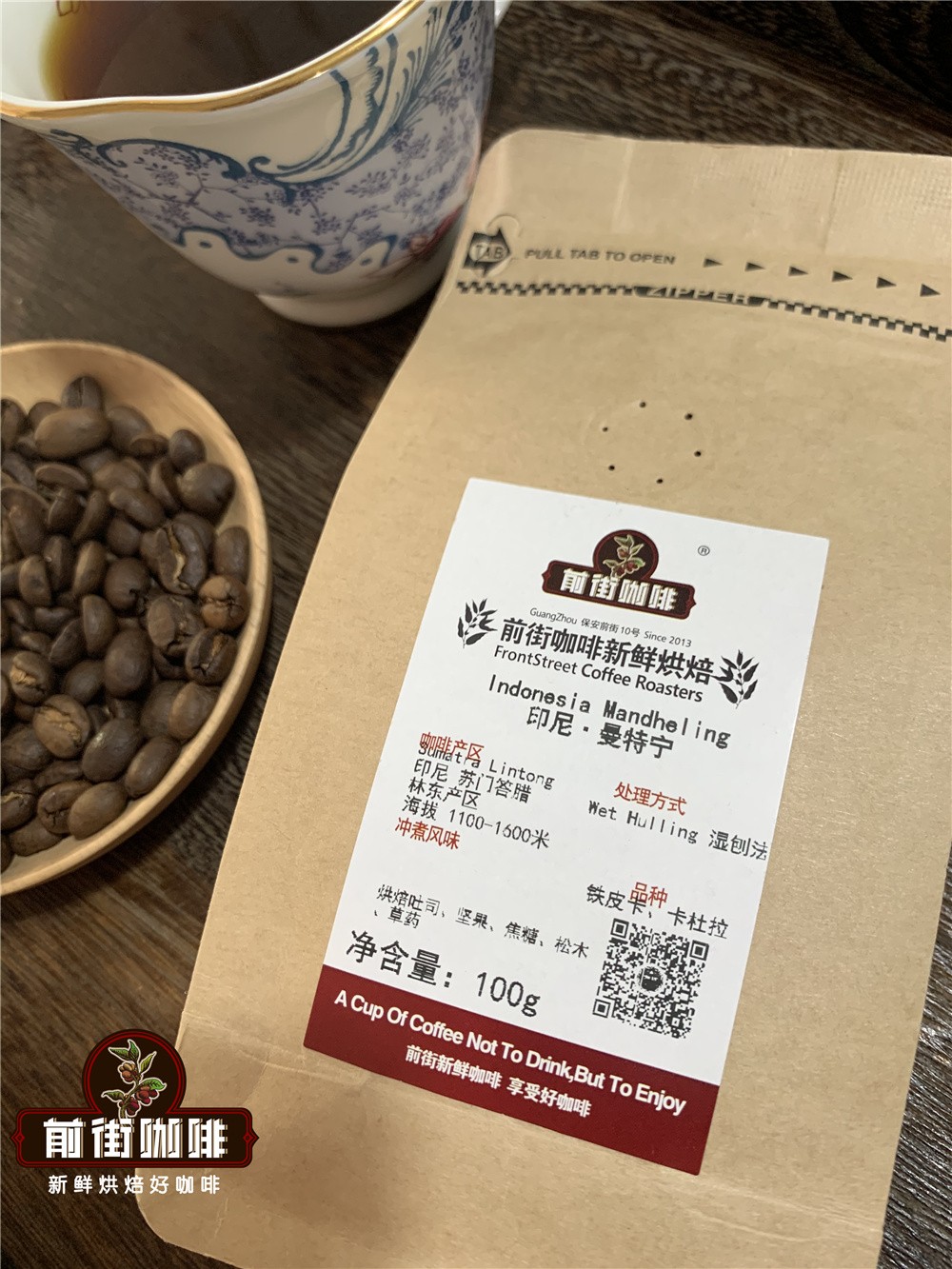
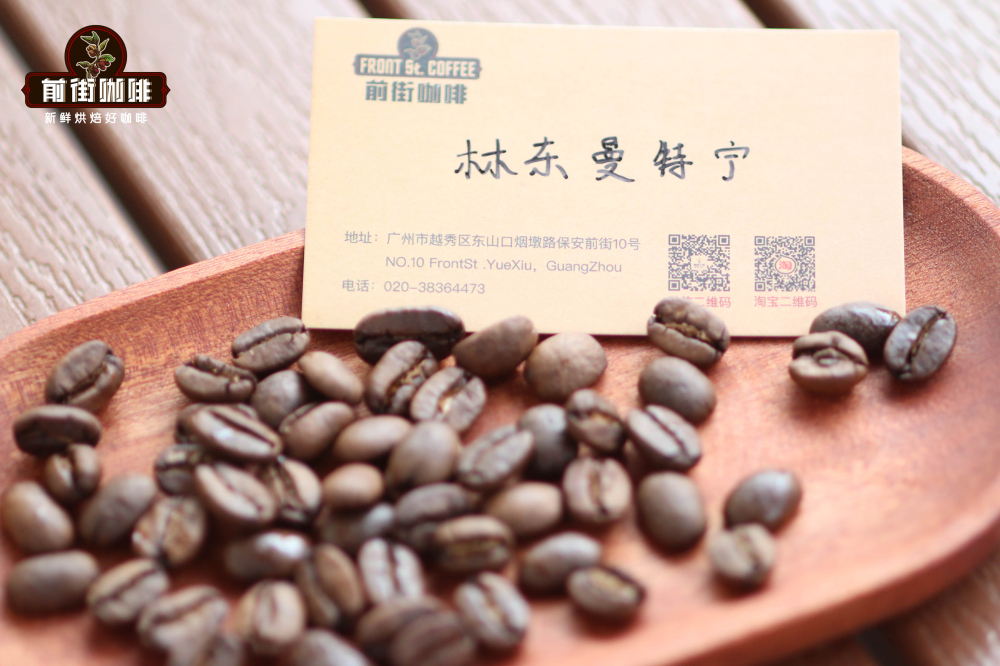
Introduction:Did you know that "Mandheling" is not actually the name of a producing region, but rather originated from a transliteration mistake? This article delves into the origins of Mandheling coffee, the differences between Golden Mandheling and regular Mandheling, and introduces Indonesia’s unique wet-hulling processing method and the characteristics of the Ateng variety. It also provides a detailed flavor profile of Golden Mandheling along with pour over brewing recommendations to help you better understand this classic Sumatran coffee.
The name "Mandheling" actually has nothing to do with the producing region or coffee variety, but stems from a historical misunderstanding. During World War II, a Japanese soldier in Indonesia drank an unforgettable cup of coffee and asked the shop owner for the name of the coffee. Mistaking his question for the origin, the owner replied: "Mandheling." After the war, the soldier, relying on memory, arranged for about 15 tons of coffee to be shipped from Indonesia to Japan, where it was met with great acclaim. Since then, the name "Mandheling" has been widely known.
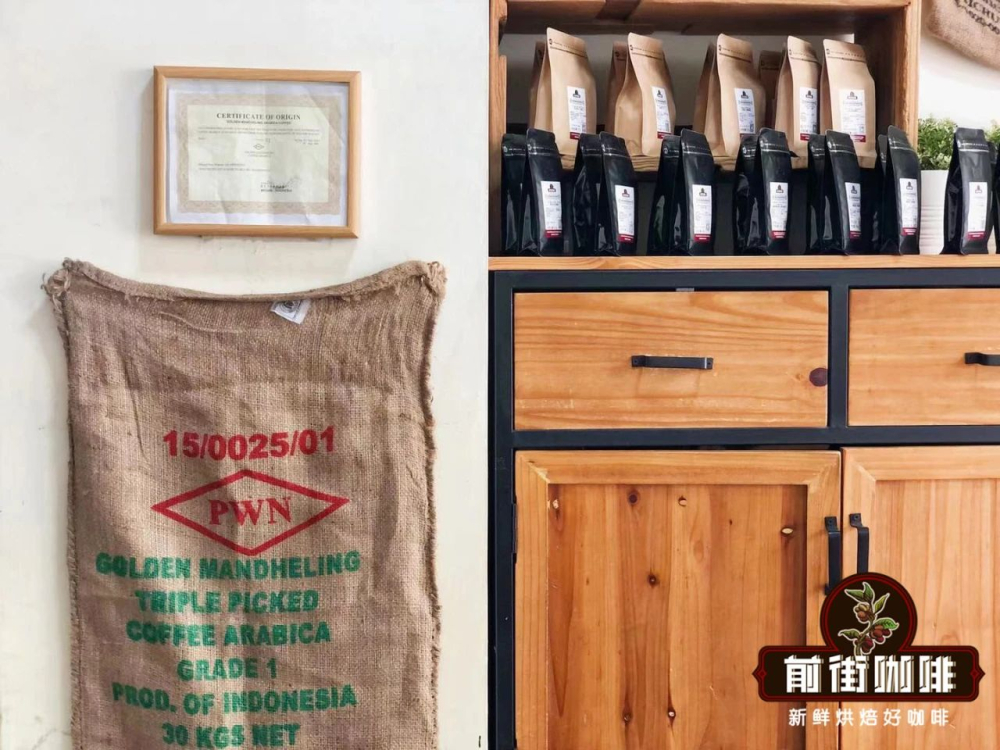
"Golden Mandheling," on the other hand, represents the highest quality tier among Mandheling coffees and is produced through careful selection by Indonesia’s renowned PWN coffee company. PWN is not only the main supplier of Mandheling coffee to the Japanese market, but also the only authorized processor of the highest-grade Mandheling. The company rigorously selects the finest beans from Indonesia’s Sumatra region and employs a high-standard manual sorting process to ensure each green bean meets the most stringent quality requirements.
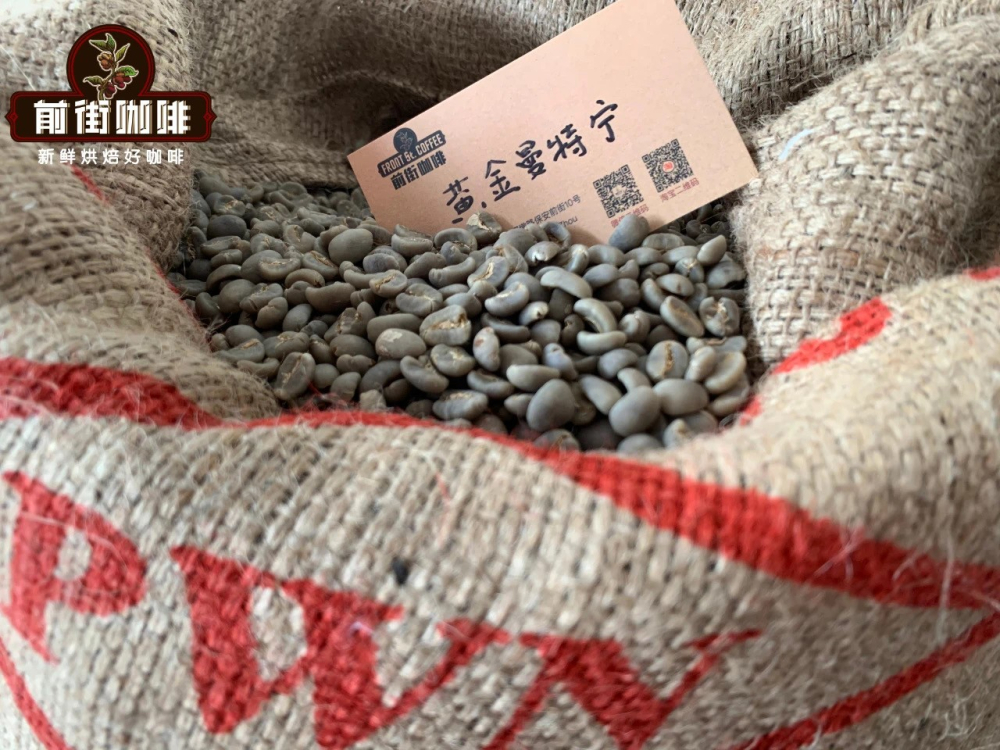
These green beans undergo mechanical screening followed by three rounds of manual inspection, ultimately retaining only those beans that are intact with minimal defects. The specific criteria include: a bean size of 18 to 19 or above, no more than 3 defective beans per 300-gram sample, a grade of G1, and beans that are dark green in color, uniformly sized, and regularly shaped. Such strict quality control ensures that Golden Mandheling far exceeds Indonesia’s local top-grade G1 standard.
In terms of flavor, Golden Mandheling showcases rich notes of dark chocolate, nuts, and caramel, layered with herbal spices and subtle pine wood nuances. Upon tasting, it delivers a pronounced sweetness and a long, clean finish. As the temperature drops, softer fruit acidity and delicate aromatic shifts become noticeable. In contrast, regular Lintong Mandheling everyday beans (often a blend of Ateng and Tim Tim) exhibit a strong nutty profile with a hint of melon aroma in the aftertaste. When cooled, the herbal flavors become more prominent, delivering a full-bodied taste and rich aroma—making them well-suited for daily drinking.
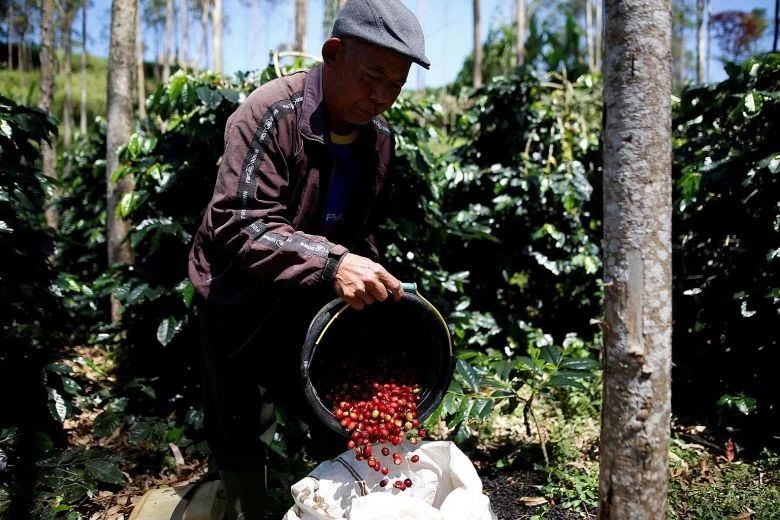
Speaking of Mandheling varieties, one must explore the evolution of Indonesian coffee. Initially, Indonesia cultivated Typica, introduced by the Dutch in the late 17th century. However, the outbreak of leaf rust disease in 1877 nearly wiped out all Typica plants. Indonesia subsequently introduced disease-resistant Robusta, which remains one of the primary varieties to this day. To enhance yield and adaptability, Indonesia later introduced various disease-resistant varieties, among which Tim Tim, Bor Bor, and the Ateng series became the most widespread. These varieties are mostly hybrids of Robusta and Arabica, well-suited to Sumatra’s terroir and characterized by a unique cedar-like aroma. Currently, Ateng and Tim Tim account for 70% of Sumatra’s coffee production, and Golden Mandheling is selected from the Ateng variety.
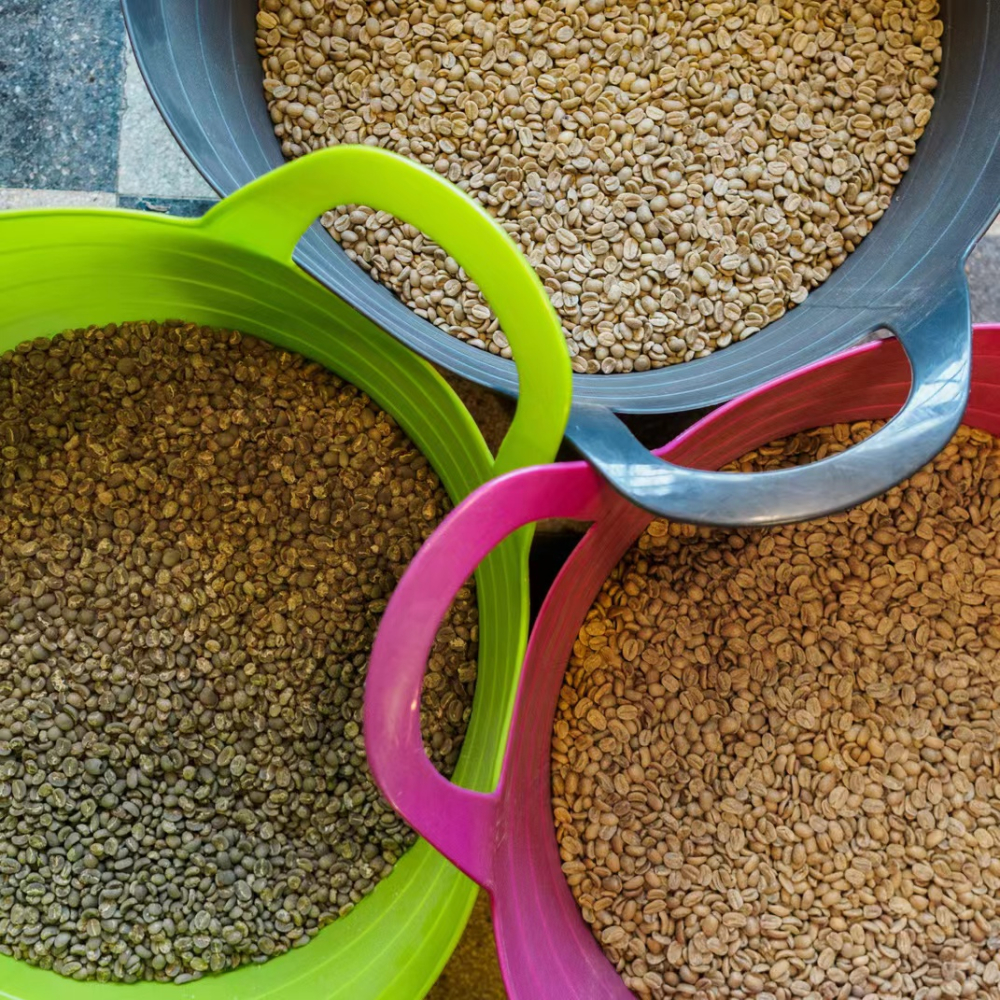
Another hallmark of Indonesian coffee is its distinctive "wet-hulling" processing method, also known as semi-washed. Due to the perpetually humid local climate, where humidity often reaches 70% to 90%, traditional washed processing is prone to mold. Wet-hulling involves removing the coffee cherry's outer skin, briefly fermenting it, and then washing off the mucilage. The parchment-covered beans are then sun-dried to a moisture content of 30% to 40% before hulling, significantly shortening the drying time. While this method reduces acidity, it enhances body and imparts unique herbal, medicinal, and earthy aromas. After roasting, it often presents intense flavors of dark chocolate, caramel, and toasted nuts—classic flavor traits of Sumatran coffee.
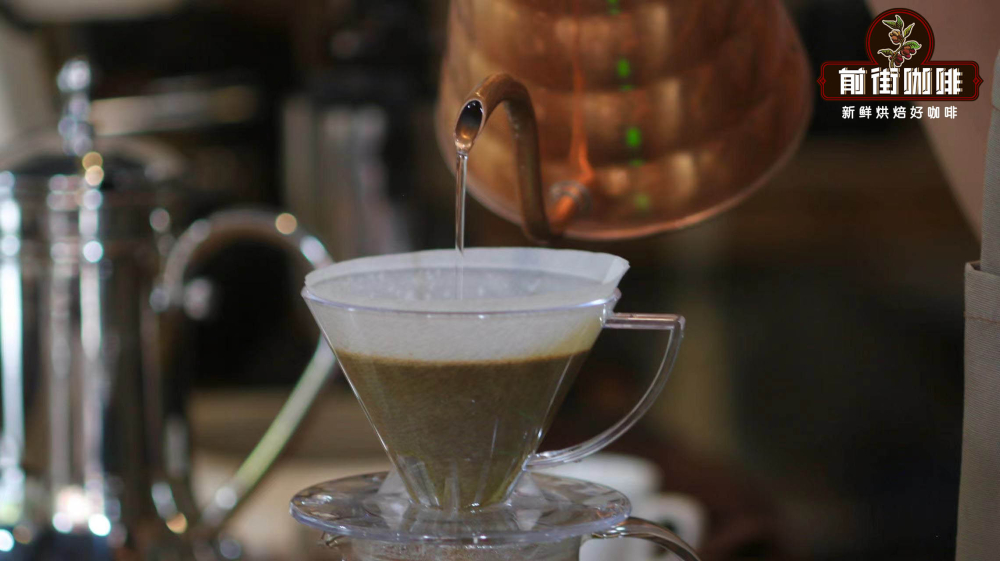
If you wish to brew Golden Mandheling at home, a pour over method is recommended to fully highlight its layered and nuanced flavors. Suggested parameters are as follows: water temperature between 87–88°C, approximately 15 grams of coffee grounds, a 1:15 coffee-to-water ratio, and a medium-coarse grind size (roughly equivalent to 70% extraction through a Chinese standard No. 20 sieve). Using a KONO filter cone is recommended to help stabilize flow rate and flavor expression.
For brewing steps, a three-stage pouring method is advised: begin with a 30ml bloom pour to allow the coffee grounds to degas fully; follow with a second pour of 100ml to extract the golden crema and foundational flavors; and conclude with a third pour of 95ml poured centrally to gently draw out sweetness and aftertaste, resulting in a smoother, more balanced overall cup.
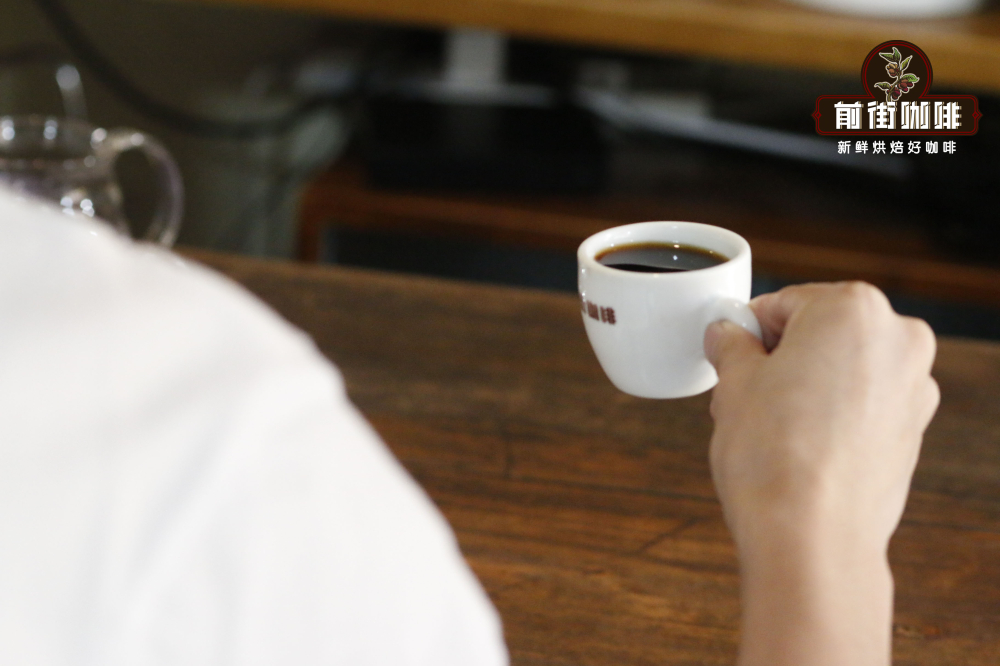
By understanding the origins, variety background, processing methods, and brewing details of Mandheling, you’ll be able to better appreciate the deep allure of this classic Indonesian coffee. Whether you’re pursuing the high-quality profile of Golden Mandheling or prefer the everyday character of a staple bean, Sumatran coffee offers a uniquely diverse flavor experience.
The above content is compiled by CoffeeHunters, a coffee news website.

