







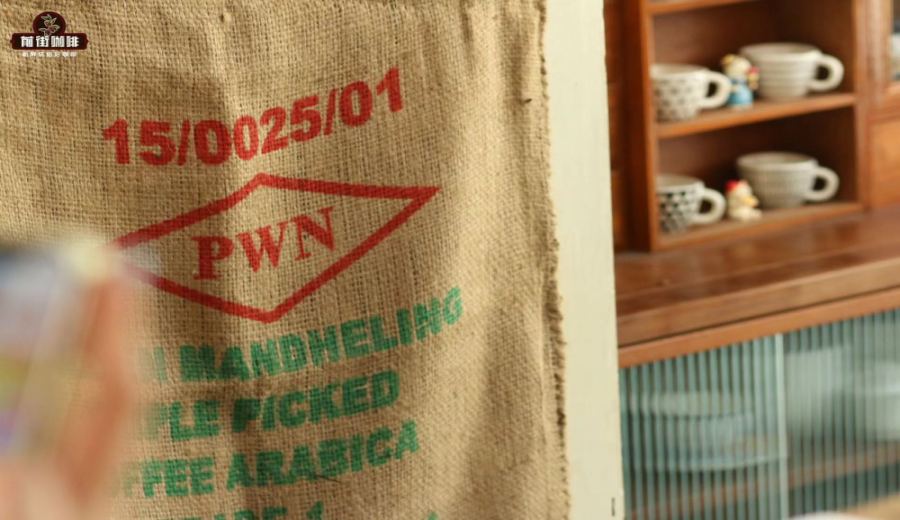
Introduction:As a flagship dark roast coffee from Sumatra, Indonesia, Golden Mandheling is renowned for its rich herbal character and pronounced aftertaste. This article delves into the characteristics of PWN-certified G1 grade beans, covering everything from the wet-hulling processing method to roast profile design. It also provides professional pour over parameters (grind size, water temperature, coffee-to-water ratio) and step-by-step brewing guidance to help coffee enthusiasts avoid over-extraction bitterness, fully showcasing its core flavors of creamy texture and dark cocoa aroma.
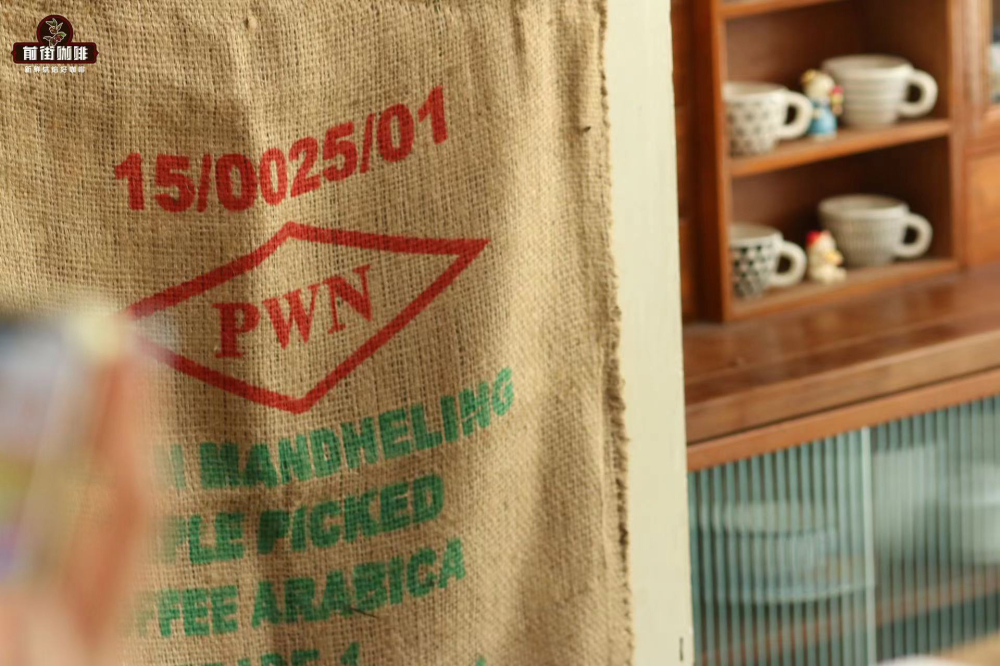
Looking back to the early days of specialty coffee, Indonesian Golden Mandheling stood alongside Blue Mountain and Kona as a flagship offering in cafés. Unlike today’s popular bright fruity acidity profiles, coffee enthusiasts of that time favored the velvety thickness of dark roasts. Many consumers held biases against dark roasts, assuming that shiny, oily beans would inevitably bring charred bitterness. In reality, with careful bean selection and proper roasting, dark roast coffee can exhibit extreme richness and layered complexity — Golden Mandheling is a prime example.
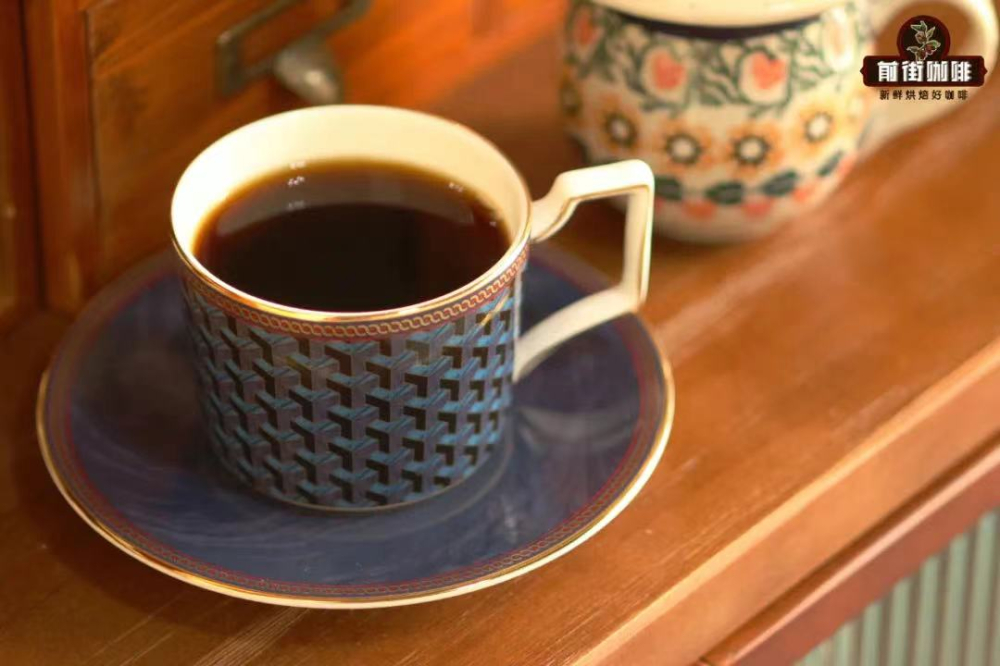
This coffee king from Sumatra is famed for its silky-smooth texture and dominant dark cocoa notes. With careful sipping, one can detect interwoven herbal freshness, while the lingering sweet aftertaste on the finish creates an addictive balance of richness. To successfully extract these qualities, five key elements are crucial: premium green bean sourcing, precise roast profiling, fresh grinding and brewing, medium-coarse grind size, and low water temperature control around 88°C.
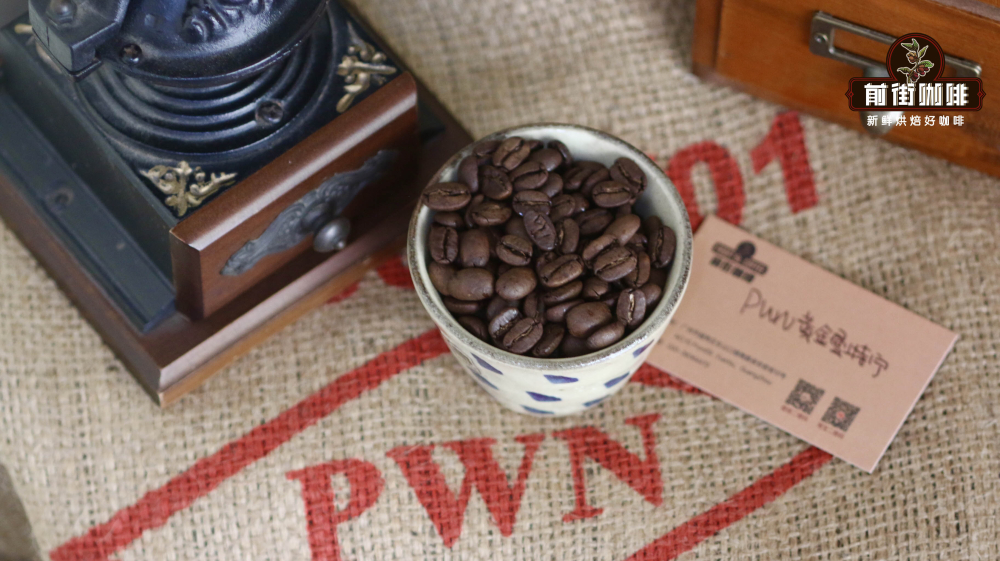
The exceptional quality of Golden Mandheling stems from a rigorous selection process. As the flagship product of Indonesia’s PWN company, its raw materials are sourced exclusively from ripe coffee cherries sized 18+ mesh from the Gayo region of Sumatra. After three rounds of manual sorting, each 300-gram batch contains fewer than three defective beans, meeting the highest G1 grade standard. Though the unique wet-hulling process accelerates drying, it can also increase defect risks. PWN’s multi-layered quality control gives the beans their golden hue — the origin of its name.
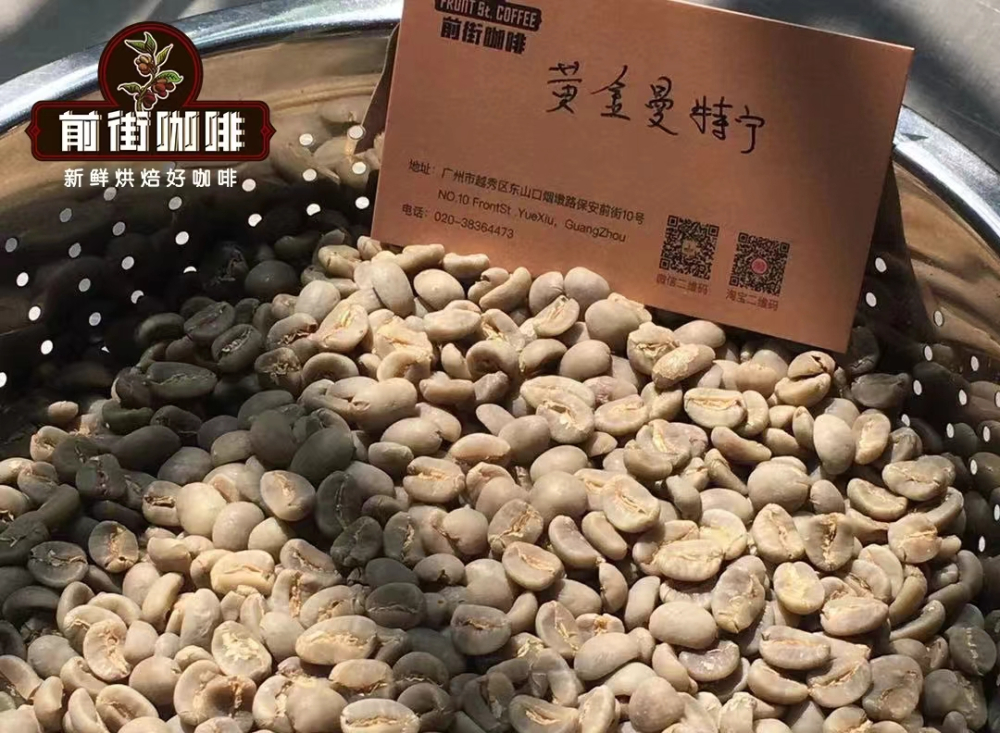
Special attention should be paid to market confusion: many products labeled as “selected Mandheling” only undergo basic sorting, and only those bearing the official PWN trademark are authentic Golden Mandheling. This item is a registered trademark and has become a symbol of quality in Indonesia’s specialty coffee scene.
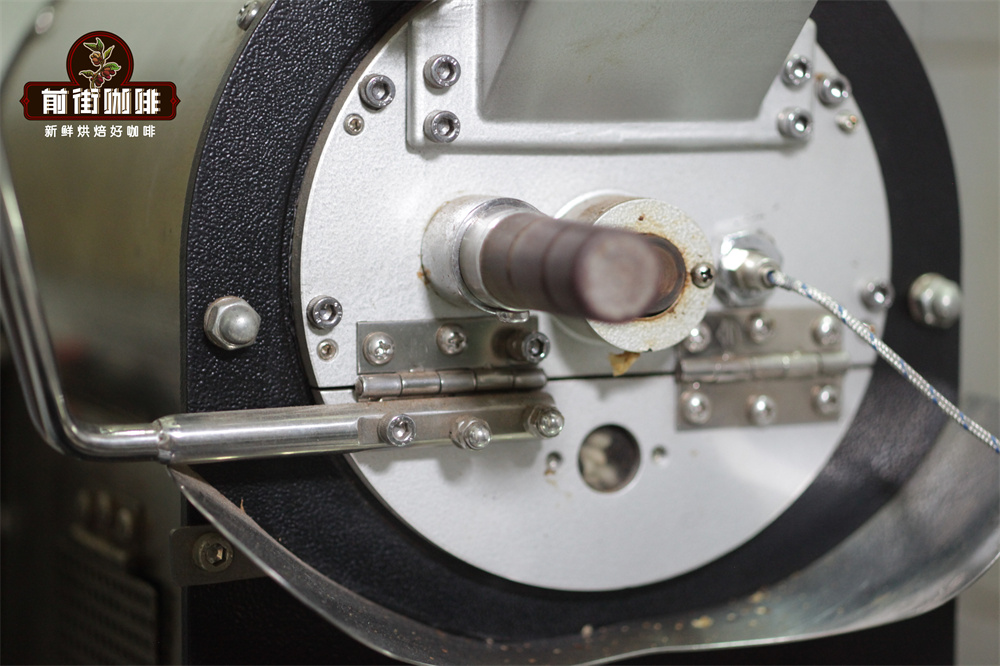
Given the characteristics of low-altitude cultivation in Sumatra, roasters need to adjust strategies to accommodate the beans’ looser density. A stepped temperature ramp-up is recommended: start with a drum temperature of 200°C and load 480 grams of beans, set the air damper to level 3 for one minute before reducing heat to 160°C. When the bean surface turns yellow and grassy aromas fade at the 5:40 mark, adjust the damper to level 4, paying attention to the first crack (around 9:54) sounds. Finally, drop the beans at 204.5°C. This curve balances the excessive scorching tendency caused by wet-hulling, highlighting clean herbal and cocoa expressions.
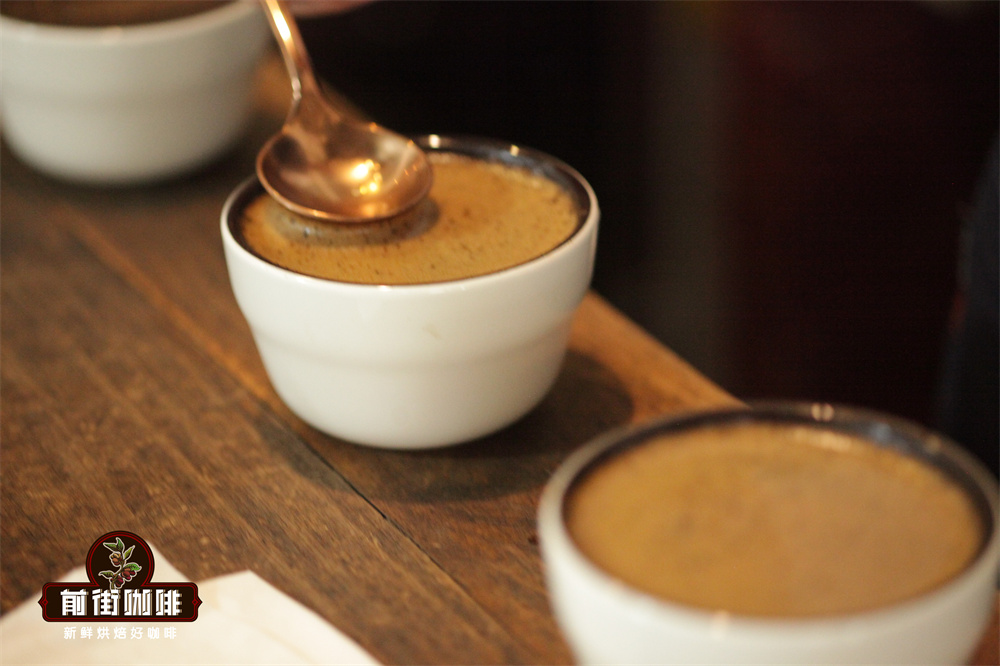
Cupping data shows that ideal extraction should be completed before the first crack intensifies, when flavor intensity peaks — a rich base of spices and nuts unfolds with layers of licorice and caramel sweetness, and the clean, defect-free aftertaste lingers.
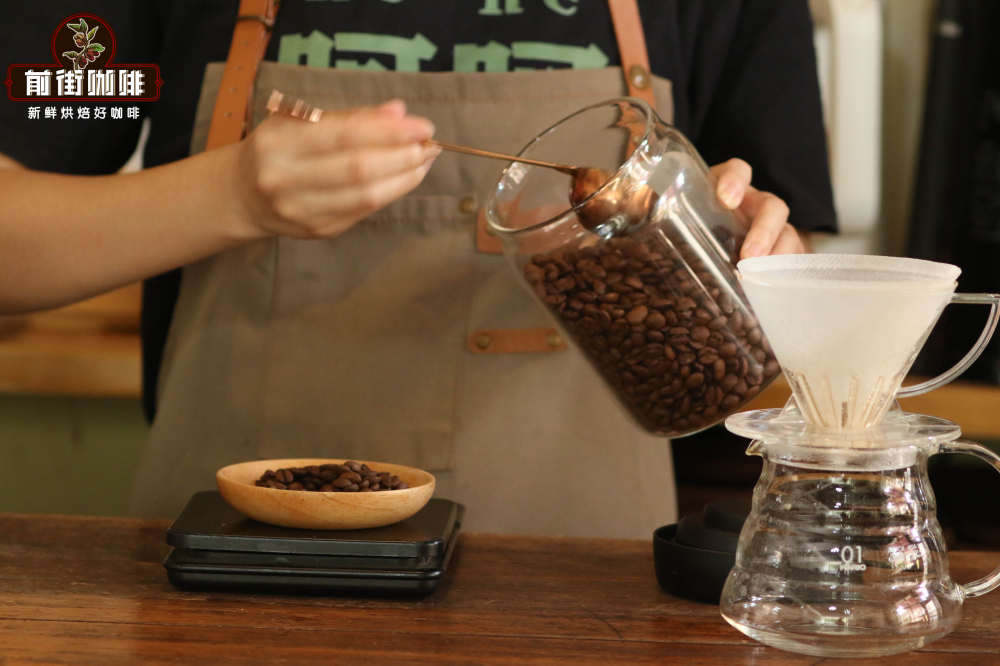
For home brewing, bean freshness is paramount; choose beans roasted within five days. Although some shops offer grinding services, grinding fresh maximizes flavor volatility, and it’s recommended to use a hand grinder for on-the-spot grinding. Given the dark roast profile, a medium-coarse grind (similar to coarse sugar, 70% through a #20 sieve) is advised, paired with a filter cone like KONO that enhances immersion. Brew at 88°C water temperature using a 1:15 coffee-to-water ratio.
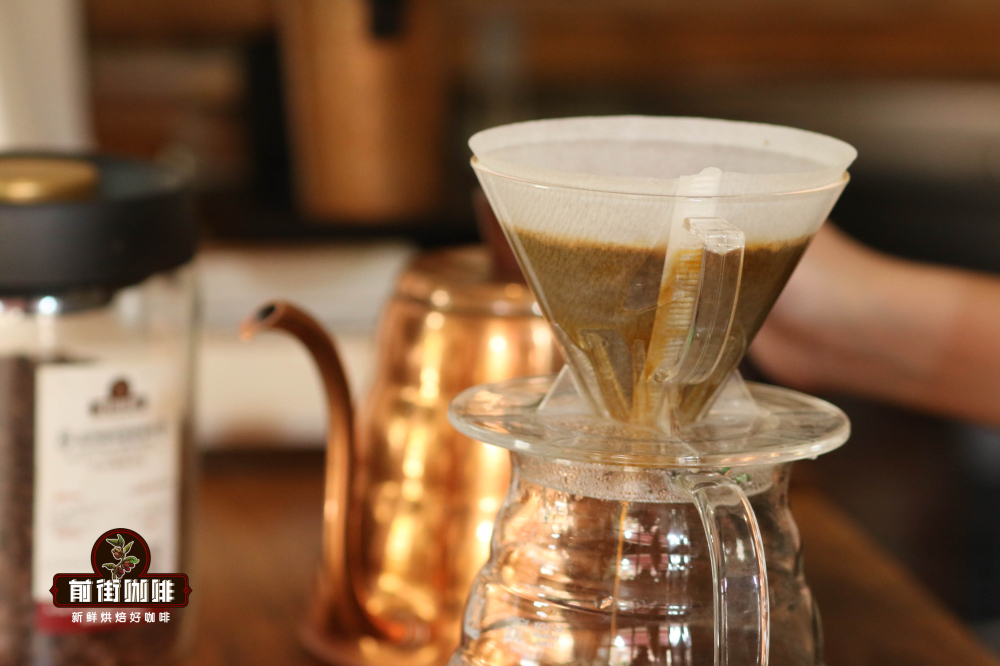
Practical pour over steps: start with a 30-gram bloom for 30 seconds, then pour in a circular motion up to 125 grams before pausing briefly. Once the water level drops, continue pouring to a total of 225 grams. The entire process should take about 2 minutes and 10 seconds, fully extracting nutty, spicy, and chocolatey notes while avoiding bitterness from over-extraction. This parameter set perfectly highlights Golden Mandheling’s robust body and delicate sweetness.
The above content is compiled by CoffeeHunters, a coffee news website.

