







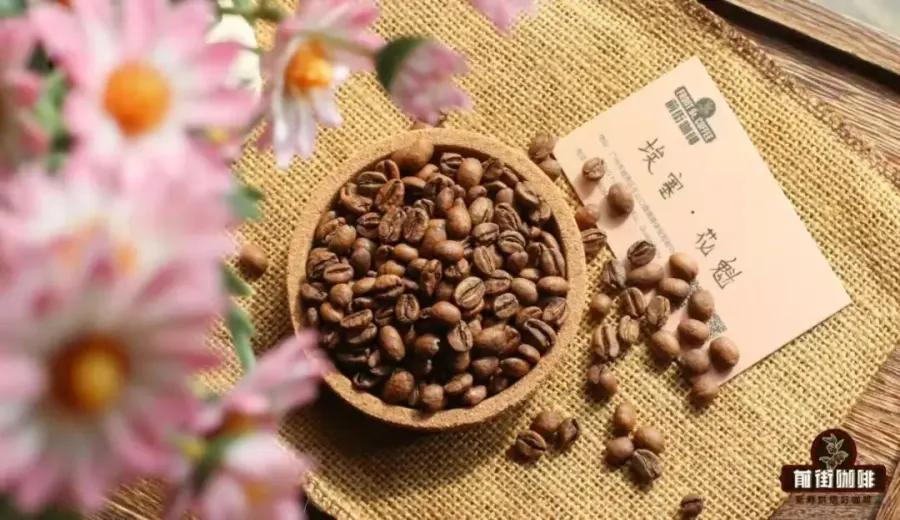
Introduction:Many coffee enthusiasts often confuse Ethiopia’s Huaca with Panama’s Geisha, but in reality, the two differ greatly in terms of variety, origin, and flavor profile. This article delves into the origins of Huaca, its fundamental differences from Geisha, and provides expert pour over parameters along with a flavor comparison to help you choose the single-origin beans that suit your taste preferences and enhance your coffee appreciation experience.
When customers ask for high cost-performance Ethiopian single-origin beans, industry experts often recommend the Huaca series. However, many consumers mistakenly believe that Huaca belongs to the Geisha variety — a notion that is fundamentally flawed.Huaca and Geisha are not just different names, but represent entirely distinct coffee concepts.— the former is a trade name, while the latter is a variety name, and their only commonality is that both originate from Ethiopia.
The root of the naming confusionoften stems from a coincidence in Chinese transliteration. Geisha (the variety) is commonly directly translated in Taiwan as “藝伎” (geisha), which leads to associations with the Japanese cultural term “花魁” (courtesan), causing some to mistakenly think that Huaca is a variant of Geisha.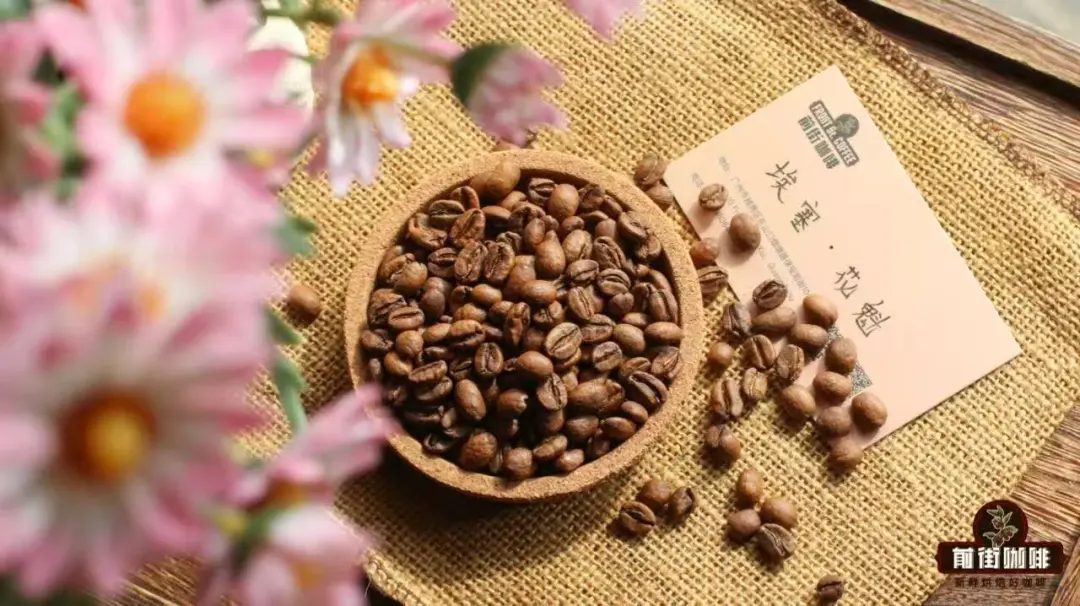 In reality, Huaca specifically refers to the natural-processed competition beans produced by the Buku Abel washing station in Guji-Hambela, Ethiopia in 2017. That year, it won the TOH (Top of the World) Natural Category championship with its intense strawberry aroma and creamy mouthfeel.
After this champion lot was introduced to China by traders, it was named “Huaca” (meaning “the foremost flower” or “queen of flowers”) in recognition of its outstanding performance in the competition.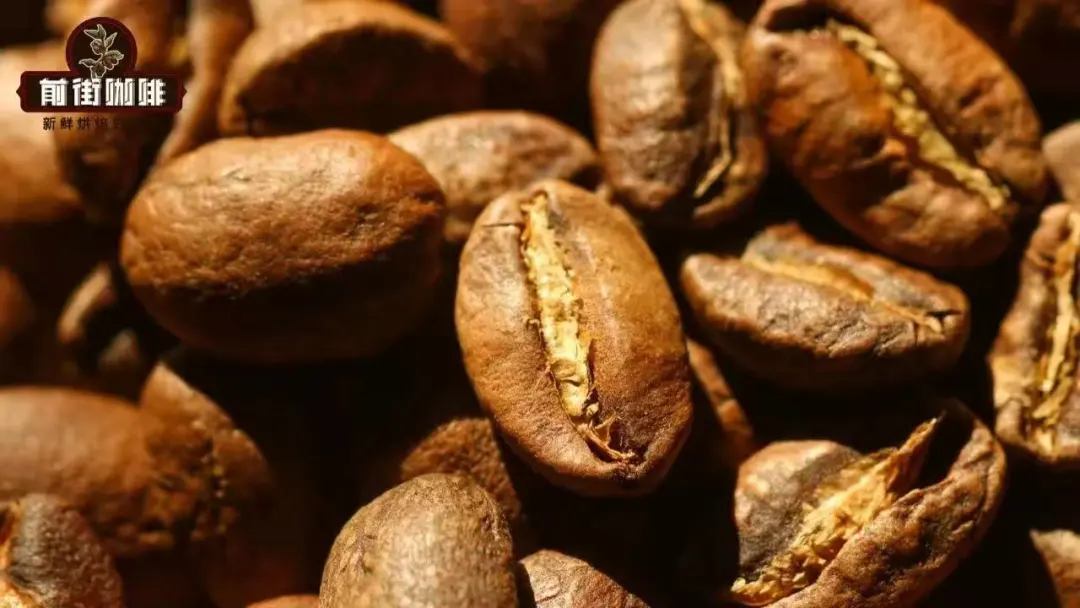 It is worth noting that Geisha (the Panamanian T2722 variety) is characterized by its distinctive slender bean shape and strong floral-fruity notes, whereas Huaca is essentially a blend of native varieties from Ethiopia’s Guji-Hambela region. Its flavor profile and genetic makeup are not directly related.
After Huaca’s championship win in 2017, the lot was auctioned and introduced to the market by a Beijing-based green bean merchant, and it gained significant fame for outperforming multiple Geisha beans in coffee brewing competitions.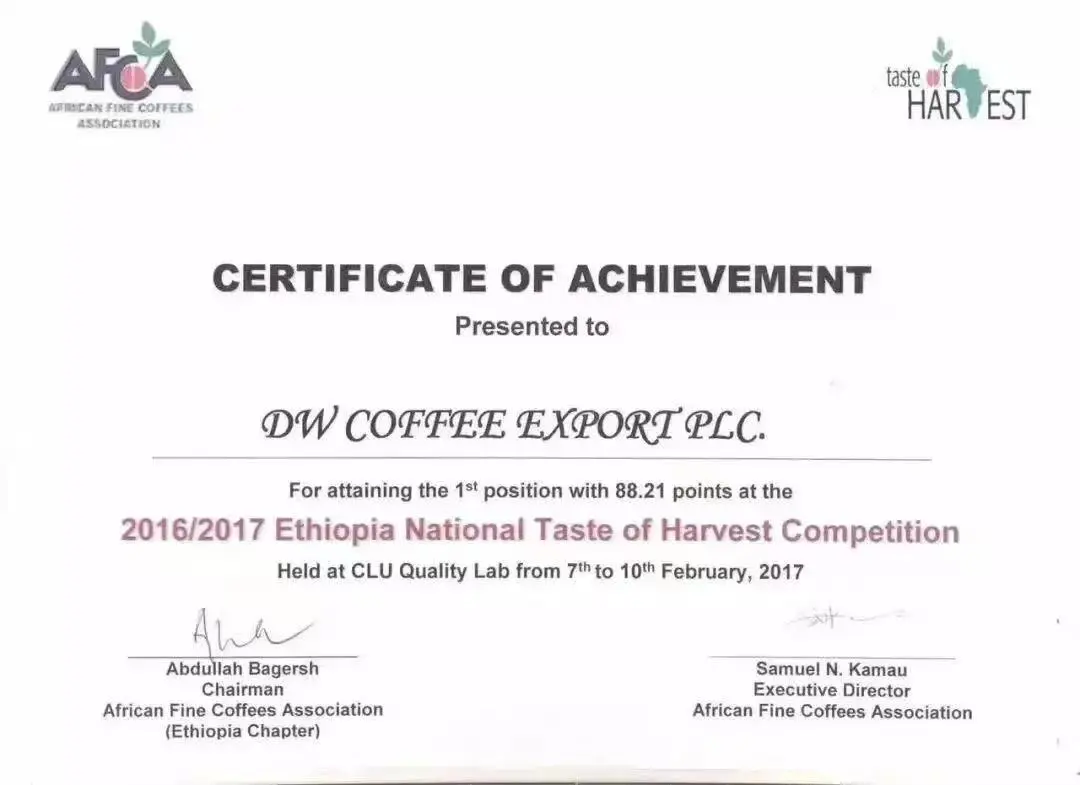 To meet the surging demand, four additional processing stations were established at the origin to expand production,but after 2018, the “Huaca” series has seen changes in flavor compared to the original version due to larger harvest scales and climatic variations.Traders subsequently adopted a version numbering system such as “Huaca 2.0” and “Huaca 3.0” to help consumers distinguish between yearly differences.
Regarding the variety classification of Huaca, it actually uses Ethiopia’s common native variety (Heirloom).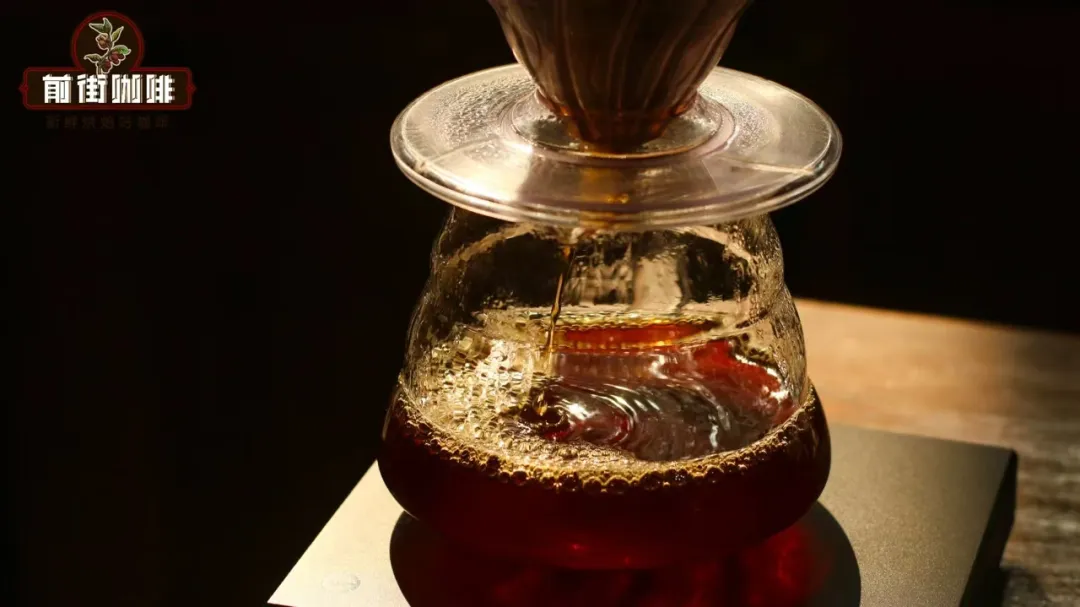 These beans originate from natural crossbreeding in the wild or home gardens and are harvested without variety selection, resulting in complex and varied genetic combinations. Compared to the artificially bred Geisha variety, heirloom varieties rely more on the microclimate of the origin and the processing method to express their flavor characteristics.
From actual brewing performance observations, using standard pour over parameters (15g dose / 20-mesh sieve with 75–80% extraction rate / 92°C water temperature / 1:15 brew ratio / 2-minute extraction time):Huaca exhibits rich tropical fruit notes, including guava, jackfruit, citrus, and apricot aromas, paired with a black tea-like finish.;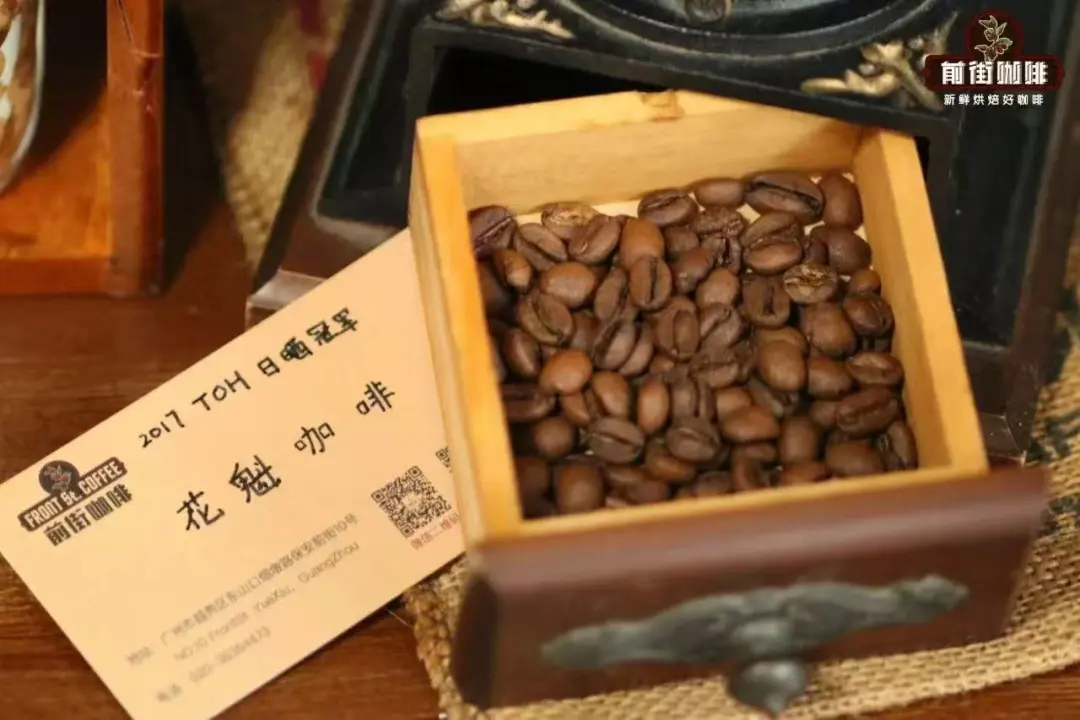 In contrast, Panamanian Geisha presents a more balanced floral-fruit profile, highlighted by white floral notes, gentle citrus and berry tones, and a black tea aftertaste, with an overall taste that is crisper and more linear.
Another major reason for the misunderstanding is the historical event where Huaca defeated Geisha in a competition.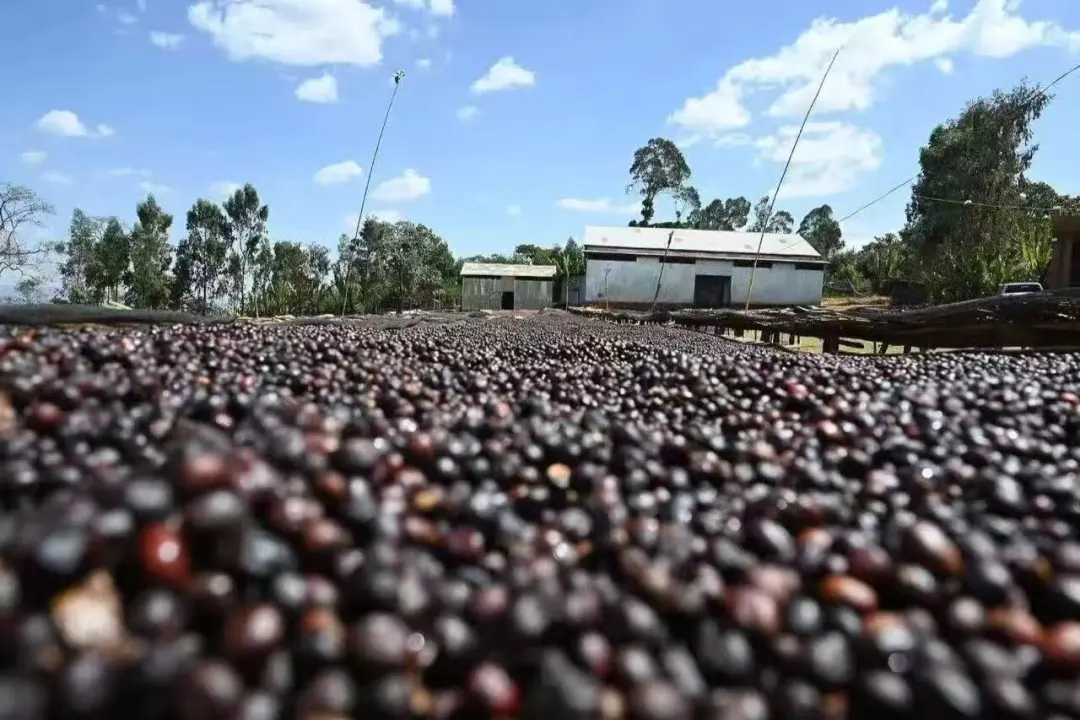 Coupled with the Eastern cultural associations between the names “Huaca” and “藝伎” (geisha), this has deepened consumers’ mistaken perception of a connection between the two. However, cupping tests prove that Huaca, as an Ethiopian native variety natural-processed bean, offers a richly fruity and full-bodied experience that is distinctly different from the bright acidity and floral aromas of Panamanian Geisha.
The above content is compiled by CoffeeHunters, a coffee news website.

