







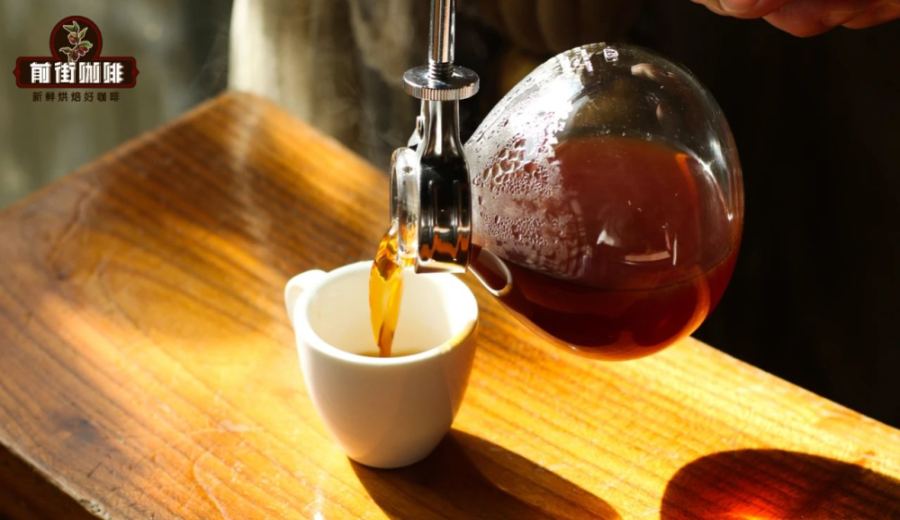
Introduction:The siphon brewer, with its unique extraction method and rich flavor profile, has become a favorite among many coffee enthusiasts. This article takes the Mozart coffee bean from the Musician Series of Costa Rica’s Caran Estate as an example, providing an in-depth analysis of practical siphon brewing techniques, including both stirring and immersion methods. It also details parameter settings, grind size selection, water temperature control, and flavor characteristics to help you master the optimal brewing approach for this medium-to-high altitude raisin honey-processed bean.
When brewing coffee with a siphon brewer, one often experiences more intense aroma and a fuller body compared to other methods. This is largely due to the siphon brewer’s use of a cloth filter with larger pores that retain more fine coffee particles, thereby giving the brewed coffee a more layered mouthfeel. However, to fully unlock the potential of the siphon brewer, not only is skilled operation essential, but selecting the right coffee beans is also key.
[History and Principle of the Siphon Brewer]
The history of the siphon brewer dates back to the 1830s–1840s, when it was first invented by Loeff in Berlin, Germany. Its glass double-chamber design was patented, emerging about 70 years earlier than pour over coffee. Through subsequent technical refinements in France, England, and Germany, it spread to Denmark and Japan by the mid-20th century, gradually gaining global popularity and reaching its peak in the 1950s.
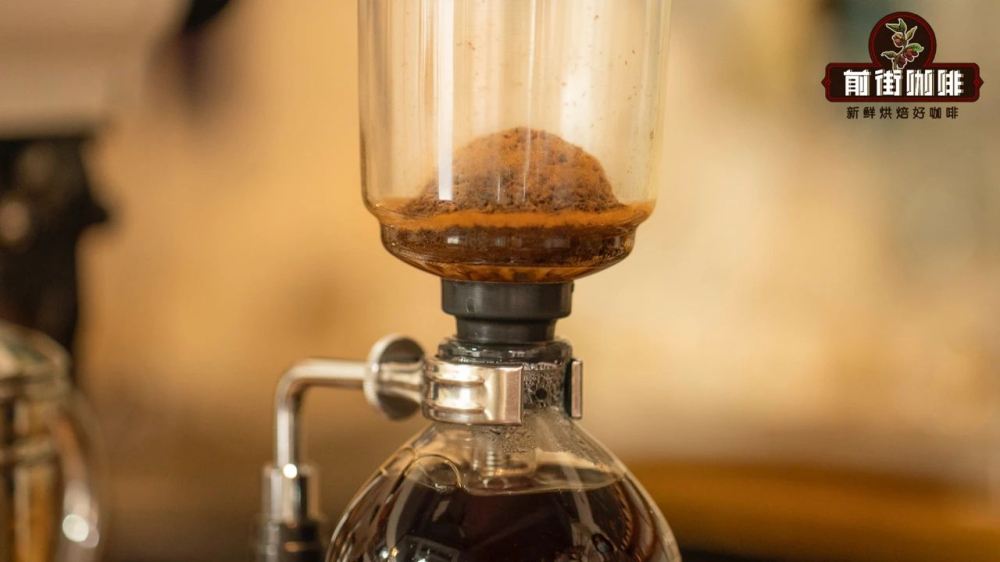
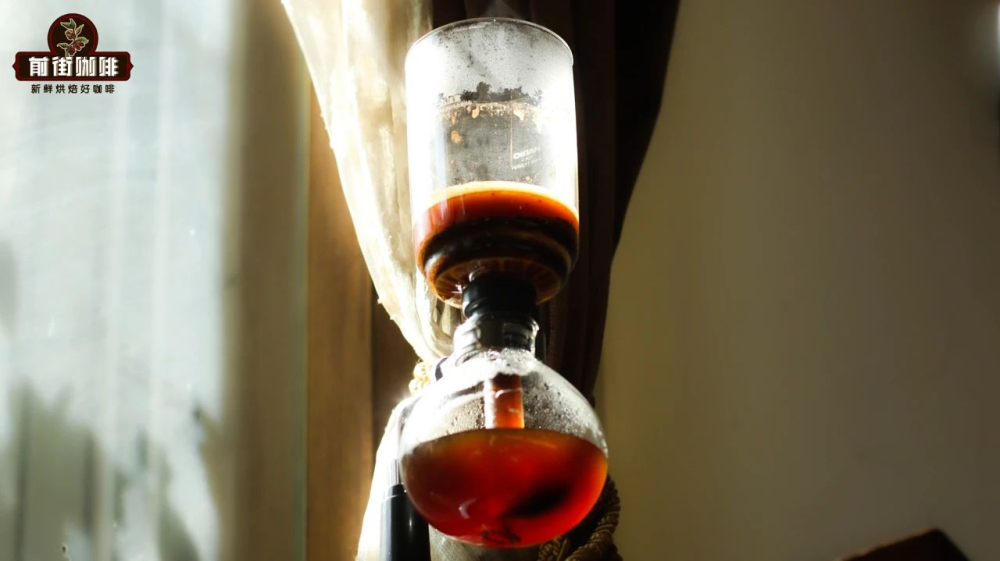
Its operating principle is based on the siphon effect: the lower chamber is a heated capacity vessel, typically spherical and marked with volume graduations, while the upper chamber is responsible for extraction. When the lower chamber is heated, the steam pressure pushes hot water up into the upper chamber where it mixes with the coffee grounds. After turning off the heat, a partial vacuum forms in the lower chamber, and the coffee is drawn back down through the filter cloth in the upper chamber by the pressure difference, leaving the coffee grounds behind.
[Introduction to the Costa Rica Mozart Coffee Bean]
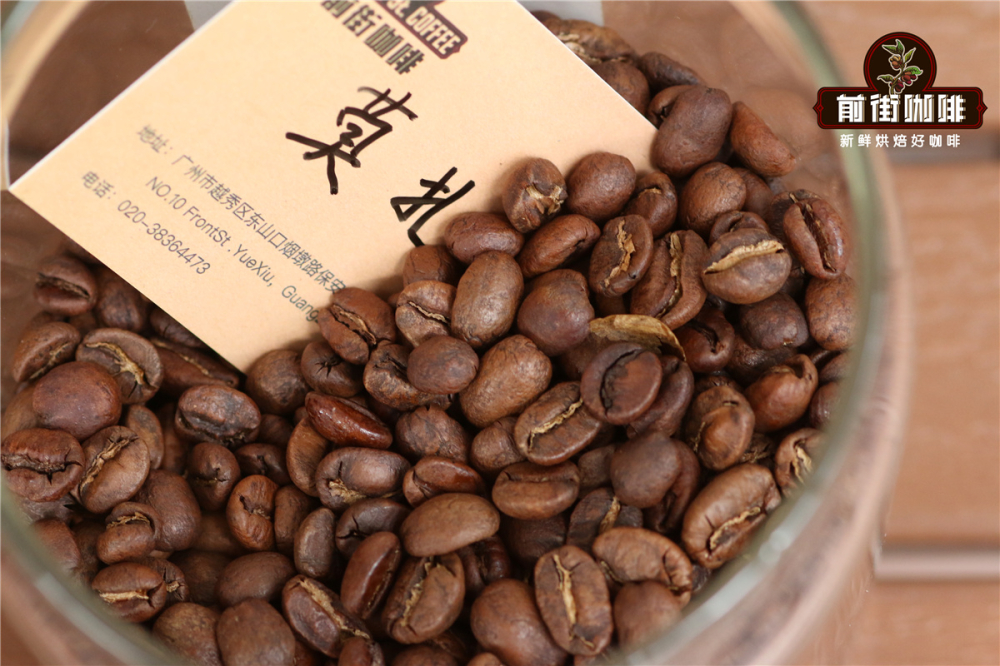
The coffee beans used in this session are the Mozart from the Musician Series of Costa Rica’s Caran Estate, sourced from the Tarrazú region at an altitude of approximately 1,950 meters. The varieties include Caturra and Catuaí, and the processing method is raisin honey. This process imparts pronounced fermentation aromas, along with rich flavors of raisins, osmanthus, berries, pineapple, and caramel. The acidity is soft, and the flavor layers are distinct.
[Siphon Brewing Method 1: Stirring Method]
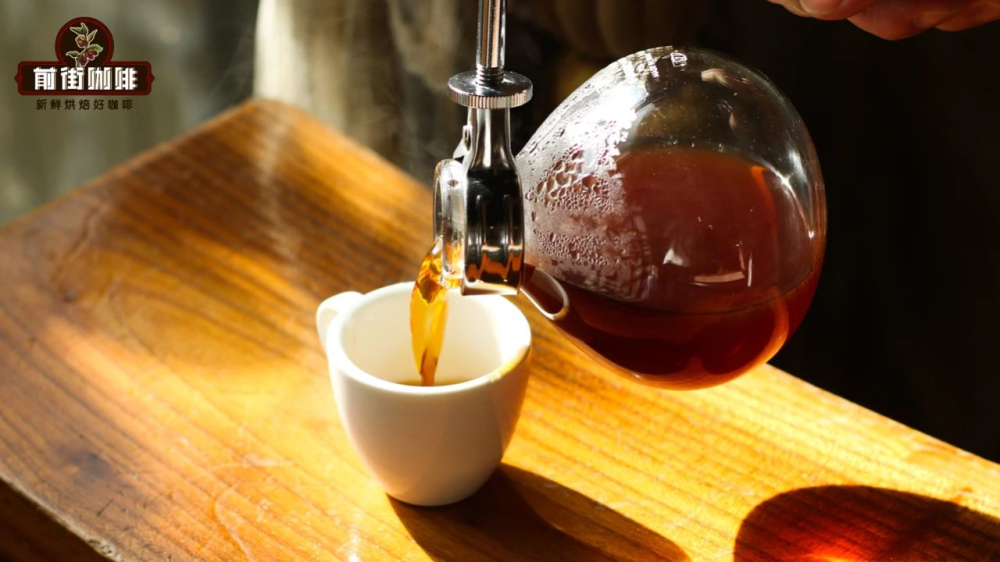
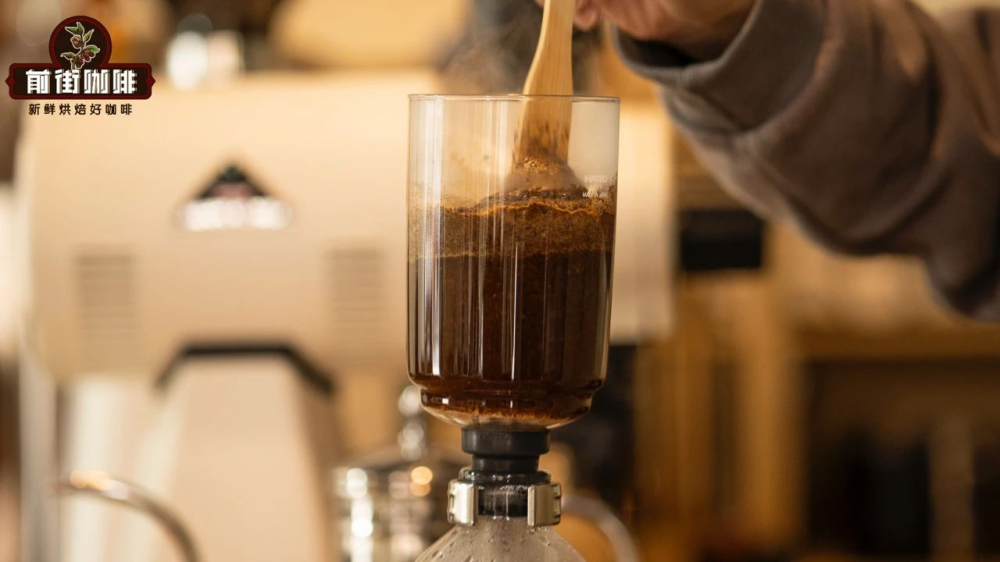
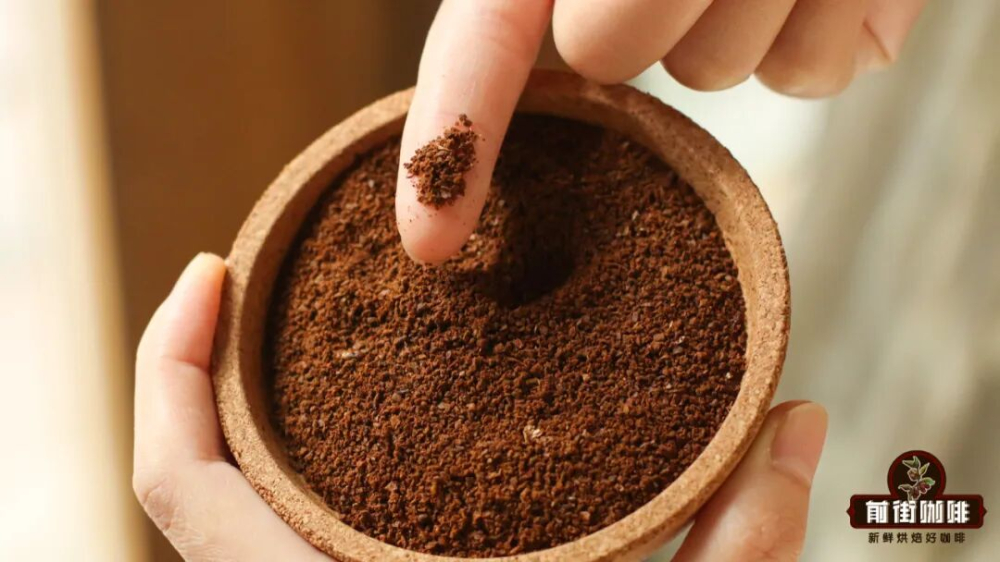
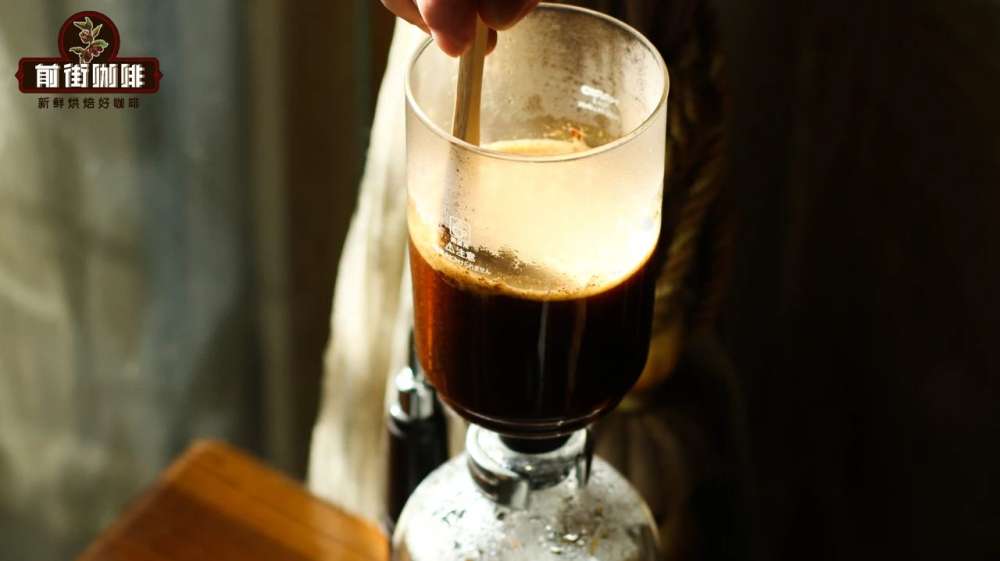
The stirring method uses a 1:10 coffee-to-water ratio, with 20 grams of coffee grounds and a medium-fine grind (refer to the 9th setting on an EK43s grinder, or roughly 85% passing rate through a Chinese standard No. 20 sieve), and the water temperature is controlled at 90°C. The steps are as follows: add 200 grams of water to the lower chamber, heat it to 90°C, then insert the upper chamber. Immediately add the coffee grounds and stir to ensure even contact between the coffee and water. At around 30 seconds, perform a quick cross-shaped stir to break the crust and promote even extraction. The total brew time is 1 minute and 8 seconds, and the heat source is removed at 56 seconds to allow the coffee to return to the lower chamber via the pressure difference.
The coffee brewed with this method exhibits prominent floral and berry aromas, along with fermented wine notes and the sweet-tart character of raisins. The body is rich and full, and the sweetness of the raisins becomes even more pronounced as the temperature slightly drops.
[Siphon Brewing Method 2: Immersion Method]
The immersion method also uses a 1:10 coffee-to-water ratio and 20 grams of medium-fine ground coffee (same as EK43s 9th setting / 85% passing rate), with the water temperature maintained at 90°C. Add 200 grams of water to the lower chamber, heat to the target temperature, insert the upper chamber and add the coffee grounds, then gently stir to ensure full saturation of the grounds. No additional stirring is performed this time—just let it steep for about 1 minute before removing the heat source and allowing the coffee to naturally flow back. The total brew time is 1 minute and 32 seconds.
The coffee brewed with this method features osmanthus aroma as the main note, complemented by the sweetness of berries and raisins, as well as a distinct caramel tone. The overall mouthfeel is relatively clean and refreshing, with clear layers. Though not as intense as the stirring method, it delivers a distinct sweetness and a long-lasting aftertaste.
[Method Comparison and Siphon Brewer Usage Tips]
Overall, the stirring method enhances the fermented wine notes and full body of the coffee, making it particularly suitable for those who enjoy intense flavors and complex layers. The immersion method, on the other hand, showcases a gentler, crisper fruitiness and sweetness, ideal for those who prefer lighter profiles. Both methods have their own merits, and it is recommended to experiment and adjust according to personal taste preferences.
Additionally, when using a siphon brewer, ensure the water temperature is maintained within the 86–94°C range to guarantee stable and consistent extraction. Always thoroughly clean the cloth filter after each use and replace it regularly to prevent residual oils or impurities from affecting the flavor of subsequent brews.
The above content is compiled by CoffeeHunters, a coffee news website.

