








Introduction:This article selects 10 classic coffee beans from different origins, covering light to dark roast options suitable for pour over, with detailed explanations of each bean’s processing method, roast level, and unique flavor profile. Whether it's Jamaican Blue Mountain, Panamanian Geisha, or beginner-friendly Brazilian Yellow Bourbon, you’ll find corresponding brewing suggestions and taste characteristics to help coffee enthusiasts build their own bean selection guide.
Many people often ask which coffee beans are the most representative. We have chosen 10 specialty coffee beans from globally renowned origins. These beans are not only great for pour over but also showcase the unique terroir of each region. From the high altitudes of Ethiopia to the volcanic soils of Kenya, each bean has its own unique processing method and flavor expression.
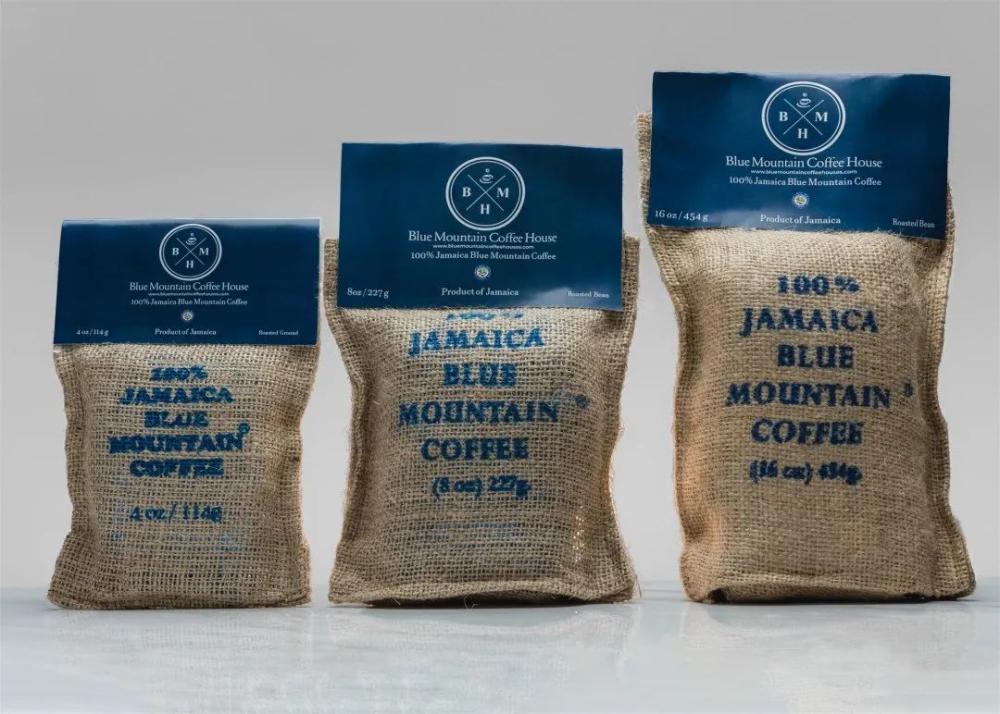
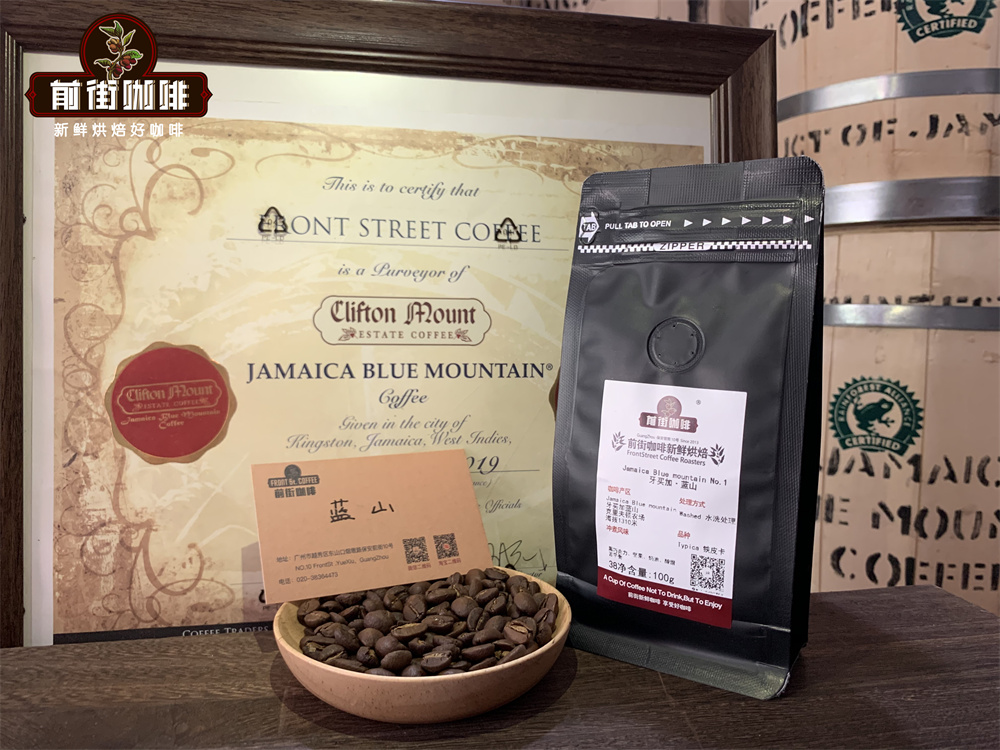
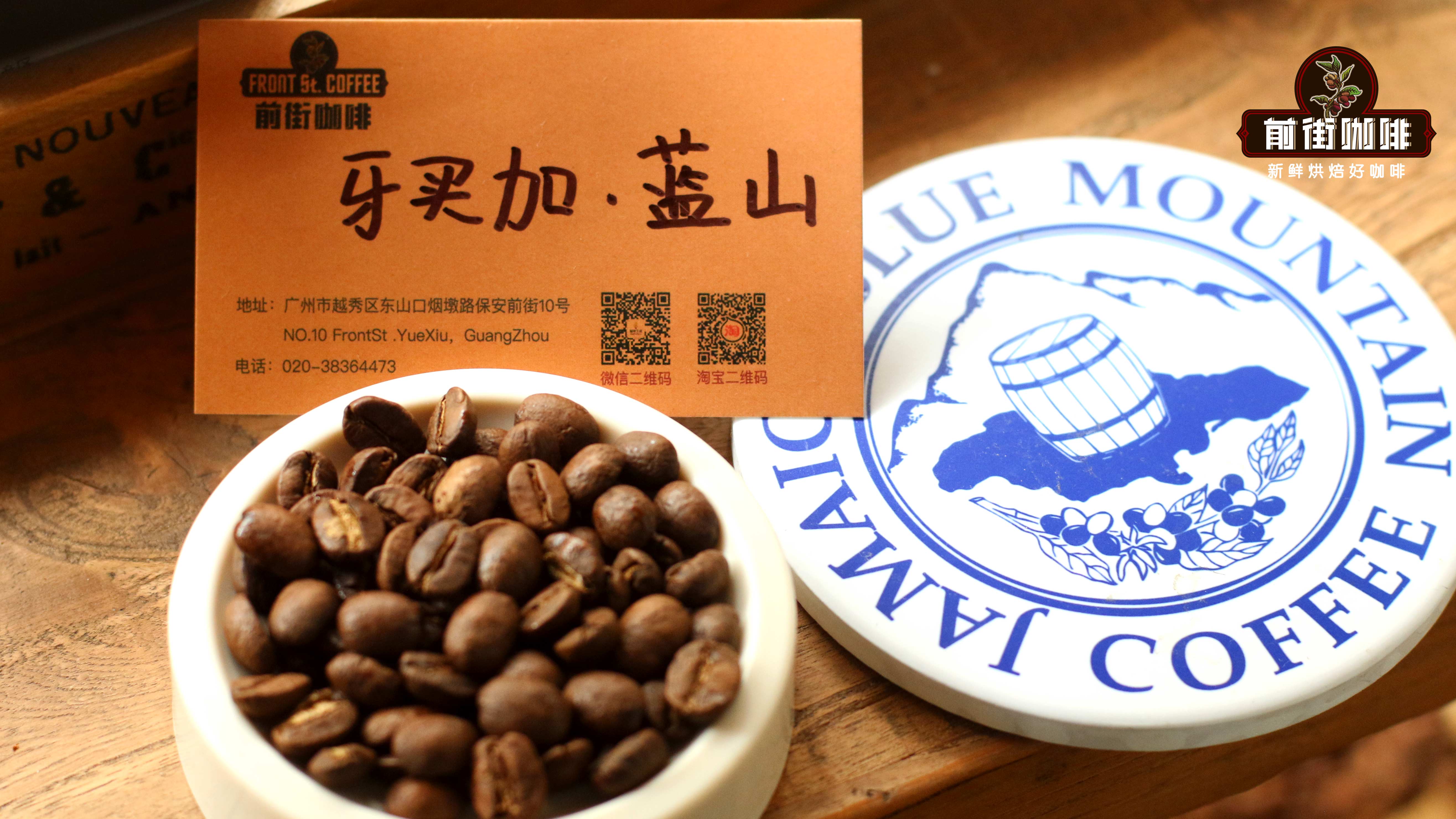
First up is the Jamaican Blue Mountain No.1, a bean hailed as the "King of Coffee," renowned for its refined washed processing and high-altitude cultivation. Blue Mountain coffee is known for its balanced and mellow profile, often featuring lingering notes of dark chocolate and caramel.Note: Most products on the market labeled as "Blue Mountain flavor" are actually blends. True Blue Mountain No.1 is only produced in specific high-altitude areas of Jamaica.
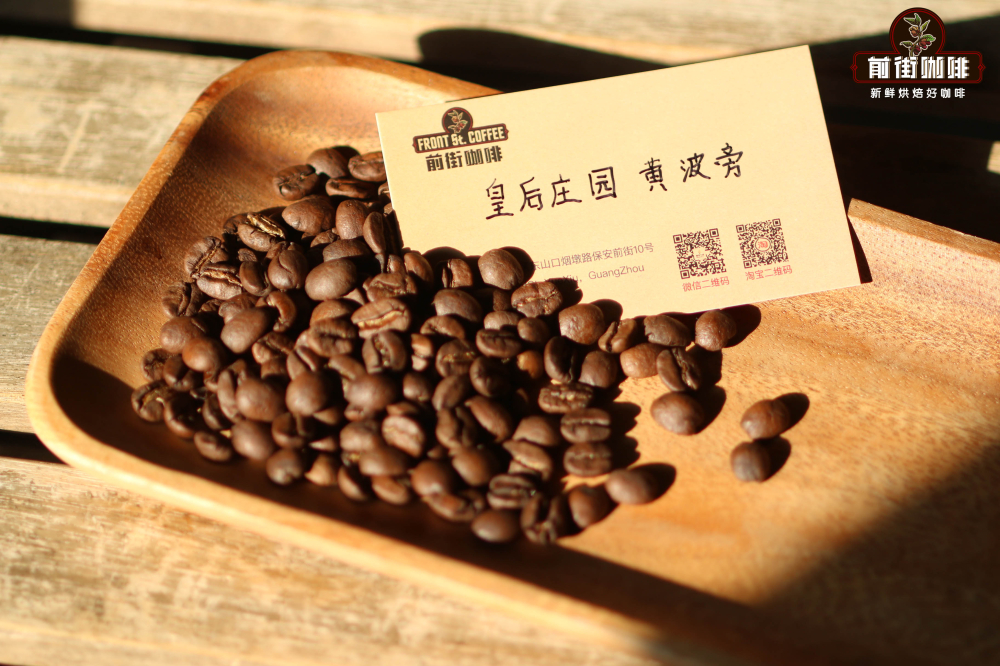
Next is the Red Label Geisha from Panama’s Hacienda La Esmeralda, the 2004 BOP champion bean known for its bright acidity and floral notes. It is recommended to use a medium-light roast, and pour over can highlight its ginger flower and citrus characteristics. The Red Label Geisha is selected from specific premium lots,and slow sun-drying enhances sweetness and juicy flavors..
Indonesia’s Golden Mandheling presents a distinctly different profile. This bean, which undergoes three rounds of manual sorting, is known for its low acidity, mellow herbal, and nutty tones. Its distinctive dark chocolate finish and high cleanliness,make it suitable for coffee lovers who prefer a bold flavor..
Ethiopia’s Huika coffee originates from the 2017 TOH competition champion batch. High-altitude cultivation and strict sun-drying processing give it intense tropical fruit flavors. This bean often features aromas of mango and strawberry,making it ideal for pour over enthusiasts seeking explosive fruity notes..
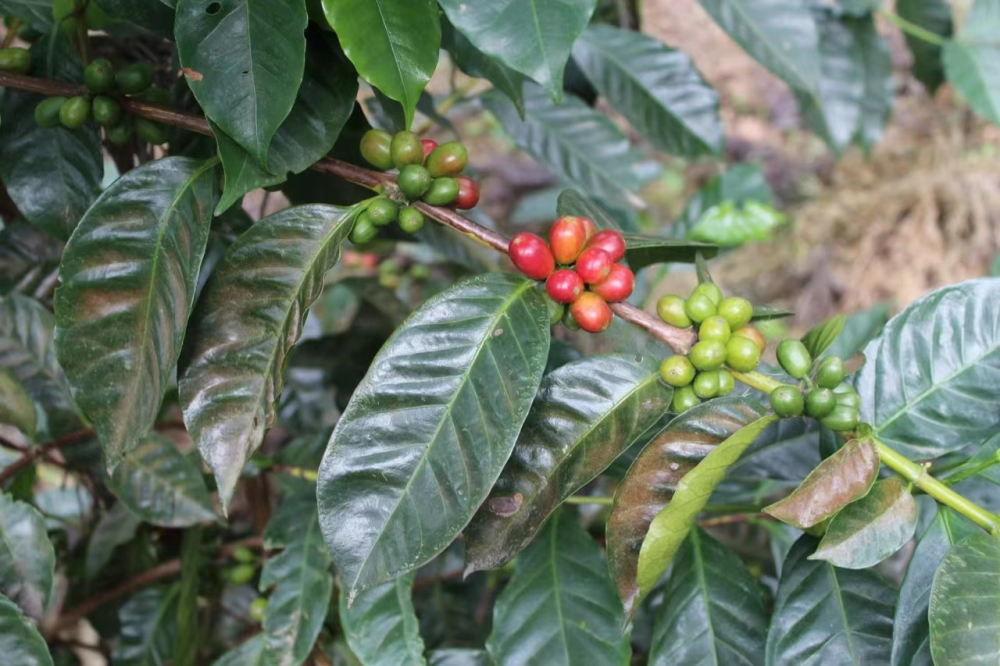
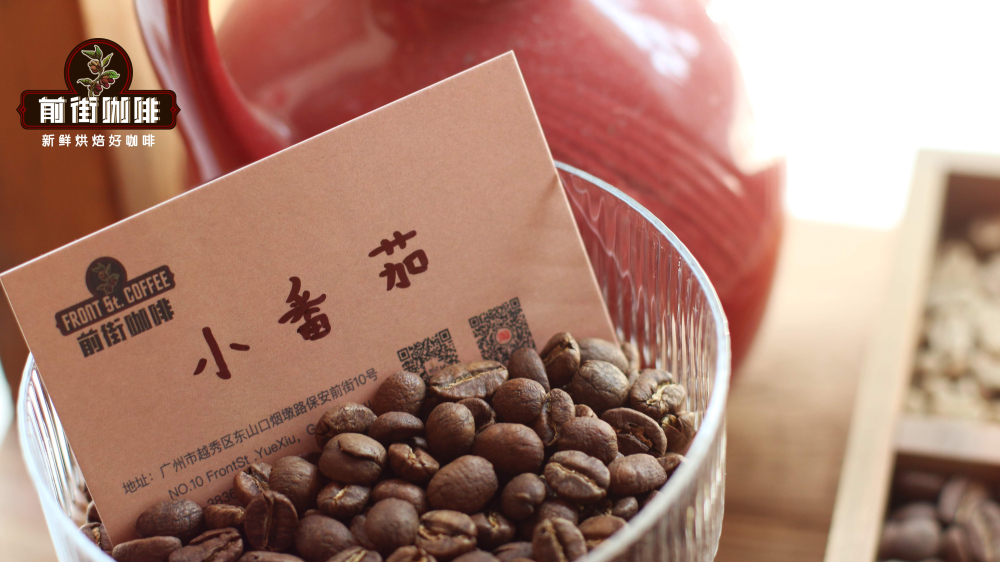
Kenya’s Little Tomato coffee is famous for its unique berry-like acidity. It uses a double-washed processing method with a fermentation process lasting up to 72 hours. This bean is often described as having a "little tomato and dark plum" sour-sweet sensation,and it is recommended to use a slightly coarser grind to balance its lively acidity..
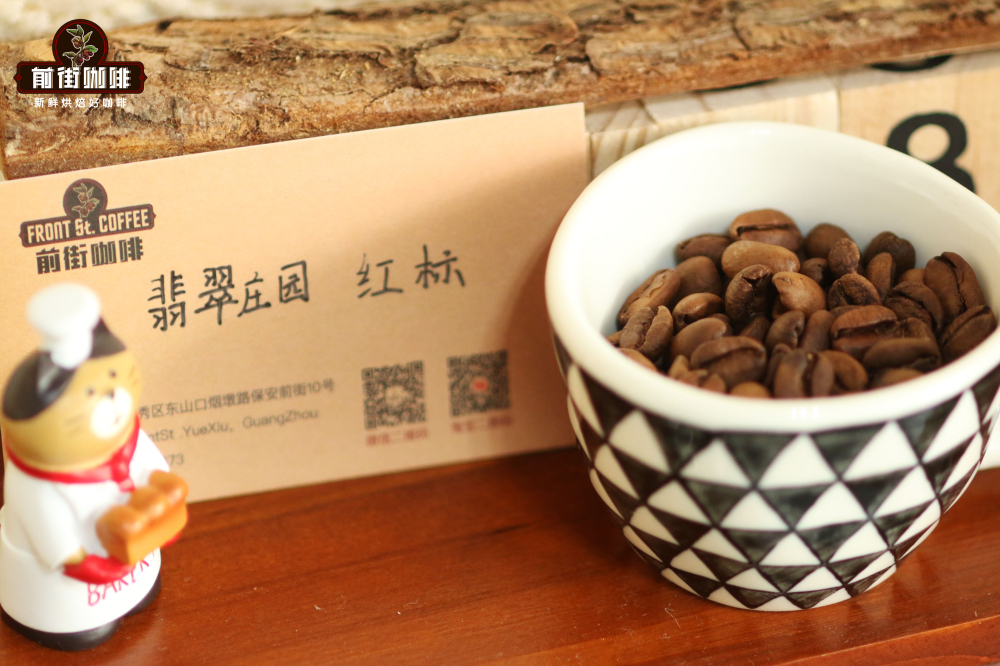
For beginners, the Yellow Bourbon from Brazil’s Queen Estate is an excellent choice. This medium-light roasted bean, processed using the sun-drying method, offers mellow flavors of chocolate, cream, and peanuts,is easy to brew and has noticeable sweetness,making it suitable for practicing pour over techniques.
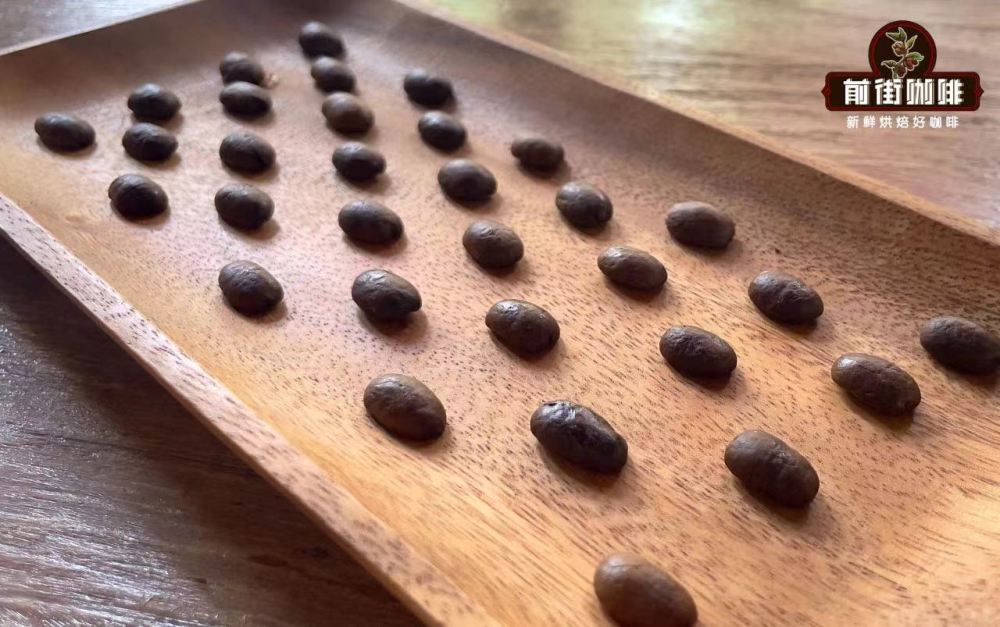
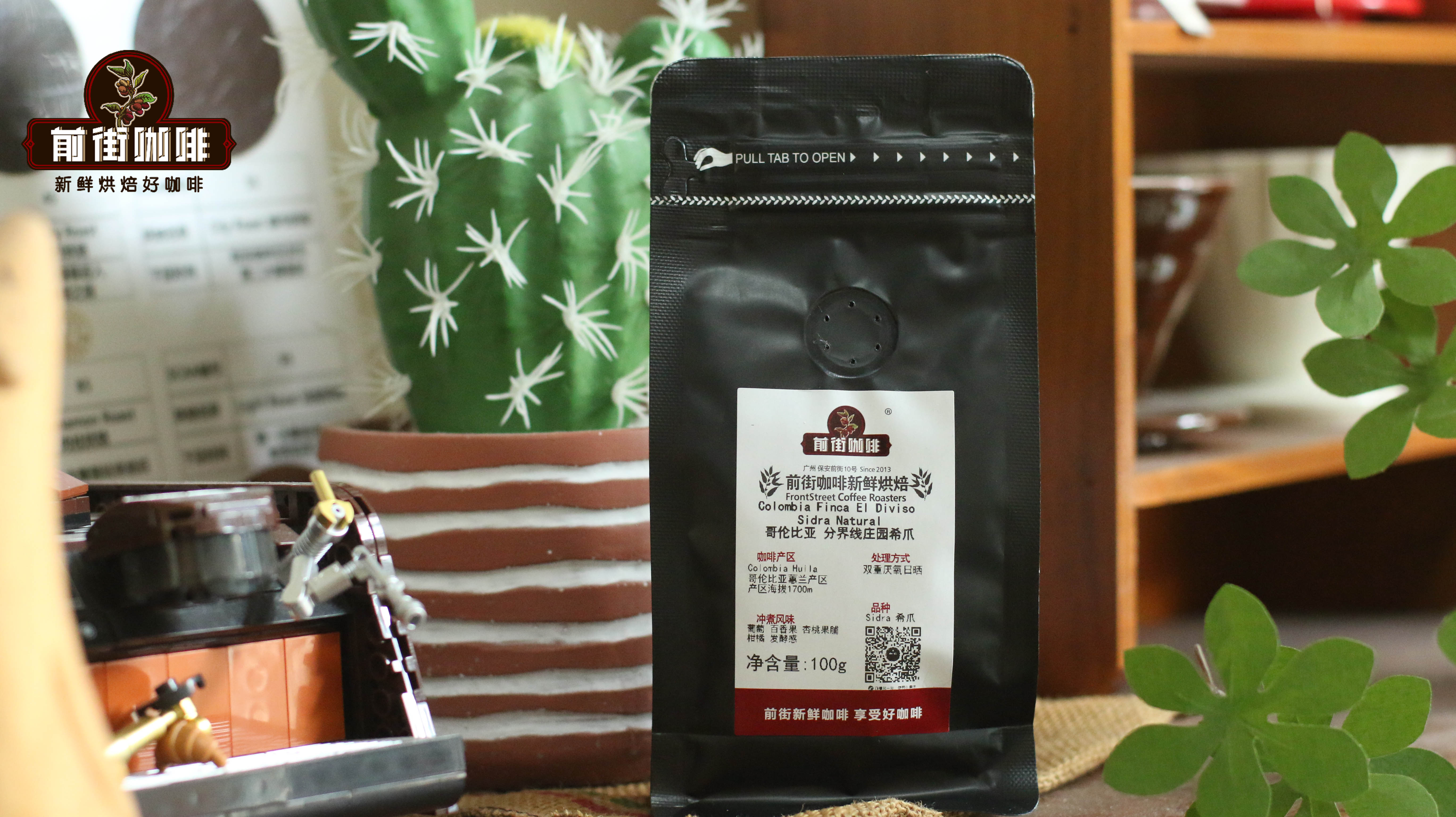
Colombia’s Sidra coffee showcases the distinct fruit acidity of Central and South America. The double anaerobic sun-dried processing method gives it rich aromas of passion fruit and grape. This medium-light roasted beanhas an impressive almond aftertaste,and is suitable for coffee drinkers who enjoy a bright profile.
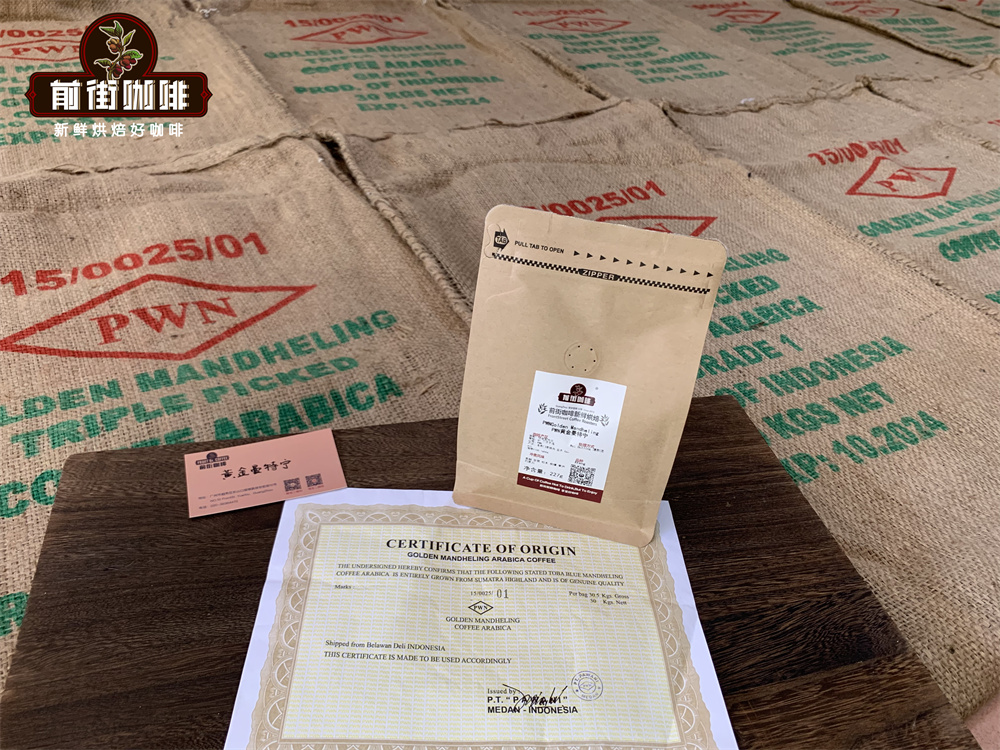
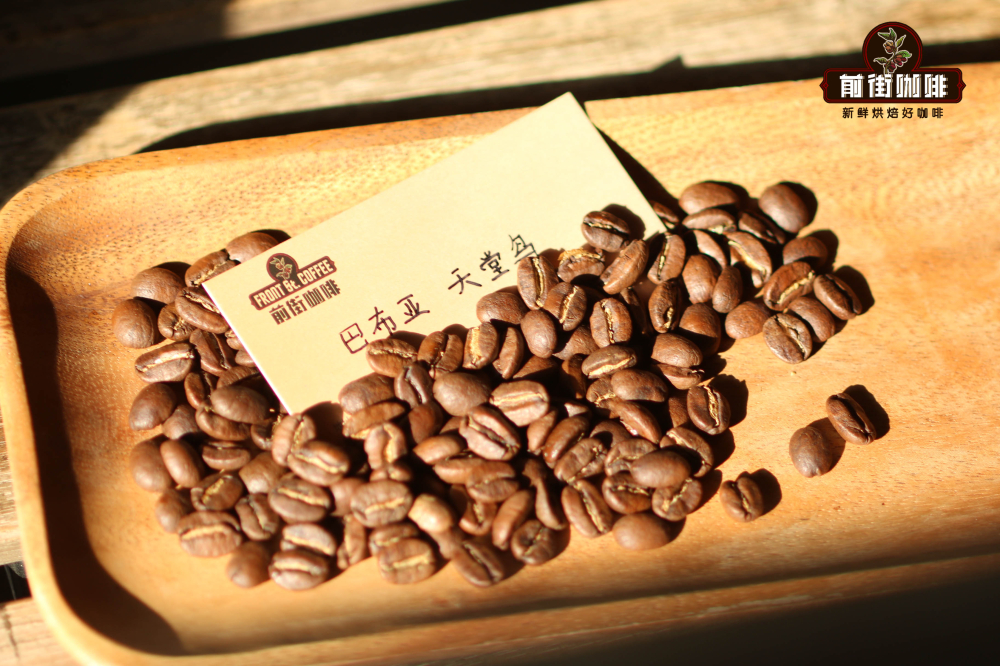
Papua New Guinea’s Bird of Paradise coffee is known as the "Little Blue Mountain." The Typica variety and high-altitude cultivation result in clean and bright acidity. A medium roast brings out layers of toasted bread and nuts,and the spicy note in the aftertaste is its hallmark..

Yunnan Small-leaf Typica coffee may not be mainstream, but the high-altitude grown Typica variety shows surprising flavors of plum and brown sugar. This sun-dried bean is suitable for enthusiasts wanting to explore local specialty coffee,with attention needed to control brewing time to avoid over-extraction..
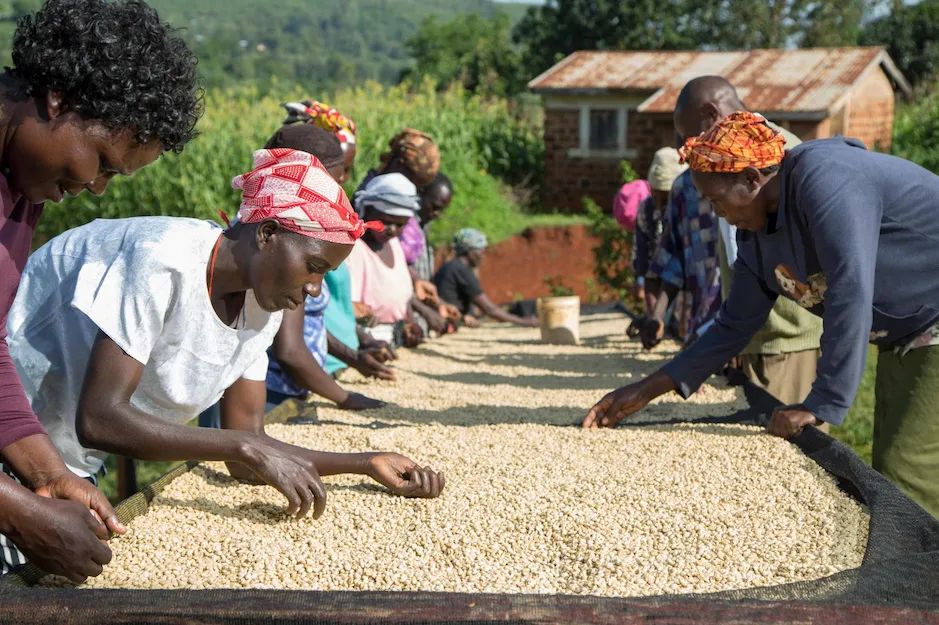
Finally, we introduce Costa Rica’s Mozart coffee. The raisin honey processing method gives it a sweetness reminiscent of Kyoho grapes. A medium-light roast highlights rose and fermented wine aromas,and it is recommended to use a fine and steady pour to bring out complex layers..

The above content is compiled by CoffeeHunters, a coffee news website.

