







Introduction:As a highly regarded sun-dried coffee bean from Ethiopia’s Guji Hambella region, Huakui (Hua Kui) is beloved by many coffee enthusiasts for its distinctive floral aroma and tropical fruit notes, making it a popular choice for beginners. But with so many similar products on the market, how can you identify truly high-quality Huakui? This article will guide you through the authentic origin, processing method, roasting style of Huakui, and offer practical tips on selection and storage, ensuring you enjoy its full flavor with every brew.
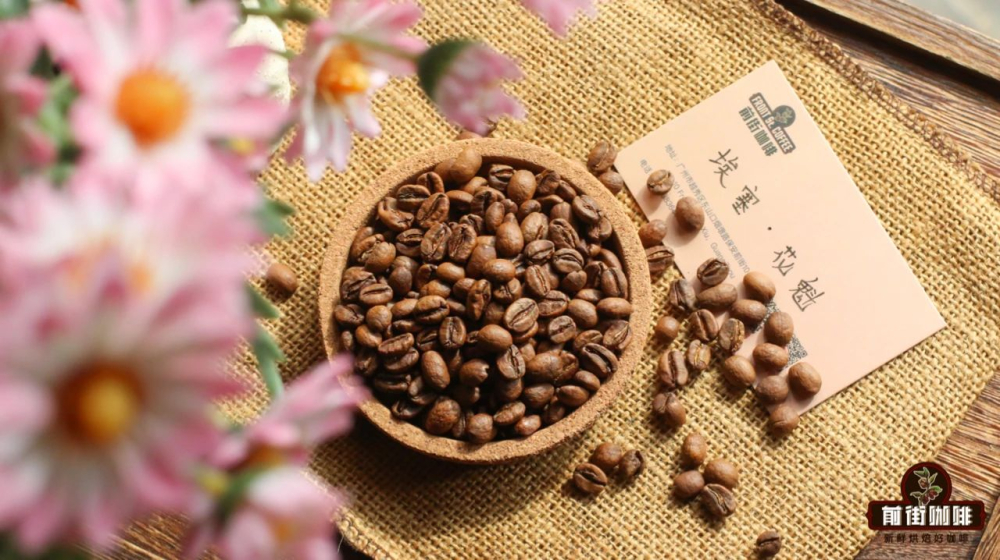
The name “Huakui” alone evokes an image of a richly aromatic coffee experience. This sun-dried coffee hails from the highlands of Ethiopia’s southwestern Guji zone, specifically the Hambella area. It belongs to the premium G1 grade and is made from native Ethiopian coffee varieties, renowned for its outstanding floral and fruity aromas as well as its rich sweetness. When brewed, it exhibits prominent notes of tropical fruits and jasmine, with a long-lasting aftertaste—making it a favorite among both novice and experienced coffee drinkers. However, as the name “Huakui” has grown in popularity, many similar but misleading products have appeared on the market, so extra care is needed when selecting.

Authentic Huakui coffee beans come from the Buku Abel washing station in the Guji Hambella district of Ethiopia, which is also key to its high-quality certification. This sun-dried G1-grade coffee is among the top tier in Ethiopia’s official grading system. It is made from native coffee varieties that are non-GMO, preserving the purest expression of its terroir. When purchasing, it’s advisable to look for clear information about the origin and the washing station name, and to avoid products that only label themselves as “Huakui” without specific regional or processing details.
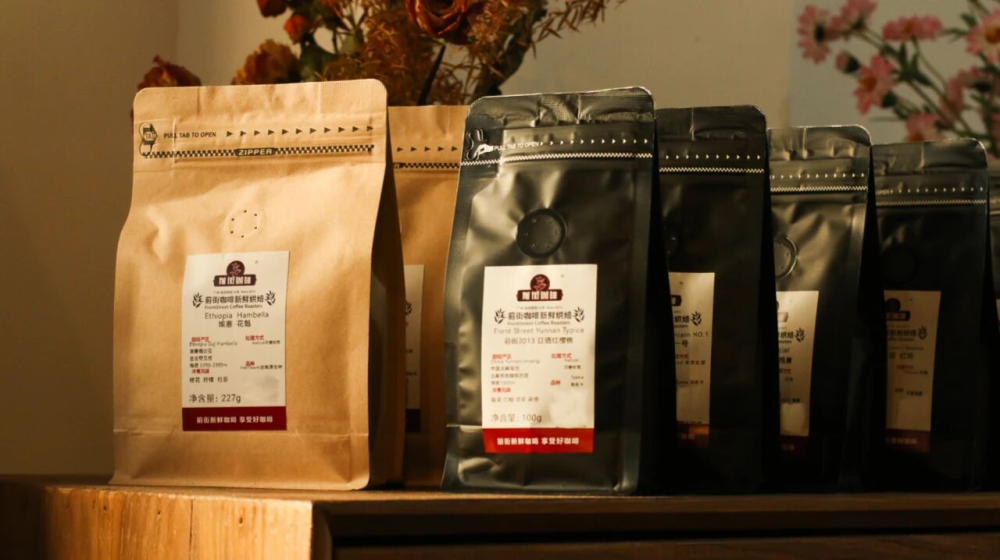
The freshness of coffee beans has a significant impact on flavor. For beans like Huakui, which emphasize fruity and floral profiles, it is recommended to choose those roasted within 10 days, as the carbon dioxide hasn’t fully dissipated yet, allowing the most complex flavors to shine. If left too long, not only will the aroma fade, but the taste may also become dull. Especially for Huakui, known for its bright acidity and fresh floral notes, freshness is especially crucial. When buying, check the roast date on the packaging and aim for batches roasted within a week to ensure the best flavor experience when brewing.
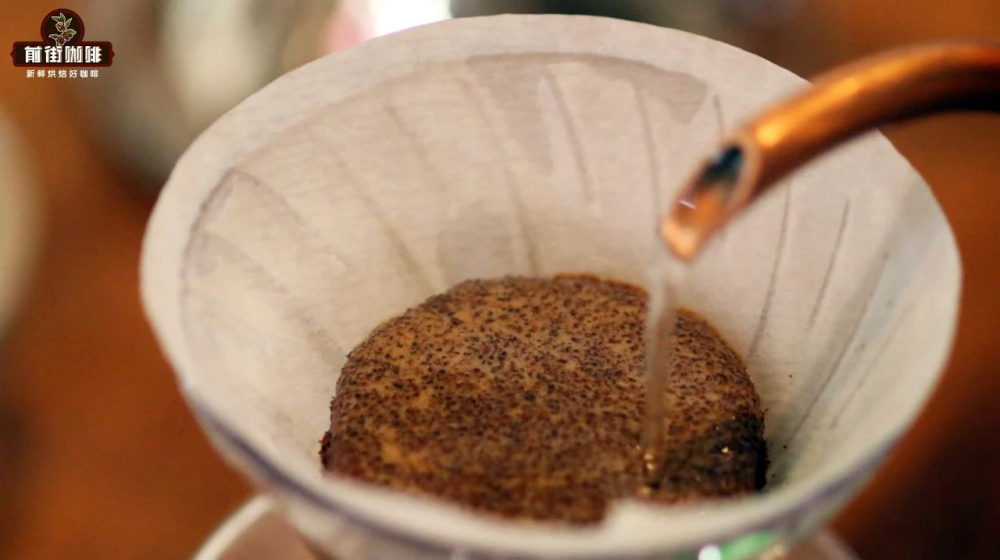
In terms of roast level, Huakui is typically medium-light or medium roasted to preserve its vivid floral and fruity aromas and balanced acidity-sweetness profile. Dark roasting can bring out intense bitterness but tends to mask the delicate regional characteristics of Huakui, and is especially unsuitable for light extraction methods such as pour over or filter drip. If you prefer fruity tones and a refreshing mouthfeel, opt for medium-light roasted beans, and pay attention to whether the roaster adjusts their roast profile for different brewing methods.
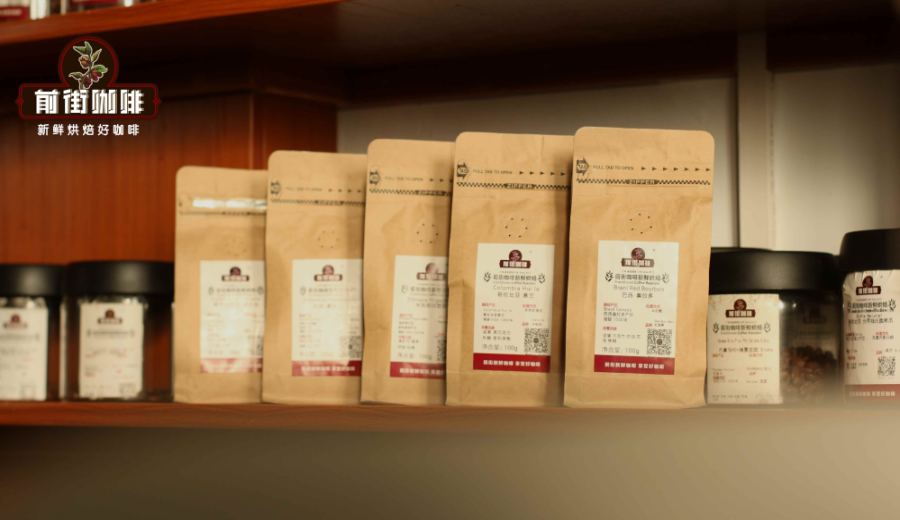
For first-time buyers of Huakui, choosing a reputable roasting brand is essential. It is recommended to purchase from well-established and highly rated shops, prioritizing products that provide detailed information about origin, processing method, and roast date. This not only ensures authenticity but also offers more accurate brewing guidance.
For storage, it is advised to keep unopened Huakui beans in a cool, dry place. Once opened, use them as soon as possible, or transfer them to an airtight container and store away from light to prevent moisture or prolonged oxygen exposure, which can lead to flavor degradation. If conditions allow, you may refrigerate the beans, but be sure to protect them from humidity and consume them within a week to maintain optimal quality.
The above content is compiled by CoffeeHunters, a coffee news website.

