








Introduction:Looking for a light-roast coffee bean suitable for beginners? Ethiopia’s Yirgacheffe in Africa is renowned for its fresh floral and fruity aromas, which become even cleaner and brighter after washed processing. This article recommends two classic washed beans, analyzes their regional characteristics and flavor profiles, and provides practical pour-over parameters and steps to help you easily brew out charming citrus acidity and tea-like aftertaste.
Among the world’s specialty coffees, Ethiopia’s Yirgacheffe has always been one of the most notable representatives of washed beans. These beans from Africa are famous for their bright lemon and citrus acidity, coupled with delicate floral notes and an Earl Grey-like finish, making them a top choice for many pour-over beginners.
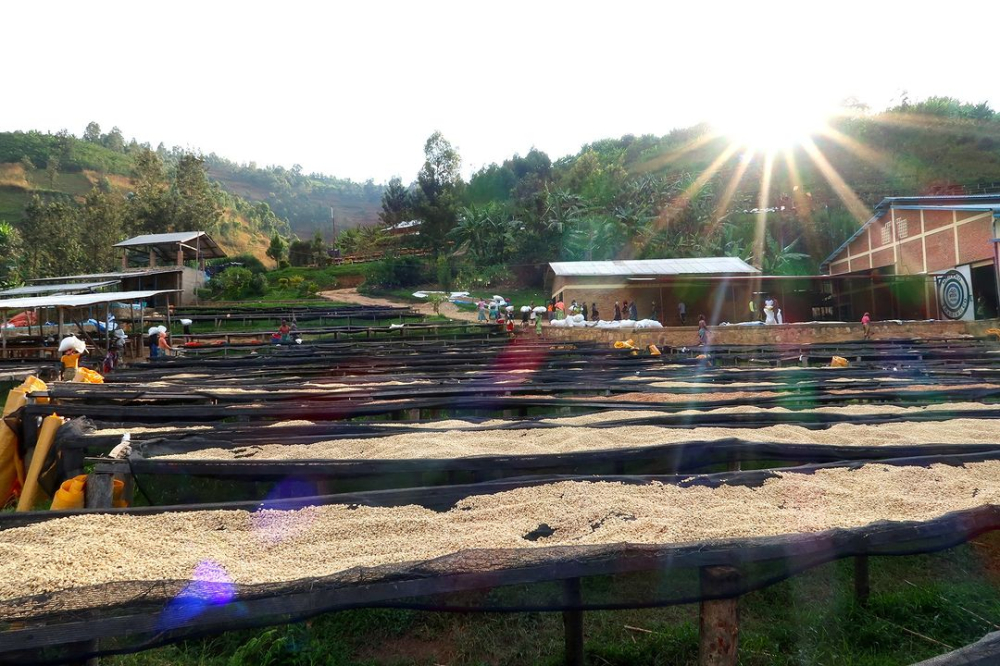
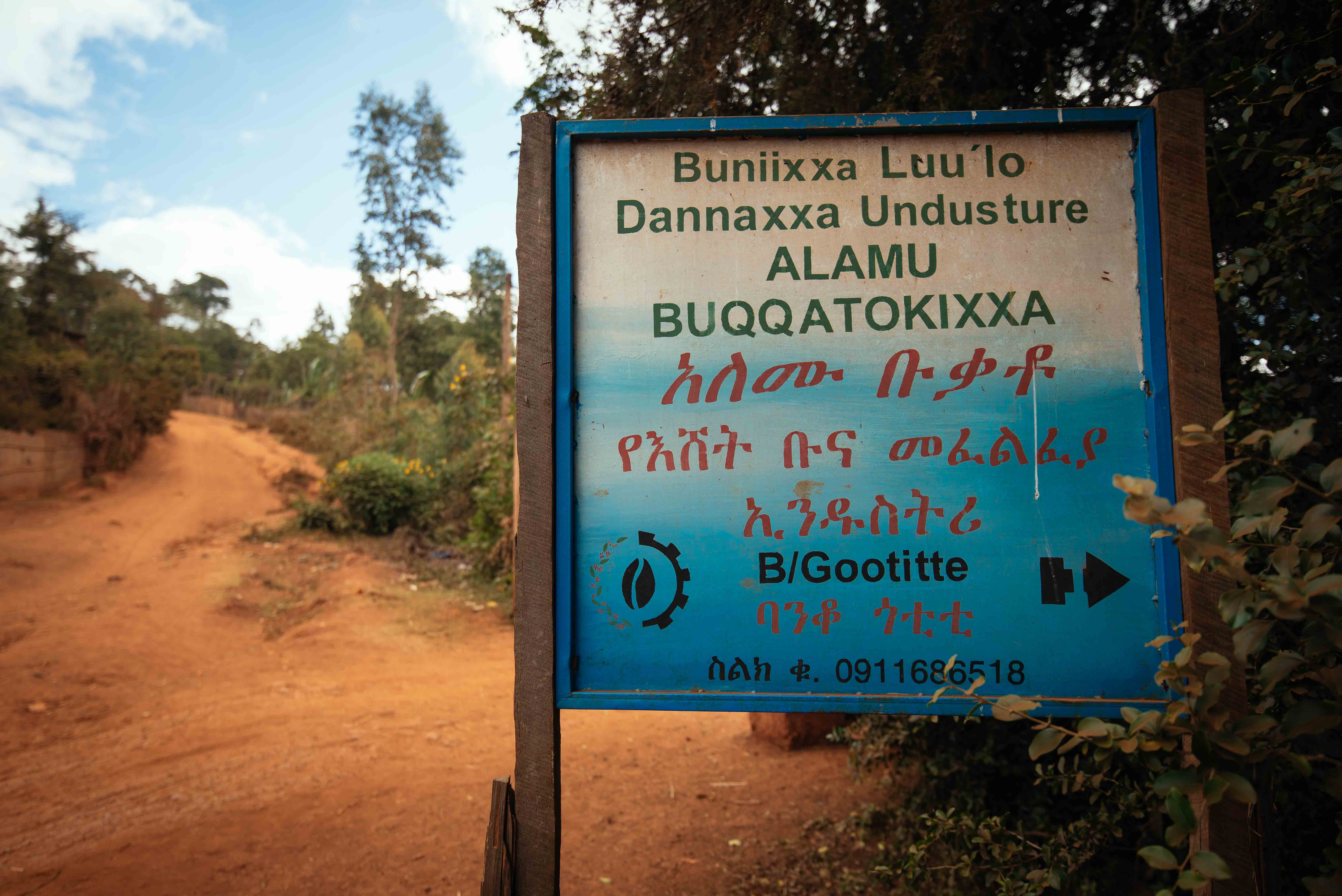
Among the many Yirgacheffe producing areas, “Washed Guddido” is an extremely representative village-level specialty bean. It comes from the Guddido Cooperative, located about 60 kilometers from the town of Yirgacheffe. This community is situated in the Gedeb region, on par with the well-known Kochere area. Guddido has operated independently since 2012, having split from the former Worka Cooperative, and is now jointly managed by about 300 coffee farmers. With mature planting and processing techniques, the resulting washed beans offer clear and layered flavors.
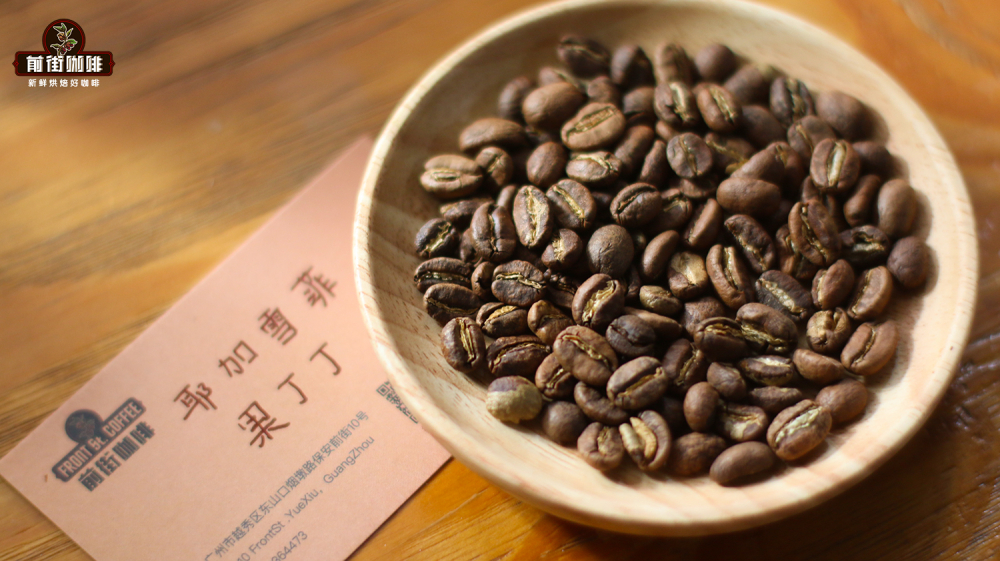
This Washed Guddido coffee boasts a rich floral aroma as its dominant note, often described as “bursting with a bouquet upon entry.” Its delicate fruit acidity carries the freshness of passion fruit and citrus, accompanied by the sweetness of berries and a soft tea-like undertone, with a honey-like warmth in the aftertaste. Its body is on the lighter side, gliding smoothly over the tongue like silk—perfect for those who enjoy bright acidity and fruity notes.
In terms of roast level, to fully highlight its floral and fruity characteristics, this bean is medium-light roasted. This preserves the fruit acidity without the roasted depth that could mask its subtle aromas. For coffee enthusiasts new to pour-over, this roast level is easier to manage and better highlights the terroir flavors.

To brew the best flavor, the freshness of the coffee beans is key. It is recommended to choose beans roasted within 5 days, and allow the beans to rest for 4 to 7 days after arrival for degassing—this is when the flavors are most balanced and full. For brewing, it is recommended to use a V60 filter, with water temperature controlled at around 90°C, and a coffee-to-water ratio of 1:15. Using 15 grams of coffee as an example, the grind size is roughly 80% through a Chinese No. 20 standard sieve, similar in coarseness to fine sugar, which helps ensure stable extraction.

In practice, it is recommended to use a staged extraction method: start with a 30-second bloom using 30 grams of water (twice the coffee amount) to release CO₂ and stabilize subsequent extraction. Then, pour water in small circles, performing the first stage at a total of 125 grams, followed by pouring up to 225 grams before stopping. Allow the dripping to finish before removing the filter. The overall extraction time is advised to be around 2 minutes. Finally, gently swirl the brewed coffee to evenly distribute the flavors before pouring into the cup, allowing you to more fully experience its layers.
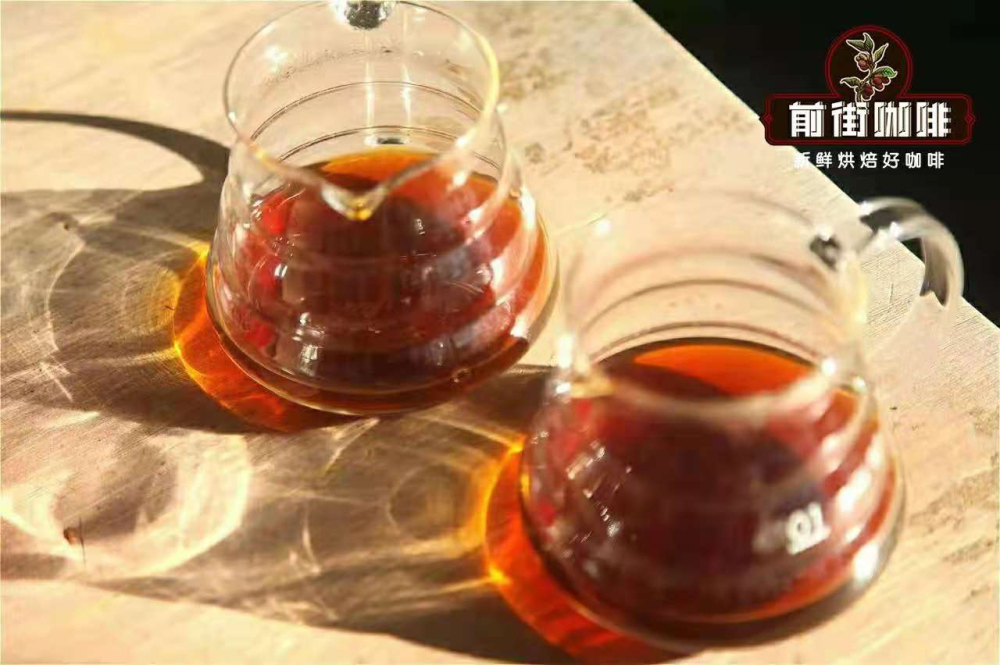
In summary, Yirgacheffe and Washed Guddido—such medium-light roasted beans processed via washed methods—are excellent choices for beginners starting pour-over. Their refreshing citrus acidity, bright floral and fruity aromas, along with soft tea notes and honey-sweet aftertastes, are not only easy to enjoy but also allow one to clearly experience the “terroir flavors” of coffee. They serve as an ideal starting point for developing personal taste preferences and extraction techniques.
The above content is compiled by CoffeeHunters, a coffee news website.

