








Introduction:Want to experience the mythical Geisha flavor but worried about budget constraints? This article delves into the ecological advantages of Panama’s renowned Boquete region, explores the historical background and market value of the Geisha variety, and compares purebred Geisha with Geisha-blend coffee beans. It also recommends two cost-effective Panama-grown Geisha-flavored beans, providing pour over and extraction suggestions to help beginners find a suitable entry-level choice.
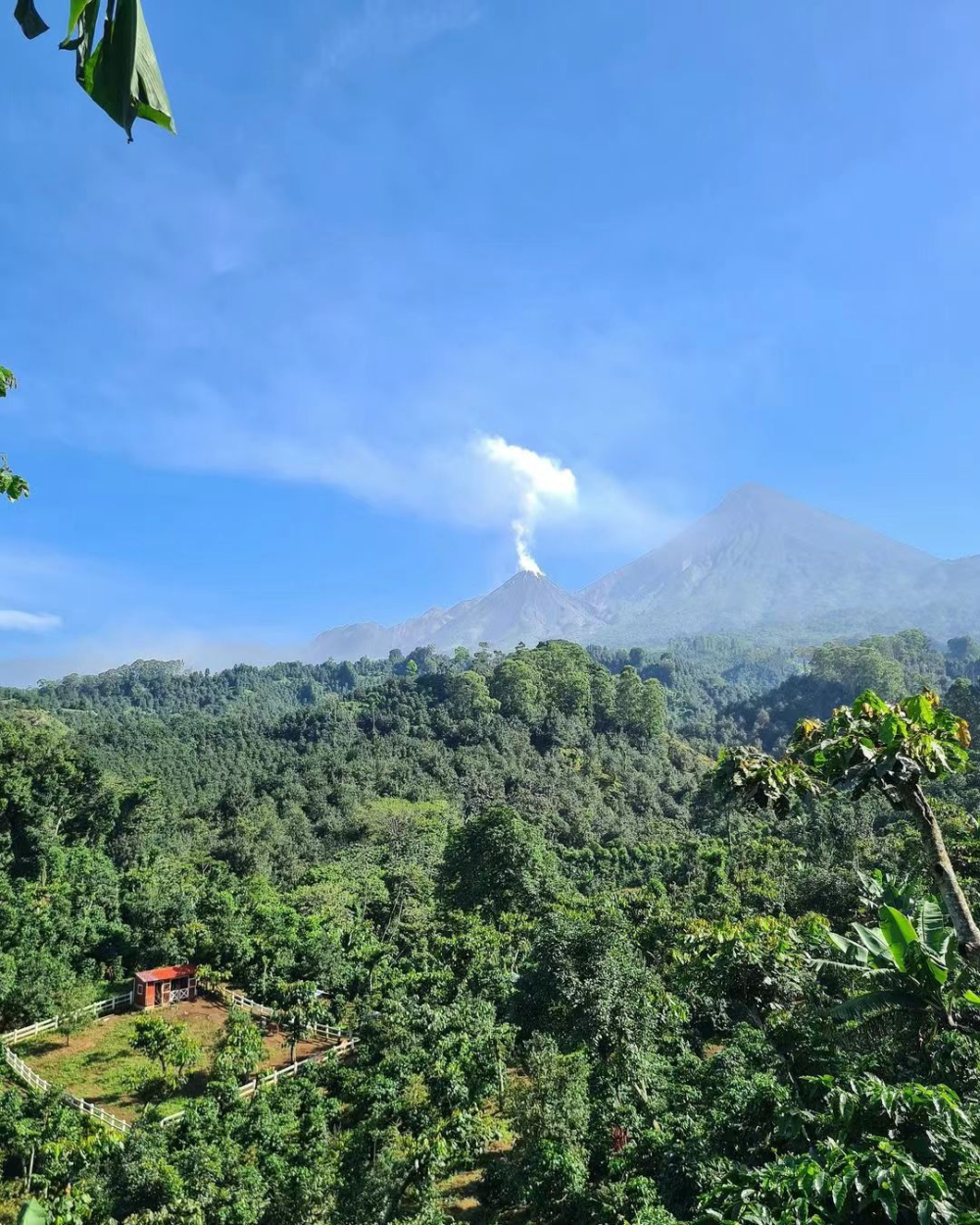
Panama is located in Central America, bordering Costa Rica to the west and Colombia to the east. In the specialty coffee scene, Panama gained fame primarily due to the Geisha (also translated as瑰夏) variety grown at Hacienda La Esmeralda. The region boasts a uniquely favorable microclimate and high-altitude environment, along with fertile volcanic soil, giving rise to numerous farms capable of producing high-quality coffee—especially in the Boquete area.

Although Boquete is just a small region in western Panama, it is a significant specialty coffee-producing area, where well-known farms such as Elida and Sophia are concentrated. The region benefits from the unique microclimate brought by the central mountains—cold air moving from east to west converges above approximately 6,500 feet in altitude, creating diverse microclimates that make rainfall and temperature conditions highly suitable for coffee cultivation, allowing Geisha to exhibit exceptional potential here.
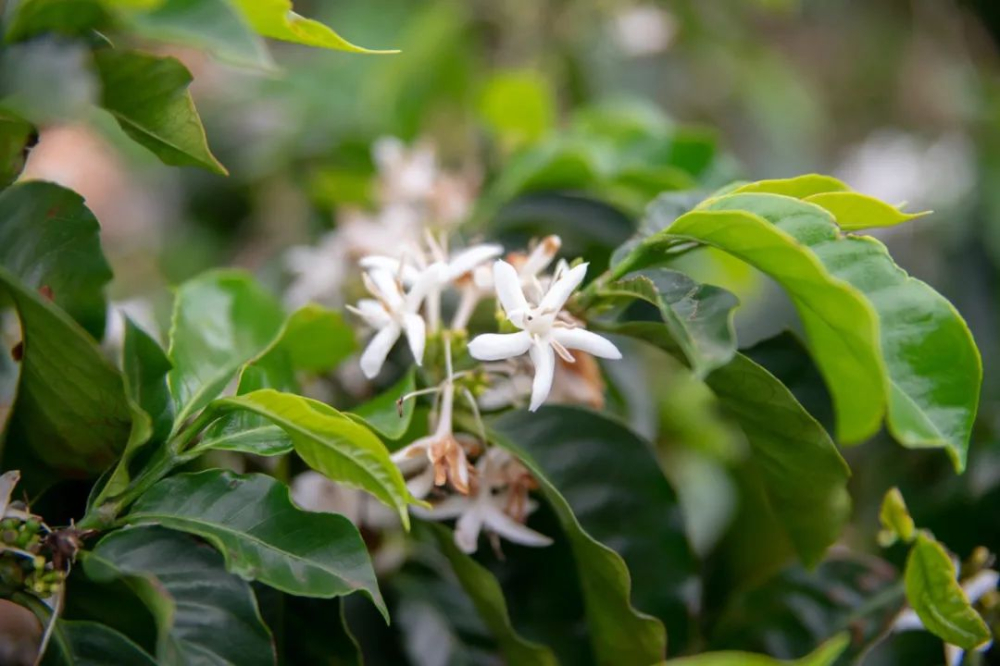
The Geisha variety was first discovered in 1931 in the Gesha Forest of Ethiopia, later passing through Kenya, Uganda, and Tanzania, and finally introduced to Costa Rica in 1953. In 1963, Panama’s Don Pachi Serracin brought the Geisha seeds from Costa Rica, but due to its low yield at the time, it was not widely cultivated. It wasn’t until 2004 that Daniel Peterson, the owner of Hacienda La Esmeralda, noticed that coffee trees in a high-altitude section of his farm were producing beans with distinct citrus and floral characteristics. After separate cupping, these beans became an instant hit, making Geisha a top-tier variety in the global specialty coffee market ever since.
As Geisha has repeatedly won international competitions, its rarity and high quality have driven its price steadily upward, especially achieving record-breaking prices at auctions, making it a “dream bean” in the hearts of many coffee enthusiasts. However, its high price often deters newcomers, leading many brands to release Geisha blends so that fans can experience similar flavors at more affordable prices.
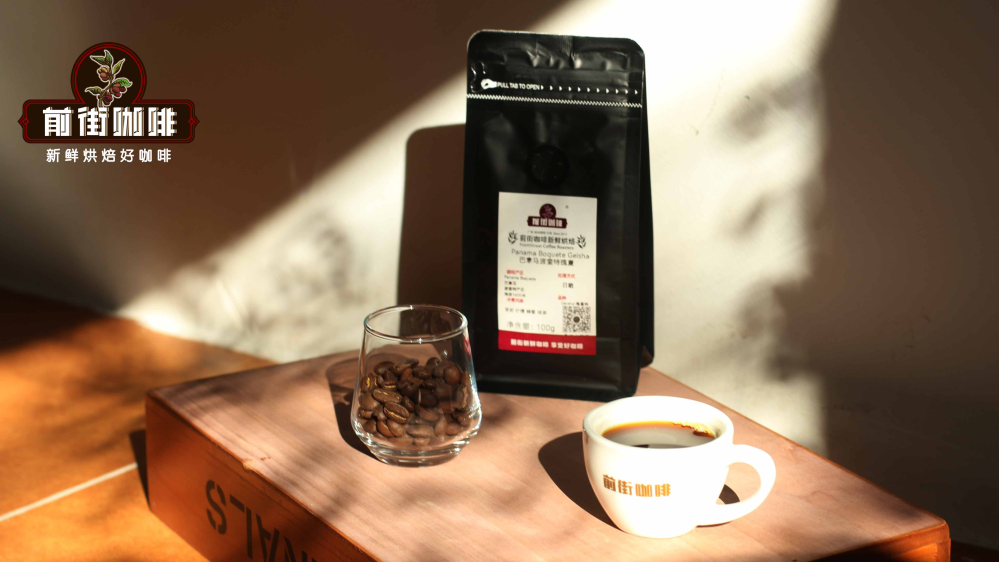
If you want to experience flavors close to purebred Geisha, it is recommended to choose Panama Boquete-grown Geisha coffee beans that use meticulous washed processing and medium-to-light roasting. This type of processing highlights clear floral and fruity aromas along with delicate citrus acidity, making it suitable for brewing via pour over, drip bags, or cold brew. It is advised to consume the beans within five days post-roasting, and to opt for freshly roasted batches whenever possible to achieve the best flavor expression. For brewing, you may refer to medium-light roast parameters: a coffee-to-water ratio of 1:15, water temperature around 90–92°C, and a grind size close to medium-fine (such as that of fine sugar grains), to emphasize its bright acidity and layered profile.
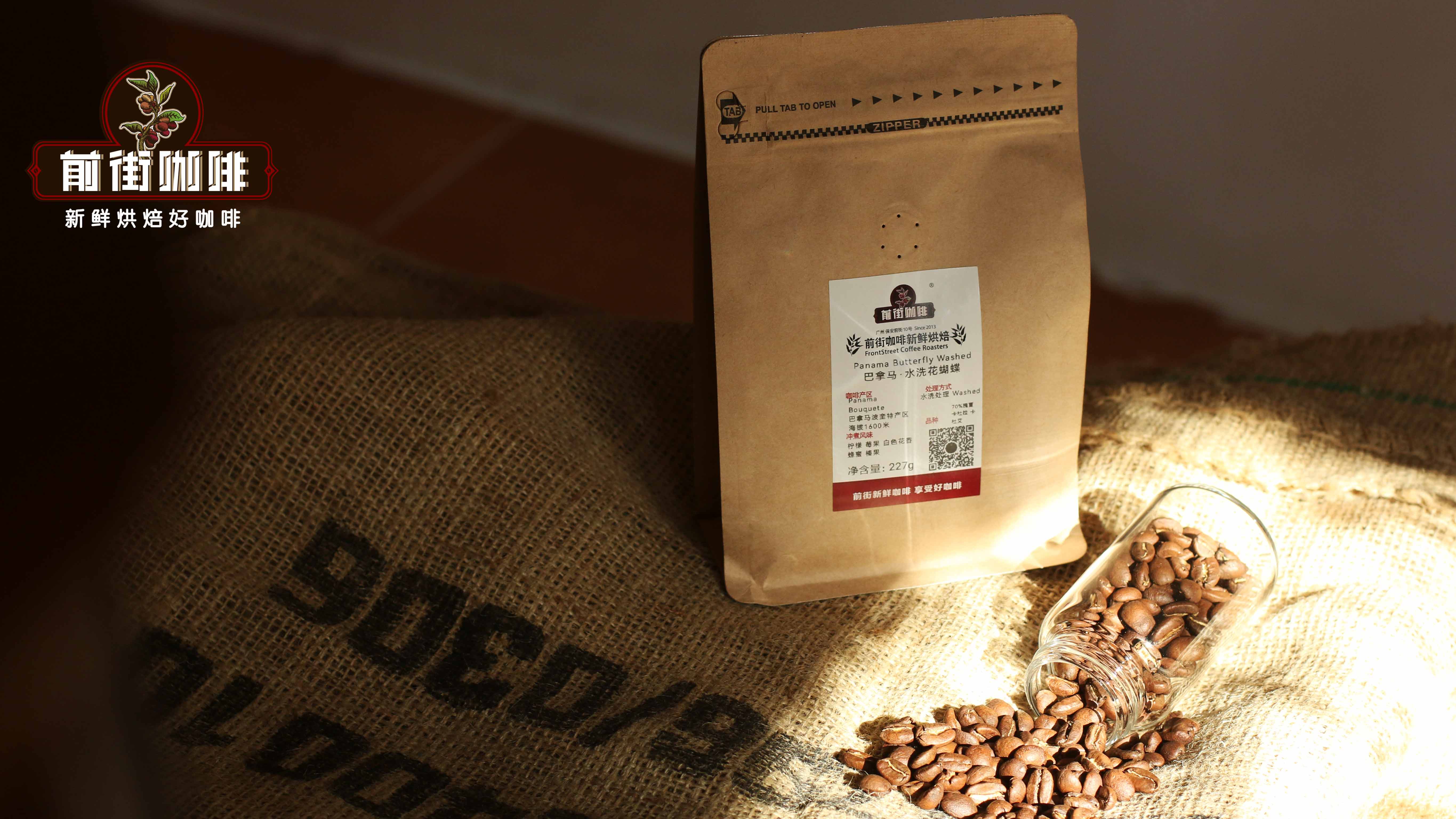
If you prefer a higher cost-performance option yet still wish to enjoy the unique flavor of Geisha, consider blends where Geisha makes up about 70%. Such blends usually combine other stable varieties like Caturra or Catuai, preserving the classic citrus acidity and floral notes of Geisha while maintaining a more balanced taste and price. These are suitable for daily drinking or for consumers just starting to explore Geisha flavors. It is recommended to slightly extend the brewing time to fully bring out the multi-layered flavor profile of the blend.
The above content is compiled by CoffeeHunters, a coffee news website.

