








Introduction:Why does some pour over black coffee taste noticeably sweet? This article delves into the three main sources of sweet aroma in coffee, and recommends a variety of high-value single-origin beans suited to light, medium, and dark roast flavor profiles. It also provides tested and effective pour over parameters and steps to help you easily extract a richly layered sweet experience—even beginners can get started with ease.
Many coffee enthusiasts, when first trying black coffee, are often struck by its pronounced bitterness or acidity, yet few describe it as "sweet." However, when someone says "this cup of coffee is so sweet," they’re not usually referring to the direct taste of sugar, but rather to the complex interplay of aromatic compounds in the coffee.
From the chemical composition of green coffee beans, although the content of sucrose and polysaccharides is relatively high, most of these are carbohydrates that are not easily soluble in water. The free sucrose that actually contributes to sweetness accounts for only about 8%. After roasting, these substances further transform—for example, sucrose breaks down into caramel-like compounds—making the sweetness of roasted coffee more reliant on the synergy of flavor compounds rather than simple sugars.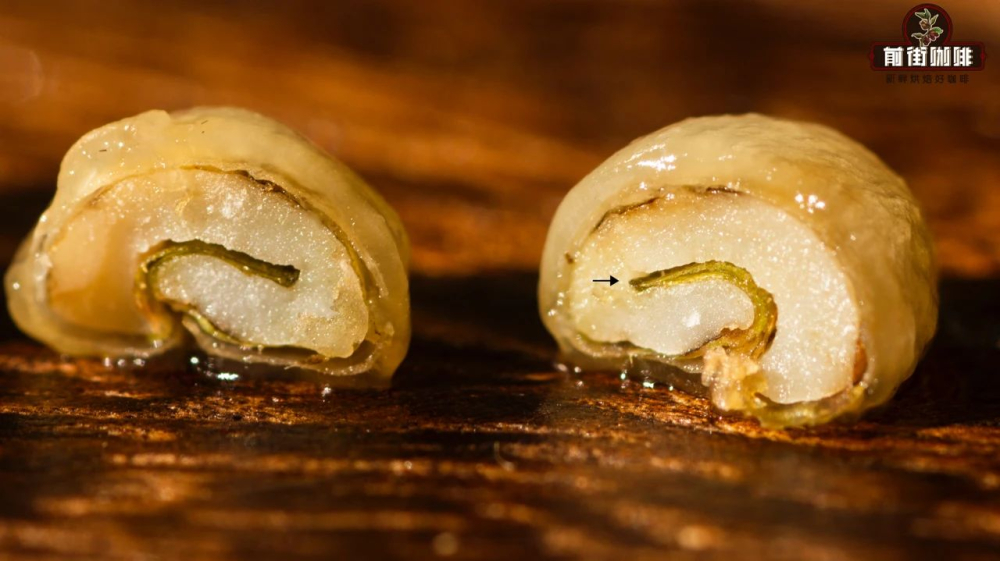
The sweetness we perceive in coffee largely stems from the sweet aromas captured by our sense of smell. Depending on the degree of roasting, these sweet aromas can generally be divided into three categories: light roasts highlight fruity and floral notes; medium roasts showcase caramel and nutty sweetness; dark roasts release intense caramel and toffee aftertastes.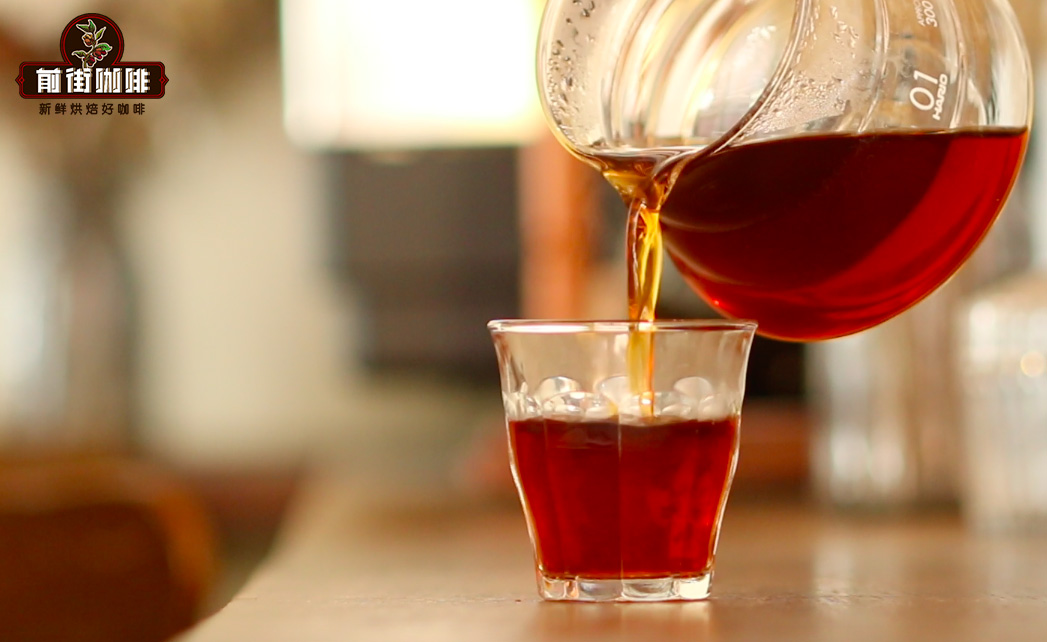
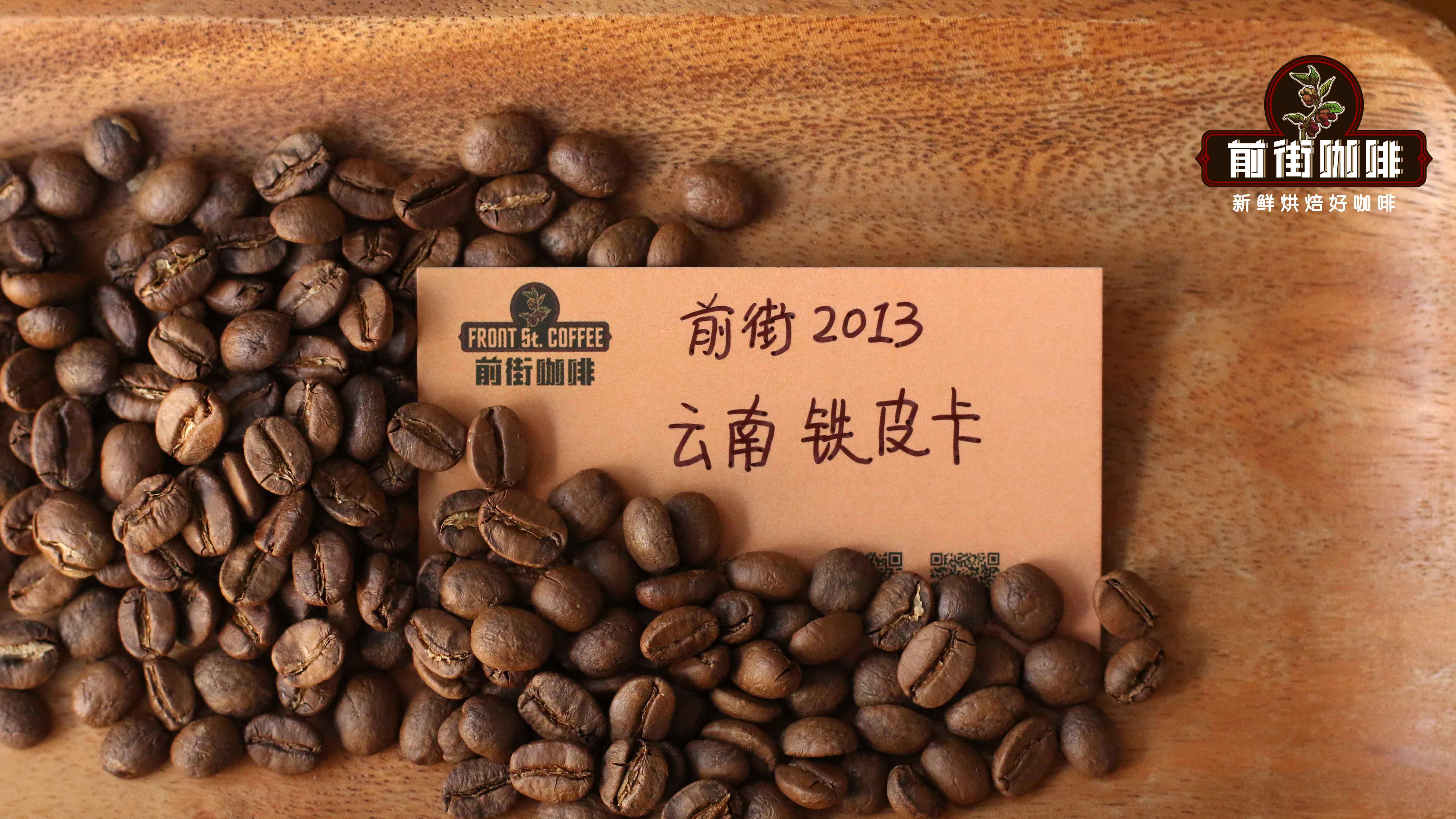
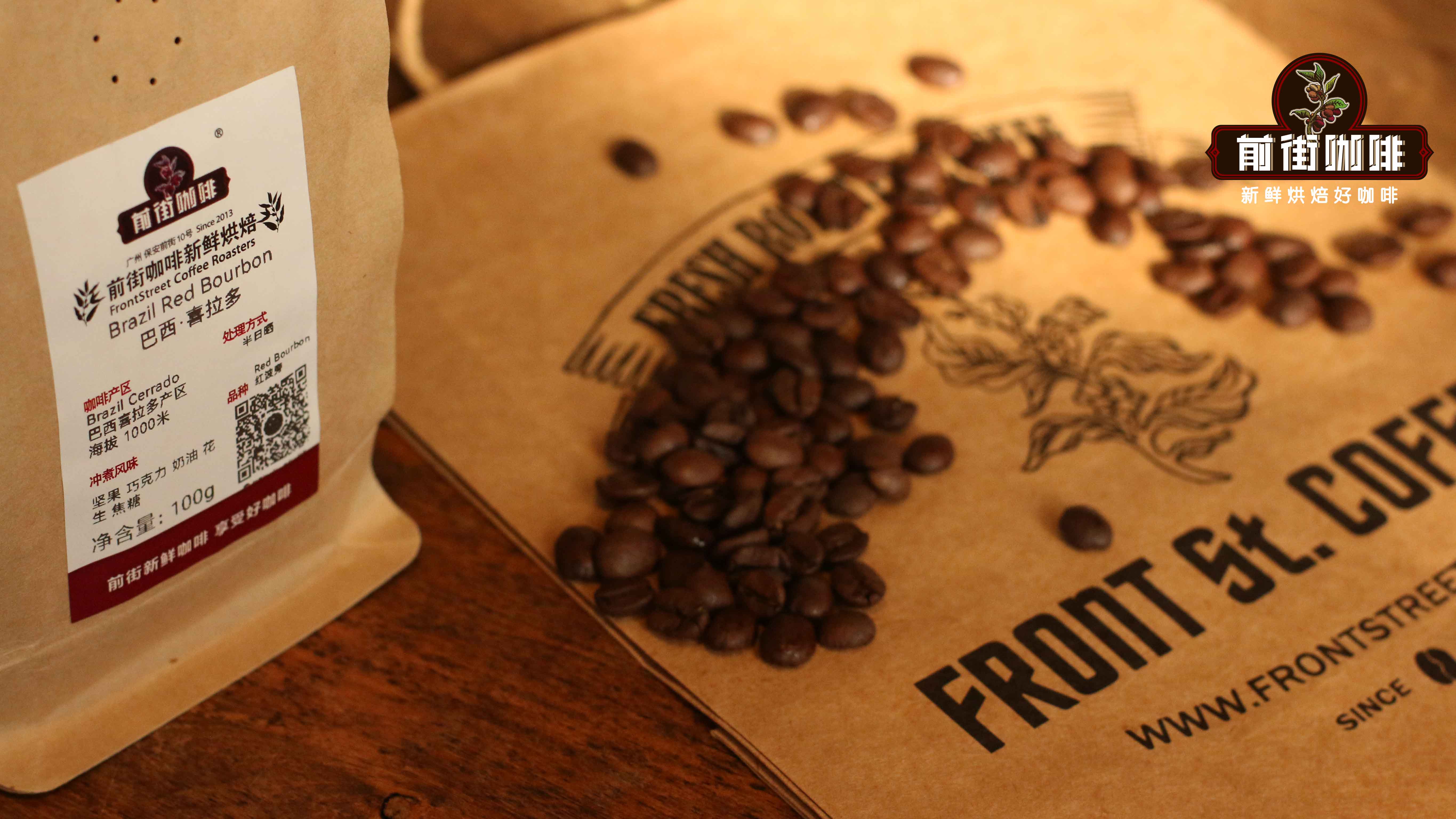
If you want to enjoy coffee with refreshing sweet notes such as honey, pomelo, or mango, it’s recommended to choose light-roast single-origin beans like Geisha or Yirgacheffe. These beans mainly release flavors akin to baked apples and honey, derived from ketones.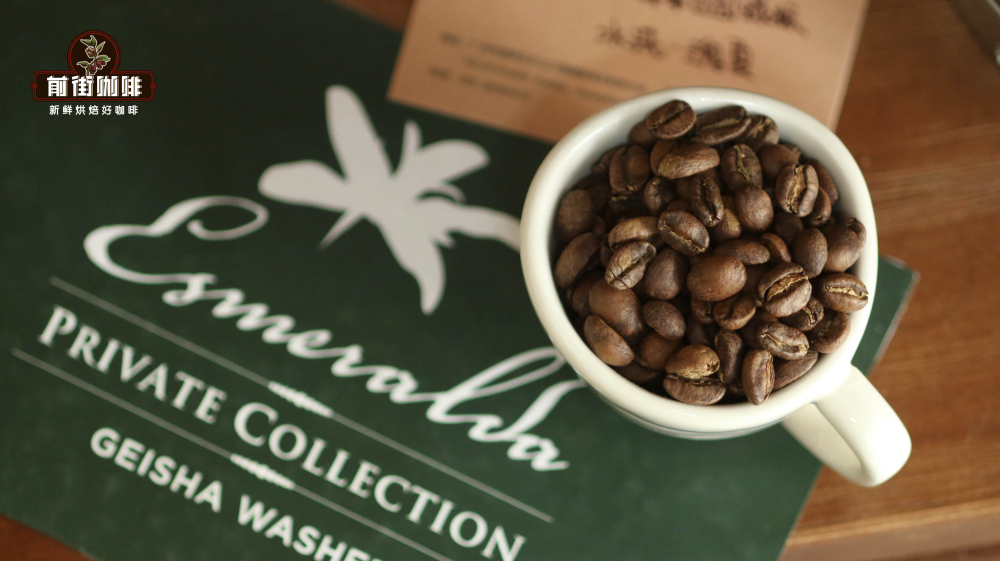 If you prefer a richer sweetness reminiscent of chocolate, dried fruit, or cane sugar, medium-roast beans such as Brazilian or Yunnan Typica, thanks to the effect of furanones, offer warm notes of caramel and maple syrup.
 As for those who dislike acidity and seek the lingering sweetness of dark roasts, coffees like Golden Mandheling or Jamaican Blue Mountain can deliver sweet aftertastes of caramel and toffee in the finish.
So, can changing the brewing method actually make coffee taste sweeter? In fact, no matter which brewing technique you use, the core goal is to fully extract the acidic and sweet components of the coffee within a set time frame. By precisely controlling water temperature, grind size, and pouring rhythm, the expression of sweetness can be significantly enhanced.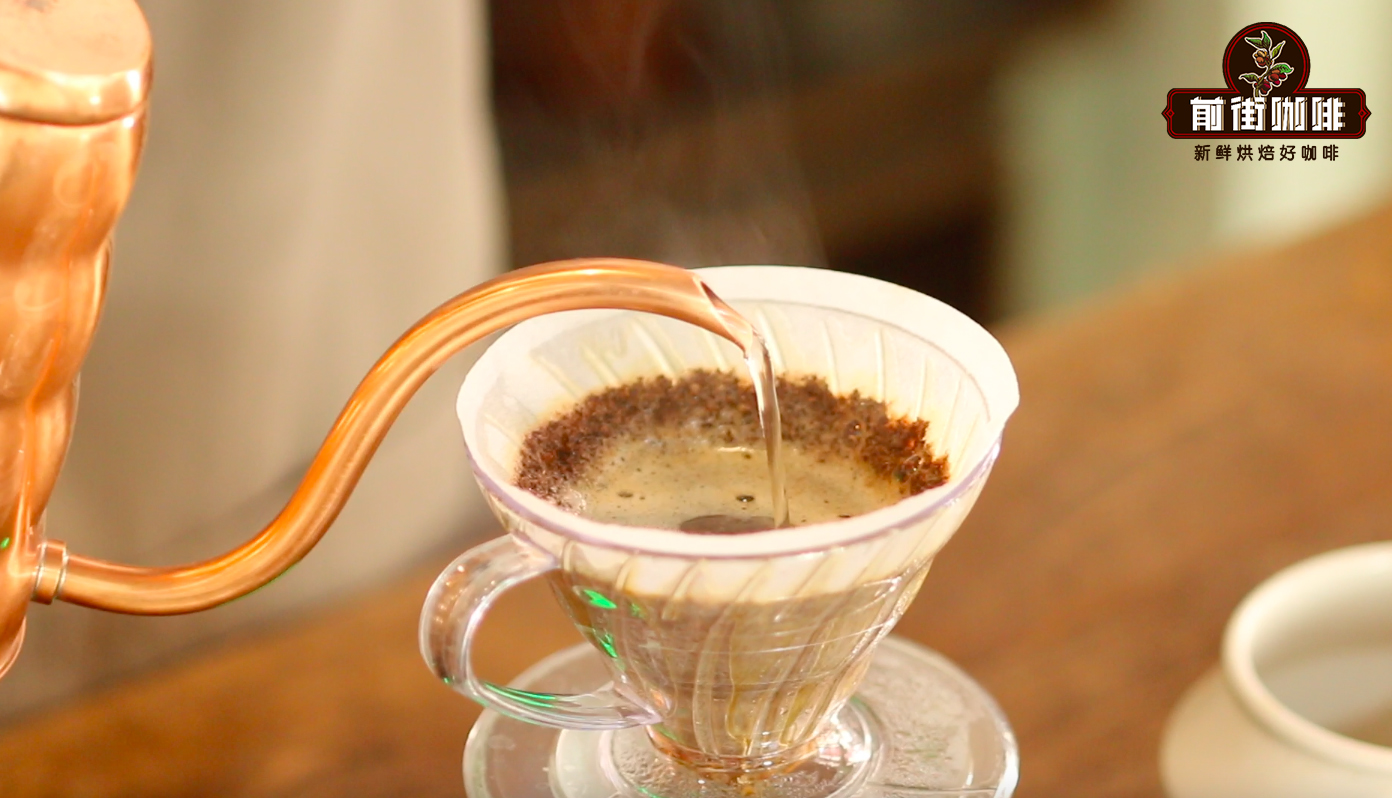
Below are tested and effective pour over parameters and steps: Using Ethiopian Huakui coffee beans, which are medium-light roasted and feature sweet aromas of ripe strawberries and honey, paired with a V60 filter cone. The parameters are as follows: 15 grams of coffee, grind size at 75%–80% through a #20 sieve (approximately equivalent to 10 on the Ek43 grinder), a 1:15 coffee-to-water ratio, and water temperature controlled at 92°C.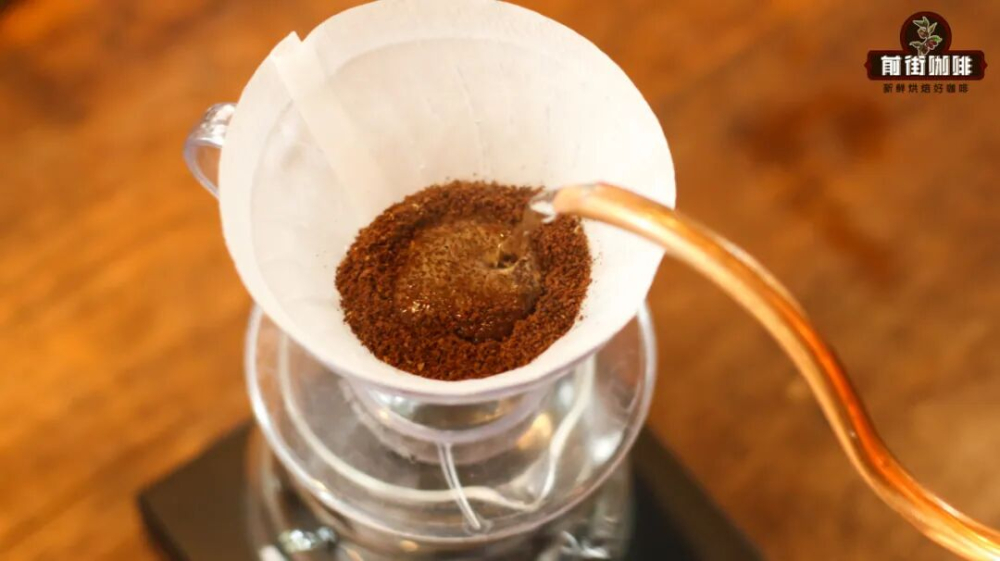
Step one: Pour 30 milliliters of hot water for a 30-second bloom to release CO₂ from the coffee grounds and pave the way for subsequent extraction. Next, pour 120 milliliters of hot water using a large stream in wide circles at a rate of 6 milliliters per second, taking about 20 seconds, during which the coffee bed gradually forms a bowl shape.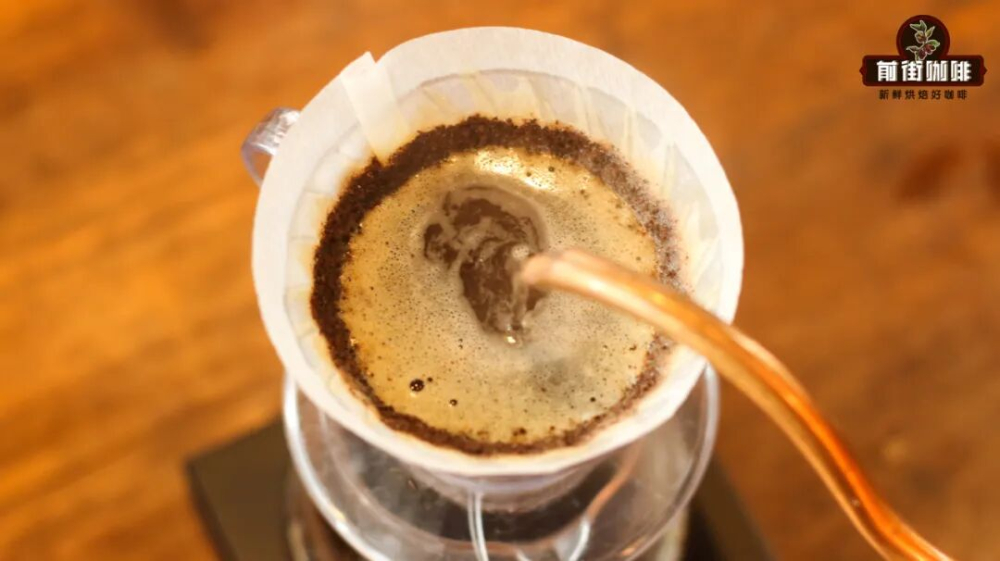 Then, adjust the pouring method to a small stream, focusing on the center of the filter cone and pouring the remaining 75 milliliters of hot water at a rate of 4 milliliters per second to extend the extraction time and ensure even release of flavor compounds. The entire process takes about 2 minutes and 15 seconds to complete.
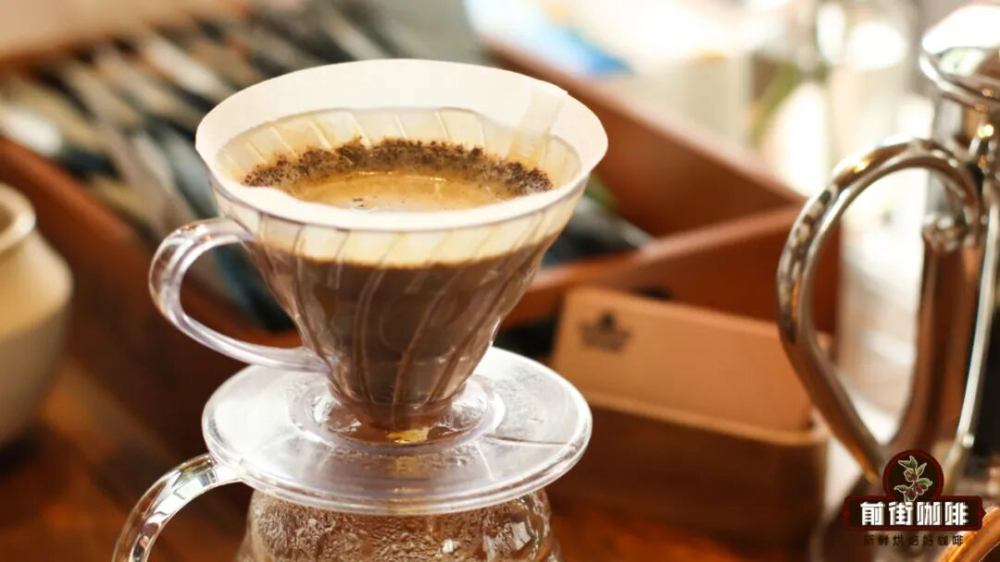
The final brew yields a coffee with distinct sweetness and rich layers, where aromas of citrus, honey, cream, and orange blossom intertwine. The finish carries hints of oolong tea, and after swallowing, a lasting berry aftertaste lingers on the lips and palate. The overall profile is balanced and memorable.
The above content is compiled by CoffeeHunters, a coffee news website.

