







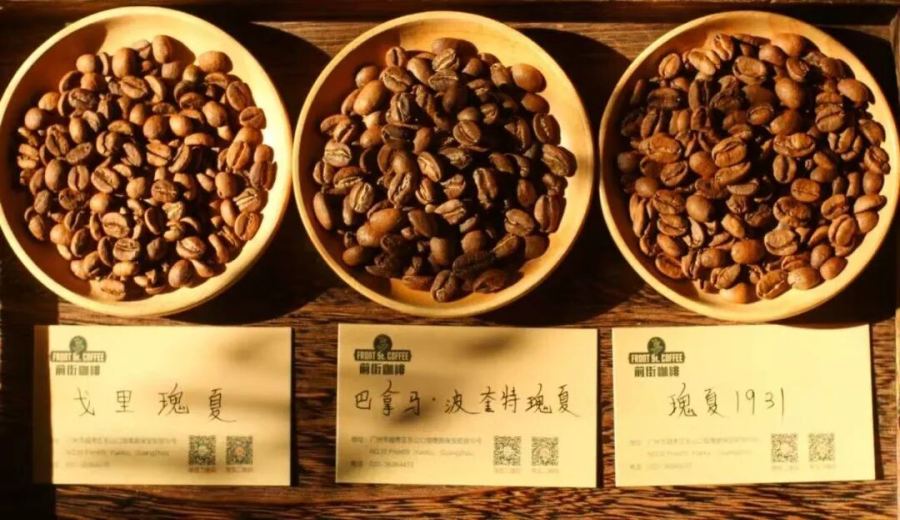
Introduction:The Gold Label and Red Label Geisha from Gesha Village Estate are premium single-origin beans that many coffee enthusiasts pay close attention to. These two top-tier coffees from Ethiopia, though both part of the Gesha Village series, differ in variety, growing region, processing method, and flavor profile. This article will take an in-depth look at the origins, grade classifications, flavor characteristics, and actual brewing experiences of the Gold and Red Labels, helping you choose the Gesha Village coffee that best suits your taste.
Aside from the well-known Emerald Estate’s Red Label and Green Label Geishas, the Gold Label and Red Label from Ethiopia’s Gesha Village Estate are also considered premium offerings by many coffee connoisseurs. However, many people often feel puzzled when faced with these two Geishas from the same origin but with different labels: what exactly is the difference between them? Today, we’ll take you on an in-depth exploration of the differences between the Gold and Red Labels from Gesha Village—from regional background, grade categorization, to flavor features and brewing suggestions—so you can fully understand these two highly regarded specialty coffees in one go.

Gesha Village Estate is located in the village of Gesha within the Bensa district of Ethiopia, spanning approximately 471 hectares of land, about 320 hectares of which are dedicated to coffee cultivation, with planting density controlled at around 7,000 trees per hectare. This land has been divided by the estate owner, Adam Overton, into eight micro-regions. Each area, due to variations in microclimate and soil, produces coffee beans with unique flavors. Among Gesha Village’s various products, besides auction-grade and Green Label offerings, the Gold Label and Red Label are the most popular among the market and also serve as the entry point for many coffee lovers to first experience the flavors of Gesha Village.

It’s worth noting that the grading names used by Gesha Village—such as Gold Label, Red Label, and Green Label—are actually “colloquial” designations based on the color of the packaging label and the primary variety used, making it easier for consumers to identify them. For example, the Gold Label gets its name because the main color of the packaging is gold and it mostly consists of Geisha variety, but in reality, not all the coffee under that label is necessarily the familiar Panamanian Geisha (T2722). Understanding this helps us view the actual content behind these names more objectively.
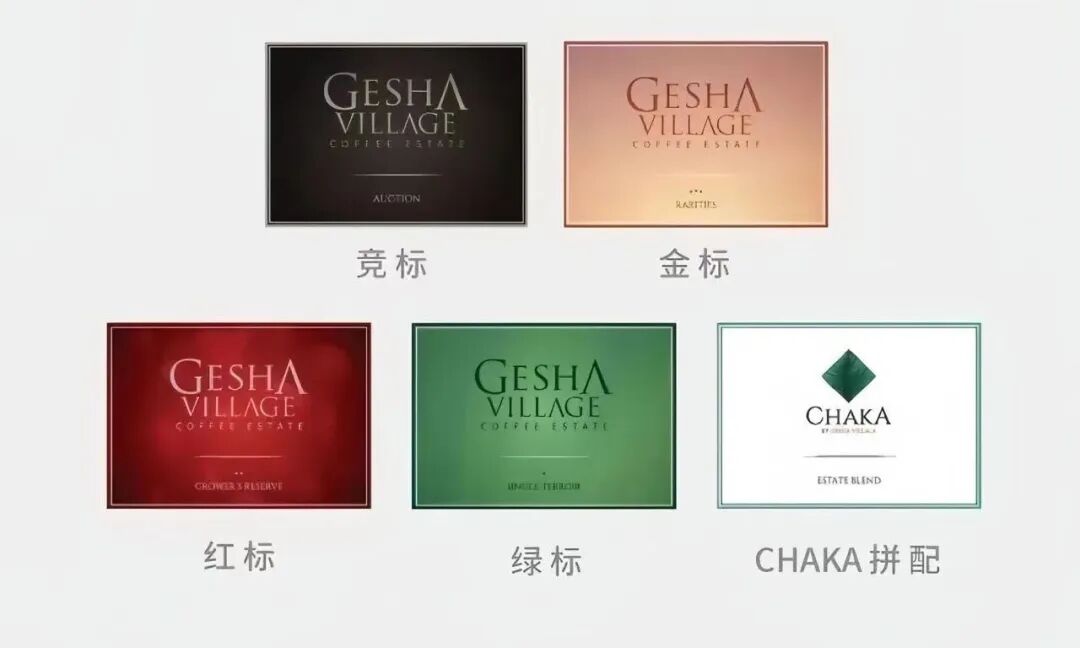
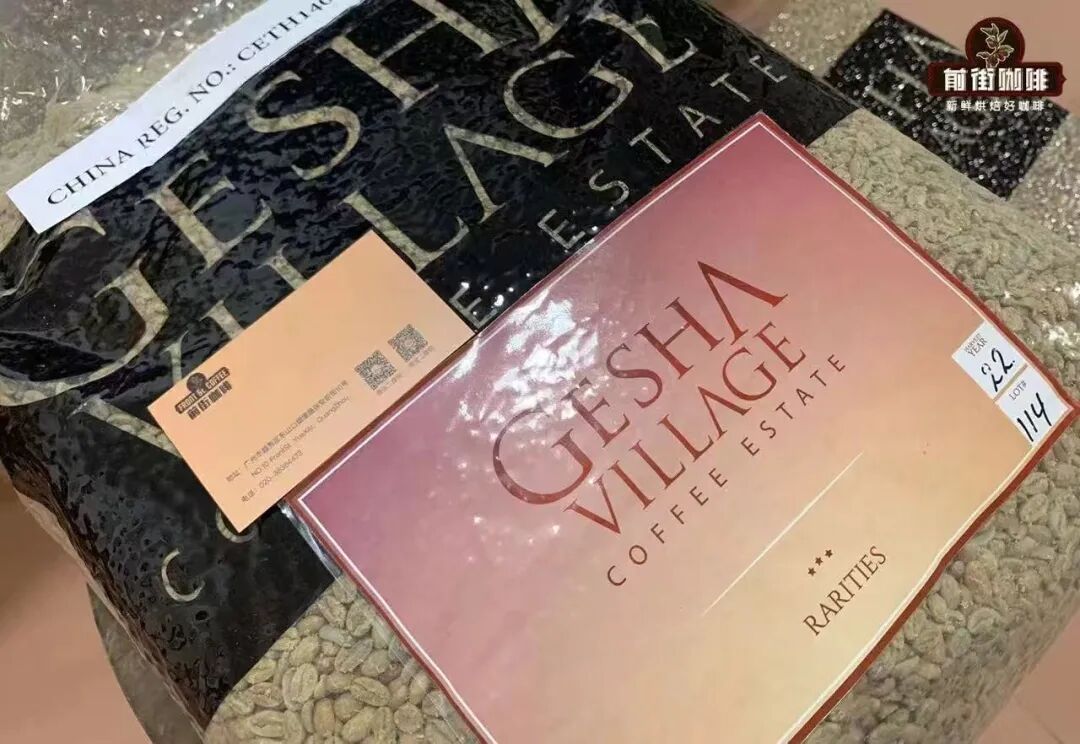
Let’s start with the Gesha Village Gold Label. Its official name is “Rarities,” meaning “rare treasures,” and it is the highest-grade product from Gesha Village aside from auction lots. The production of Gold Label accounts for only about 10% of the estate’s annual output, making it quite rare, and each batch comes with complete traceability information regarding its growing region and processing methods. This coffee is often favored by competition-level baristas for its complex and layered flavors. Although its name includes “Geisha,” it actually uses the “Gesha 1931” variety, which was personally selected and cultivated by the estate owner from the original Gesha forest—not the commonly known Panamanian Geisha T2722. This variety is similar in appearance and flavor to T2722 but carries more distinct local characteristics.
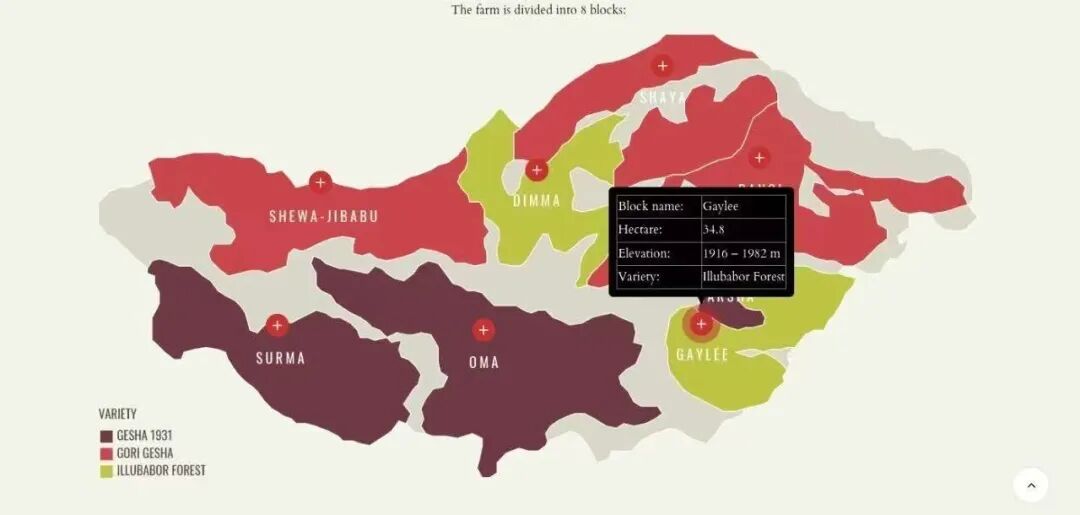
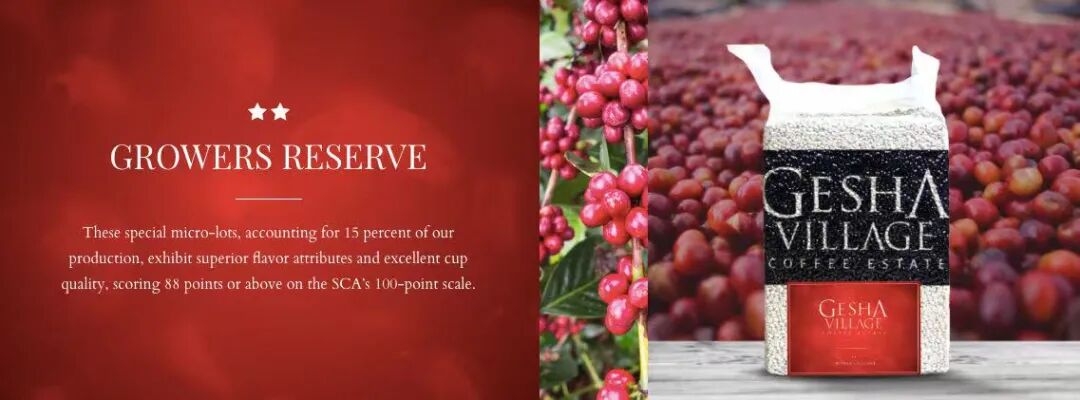
As for the Gesha Village Red Label, its official name is “Growers Reserve,” or “Growers’ Protected Lot.” Its production is slightly higher than that of the Gold Label, accounting for about 15% of the estate’s total output. The Red Label also offers full traceability, but unlike the Gold Label, its cupping score only needs to exceed 88 points to qualify, and it is not limited to the Geisha variety—any bean meeting the standard can be included. The batches introduced under the Red Label mainly use the Gori Gesha variety. Although it is named Geisha, its flavor and appearance differ considerably from the traditionally recognized Geisha and are actually closer to the characteristics of native Ethiopian coffee varieties.
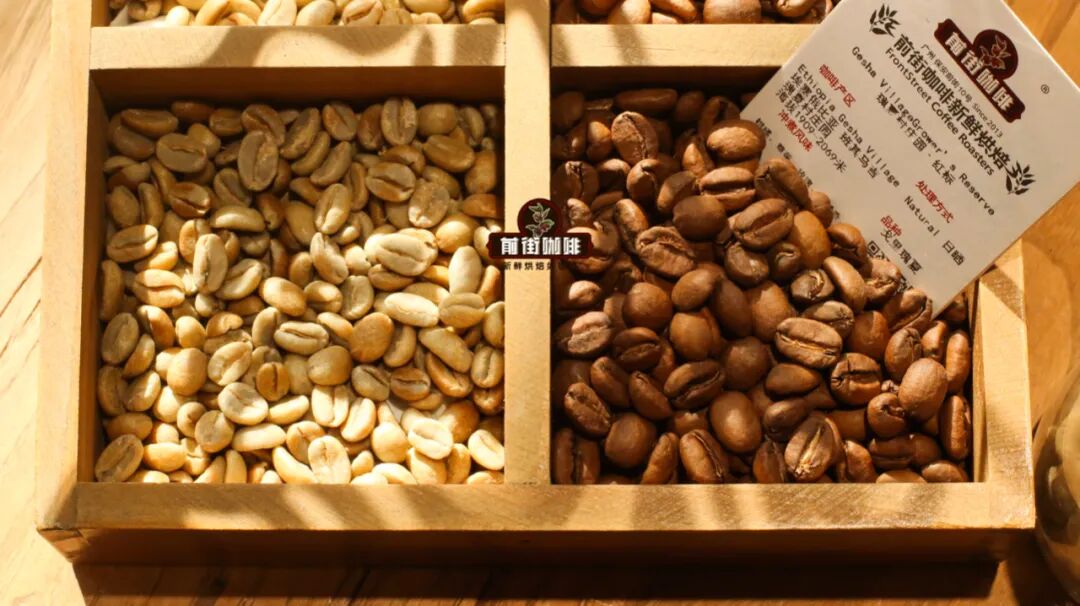
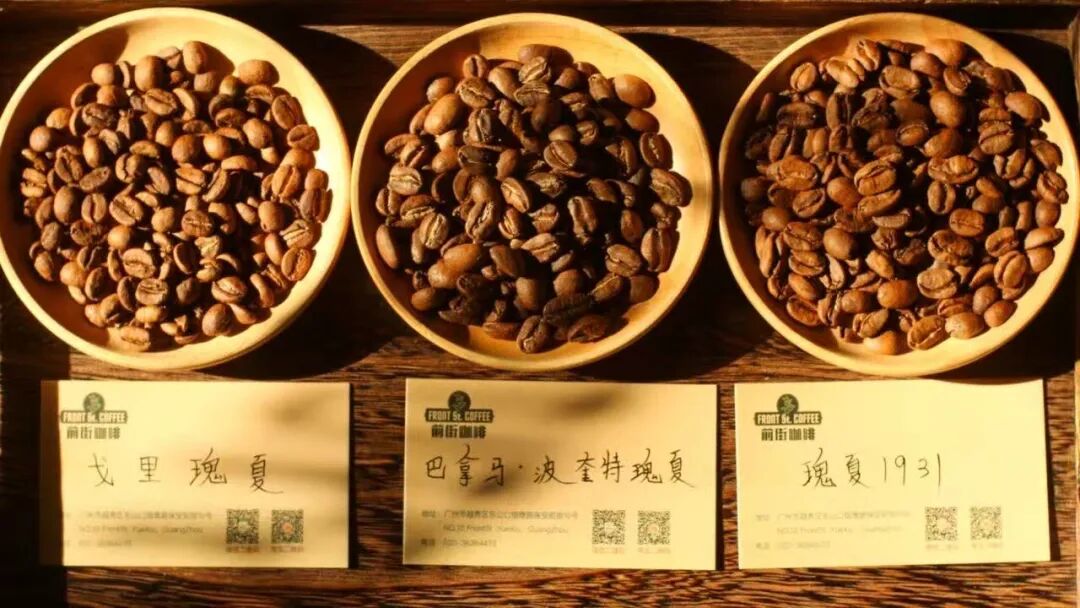
Currently, the most commonly available versions of the Gesha Village Gold and Red Labels on the market are primarily processed using the natural (sun-dried) method. This processing approach highlights fruity and sweet notes and makes the flavor differences between the two coffees even more pronounced. Tasting them at the same roast level and with identical brewing parameters allows for a fairer comparison of their individual characteristics. Below are our recommended basic brewing settings for the natural-processed Gesha Village Gold and Red Labels: use 15 grams of coffee, a brew ratio of 1:15, a grind size of around 10 on the Ek43 grinder (equivalent to 75%~80% extraction through a #20 sieve, roughly the coarseness of fine sugar), water temperature at 92°C, and a total extraction time of about 2 minutes and 10 seconds. These parameters will fully showcase the aroma and layered complexity of both coffees.

Let’s begin with the dry fragrance. The Red Label emits a bright and refreshing citrus fruit aroma, very pleasant and inviting. In contrast, the Gold Label adds subtle floral notes reminiscent of honeysuckle on top of that, accompanied by a sweet aroma of apricot, resulting in a more gentle and layered overall fragrance that exudes the quality of a high-end specialty coffee right from the first sniff.
When it comes to flavor performance, the Red Label, once brewed, presents a classic Ethiopian flavor profile, including tropical fruit aromas such as citrus, strawberry, mango, and pineapple. Its acidity is bright and lively, the mouthfeel is clean and smooth, and the aftertaste leaves a refreshing sensation akin to green citrus tea. It’s ideal for those who prefer a bright and vibrant style. In comparison, the Gold Label offers a deeper and more complex flavor, centered around red and black berries such as blueberry, honeydew, and sweet cherry, along with delicate white floral notes. The acidity is soft and elegant, and upon closer tasting, layers of citrus and mango fruitiness can be discerned. The aftertaste has a hint of the mellow richness and lingering sweetness of oolong tea, delivering an overall rounder and more nuanced experience.

In summary, if you prefer bright fruitiness, vibrant acidity, and want to experience a classic highland Ethiopian flavor, the Gesha Village Red Label is an excellent choice. On the other hand, if you’re drawn to more complex layers, softer acidity, and a coffee experience that combines both floral and fruity notes, then the rarer and more delicately flavored Gold Label presents a rewarding challenge. Whichever you choose, it’s recommended to opt for a medium-light roast, paired with moderate grind size and water temperature, to fully unlock the potential of each coffee.
The above content is compiled by CoffeeHunters, a coffee news website.

