








Introduction:Golden Mandheling from Sumatra, Indonesia, is celebrated by specialty coffee enthusiasts for its rich body, sweet aftertaste, and low acidity. But do you know how it differs from regular G1 Mandheling? This article takes an in-depth look at the birthplace of Golden Mandheling—Gayo Highlands, the rigorous selection process by PWN, the unique wet-hulling method, and how to extract its captivating spicy and nutty notes through pour over brewing. From regional terroir to roasting recommendations, this guide will help you fully appreciate the charm of this premium Indonesian bean.
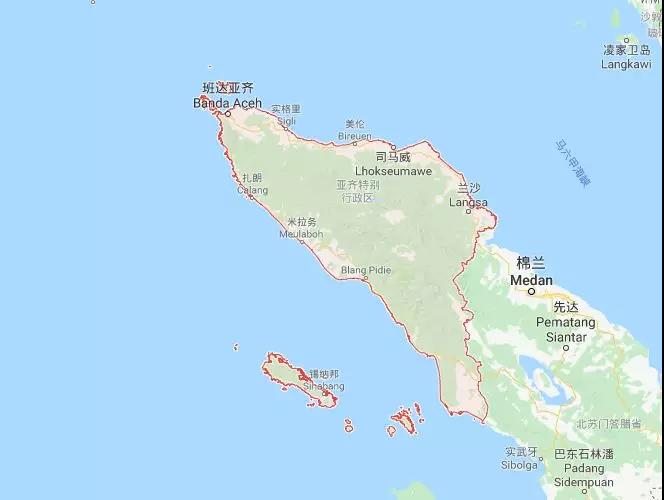
The Gayo Highlands Region of Sumatra, Indonesiais the birthplace of Golden Mandheling, located in the northern part of Aceh Province, surrounding the slopes of Takegon Town and Lake Tawar at elevations of about 1110 to 1600 meters. Coffee grown by smallholders under shade trees is processed usingwet hulling, which gives it a full body with a layer of sugarcane-like sweetness—this is often many coffee beginners’ first experience of “rich yet not bitter.”
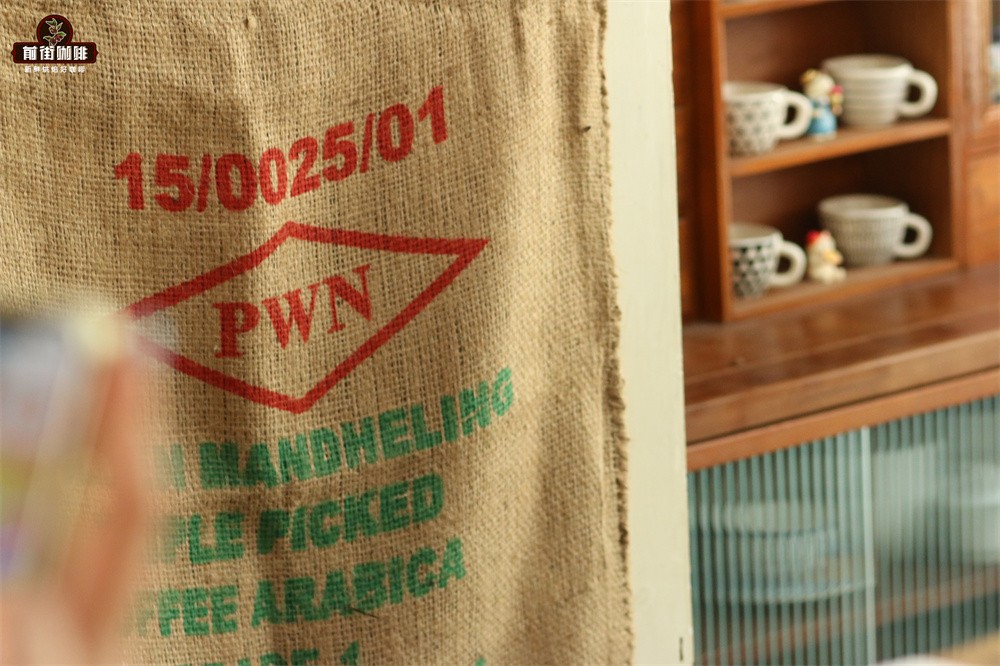
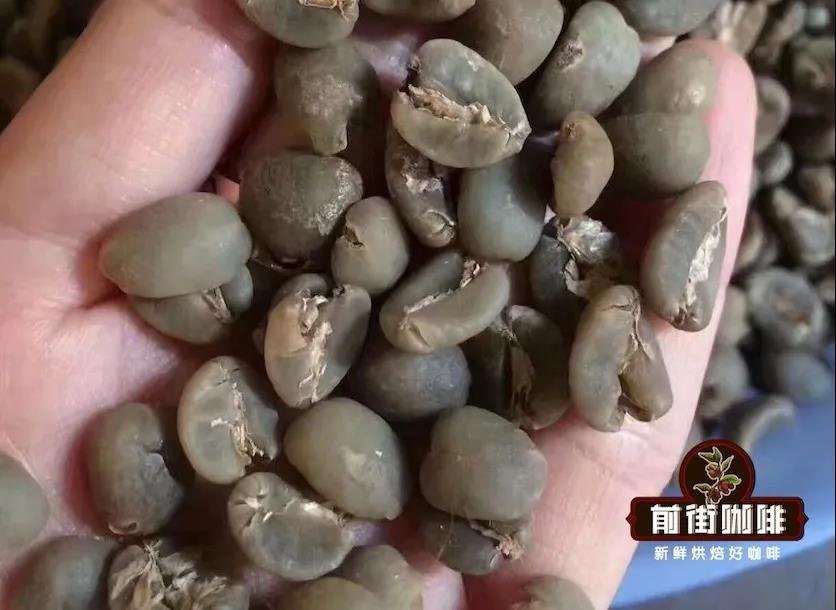
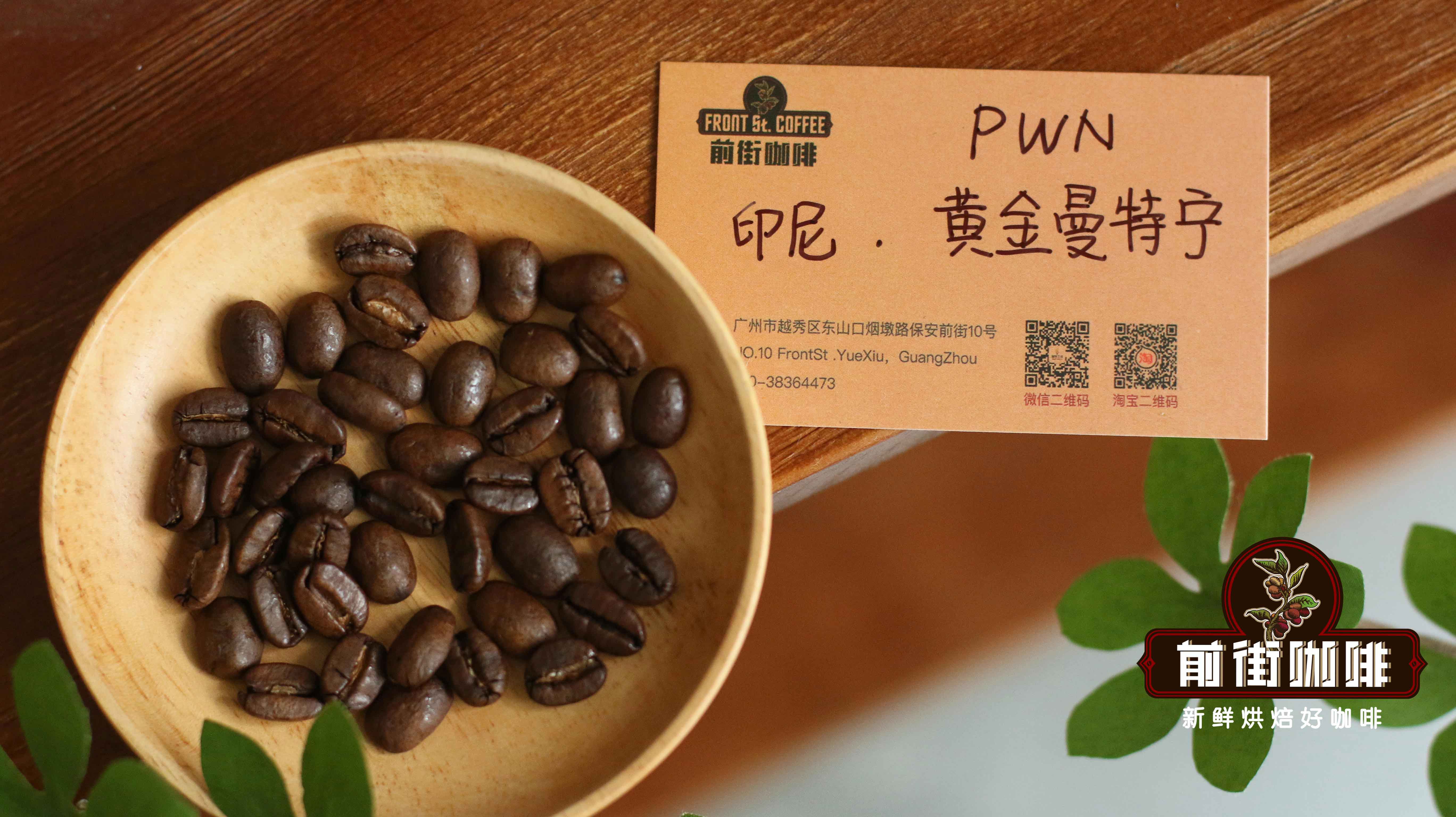
The Golden Mandheling trademark is owned by Pusat Niaga Wangi (PWN), a well-known Indonesian company that ensures plump and uniform beans with an extremely low defect rate throughthree rounds of manual sorting and one mechanical sort. It’s common on the market to mistakenly sell large Indonesian beans as Golden Mandheling, but only PWN-produced beans carry the official certification. Theirdark green flat beans larger than eighteen meshhave been cup-tested to eliminate off-flavors and highlight clean, bright sweetness.
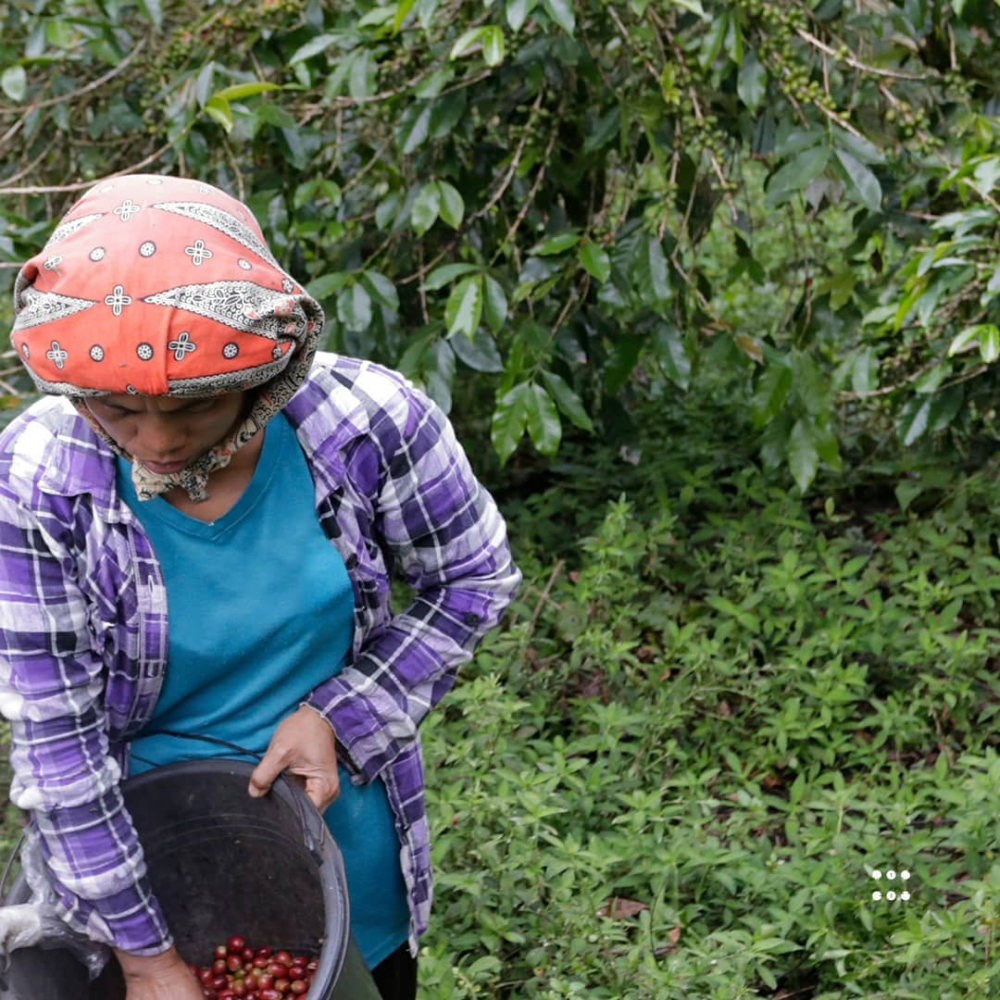
Golden Mandheling grown in the Gayo Highlandsmainly uses the Ateng variety(locally referred to as the Catimor hybrid), which adapts well to high altitudes. Though not top-tier Arabica, its quality shines through thanks to the stringent selection process.Wet hullingspeeds up processing but can easily lead to defects. PWN keeps the defect rate below three beans per 300 grams through multiple screenings, meeting the standards of thehighest G1 grade.
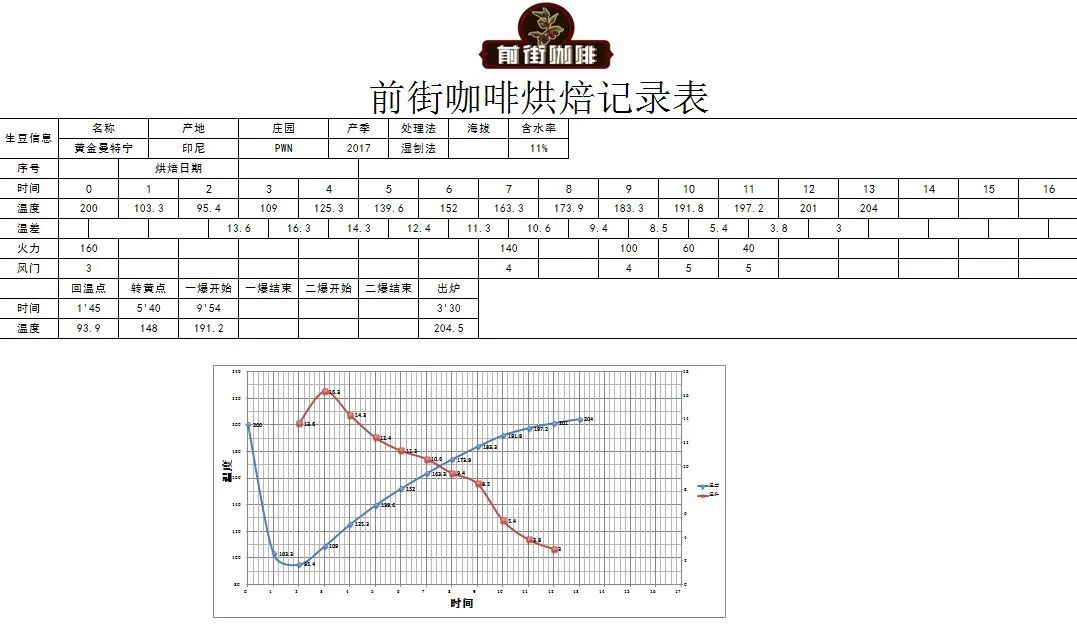
It is recommended to start roasting at 200°C, with the damper set to 3 and adjusted to 160°C to maintain drying. Once the beans turn yellow (around 148°C), reduce heat to 140°C, paying attention to the formation of wrinkles and the transition to a toasty bread aroma just before first crack (around 204.5°C). Precise control of heat and airflow enhances its nutty and brown sugar foundation while avoiding excessive burnt bitterness.
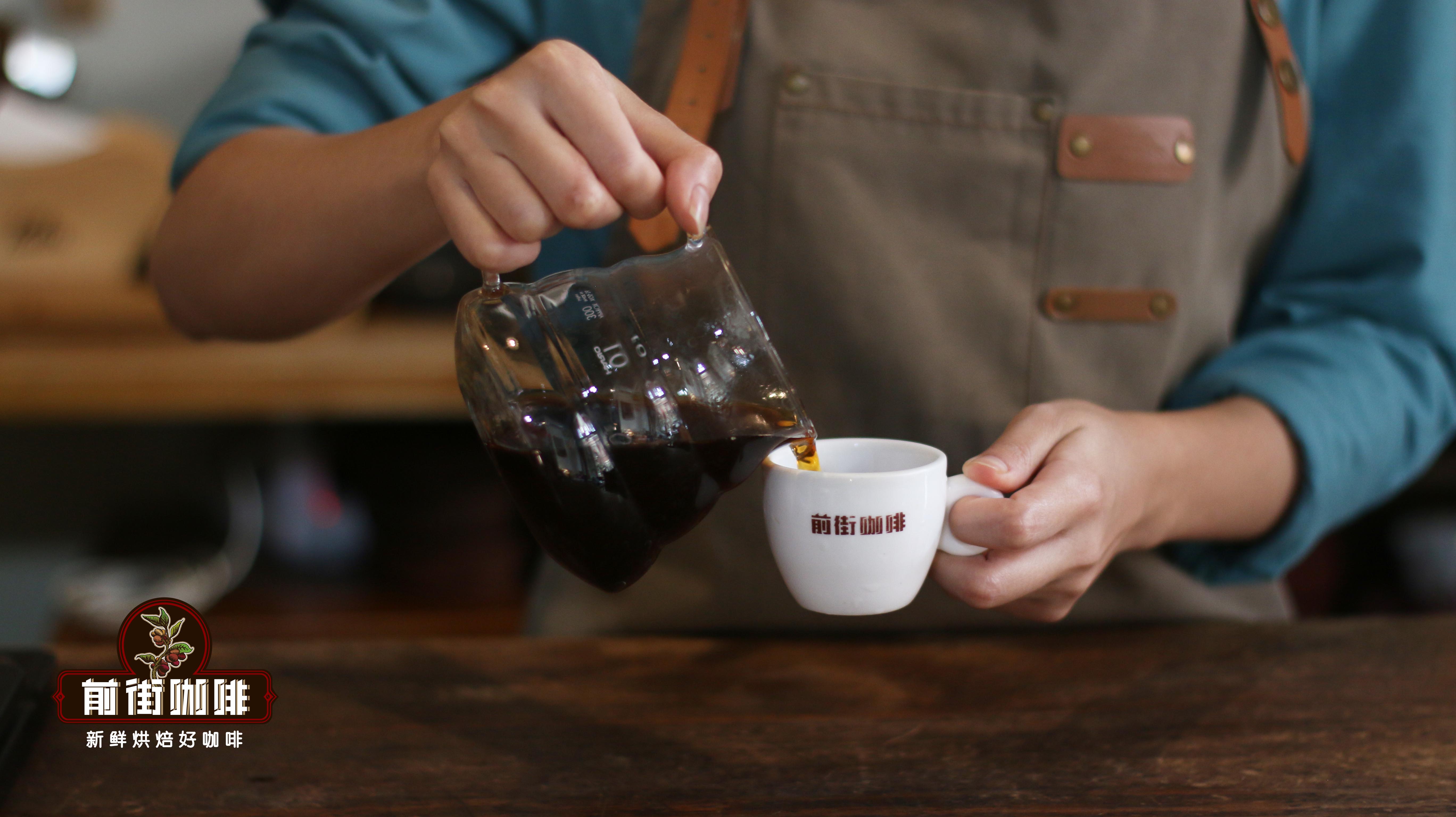
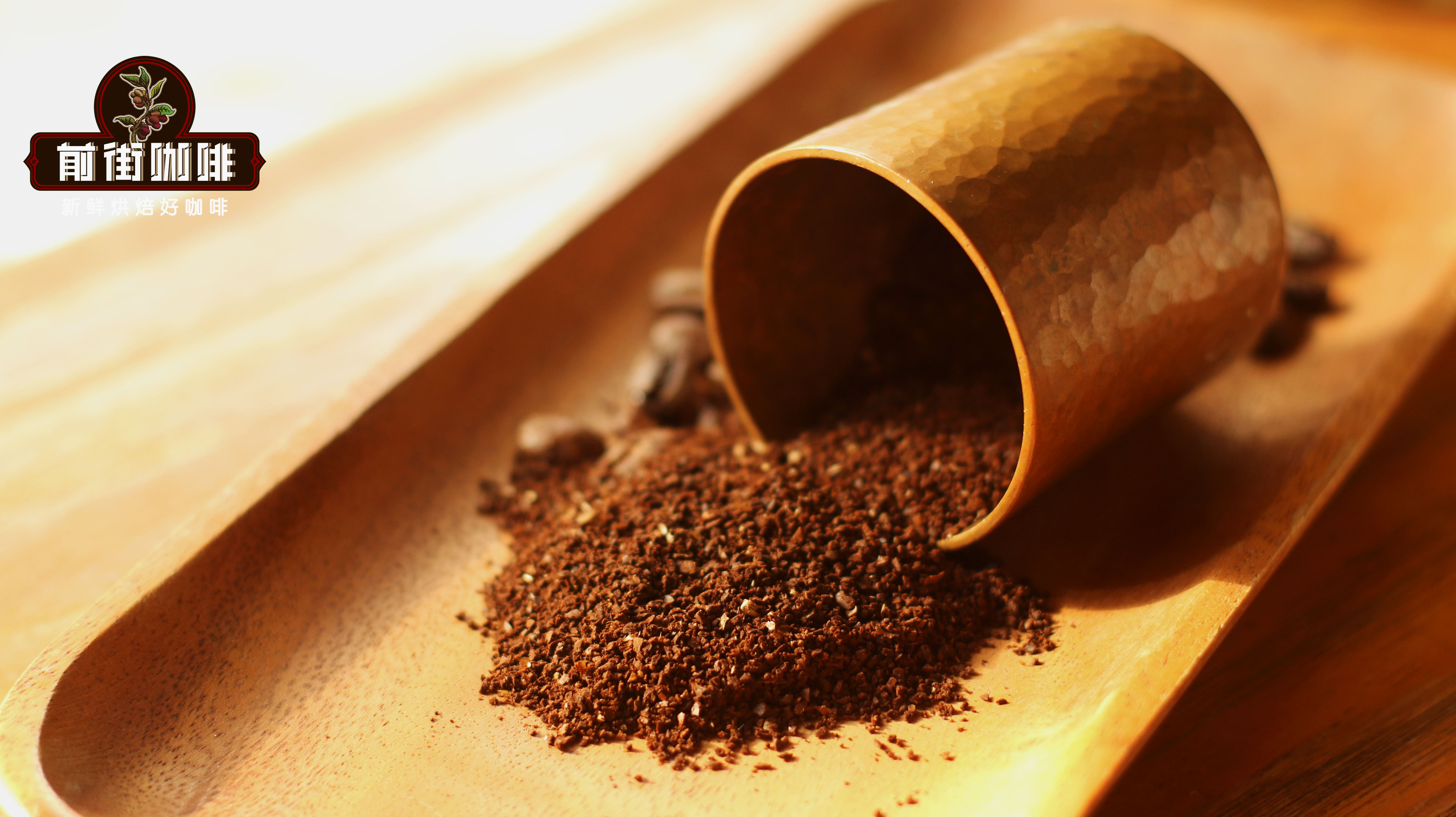
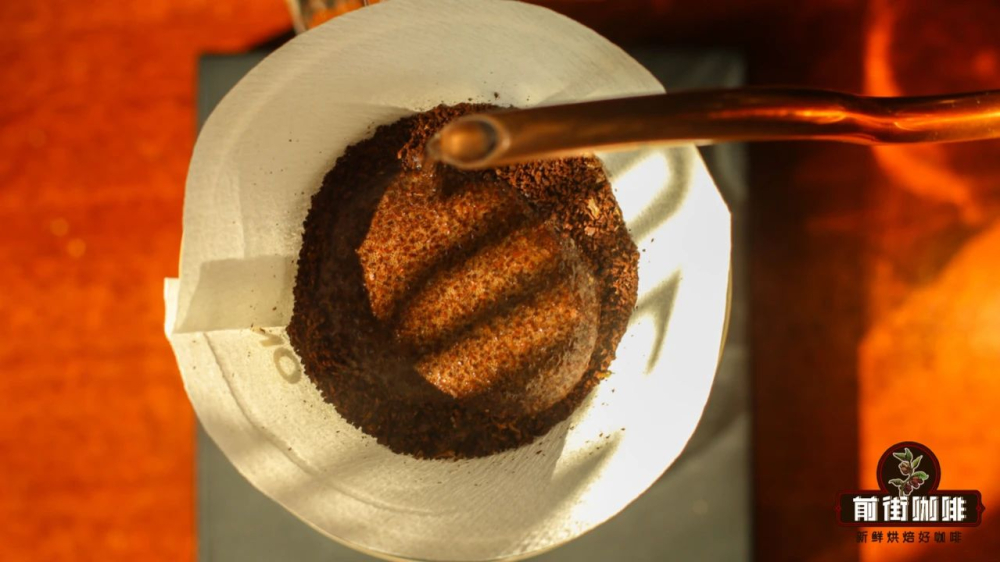
For pour over brewing, it is recommended to use aKono filter, with a water temperature of 88°C and a 1:15 coffee-to-water ratio (15g coffee). Use a medium-fine grind (70–75% passing through a #20 sieve).Three-stage extraction:Start with 30g of water for a 30-second bloom, then pour up to 125g followed by additional water to reach 225g total. Total brew time should be between 2 minutes 05 seconds and 2 minutes 15 seconds. This method extends contact time between water and coffee grounds, extracting rich spices, chocolate, and a deep, nutty finish.
Compared to regular G1 Mandheling,the PWN certification and strict selection processare the core values of Golden Mandheling—not only does it have an attractive bean appearance, but its low defect rate also results in a clean flavor profile. The altitude of Gayo Highlands combined with the unique wet-hulling technique creates its signature “rich and sweet” flavor, making it a must-try classic among Indonesian coffees.
By understanding these key elements—from regional terroir to brewing details—you’ll be able to appreciate how Golden Mandheling stands out among single-origin beans with its low-acidity richness. Whether you’re just beginning your journey into Indonesian coffee or seeking a stable, flavorful option, this classic is well worth adding to your collection.
The above content is compiled by CoffeeHunters, a coffee news website.

