








Introduction:To brew an espresso at home with captivating crema and rich aroma, choosing the right coffee beans is crucial. Many people mistakenly believe that the fresher the beans, the better, but in reality, they need proper resting time after roasting to fully develop their optimal flavors. This article delves into why espresso often uses blends, helping you understand the relationship between bean varieties, roast levels, and crema, while also recommending several practical recipes—whether you're a beginner or an advanced enthusiast, you'll find a suitable option.
Nowadays, more and more coffee lovers enjoy the challenge of making espresso at home, pursuing that layer of golden, velvety crema and intense, captivating aroma. To achieve this, selecting fresh and suitable espresso-specific beans is the first step to success. Freshly roasted coffee beans can bring out a richer complexity and fuller crema, but it's important to note that "freshness" also has an optimal tasting window.
Freshly roasted coffee beans actually contain a large amount of carbon dioxide. Without undergoing about 7 to 12 days of resting, although a seemingly thick layer of crema may form, these oils are often coarse and unstable, prone to dissipating quickly, while the coffee’s inherent flavors may also seem dull. Therefore, it is recommended to wait until the beans have rested appropriately before using them, in order to truly enjoy a delicate and smooth espresso experience.
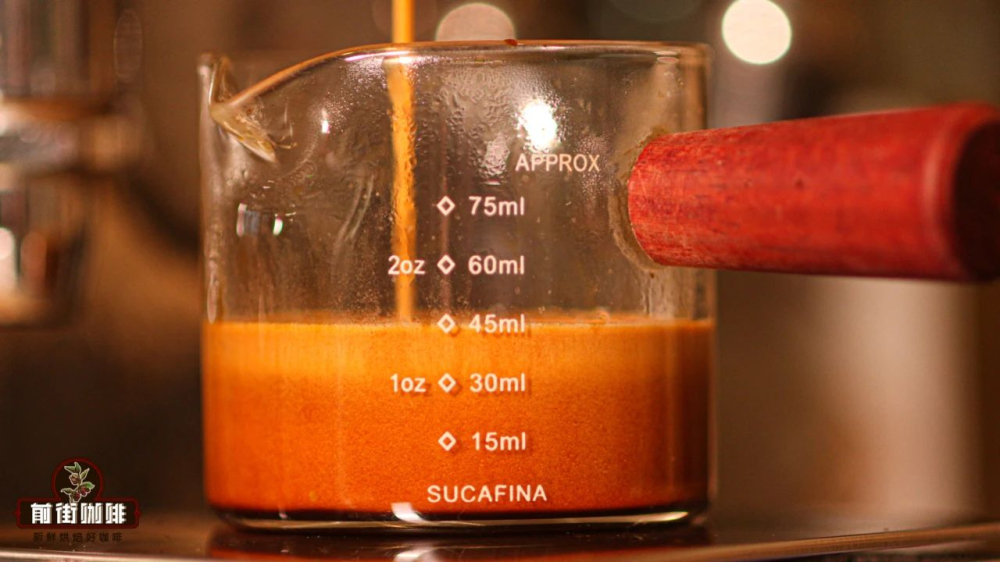
The richness of espresso crema largely depends on the coffee varieties used and the roast level. The main commercial coffee species on the market include Arabica, Robusta, and Liberica. Among them, Liberica is rarely used in espresso blends due to its scarce production and unremarkable flavor profile.
Generally speaking, Arabica varieties grown at high altitudes possess delicate and elegant aromas, which may exhibit charming floral, fruity, or chocolatey notes depending on the region and variety. In contrast, most Robusta varieties are grown at lower altitudes, characterized by high yield and strong disease resistance. They are usually dark roasted, yielding a rich, bold flavor and more abundant crema, often used to enhance the intensity and body of espresso.

From a regional perspective, Arabica beans from the Americas and Asia typically exhibit better crema performance than those from Africa, which is why they are more commonly used in espresso blends. Additionally, roast level greatly affects crema development. Generally, medium-dark to dark roasts promote more crema formation, which is why most espresso beans are roasted within this range.
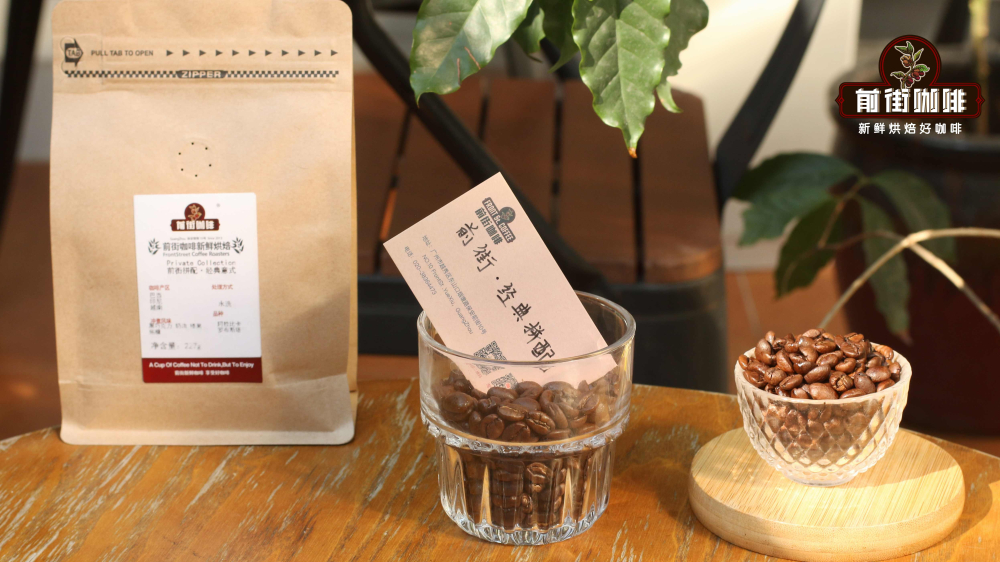
Blending Arabica and Robusta in appropriate proportions can create a well-balanced blend with outstanding crema performance. For example, a classic recipe might use Mandheling and Brazilian beans as the base, delivering a rich body and aroma, then complemented by a small amount of Vietnamese Robusta to enhance the crema layer. This way, whether making straight espresso or adding milk for a latte, you can enjoy a rich chocolate aroma and silky texture, making it suitable for beginners and a stable everyday choice for home brewing.

Another common combination is a mix of American and Asian beans, such as blending Yunnan small-seed varieties with Brazilian Red Bourbon, providing stable extraction performance and moderate crema levels. These blends are often medium-dark roasted to retain slight acidity, showcasing a refreshing caramel and nutty flavor when brewed as Americano, and highlighting the natural sweetness of milk in lattes. They are highly cost-effective and practical, especially suitable for budget-conscious home users who value quality.

If you prefer the expression of a single-origin flavor, you can opt for Single-Origin Espresso (SOE). For instance, carefully selected Indonesian Golden Mandheling offers unique notes of spice, herbs, and dark chocolate, with a full-bodied taste and long aftertaste. It’s ideal for purely showcasing the concentrated flavors of espresso and can also be used with various brewing methods like moka pot or pour over. These beans highlight the terroir characteristics of specific regions, making them popular among advanced coffee enthusiasts.
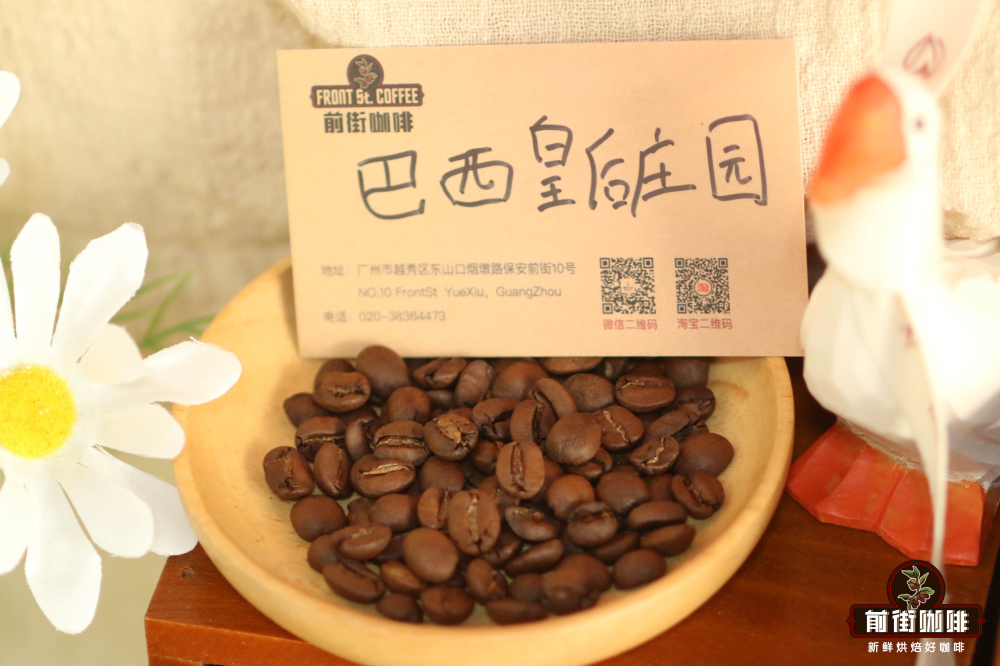
Additionally, SOEs such as those from Brazil’s Queen Estate feature distinct cream and nut aromas, blended with hints of caramel and maple sweetness. When brewed as espresso, they deliver a smooth and mellow mouthfeel, and when paired with milk, they resemble a sweet hot cocoa—perfect for those who enjoy a soft and full-bodied style. They also serve as an ideal component for balancing overall flavor in blends.
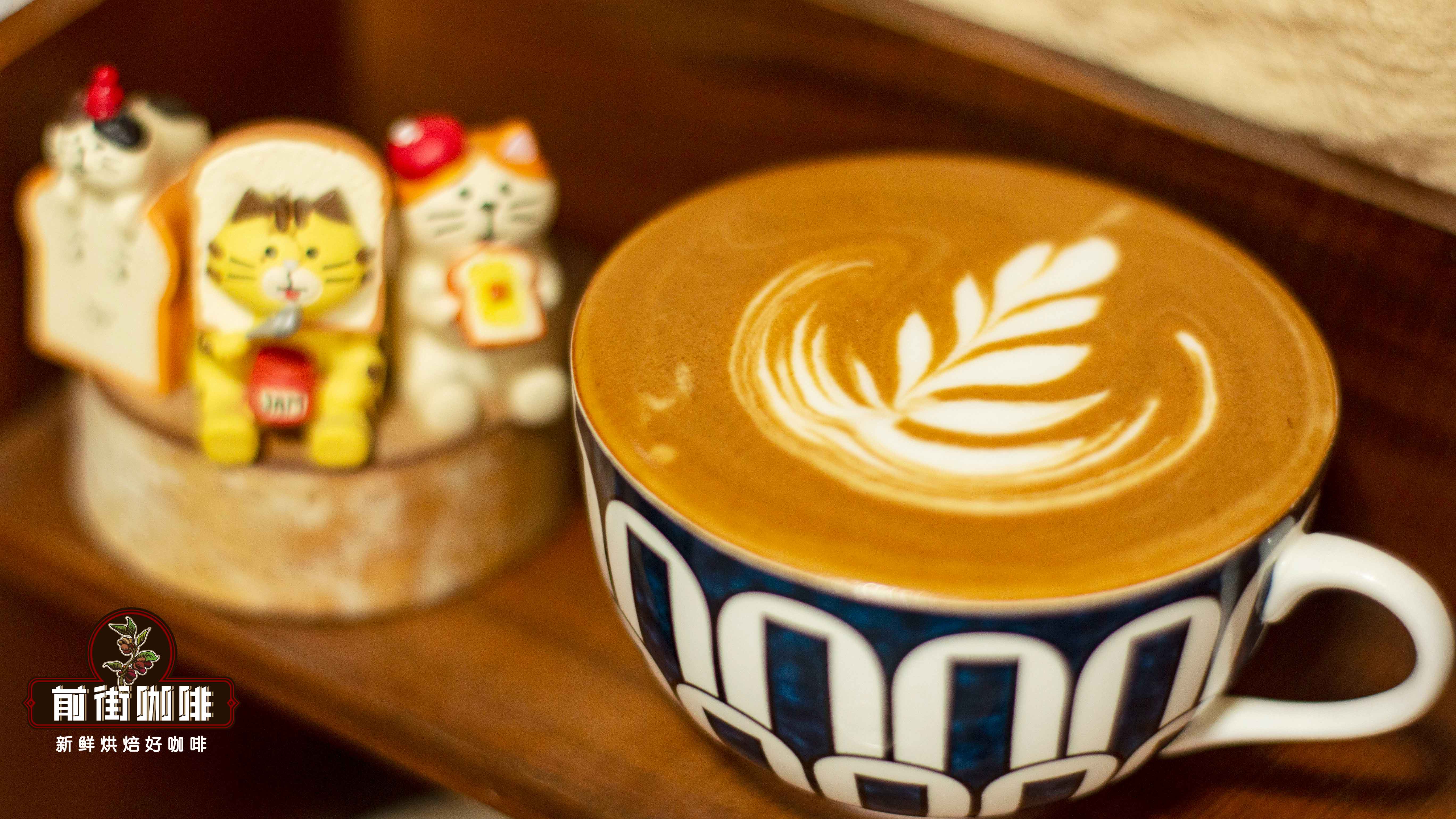
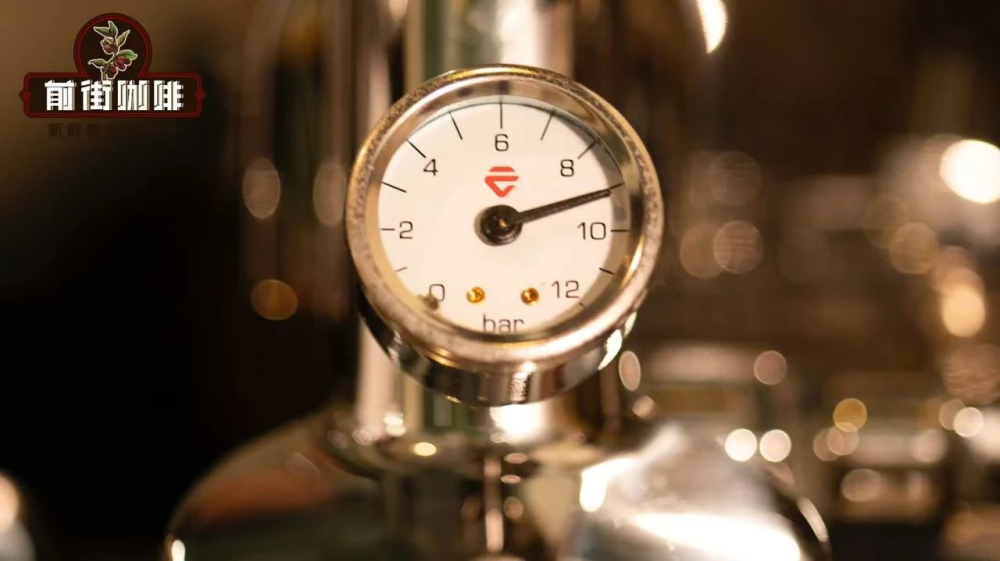
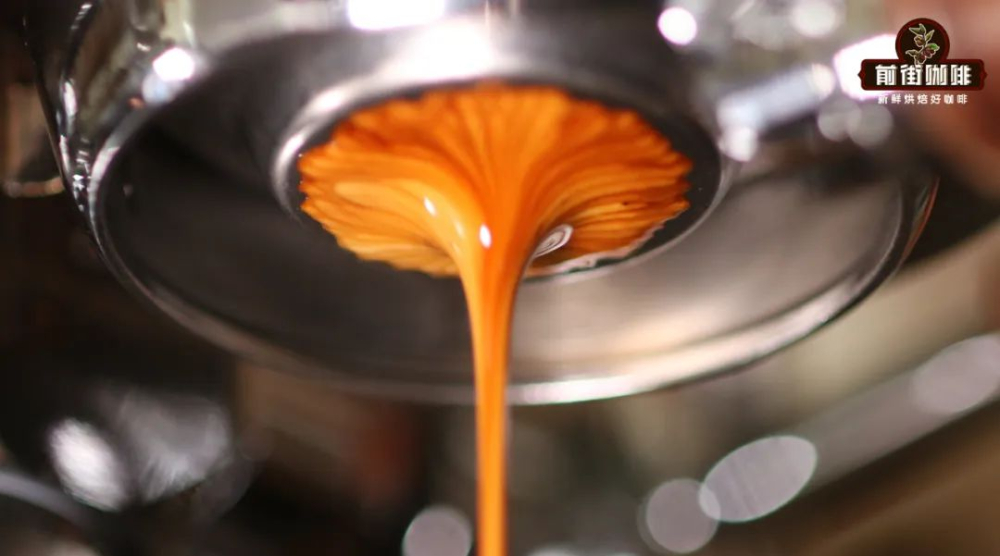
No matter which coffee beans you choose, technical details during espresso extraction are equally crucial. To achieve a golden, stable crema, it’s recommended to maintain an extraction pressure of around 9Bar. Common home vibration pump machines often face stability issues, which may lead to subpar crema. Additionally, the coffee-to-water ratio is extremely important—over-extraction doesn’t necessarily yield more crema and may even dilute quality. Observing the extraction process, the initial liquid is darker in color, gradually turning golden, and the final phase becomes lighter with thinner crema. Therefore, it’s suggested to control the coffee-to-water ratio between 1:1.8 and 1:2, such as using 20 grams of coffee grounds to extract about 40 grams of coffee in 30 seconds, achieving an ideal balance of crema and flavor.
The above content is compiled by CoffeeHunters, a coffee news website.

