







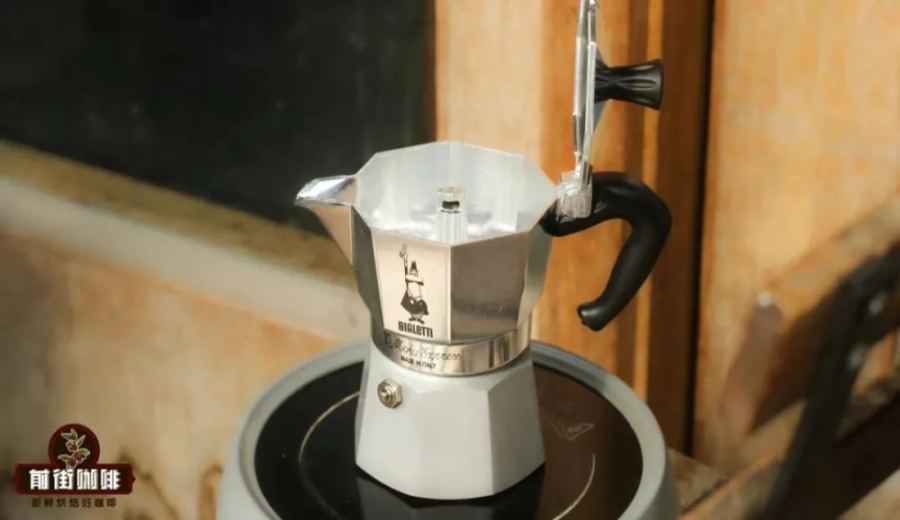
Introduction:Many coffee beginners often find that their Moka pot brews fall short of expectations or differ significantly from authentic espresso. This article delves into the extraction principles of the Moka pot, explains why it is regarded as a "stovetop espresso maker," and provides three key factors for beginners to consider when selecting coffee beans: freshness, roast level, and grind size. It also recommends several medium-to-dark roasted blends and single-origin beans suitable for the Moka pot, helping you brew richly flavored and crema-laden coffee more easily.
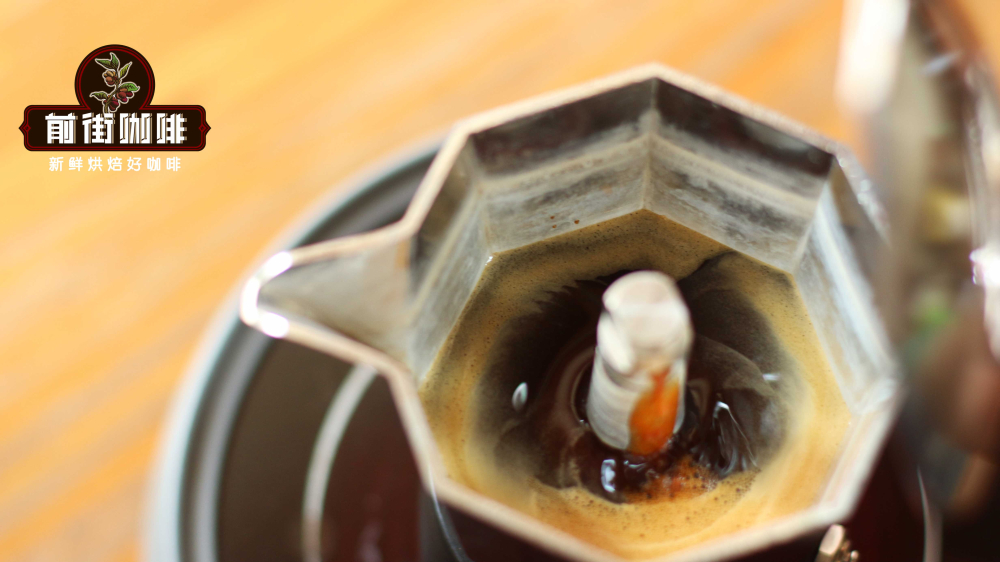
The Moka pot is often nicknamed a "stovetop espresso machine" because it uses steam pressure generated by heating to extract a relatively strong coffee with a certain amount of crema. If you use freshly roasted coffee beans and operate it correctly, you can even experience aroma and flavor layers similar to those produced by a commercial espresso machine.
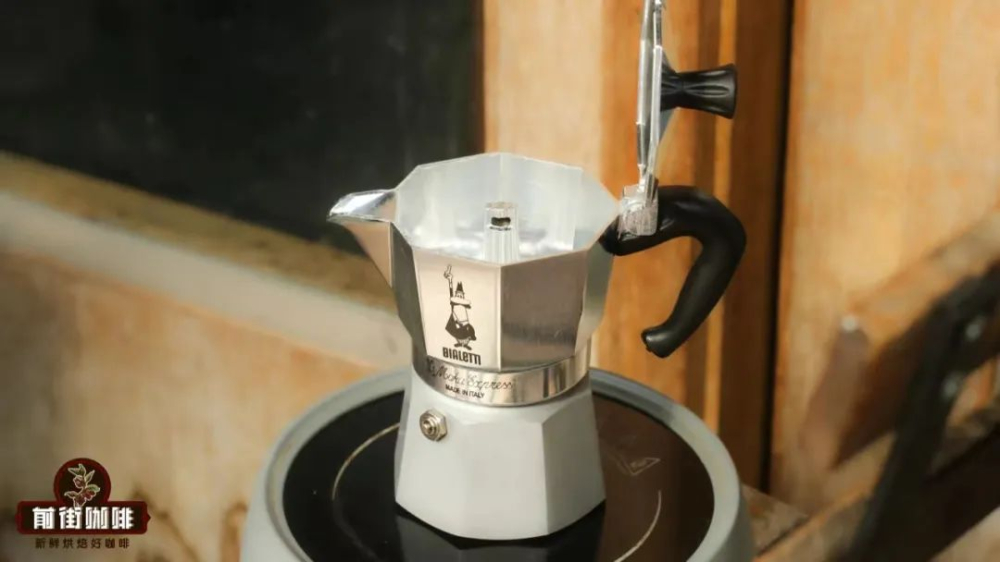
The structure of the Moka pot consists of three main parts: the lower chamber holds water, the middle filter basket contains the coffee grounds, and the upper chamber collects the brewed coffee. When the water in the lower chamber is heated to boiling point, the steam pressure pushes the hot water through the filter filled with coffee grounds, which then drips into the upper chamber. This high-temperature and pressure-based extraction method is very similar in principle to that of a commercial espresso machine, making the Moka pot an excellent choice for making espresso-style coffee at home.

However, although the Moka pot shares a similar extraction logic with espresso machines, if the selection and handling of coffee beans are not carefully considered, the final brew often fails to deliver the richness and balance typical of espresso. In fact, by mastering three key points—using freshly roasted beans, choosing a medium-to-dark roast, and grinding to a fineness close to that of espresso—you can significantly improve the results of Moka pot brewing.
First, "freshness" is crucial to the flavor performance of coffee. Generally, the optimal tasting period for coffee beans is within 60 days after roasting, and the ideal state is to use them within 10 days of roasting to fully experience their aroma, acidity, and layered complexity. If over two months have passed, even with proper storage, the brightness and vibrancy of the flavors will noticeably decline.

Regarding roast level, the Moka pot is suited for coffee beans roasted to a medium-to-dark level or darker. These beans typically have a richer mouthfeel, abundant crema, and lower acidity, which pair better with the Moka pot’s high-pressure extraction to bring out a full-bodied coffee texture. Additionally, blends, which combine beans from different regions, often achieve a good balance between flavor and cost-effectiveness, making them more suitable for daily use.
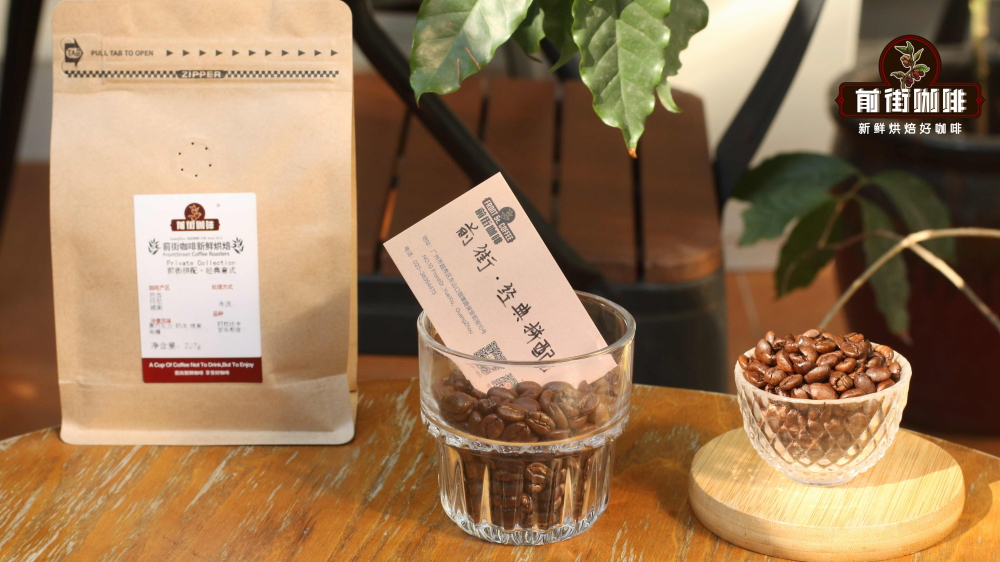
If you want the coffee brewed with your Moka pot to have a rich crema and also perform well in milk-based drinks like lattes or Americanos, it is recommended to choose blends that combine Brazilian, Indonesian, and Vietnamese beans. Such combinations often deliver a bold, thick mouthfeel and the aroma of dark dried fruits, with particularly prominent crema performance.
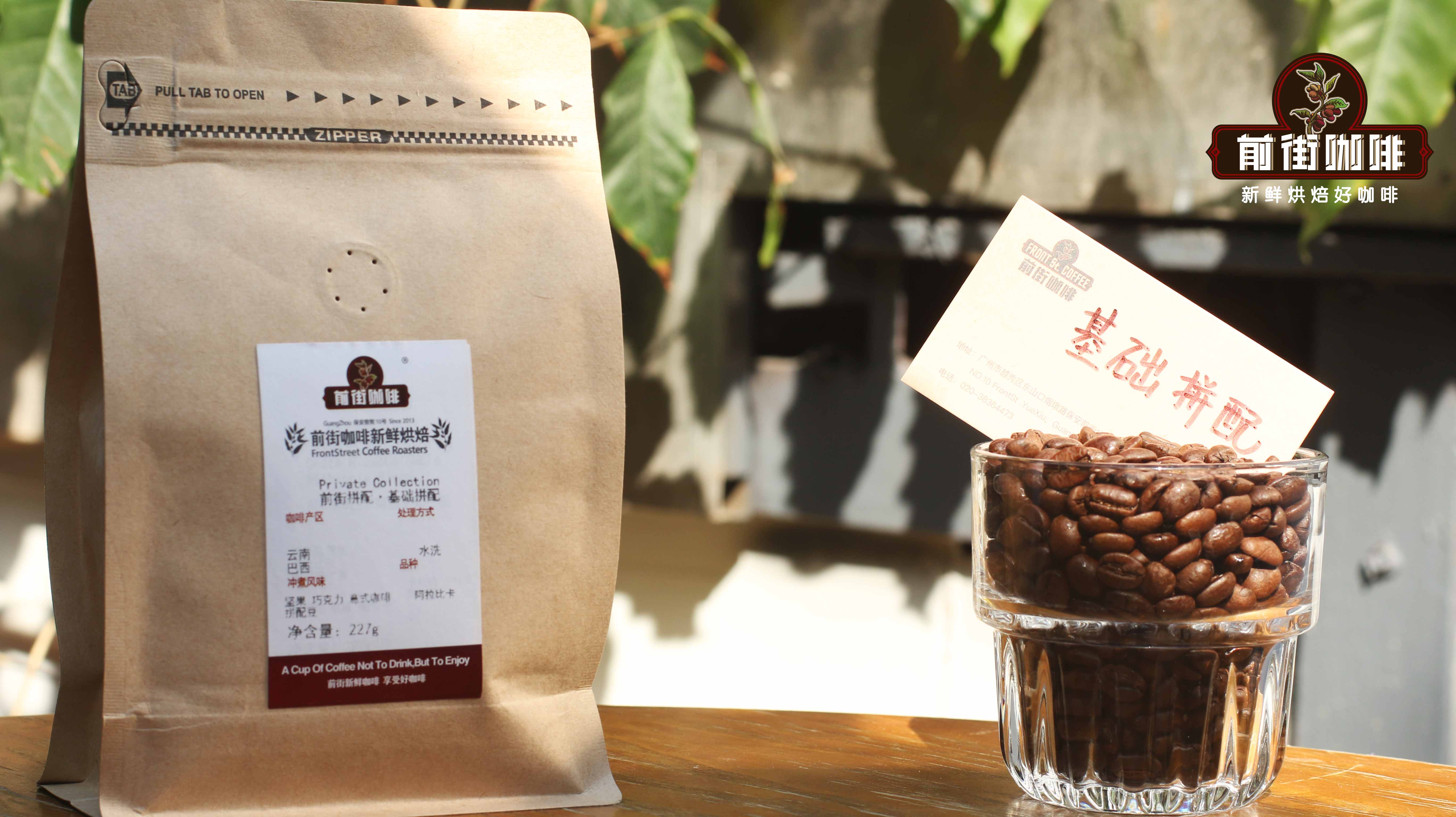
For users who value cost-effectiveness and balanced flavors, medium-to-dark roasted blends—such as those primarily made with Yunnan small beans and Brazilian semi-washed beans—offer gentle fruit acidity, nutty, and caramel notes. They are suitable for daily consumption or beginner practice and are also relatively affordable.
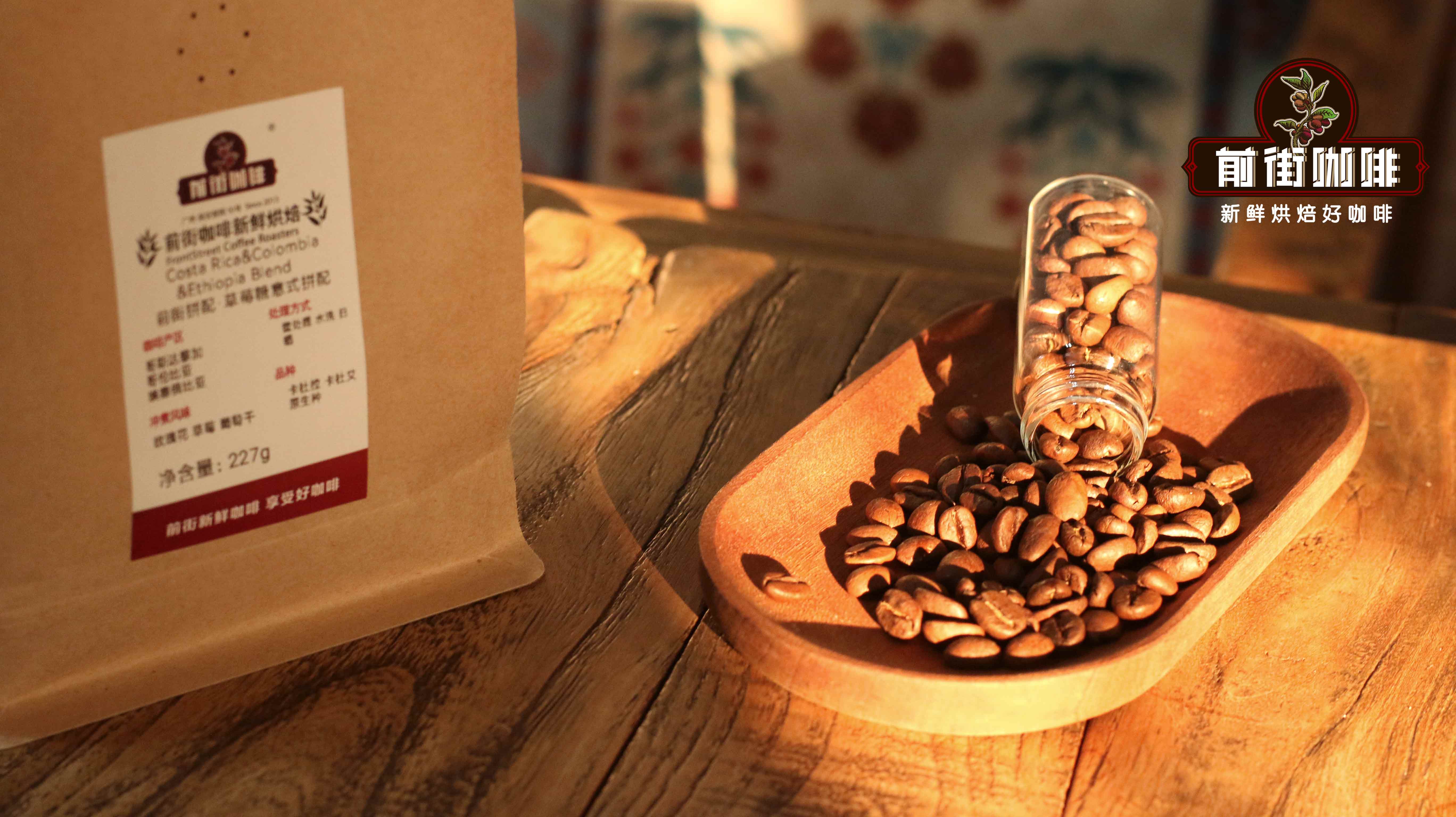
For coffee enthusiasts who prefer floral and fruity profiles and dislike overly bitter tastes, medium-roasted blends can also be considered. These beans often feature aromas of rose, strawberry soft candy, and blueberry, with a balanced sweet-and-sour profile and a subtle almond aftertaste, making them ideal for those who want to enjoy refreshing flavors at home.
The above content is compiled by CoffeeHunters, a coffee news website.

