







Introduction:Many people love drinking coffee but worry about its impact on sleep, making low-caffeine or decaffeinated coffee a compromise choice. But do you know the difference between low-caffeine and decaffeinated? How do decaffeination processes preserve coffee flavor? This article delves into the origins of low-caffeine coffee, international standards, mainstream decaffeination methods, analyzes common flavor misconceptions, and also provides practical pour over reference parameters to help you find the right low-caffeine option for you.
The Birth of Low-Caffeine Coffee: From Laboratory to Commercialization
Caffeine, as a natural stimulant, has made coffee one of the most popular beverages in the world, but for those sensitive to caffeine, it can cause palpitations or affect sleep. The first person to discover that caffeine could be extracted from coffee was Runge, though it was not further applied at the time. It wasn’t until 1903 that German Ludwig Roselius and his team developed the first commercial decaffeination method, which was patented in 1906. However, this method used the toxic solvent benzene, which has since been phased out.
The Difference Between Low-Caffeine and Decaffeinated Coffee
So-called "low-caffeine coffee" refers to coffee beverages with extremely low caffeine content. Generally speaking, a regular 236-milliliter cup of coffee contains about 50 to 200 milligrams of caffeine, while low-caffeine coffee must contain less than 5 milligrams. But it’s important to note that "low-caffeine" does not mean completely caffeine-free. Standards for "decaffeinated coffee" vary slightly by country: the U.S. FDA requires that decaffeinated coffee have at least a 97% caffeine removal rate, while the EU is stricter, requiring 99.9% or more.
Naturally Low-Caffeine Coffee and Common Processing Methods
In nature, there are very few coffee varieties that are inherently low in caffeine. Currently, only one variety, Coffea Laurina (also known as Laurina or “pointed Bourbon”), is known to have about half the caffeine content of regular Arabica (around 0.6%), due to its genetic traits that result in lower caffeine production, and it has received praise for its flavor. However, this variety has a very limited yield and struggles to meet market demand. Therefore, most commercially available low-caffeine coffee is produced by chemically or physically decaffeinating regular Arabica or Robusta beans.
Mainstream Decaffeination Method: Swiss Water Process
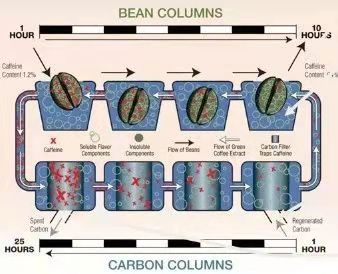
The most widely used decaffeination technology in the industry today is the "Swiss Water Process (Swiss Water-Only Process)." This method does not use any chemical solvents at all, but instead uses "flavor-charged water"—hot water that is saturated with all the flavor compounds from the coffee beans but entirely free of caffeine. Here’s a brief outline of the process: first, the green beans are soaked in this special hot water, which extracts the caffeine while retaining other flavors; then, activated carbon is used to filter out the caffeine from the water, leaving behind water rich in the coffee’s original flavors; finally, this caffeine-free but flavor-rich hot water is used again to soak new beans, allowing them to reabsorb the original flavor compounds while removing the caffeine.
Real-World Flavor Testing of Low-Caffeine Coffee and Common Misconceptions
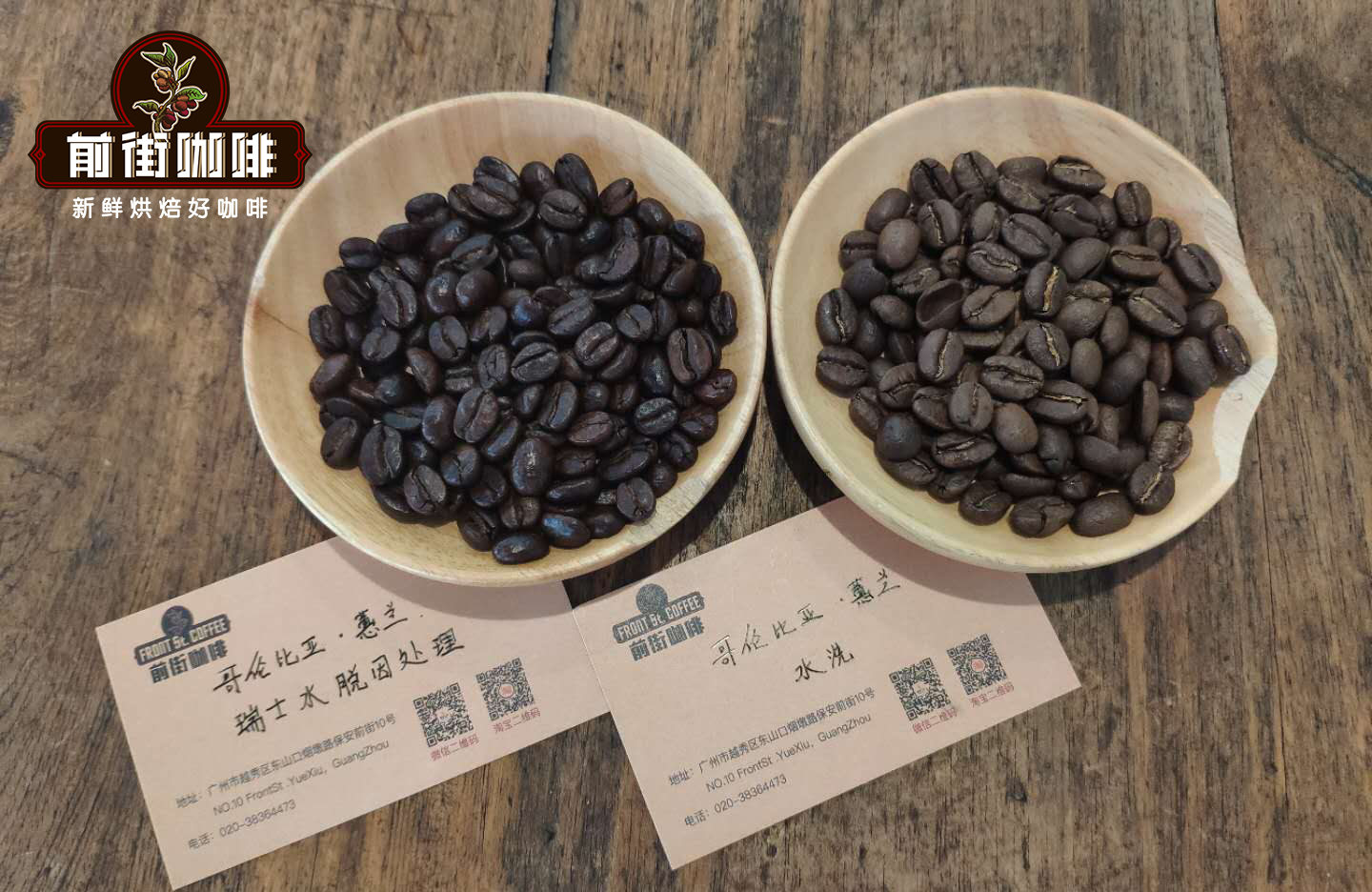
Many consumers report that low-caffeine coffee "doesn’t taste good," which is usually related to the quality of the raw materials. Some manufacturers, in order to cut costs, use commercial-grade Robusta beans that are inherently less flavorful and higher in caffeine as the base for decaffeination, which naturally affects the final taste. In fact, if high-quality Arabica beans are used for decaffeination, even with reduced caffeine content, they can still retain rich aromas and layers of flavor. For example, properly roasted and brewed Colombian low-caffeine beans often showcase complex flavors of berries, citrus, cocoa, and nuts.
Practical Pour Over Parameter Recommendations
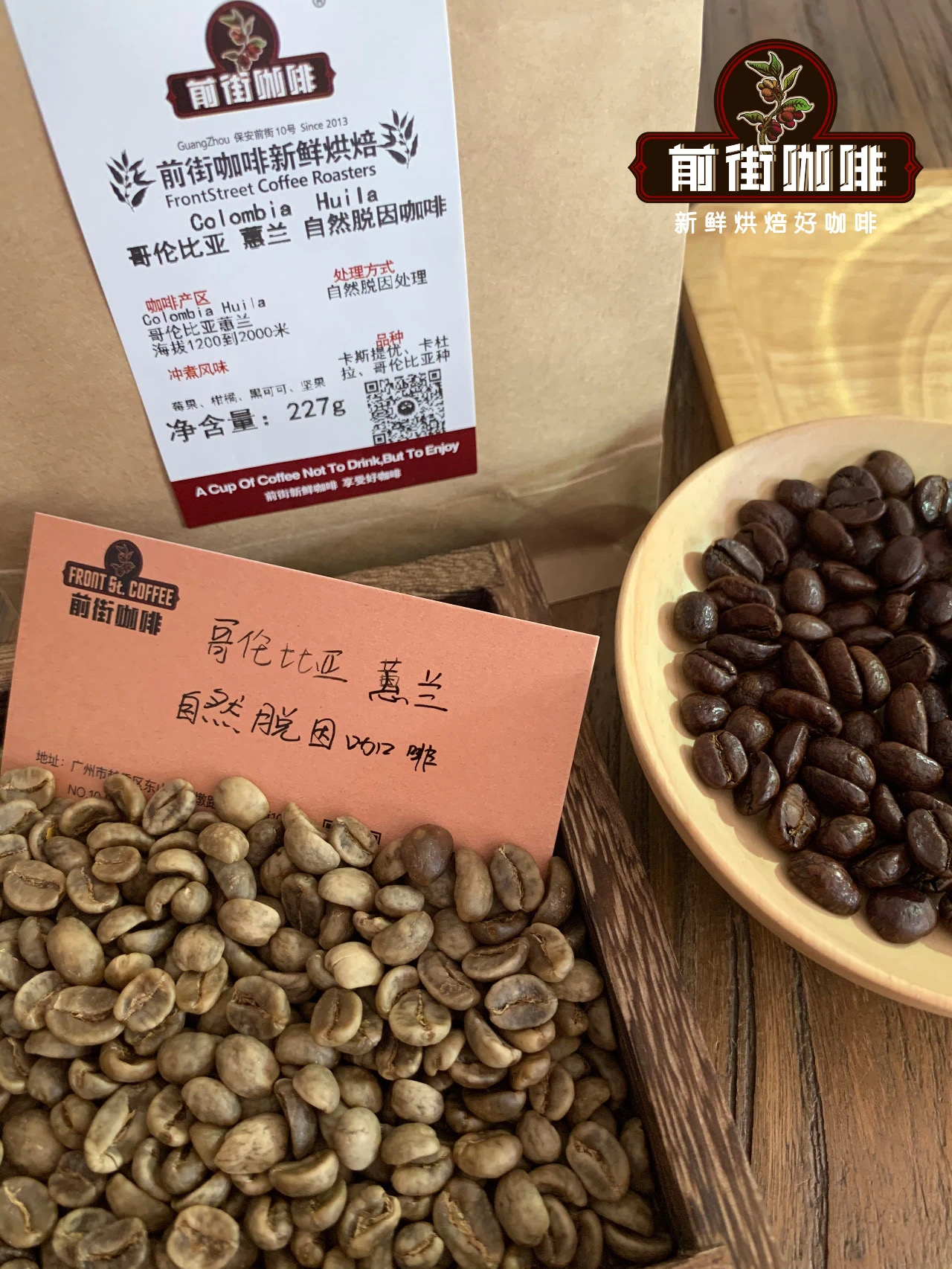
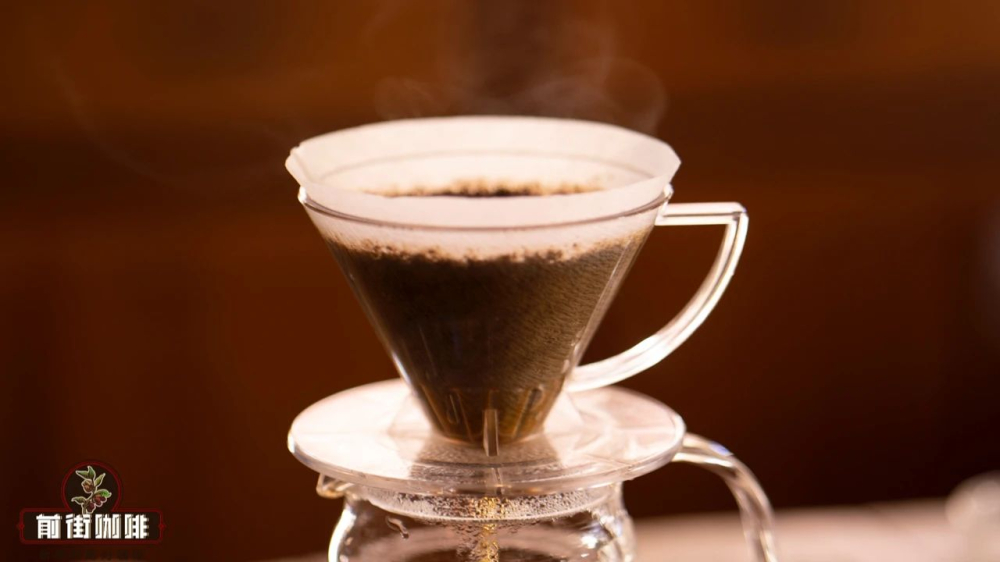
If you’d like to personally experience the potential of low-caffeine coffee, you can refer to the following tested pour over parameters: use 15 grams of coffee grounds, a 1:15 coffee-to-water ratio, with water temperature controlled at 88°C, and a grind size recommended to be similar to coarse sugar (approximately 75% passing through a #20 sieve). Use a Kono filter, and follow a three-stage extraction: first, pour 30 milliliters of water and let it bloom for 30 seconds; second, pour 150 milliliters of hot water in a circular motion to bring out the foam layer; third, add 45 milliliters to complete the extraction, with a total brew time of about 2 minutes and 10 seconds. These parameters help balance the acidity, sweetness, and body of the low-caffeine beans, highlighting clearer fruit and nut tones.
In summary, low-caffeine coffee is not just a "flavor-compromised" substitute. With high-quality beans and the right processing techniques, it can also deliver captivating coffee flavors. Whether for health considerations or as a compromise for nighttime energy needs, understanding the principles of decaffeination and the differences in quality can help you make smarter choices.
The above content is compiled by CoffeeHunters, a coffee news website.

