







Introduction:Decaf coffee is suitable for those who are sensitive to caffeine or want to reduce their intake, but many people are concerned about its flavor and health effects. This article delves into the definition of decaf coffee, common extraction techniques, reasons behind its flavor changes, and whether it can also be considered specialty coffee. Learn about the pros and cons of different decaffeination methods to help you make a more suitable choice.
The Origin and Development of Decaf Coffee
The history of decaf coffee dates back to the early 19th century. It is said that the German literary giant Goethe, troubled by insomnia, sought help from his friend Runge, which led to the discovery that caffeine was the culprit behind sleeplessness. Although technology at the time was limited and could not mass-produce decaffeinated products, this discovery laid the foundation for future development. It wasn’t until 1903 that the German businessman Ludwig Roselius, through seawater soaking and chemical treatment, significantly reduced the caffeine content, thus paving the way for the commercialization of decaf coffee.
What Is Decaf Coffee? Not Completely Caffeine-Free
Decaf coffee (short for decaffeinated coffee) refers to coffee that has undergone special processing to remove the vast majority of its caffeine. Although called “decaf,” it actually only removes about 97% of the caffeine. The remaining amount varies depending on the bean variety, with approximately 2 to 5 milligrams per cup—far lower than the 80 to 100 milligrams found in regular coffee. Although not entirely caffeine-free, it is sufficient for most people to reduce the impact while still retaining the basic flavors and aromas of coffee.
Why Do We Need Decaf Coffee? More Than Just a 21st-Century Demand
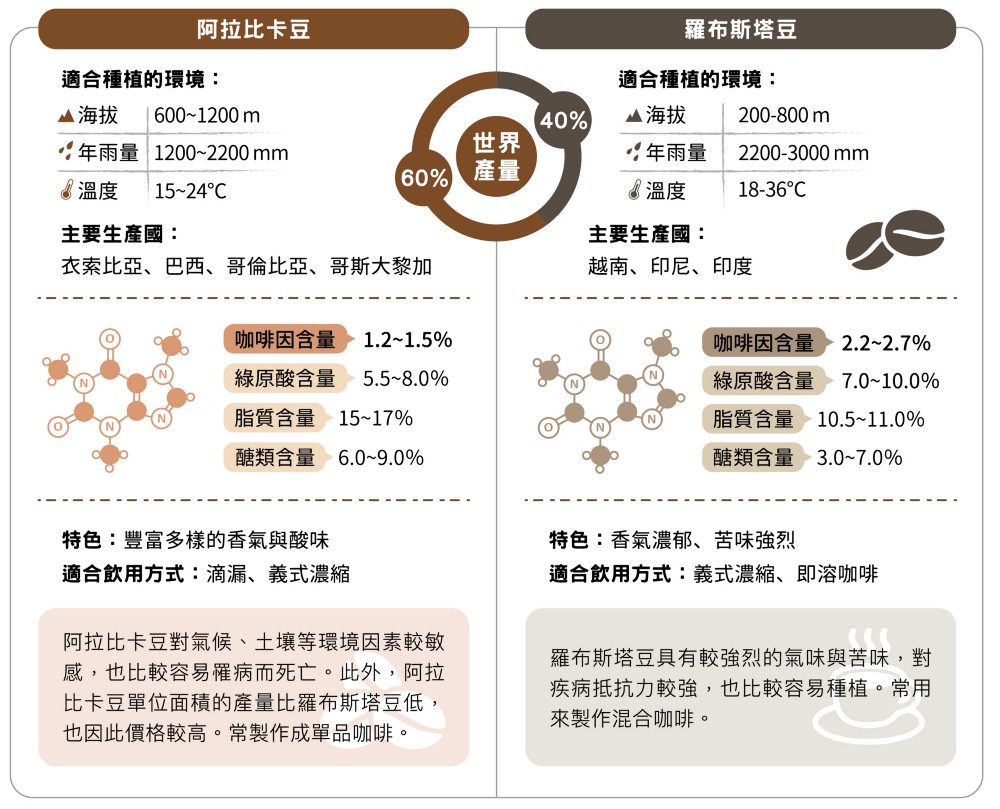
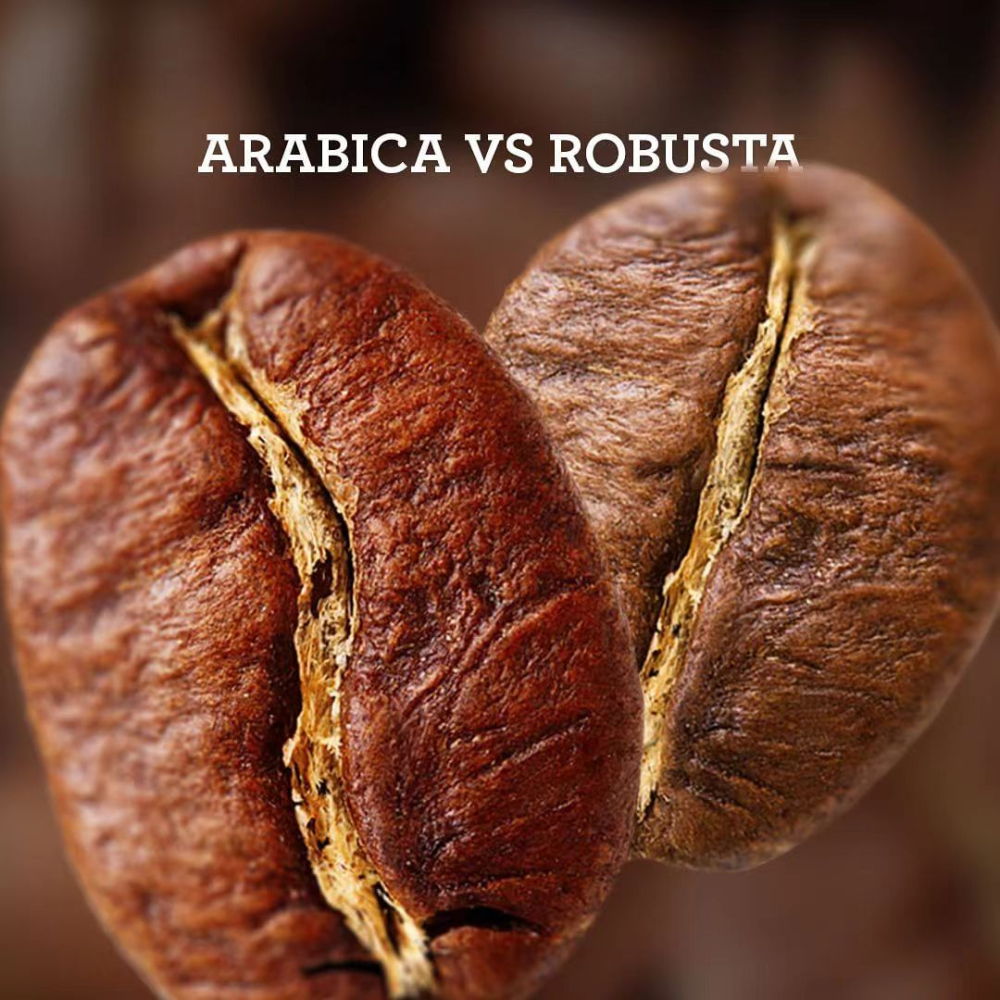
Caffeine, as a central nervous system stimulant, can boost alertness, but it also causes palpitations or affects sleep for some individuals. The demand for decaf coffee is not a recent phenomenon. As early as the early 20th century, the German company Kaffee Hag introduced related products, but acceptance was limited at the time. It wasn’t until after World War II, when Robusta beans (known for their high caffeine content) became widespread and triggered discomfort, that decaf coffee gradually gained attention. Arabica beans contain about 1.1% to 1.7% caffeine, while Robusta beans can be as high as 2% to 4.5%—a significant difference.
What Are the Common Decaffeination Techniques? An Analysis of the Three Main Methods
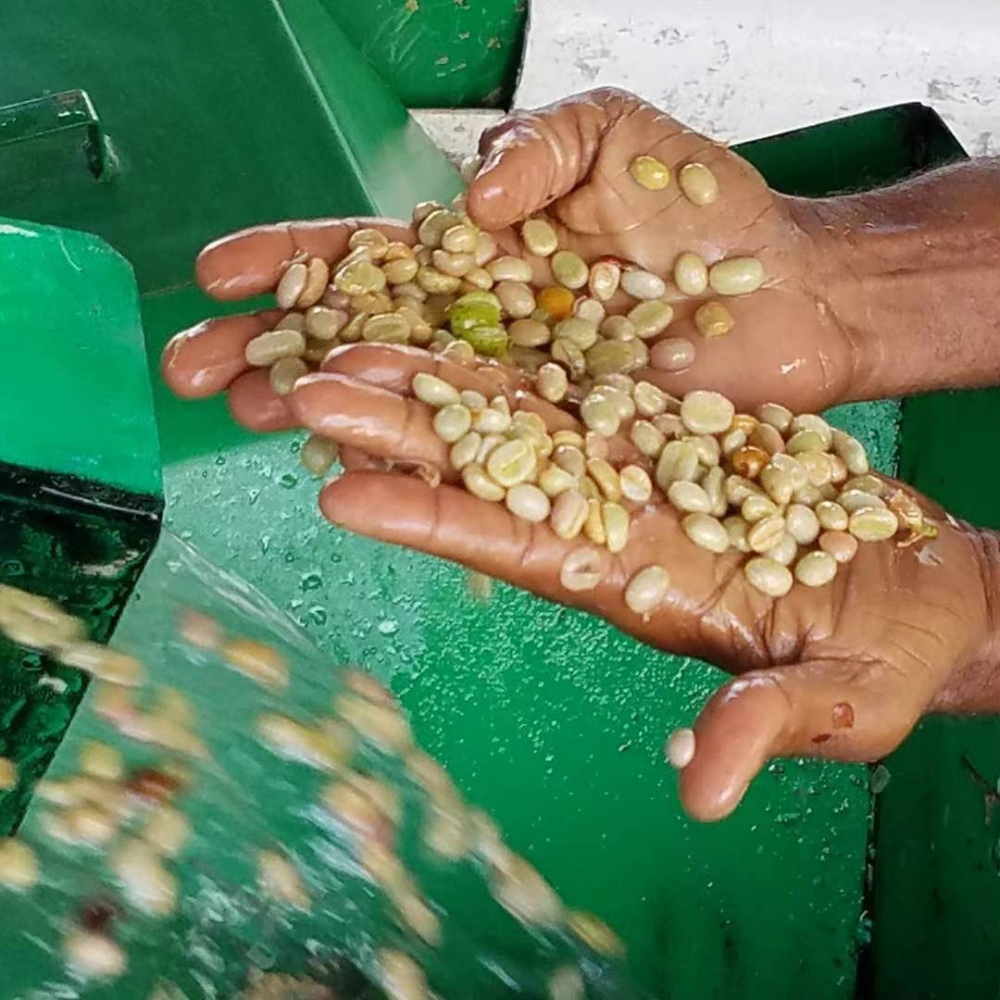
Currently, the mainstream decaffeination processes can be divided into three categories: solvent extraction, supercritical carbon dioxide treatment, and water processing. Each method requires the green beans to be soaked first, then the caffeine is removed through different mechanisms, and finally the beans are dried and roasted to become a beverage.
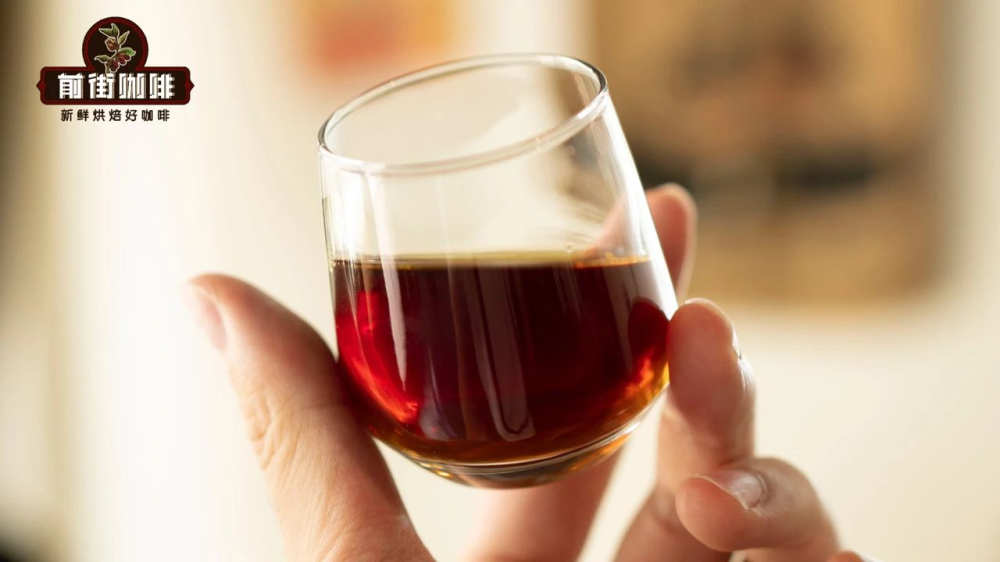
Solvent Extraction Method: Traditional but Residual Risks Should Be Noted
This method is divided into direct and indirect approaches. The direct method involves moistening the green beans with steam and then soaking them in solvents such as dichloromethane or ethyl acetate to dissolve the caffeine, after which the solvent is removed. The indirect method first uses hot water to extract both caffeine and flavor compounds, then selectively removes the caffeine using a solvent, and finally re-infuses the flavor molecules back into the beans. Dichloromethane, widely used in the past, has gradually been phased out due to environmental concerns. Ethyl acetate, which naturally occurs in fruits, is relatively safer but lacks clear residual standards.
Carbon Dioxide Method: Highly Effective but Higher Cost
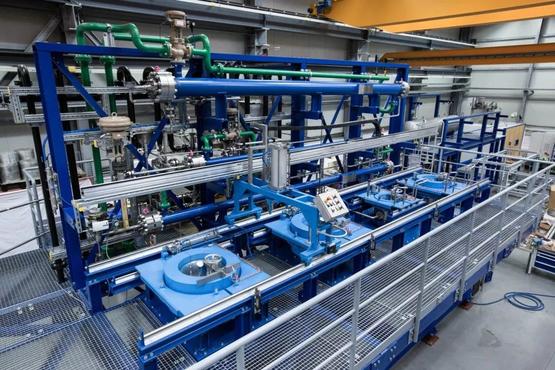
This technique utilizes the affinity of high-pressure liquid carbon dioxide for caffeine. The green beans are soaked in hot water and then carbon dioxide is introduced to selectively remove the caffeine. This method has high extraction efficiency and poses a lower burden on the human body, but due to the expensive equipment, it is mostly used for premium products. The processed carbon dioxide can be recycled, reducing resource waste.
Water Processing Method: A Flavor-Retaining Option Without Chemical Additives
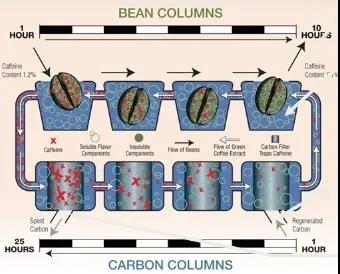
Using water as a solvent along with an activated carbon filtration system, such as the well-known Swiss Water Process. This method first extracts caffeine and flavor compounds with hot water, then filters out the caffeine through activated carbon, and finally reintroduces the purified water back into the beans to achieve decaffeination. Since no chemical agents are used, it is considered a safer option, though some flavor compounds may be lost during the process, and the cost is higher.
Spring Water Processing Method: An Alternative Solvent-Free Option
Some manufacturers use special water sources, such as glacial water, combined with proprietary filtration devices to remove caffeine. This approach also avoids chemical solvents, and the dissolved coffee solids can be reused, making it a more natural alternative favored by certain consumer groups.
Can Decaf Coffee Be Specialty Grade? Challenges in Flavor and Quality
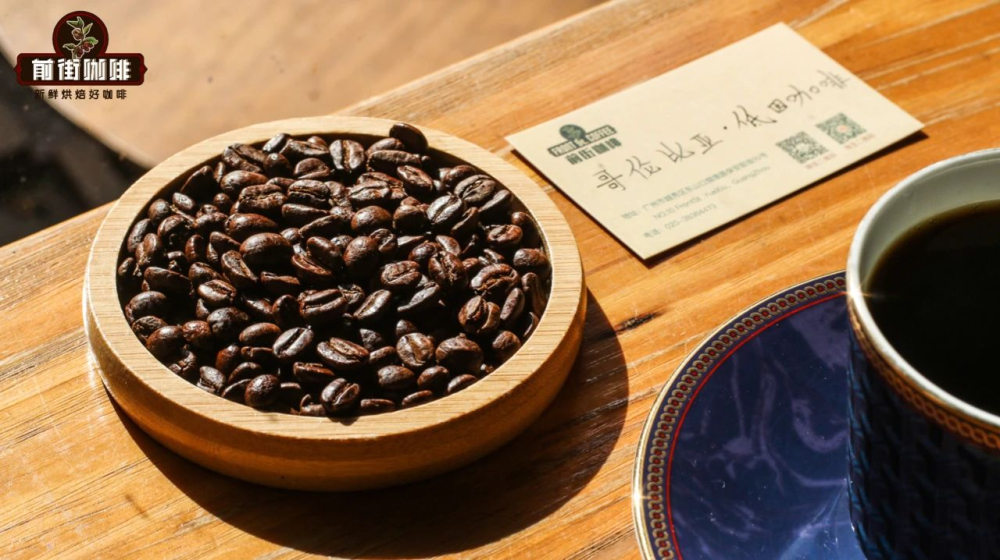
Many people assume that decaf coffee has a bland flavor, but this is closely related to the processing technique. Traditional solvent methods can easily destroy flavor compounds, resulting in a flat taste, which is why they are often used for lower-quality beans. However, if high-quality Arabica beans are selected and milder techniques like the Swiss Water Process are used, rich origin characteristics and layers of flavor can still be preserved. Though more costly, this type of specialty-grade decaf coffee can meet the needs of consumers who value flavor.
How Is Decaf Coffee Roasted Differently? Key Strategies for Adjustment
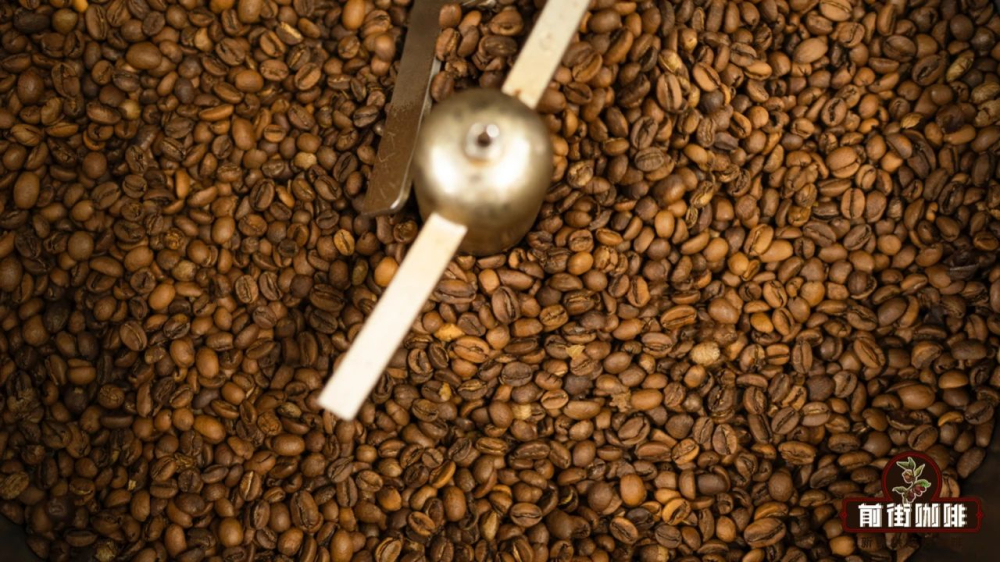
Decaf coffee requires more careful control of temperature and time during roasting. Since the initial decaffeination process may affect the beans’ ability to absorb heat, it is recommended to use a gentler heating curve and extend the development time to promote caramelization reactions. The focus is on balancing sweetness and acidity, avoiding over-development that leads to bitterness. Roasters need to fine-tune parameters based on the bean variety to bring out the best flavors.


The above content is compiled by CoffeeHunters, a coffee news website.

