








Introduction:Indonesian Sumatran Mandheling coffee is renowned worldwide for its unique flavor profile. Its full body and pronounced herbal and spicy notes often pique the curiosity of beginners: is it better suited for pour over or espresso extraction? Moreover, is the commonly seen “Golden Mandheling” on the market truly a higher-grade coffee bean? This article will delve into the regional characteristics of Mandheling, differences in processing methods, various brewing options, and clarify the grading standards and flavor characteristics of Golden Mandheling, helping you make the best choice based on your preferred brewing method.
Sumatran Mandheling coffee has captured the hearts of many coffee enthusiasts since the 1960s with its distinctive personality. What’s most memorable about this Indonesian coffee is its unique balance of bitterness and sweetness—initially, you may perceive a distinct bitterness, but this is soon followed by a deep and lingering sweetness, reminiscent of life’s bitter-to-sweet journey. Fully appreciating these layers often requires multiple tastings and careful attention.
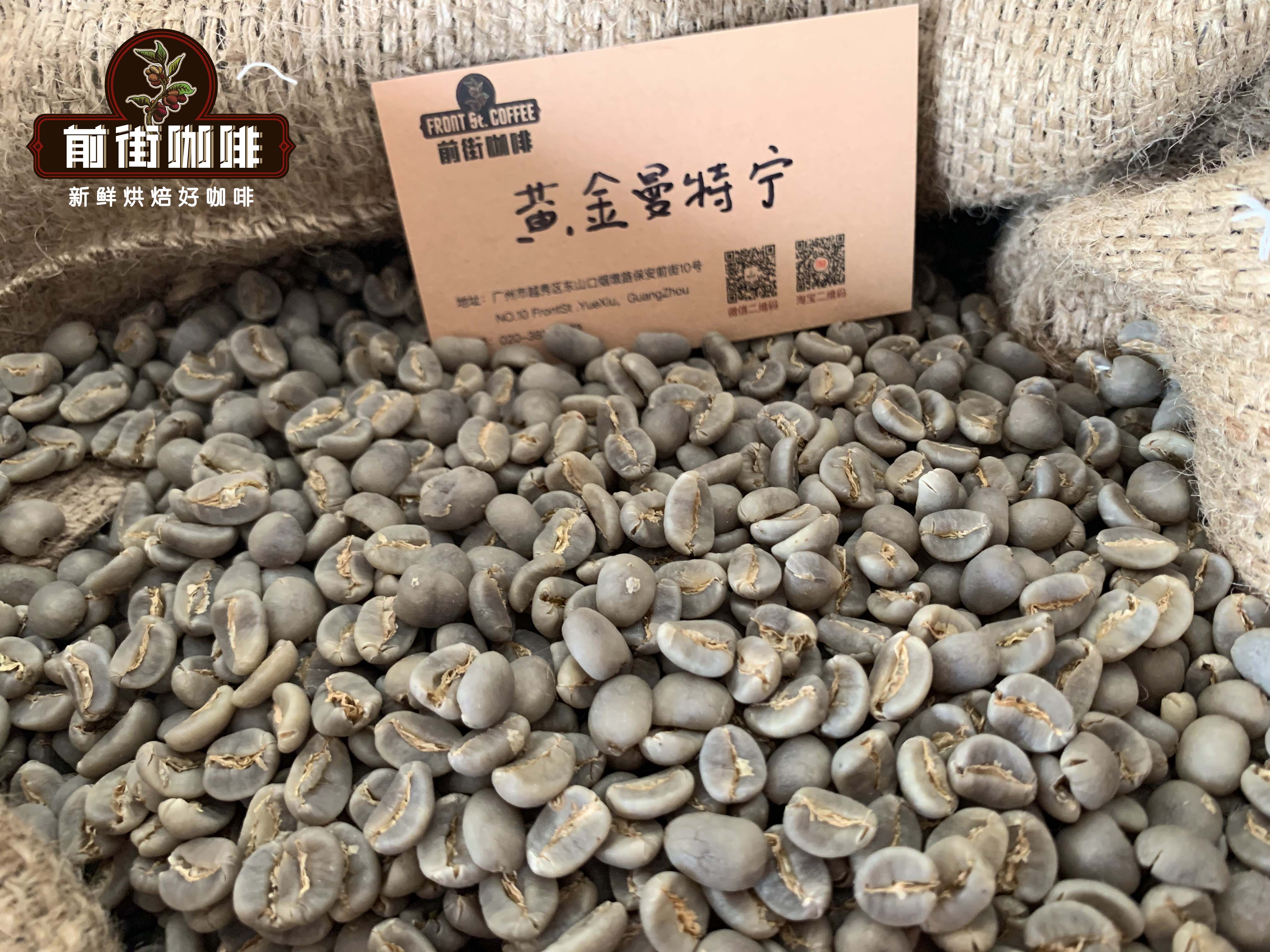
Among the many Mandheling coffee beans, the classic ones from the Lintong region of Sumatra and the so-called premium version, Golden Mandheling, are commonly found. These two types not only represent the traditional, old-school flavors of Sumatran Mandheling but also showcase the trend toward modern, carefully selected flavor profiles. As the birthplace of Mandheling, the Lintong region’s wet-hulled processing method imparts a rich herbal and woody character to the coffee, accompanied by aromas of chocolate and caramel, resulting in a complex and distinctive flavor profile.
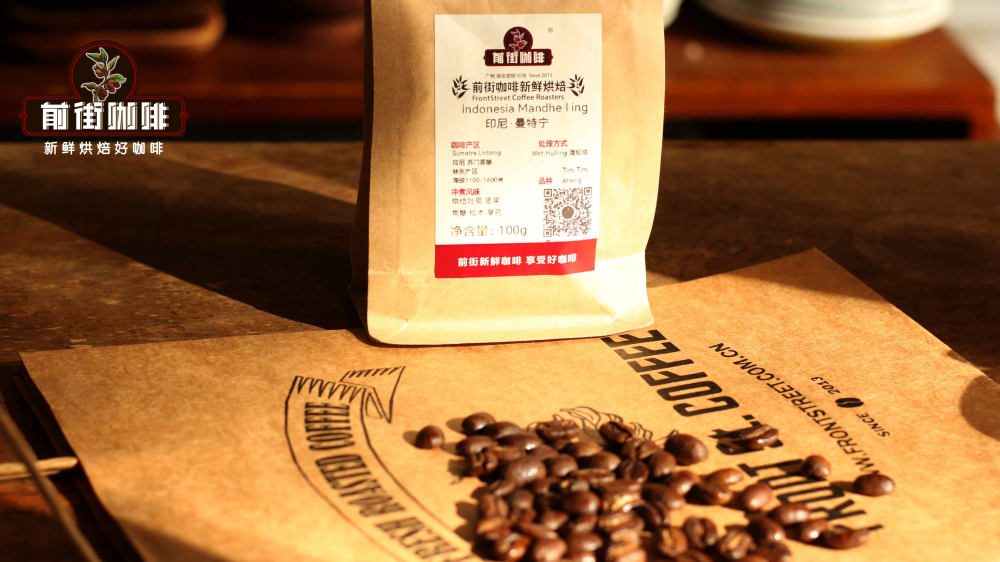
The most common processing method for Mandheling coffee is wet hulling (Giling Basah). Its most notable feature is that during the removal of the parchment layer, friction generates high heat, which affects the fermentation and flavor development of the green beans, creating unique aromas such as earthiness and woodiness. Compared to traditional washed processing, although this method results in a bolder flavor direction, improper handling can also lead to an overly heavy astringency. For this reason, when selecting high-quality Mandheling, the screening standards of the green beans are particularly important.
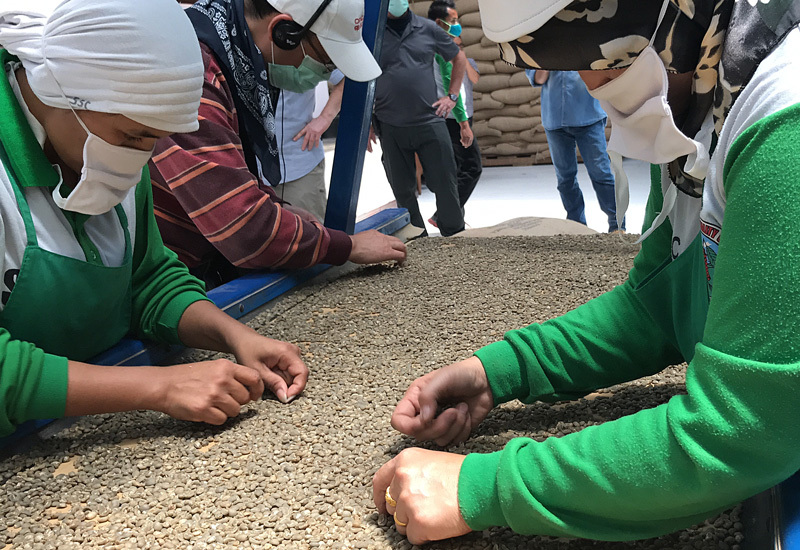
Golden Mandheling is considered a premium version primarily due to its rigorous selection process. The Golden Mandheling produced by PWN (the Indonesian state-owned coffee exporter) uses only green beans larger than 18 mesh, with no more than 3 defective beans per 300-gram sample, placing it in the highest grade, G1. Furthermore, these green beans undergo three rounds of manual hand-picking to ensure no defective beans are included, resulting in a cleaner taste and more pronounced sweetness. It’s worth noting that some merchants on the market may offer products labeled as “Golden Mandheling” using the same G1 grade and three-hand-pick process, but consumers should pay attention to the actual origin and processing details.
In terms of flavor expression, Golden Mandheling exhibits a rich and balanced herbal aroma, with a more prominent caramel sweetness and relatively subdued and elegant acidity. Under medium to dark roasting, its flavor clarity and sweetness achieve a good balance, while also retaining the wild characteristics of spices, allowing it to display richer layers and a fuller body when roasted just before the second crack. These flavor characteristics make Golden Mandheling not only suitable for those who enjoy bold coffee, but also provide professional baristas with ample room for interpretation in extraction and roasting.
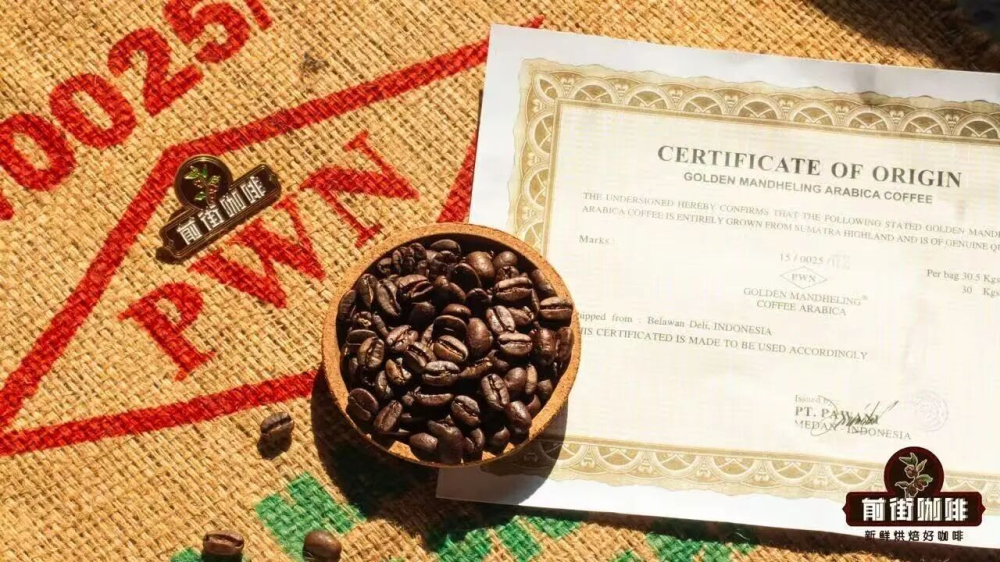
After actual brewing, Golden Mandheling often carries a distinct roasted nut tone. As the temperature drops, herbal, cinnamon-like spice notes and melon aromas gradually emerge, complemented by its persistent caramel sweetness, resulting in an overall clean and full-bodied mouthfeel. In terms of brewing methods, the versatility of Mandheling is surprising: it’s not only suitable for pour over to savor its layers in detail, but can also be used to produce a rich single-origin espresso via moka pot or espresso machine, or even as part of a blend to add a stable foundation and depth to the overall coffee flavor.
The above content is compiled by CoffeeHunters, a coffee news website.

