







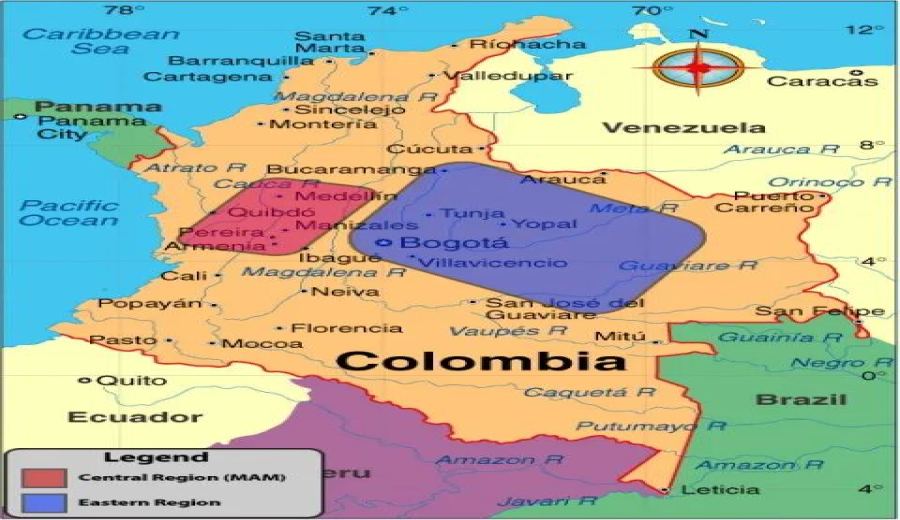
Introduction:Colombia is the world’s second-largest producer of Arabica coffee, with its MAM commercial bean regions and southern specialty-growing areas each offering unique characteristics. This article provides an in-depth analysis of the origins of the three core MAM regions (Medellín, Armenia, and Manizales), details the altitude and microclimate influences on well-known specialty regions such as Huila and Nariño, and offers practical guidance on the flavor differences between washed and natural processing methods, optimal roast levels, as well as pour over brewing parameters and steps — helping you fully grasp the diverse allure of Colombian coffee.
Colombia is famed for having the world’s second-largest output of Arabica coffee, second only to Brazil. Its beans often exhibit a distinct chocolatey profile, which is closely tied to the region’s geography and traditional processing methods. The origin of Colombian coffee is widely believed to date back to 1723, when Jesuit missionaries introduced coffee seeds that gradually spread nationwide. By the late 19th century, coffee had become a major pillar of the country’s economy, and the logistics system established in the early 20th century enabled around 50% of smallholder-produced coffee to be directly exported.
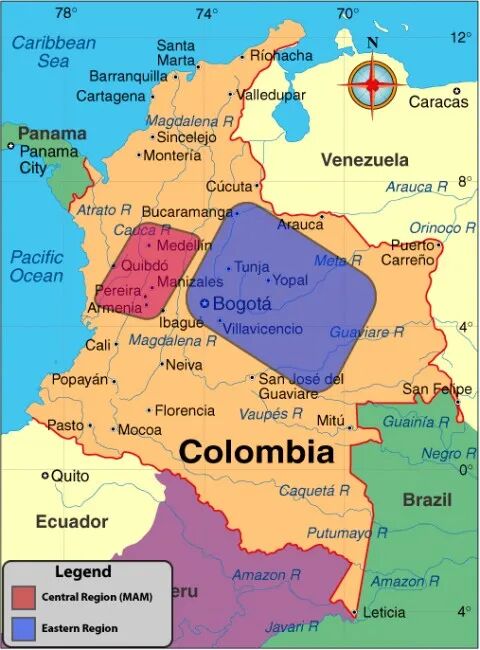
Consumers often see coffee beans labeled ‘MAM’ in supermarkets. This does not refer to a single region but is an acronym for the three major commercial bean-producing areas: Medellín, Armenia, and Manizales. Historically, this combination has been a significant international supply source due to its high production volume and stable flavor profile.
Colombia’s specialty coffees mostly come from high-altitude regions in the south. The main representative areas are as follows:
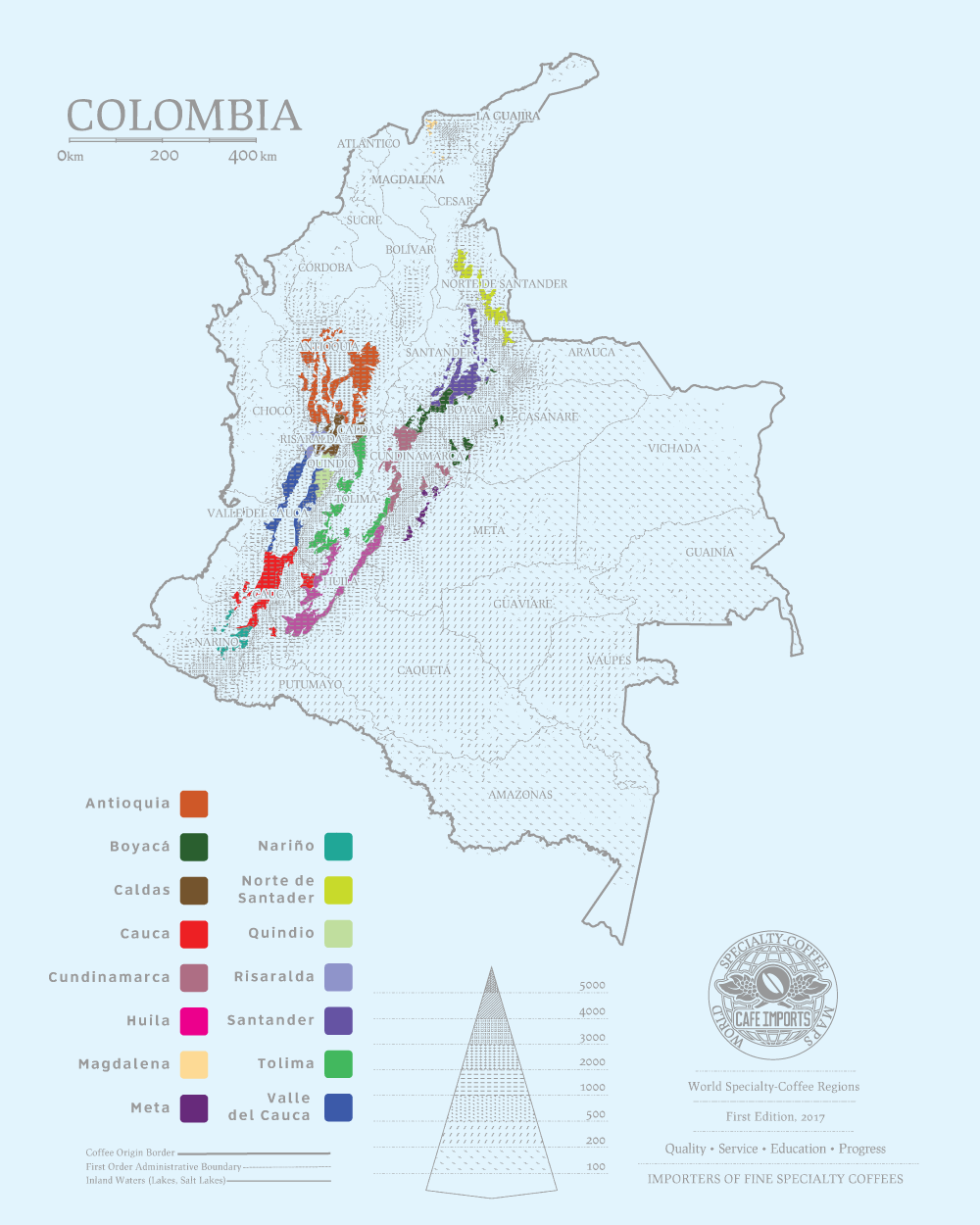
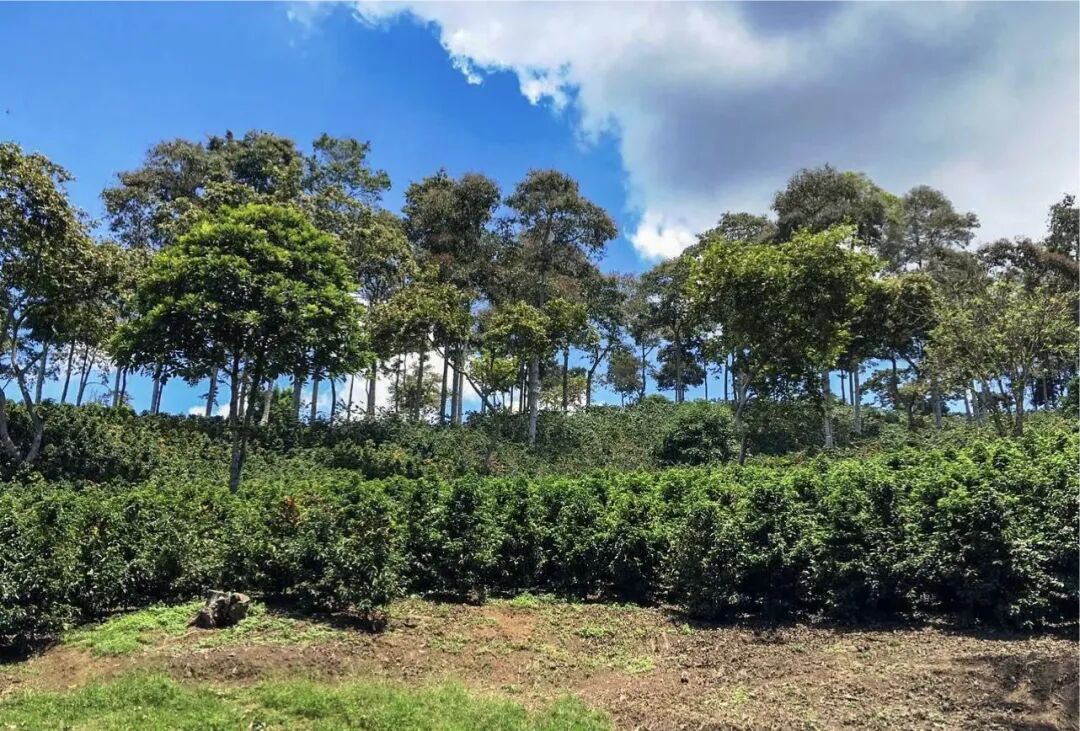
Antioquia: As one of the earliest regions in Colombia to cultivate coffee, it features multiple areas with moderate altitudes and is located near the Andes Mountains, providing an ideal growing environment for coffee trees.
Boyacá: Home to over 10,000 small-scale coffee farmers, each managing their own processing stations to carefully process and select coffee cherries, it has a long-standing history of collaboration with the National Federation of Coffee Growers (FNC).
Cauca: Adjacent to Tolima and Huila, with an average altitude of about 1,700 meters and 80% mountainous terrain, the region is enriched by two volcanoes, Sotara and Petacas, which provide fertile volcanic soil. It is an officially certified origin denomination region.
Huila: Located on the flank of the Andes Mountains and near Colombia’s second-highest peak, Nevado del Huila volcano, the area benefits from fertile soil, dense forests, and a humid climate, all highly conducive to coffee cultivation. Several important rivers run through the region, supplying ample water resources. This zone is Colombia’s most renowned specialty coffee producing area.
Nariño: The first region to receive origin denomination certification, it features steep terrain and the active Galeras volcano. Its volcanic soil is rich and forms a unique foundation for distinctive flavor profiles.
Santander: A northern region with relatively lower altitude and higher temperatures. The coffee has a strong and rounded taste, with 2020 statistics showing 32,000 growers and 37,000 farms. Cupping often reveals a fresh herbal character.
Tolima: Colombia’s third-largest producing region, contributing 12% of the nation’s coffee beans. It is surrounded by the Andes Mountains and the Magdalena River basin, and the environment is relatively remote.
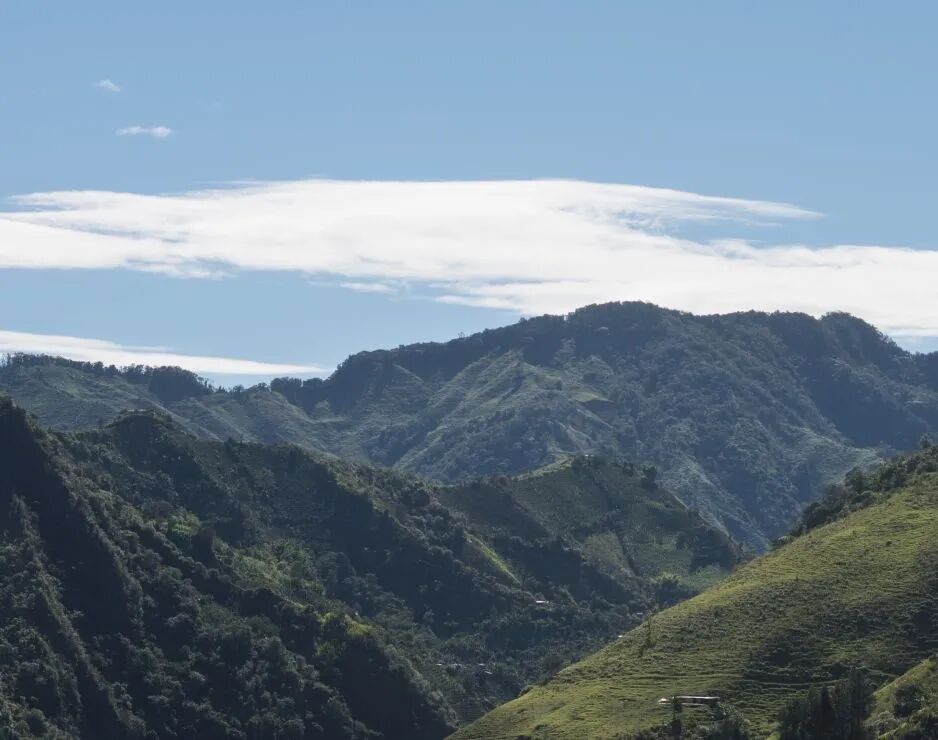
Taking the Huila region as an example, its coffee beans are often regarded as representative of Colombia’s specialty coffee. Certified as an origin denomination in 2013, it not only leads the country in production volume but also excels in quality. Local baristas recommend that if a single region were to symbolize Colombian coffee, Huila would undoubtedly be the top choice. Its washed processed beans feature a balanced flavor with mild fruit acidity and rich notes of nuts and chocolate; natural processed beans, on the other hand, boast more pronounced aromas, noticeable sweetness, and a syrupy mouthfeel.
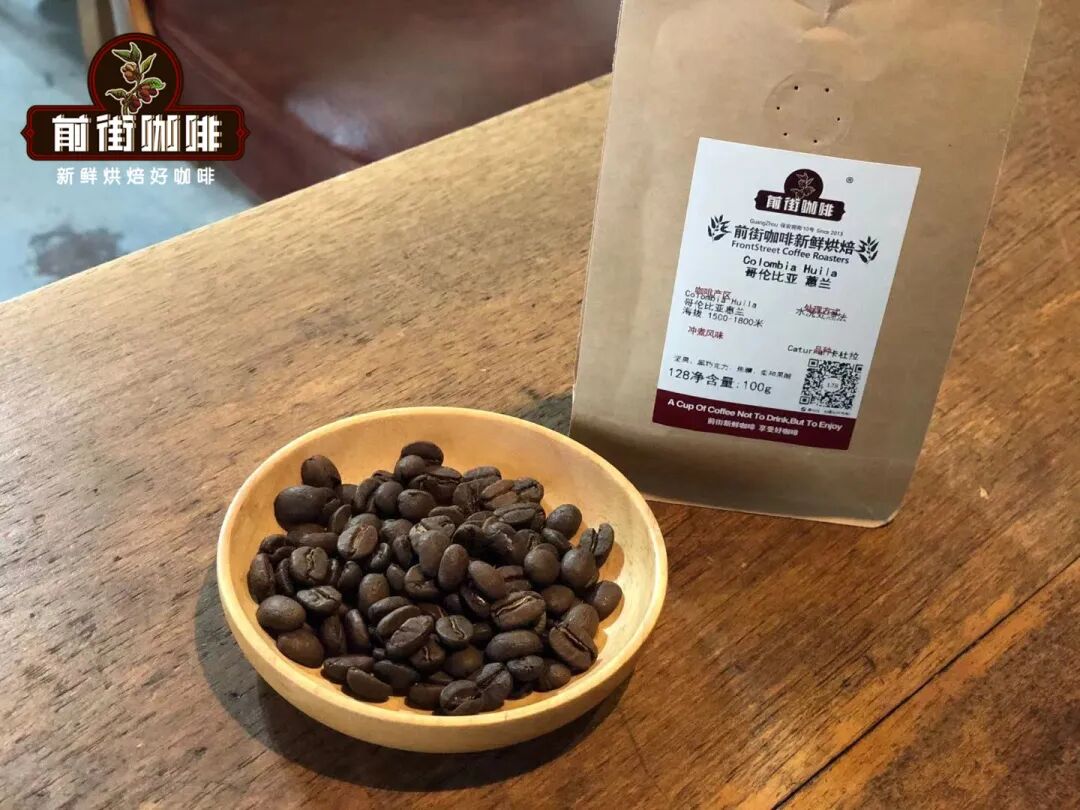
In terms of roasting, coffee beans from the Americas (including Colombia) are typically medium roasted to highlight their aromatic qualities. For the characteristics of the Huila region, a medium roast is chosen to enhance nutty and chocolate flavors while boosting a caramel-like sweetness. Specific parameters are as follows: regional altitude of 1,500–1,800 meters, variety is Caturra, processing method is washed.
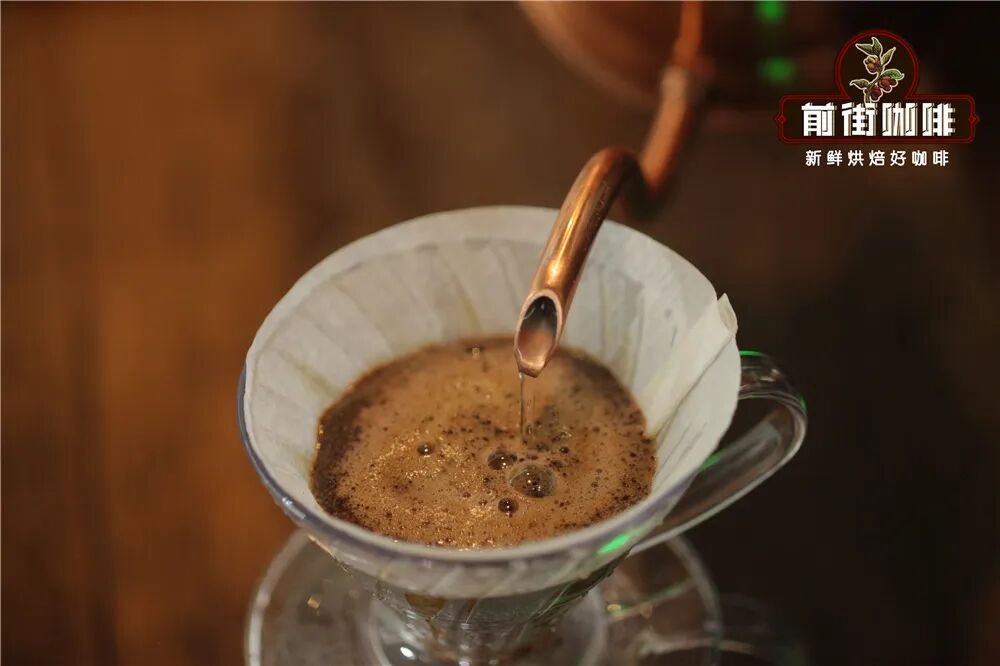
For pour over recommendations, to fully extract the aroma and layered complexity of Huila coffee, it is advised to use hot water at 90°C along with a fast-flowing Hario V60 filter to avoid over-extraction and bitterness caused by high temperature. A three-stage pouring method is suggested to create a richer taste structure. Specific settings are: 15g coffee dose, 1:15 coffee-to-water ratio, grind size passing 80% through a #20 sieve.

Details of the pour over steps are as follows: First, pour 30g of 90°C water for a 30-second bloom; then slowly pour the second stage water in small circles until reaching 125g; once the water level in the filter drops halfway, continue pouring the third stage water to reach 225g; finally, remove the filter once dripping is complete. Total brew time is approximately 2 minutes. This process effectively balances acidity, sweetness, and body, showcasing the multi-layered flavors of Huila coffee.

The above content is compiled by CoffeeHunters, a coffee news website.

