







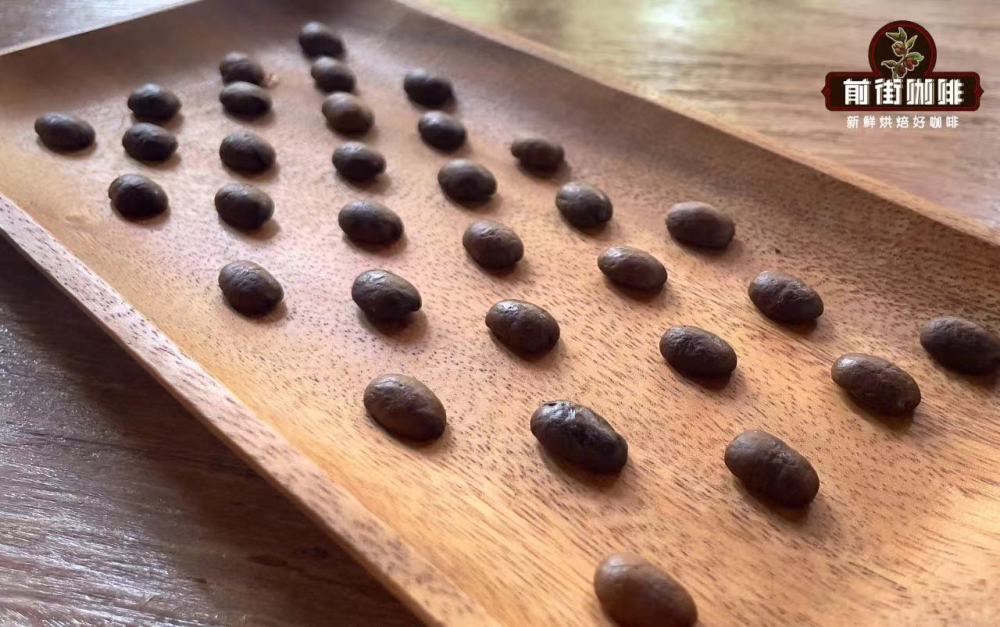
Introduction:Beginners often mistakenly assume that freshly roasted coffee beans can be brewed right after opening the bag. However, it’s the proper resting (养豆) and degassing (醒豆) periods that truly unlock their flavors. This article delves into the carbon dioxide release process after roasting, explains why darker roasts require longer resting times, and provides resting recommendations for different brewing methods such as pour over and espresso. It also includes the optimal drinking window and practical brewing parameters for Golden Mandheling.
Many wine enthusiasts are no strangers to the step known as "decanting" or "aeration." Through proper aeration, the tannins in wine become smoother, and its sweet and sour notes more pronounced. Similarly, coffee has a comparable concept—just as wine needs to breathe, coffee beans need to be "rested" (养豆) and "degassed" (醒豆).
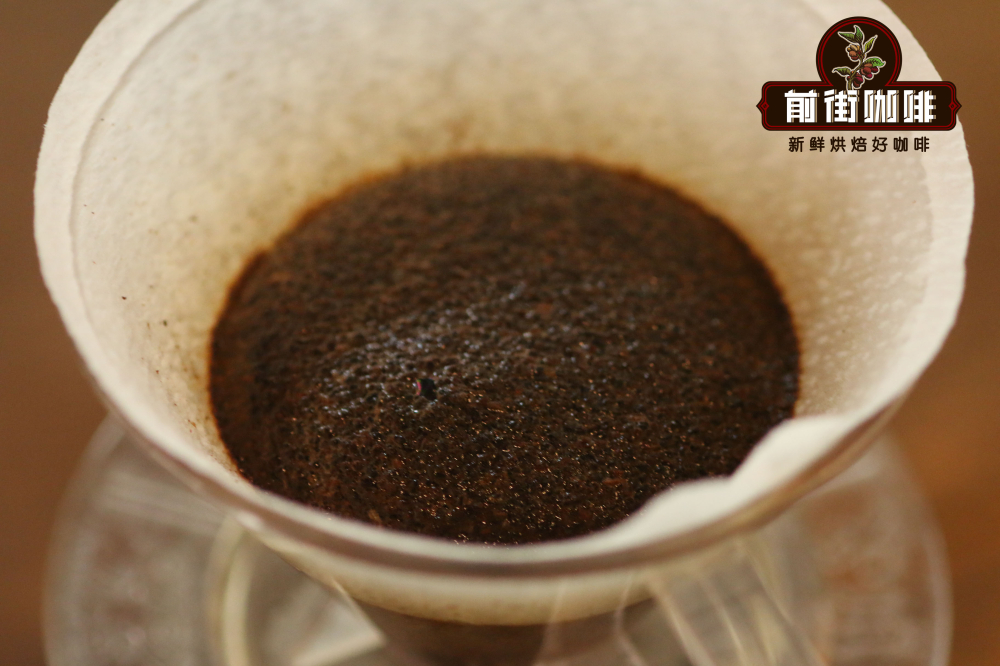
After coffee is roasted, about 2% of its weight remains as carbon dioxide trapped inside the beans. This gas is gradually released over time. If freshly roasted beans are ground and brewed immediately, the high internal pressure can hinder water penetration, leading to uneven extraction and unpleasant “dryness” or excessive bitterness.

Many newcomers to specialty coffee prefer to buy beans that have just been roasted. In reality, thanks to proper packaging and shipping, by the time you receive your coffee, it has usually already undergone 4 to 7 days of natural resting, entering the stage where its flavors are at their best. However, if you're eager to try them right away, do note that in the initial phase after roasting, the internal gases haven’t fully dissipated, which may affect overall extraction quality.

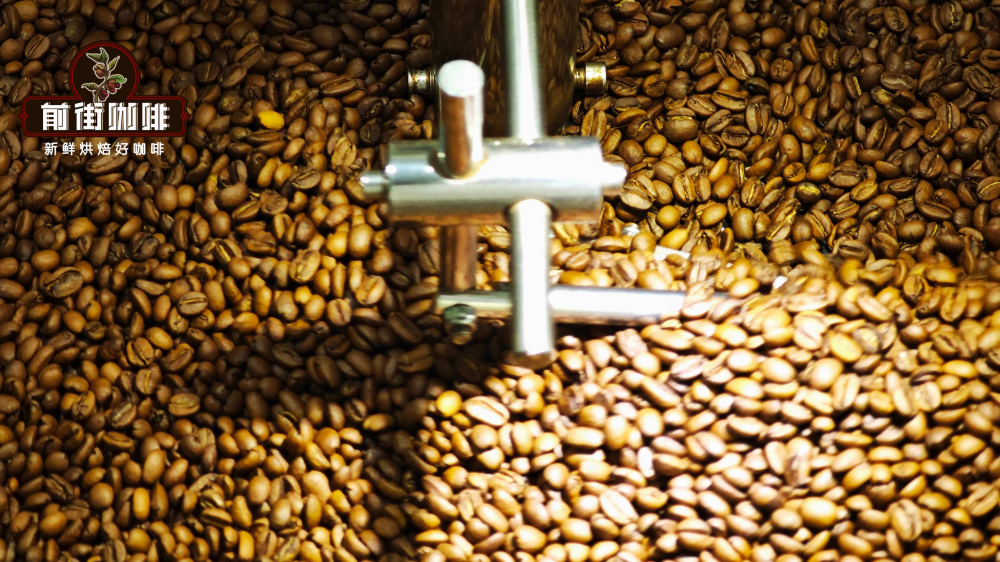
Generally, it’s recommended to let the beans rest for 4 to 7 days after roasting. This allows the internal carbon dioxide to stabilize and the flavors to gradually balance out. But keep in mind, the darker the roast, the higher the internal pressure, the looser the structure, and the more carbon dioxide released. Therefore, darker roasts like Mandheling often require a longer resting period to fully express their flavors.

When coffee reaches its peak flavor window, its taste performance is at its prime—but this golden period is relatively short. Especially for dark roasts, as time passes, flavor compounds escape along with the carbon dioxide, aroma fades, and the mouthfeel becomes duller. Thus, it’s advised to consume coffee within one month after roasting for the most ideal flavor experience.
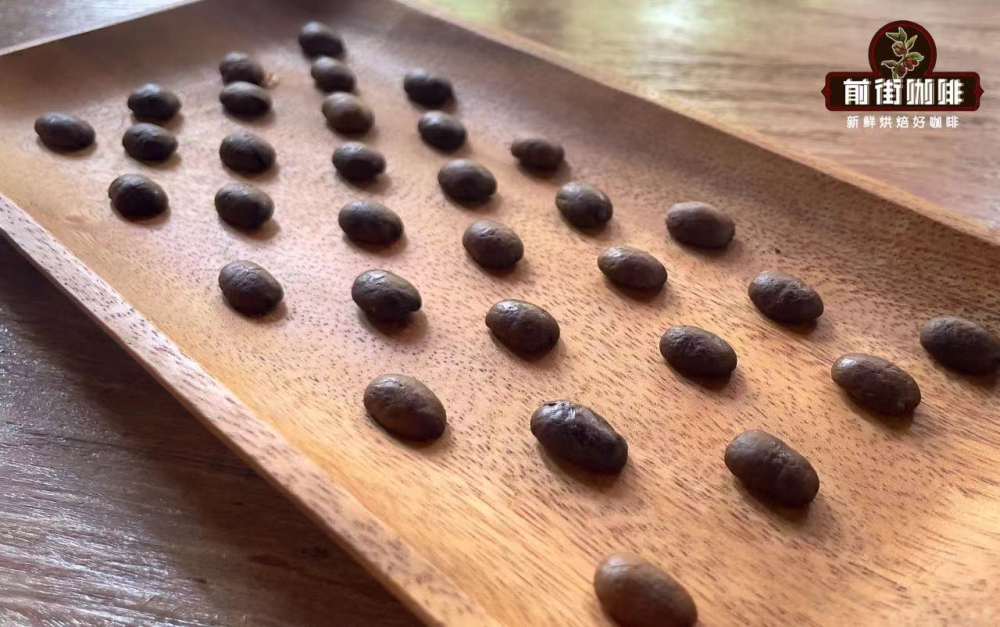
Take Indonesia’s Sumatra Golden Mandheling as an example. This classic dark roast bean is processed using the region’s unique “wet-hulled” method, giving it a full body and distinctive herbal-spicy profile. Due to the large amount of carbon dioxide released during the dark roasting process, Golden Mandheling typically requires a resting period of 7 to 10 days to allow the internal gases to dissipate fully, ensuring a nuanced flavor layering during brewing.

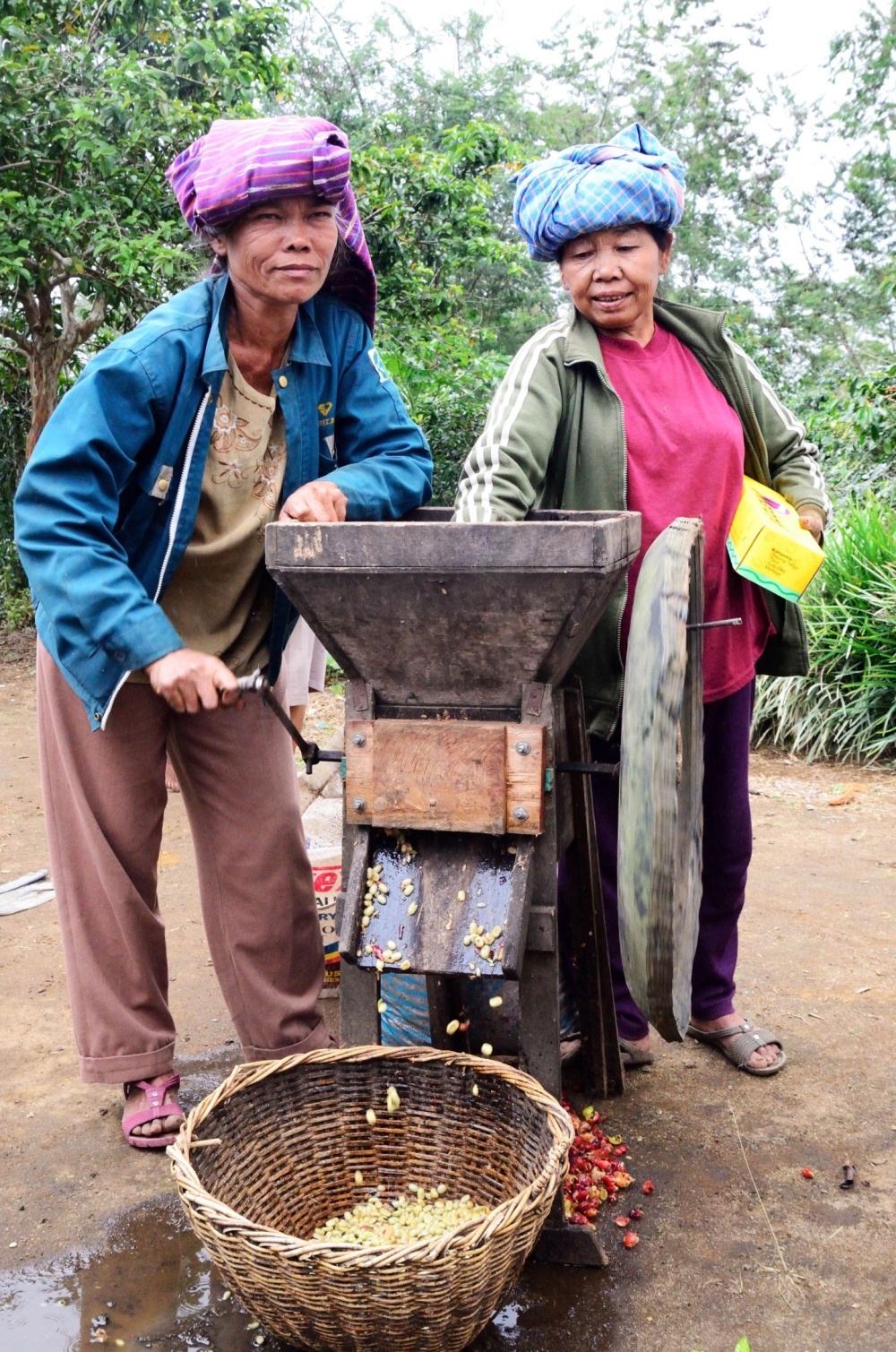
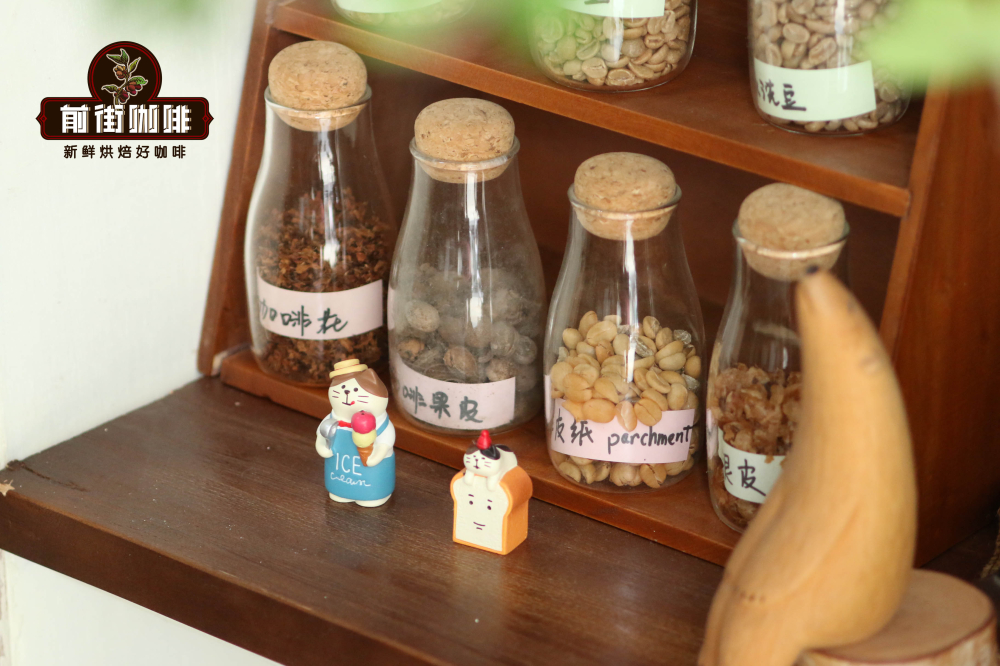
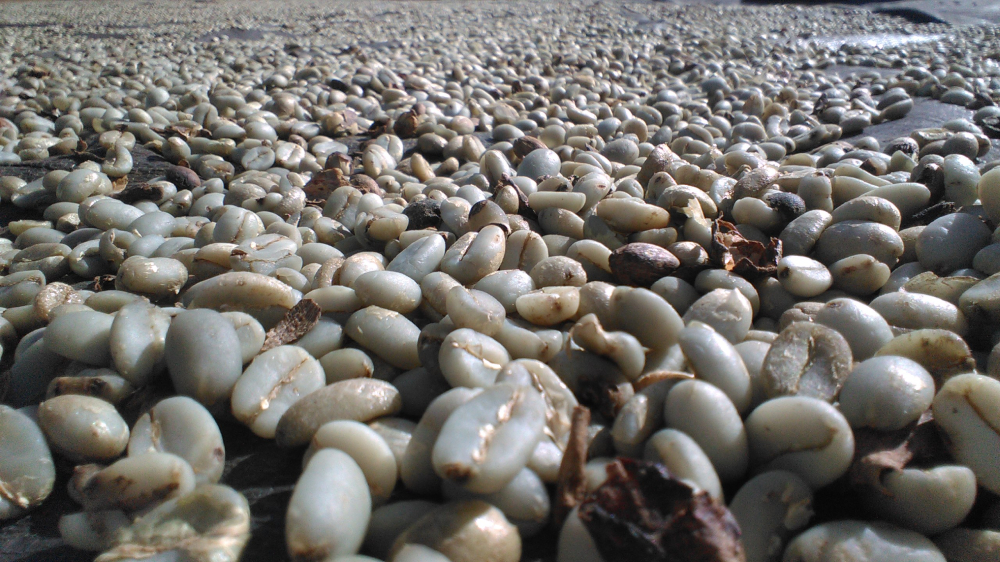
Sumatra’s tropical rainforest climate, with its high temperatures and humidity, is not conducive to traditional sun-drying or washed processing. As a result, the region developed the “wet-hulled” method—removing the parchment layer while the beans are still semi-dry after fermentation, then continuing to dry them to a moisture content of 12%–13%. While this method imparts Mandheling’s rich earthy and woody notes, the removal of the protective layer also means that once ground, the flavors can deteriorate quickly if not brewed soon after.

If you opt for pre-ground coffee, due to the significantly increased surface area exposed to air, it’s best to use it immediately after opening, without any additional resting period. However, proper storage is essential to avoid moisture or oxidation. For whole bean brewing, take Golden Mandheling as an example: we recommend using a KONO filter, with a water temperature of around 88°C and a coffee-to-water ratio of 1:15. Start with a 30-second bloom using 30 grams of water, followed by incremental pouring to reach 225 grams total. The total brew time should be around 2 minutes, helping to fully highlight its full body and low acidity.
In summary, whether you’re brewing single-origin pour over or espresso blends, proper resting and degassing are key steps in elevating coffee flavor. Understanding the required resting times for different roast levels, along with the considerations for each brewing method, will help you fully appreciate the unique charm of every coffee bean.

The above content is compiled by CoffeeHunters, a coffee news website.

