







Introduction:Want to understand the key transformation of coffee beans from green to cup? Roast level not only influences flavor direction, but also determines the balance of acidity, sweetness, and bitterness you taste. This article delves into how Maillard and caramelization reactions shape coffee characteristics, helps you distinguish clear differences between light, medium, and dark roasts, and recommends 4 single-origin beans ideal for SOE brewing—from sun-dried red cherry to Brazilian yellow bourbon—to help you find your perfect roast match.
Bringing coffee beans from farm to cup involves harvesting, processing, roasting, and extraction—each step impacts the final flavor. Among these, roasting is arguably one of the most critical stages, accounting for roughly 30% of overall flavor expression. From the raw traits of green beans to the familiar aromas and textures we love, it’s all formed in this high-heat transformation.
The Principles of Coffee Roasting
Each coffee bean contains complex chemical compounds. During roasting, these components undergo high-temperature-induced Maillard and caramelization reactions, producing hundreds of flavor compounds. The Maillard reaction occurs when sugars and amino acids combine under heat, generating diverse aromas and pigments—it’s the core source of coffee’s fragrance and color. Caramelization, on the other hand, involves sugar breaking down, dehydrating, and browning under heat, lending coffee deeper hues along with toasted, sweet, and acidic notes. Together, these two reactions shape the final color, aroma, and taste of your coffee.
During roasting, the ratio of acidity, sweetness, and bitterness shifts with time and temperature. Generally, the longer the roast, the more the acidity fades and bitterness becomes pronounced—this is why dark roasts often deliver intense bitter-sweet notes, while light roasts preserve more bright fruit acids and floral tones.
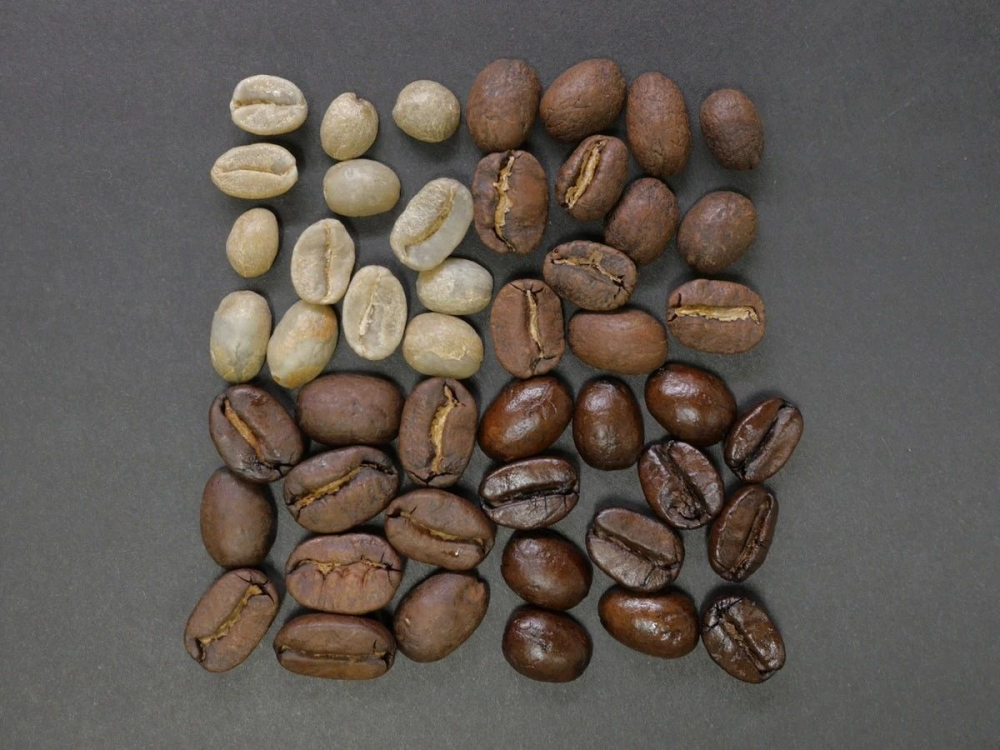
Light, Medium, Dark Roasts – Big Flavor Differences
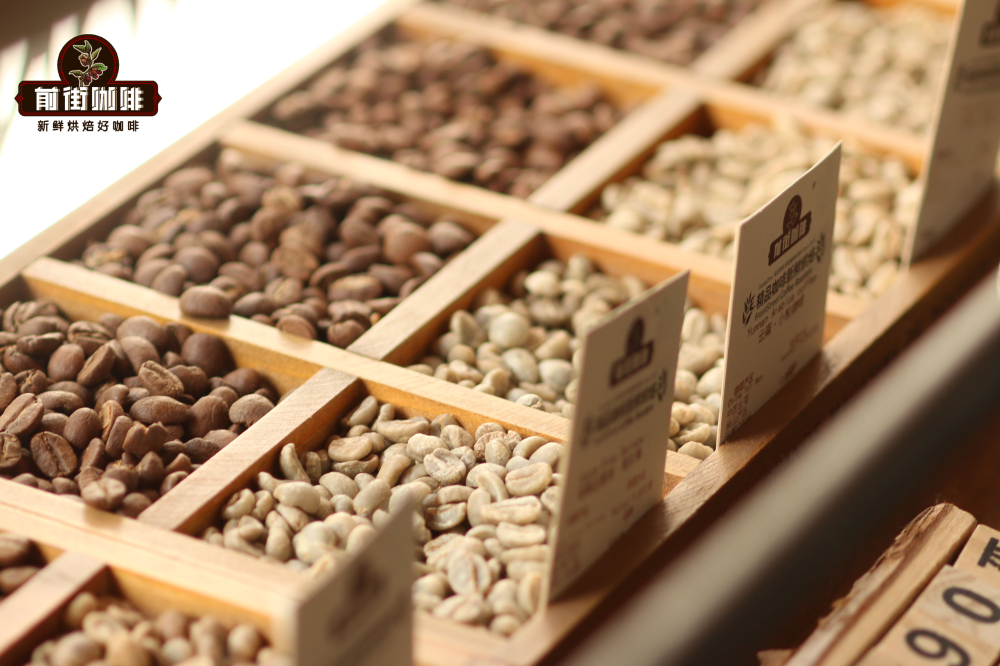
Based on roast levels, beans on the market are commonly divided into three categories: light, medium, and dark, each with unique flavor profiles and suitable scenarios.
Light RoastTypically features pronounced fruity notes, with clear acidity and often floral or fruity aromas, making it ideal for those who enjoy a refreshing taste. For example,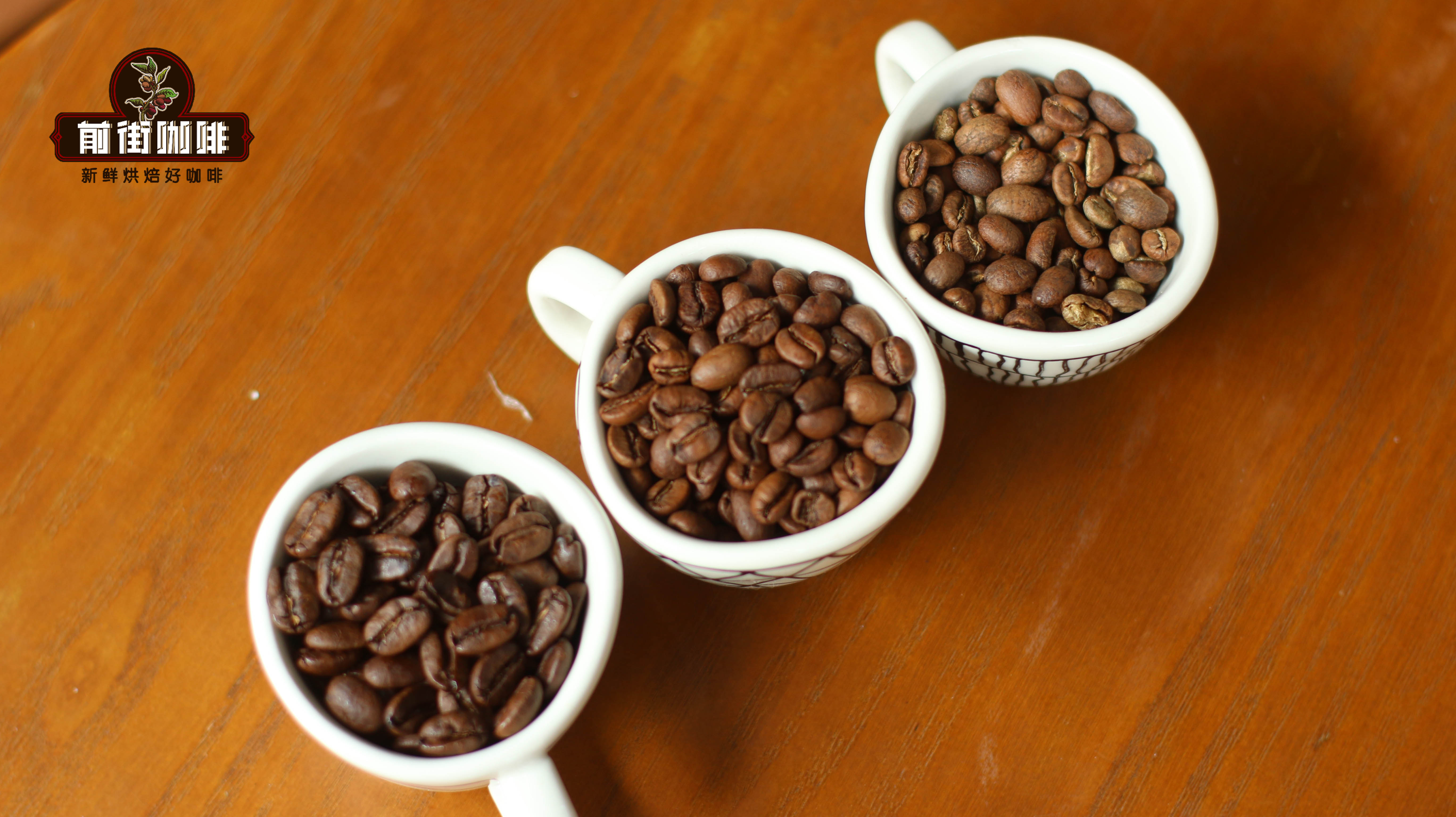 Washed Yirgacheffeis a classic light roast representative, with standout sweet-tart notes, perfect for pour over brewing.
Medium RoastExhibits nutty and caramel flavors, often accompanied by the sweetness of cocoa and malt, with a relatively balanced profile—suitable for everyday enjoyment by most.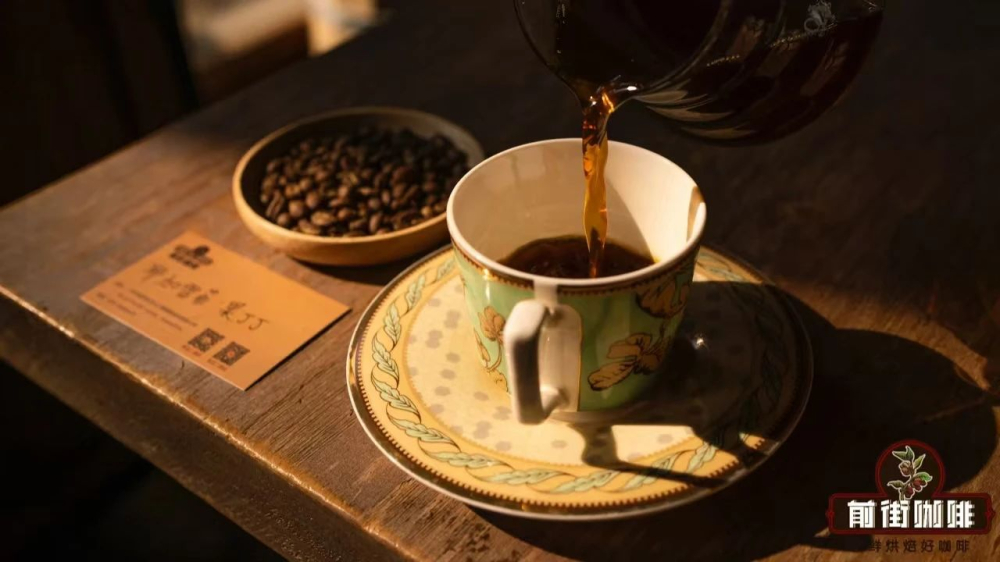 Brazilian Queen Estate Coffee Beansare a classic example of this roast level, offering nutty and caramel tones, suitable for various brewing methods.
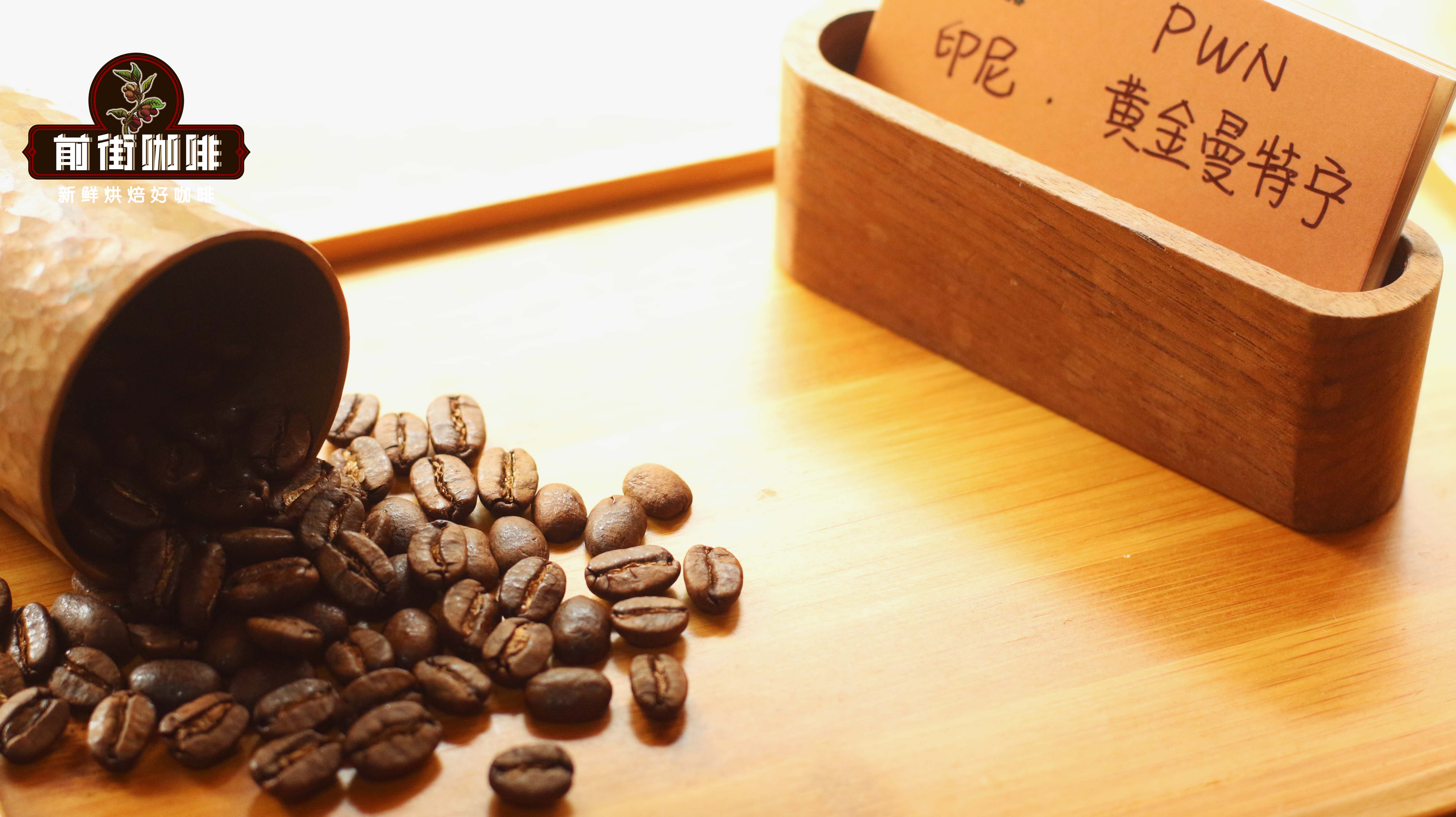
Dark RoastBrings intense chocolate and woody aromas, with lower acidity and distinct bitter-sweet notes, sometimes accompanied by hints of spices or smokiness. For instance,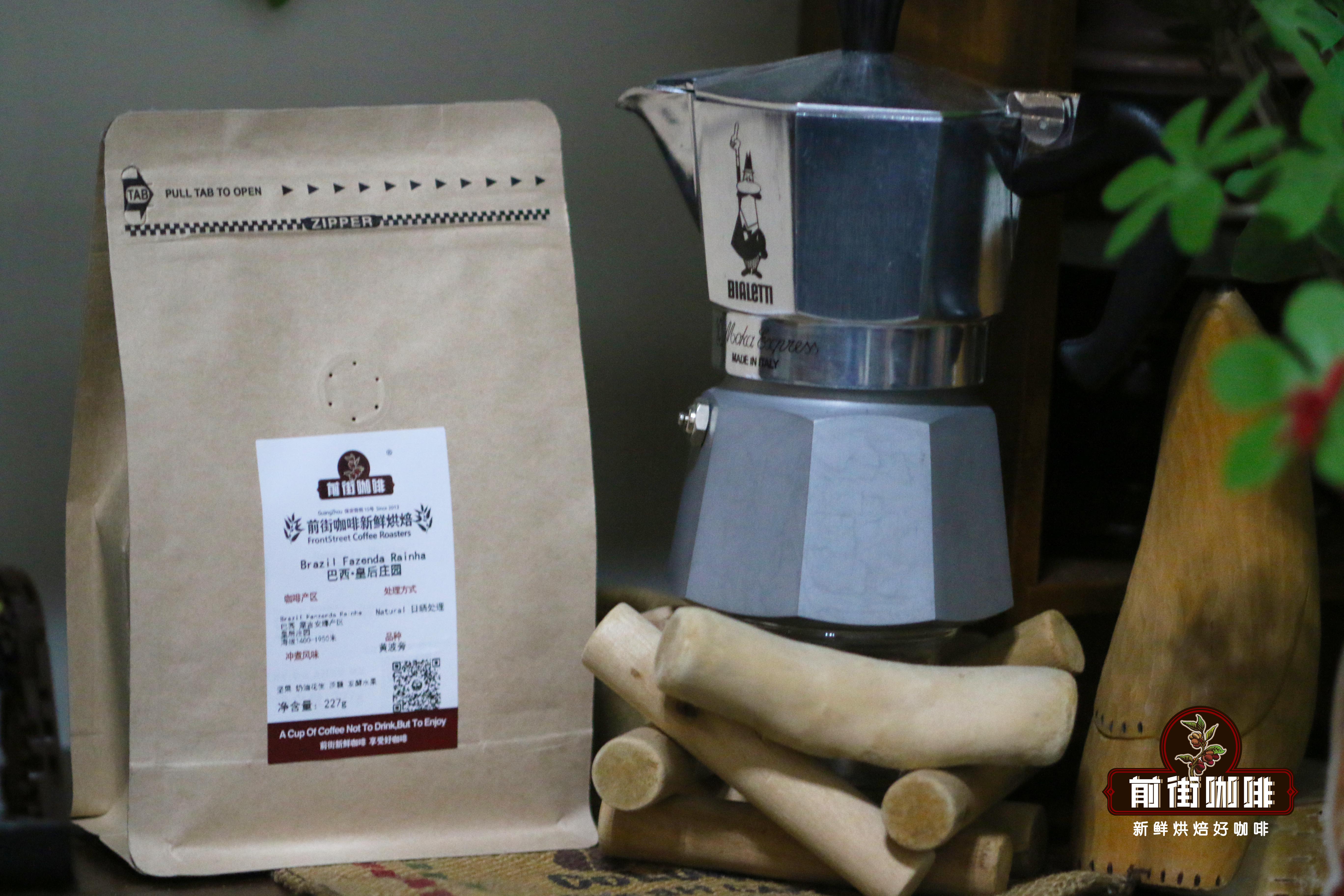 PWN Golden Mandhelingis one of the representatives of dark roast coffee, ideal for those who prefer bold flavors.
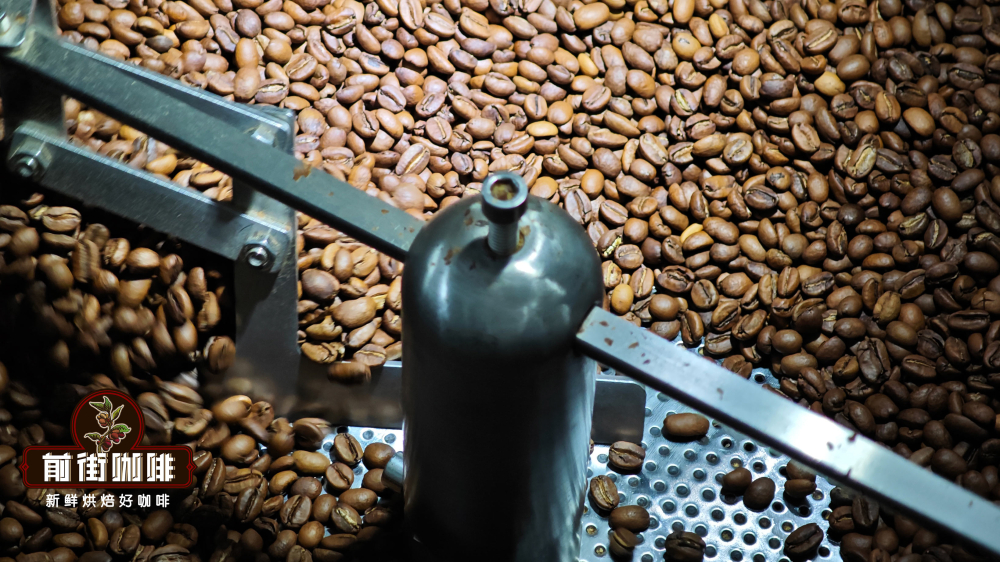
It’s important to note that the relationship between acidity and roast level isn’t absolute—it’s closely tied to the origin characteristics of the beans and the roast profile. Skilled roasters adjust time and temperature based on the beans’ inherent flavors to achieve the best possible expression.
What Roast Level is Best for SOE Coffee?
SOE (Single Origin Espresso, or single-origin espresso) emphasizes showcasing the unique flavors of a specific origin, rather than achieving balance through blending. Compared to traditional espresso blends, SOE highlights the distinct traits of a single origin—such as the floral-fruity notes of African beans or the nutty-chocolate tones of Central and South American beans.
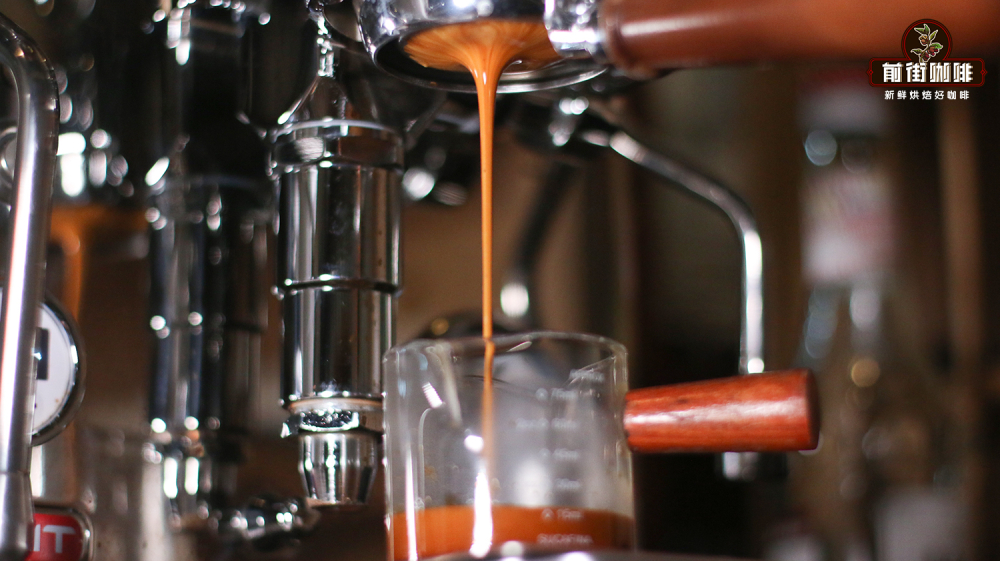
However, due to the high-pressure extraction characteristics of espresso machines, overly bright acidity or delicate floral notes can become sharp and intense in espresso form. As a result, roasters often opt formedium roastto retain sufficient flavor complexity while avoiding excessive harshness. Additionally, extraction parameters such as water temperature, grind size, and brew ratio must be precisely adjusted to fully unlock the potential of SOE.
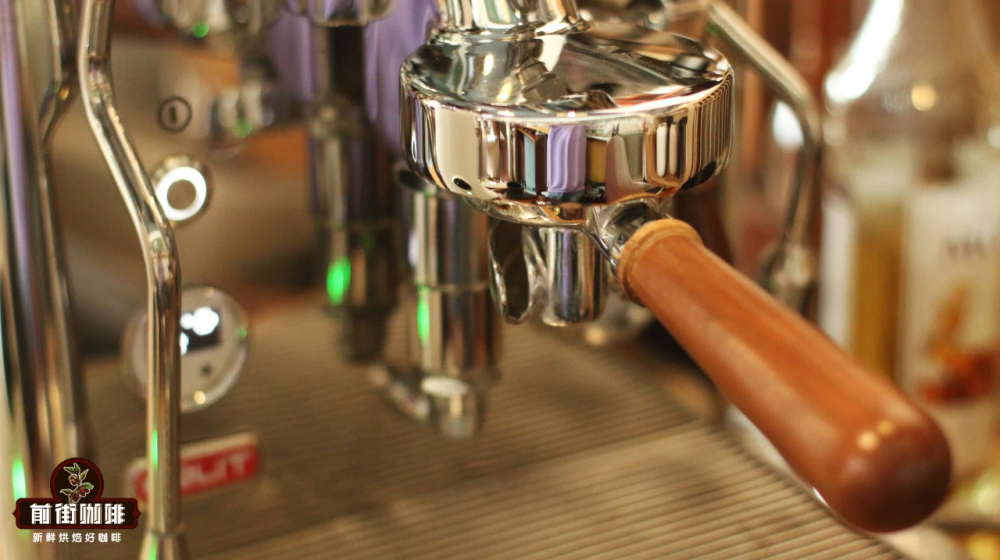 Recommended Four SOE-Friendly Coffee Beans
To help SOE perform at its best, the following four beans—each with distinct flavor profiles—have been tested in practice and are recommended for espresso brewing:
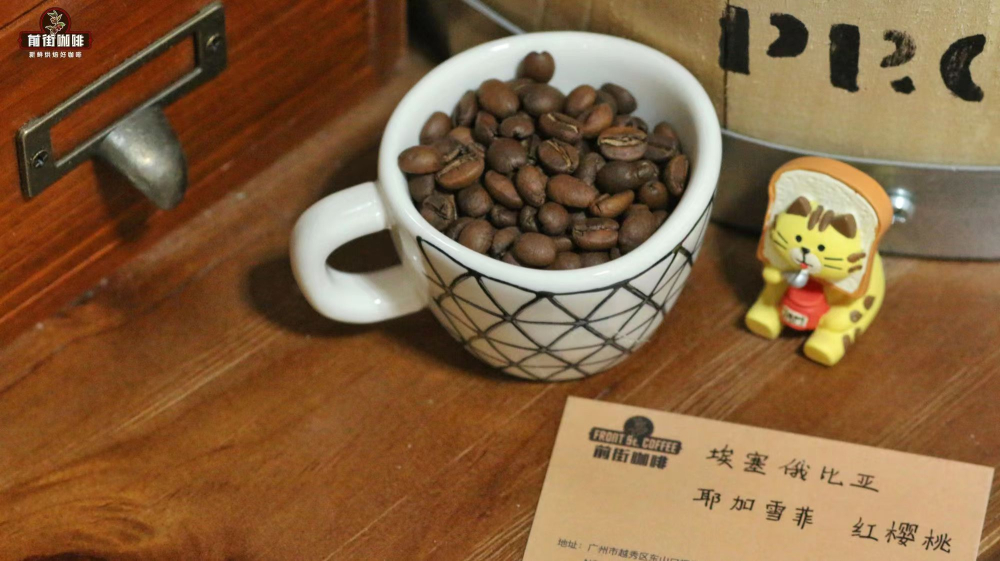 Sun-Dried Red Cherry Coffee Beans(Yirgacheffe): This sun-dried bean boasts rich sweetness and intense berry aromas. When ground appropriately for espresso machines, it yields delicate crema and a balanced sweet-tart profile, taking on honey-like sweetness when milk is added.
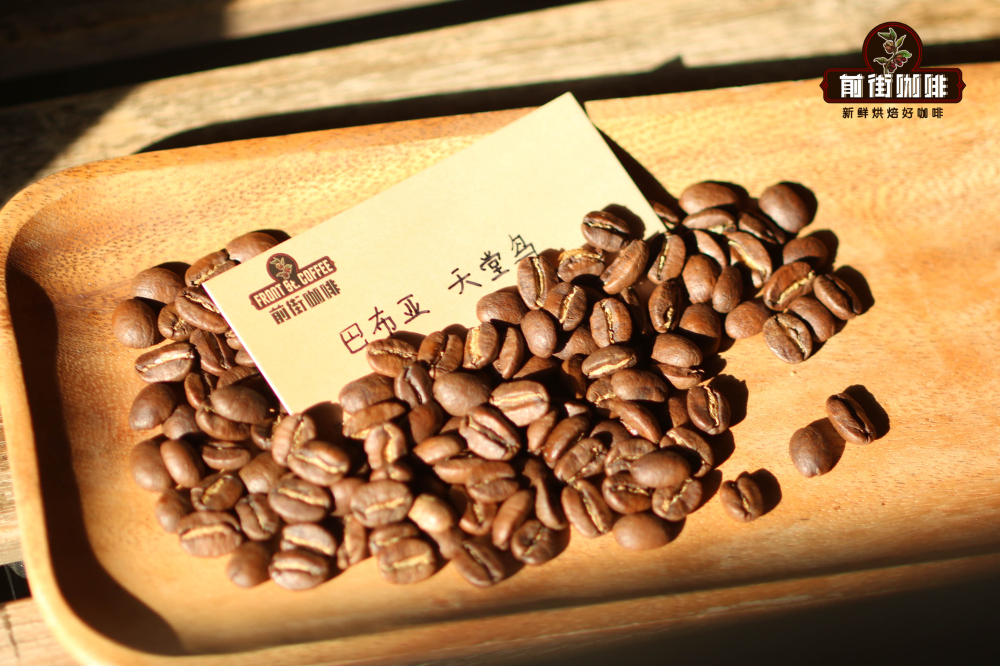 Papua Paradise Bird Coffee Beans: Known as the “Little Blue Mountain,” its washed process offers a nutty and malty foundation. As an SOE, it presents hazelnut, chocolate, and sugarcane sweetness, with a balanced and layered mouthfeel.
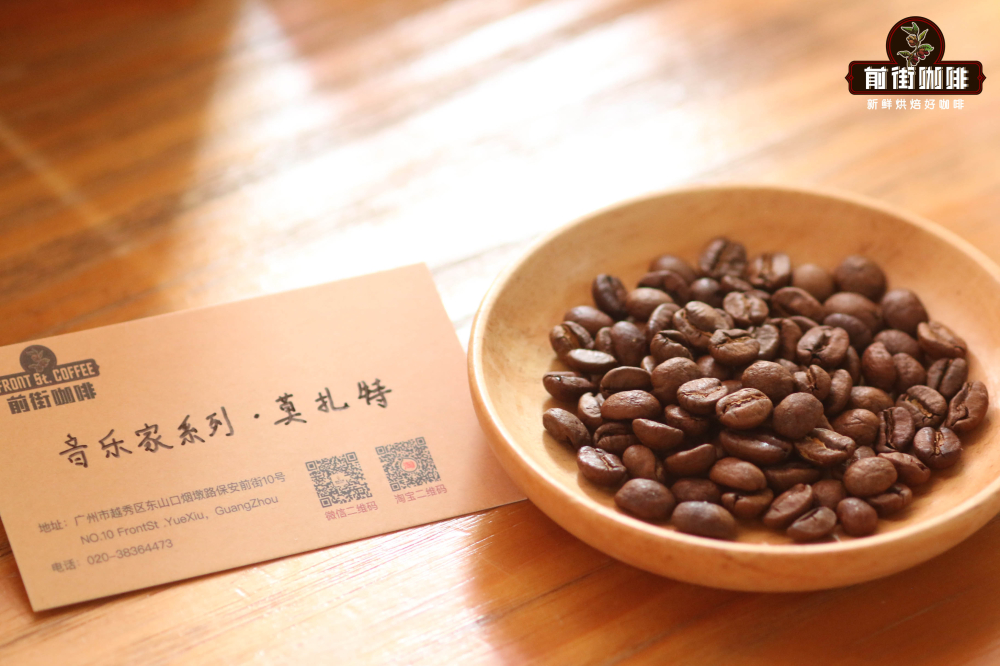 Costa Rica Mozart Coffee Beans: The raisin honey process preserves mucilage fermentation, delivering intense tropical fruit and fermented aromas—perfect for those who love complex fruitiness and wine-like notes, especially outstanding as an SOE.
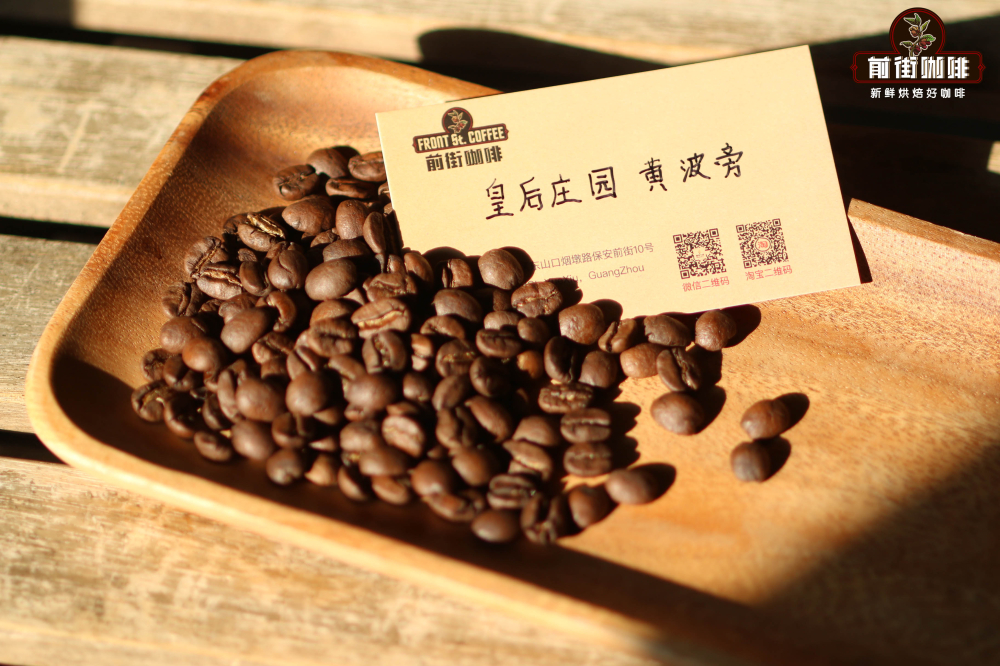 Brazilian Queen Estate Yellow Bourbon Coffee Beans: Medium-dark roasting imparts nutty, buttery, and peanut aromas, with a lingering chocolatey sweetness in the aftertaste. Whether as a single origin or in a milk drink, it delivers a stable and pleasing flavor profile.
The above content is compiled by CoffeeHunters, a coffee news website.

