







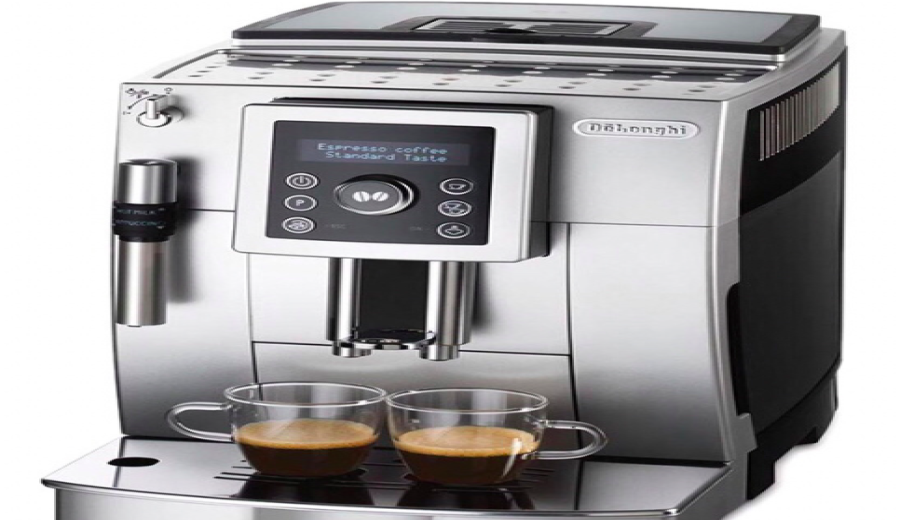
Introduction:Fully automatic coffee machines are beloved by home users for their ease of use—just one touch completes the process from grinding to extraction. However, to brew coffee with outstanding flavor, selecting the right beans and mastering basic settings are especially crucial. This article introduces the types of fully automatic coffee machines, their operation procedures, and recommends 8 specialty coffee beans ideal for home use, helping you brew your ideal cup of rich, aromatic coffee.
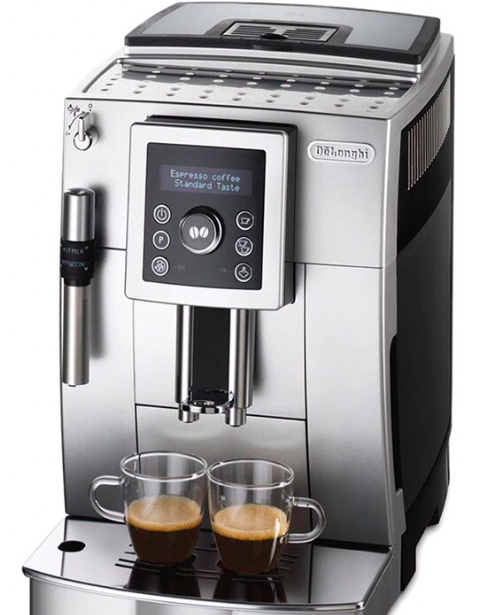
When making coffee at home, the common choices are semi-automatic and fully automatic coffee machines. Semi-automatic machines require you to manually control grind size, tamp pressure, and extraction time, making them more challenging to operate. In contrast, fully automatic machines integrate grinding, tamping, and extraction functions—users simply select the drink type and press a button to enjoy a cup. Therefore, choosing high-quality coffee beans becomes an essential factor influencing the flavor of your coffee.
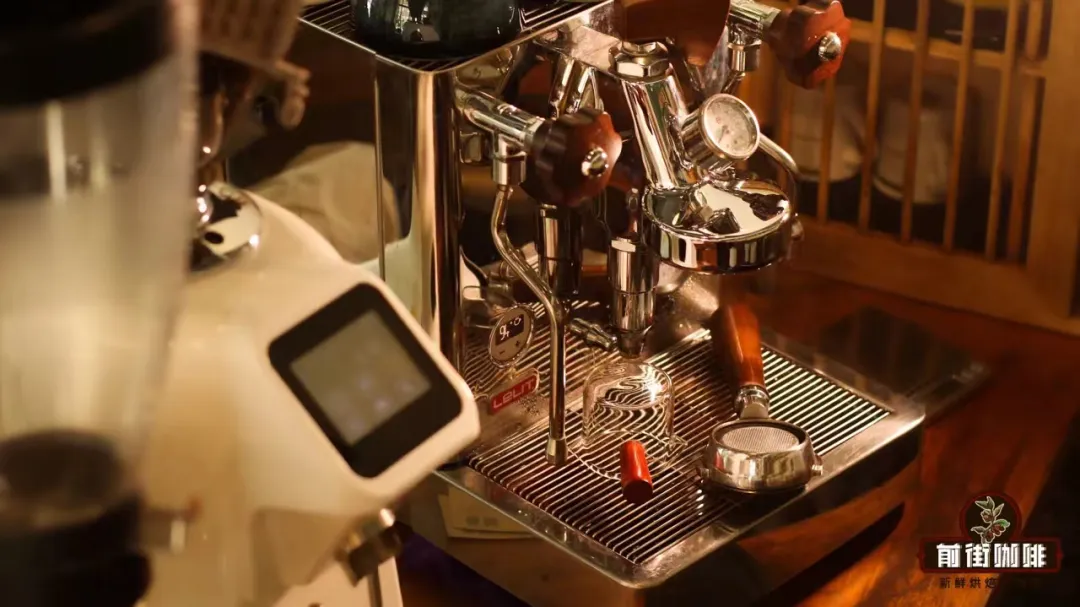
Currently, the so-called “all-in-one coffee machines” or “capsule coffee machines” commonly seen on the market are also considered broadly as fully automatic coffee machines. However, they use pre-ground coffee powder or capsules, not freshly ground beans. If you want to fully experience the original flavors of coffee beans, it’s recommended to opt for a fully automatic machine that uses freshly ground beans.
Before operating a fully automatic coffee machine, it’s advisable to perform cleaning and preparation tasks. Regularly cleaning the water tank, coffee grounds container, and brewing head can effectively prevent residual impurities from affecting the taste of the coffee. Additionally, it’s recommended to use coffee beans roasted within 45 days to achieve the best flavor performance. Freshly roasted beans not only have a richer aroma but also showcase more complex layers of flavor.
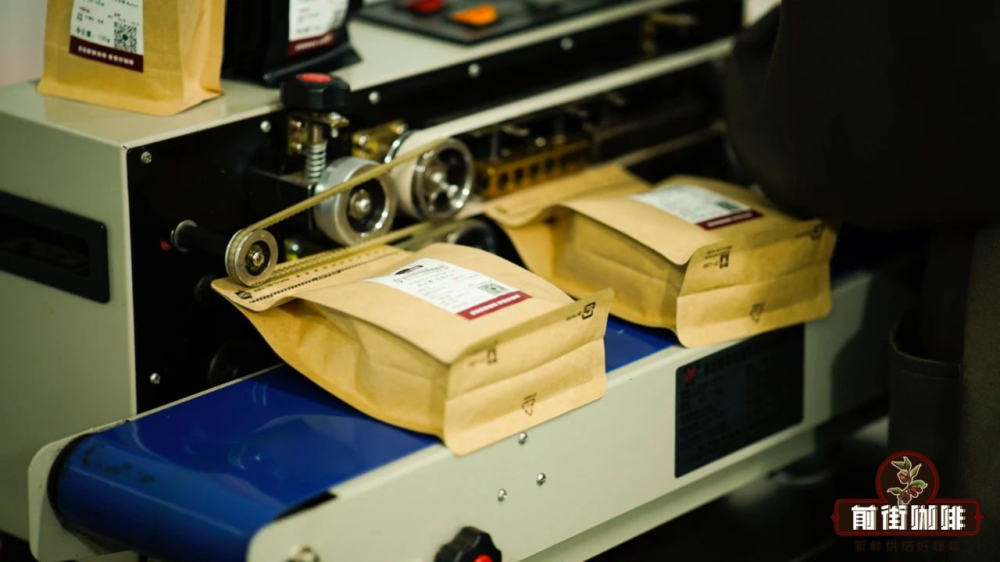
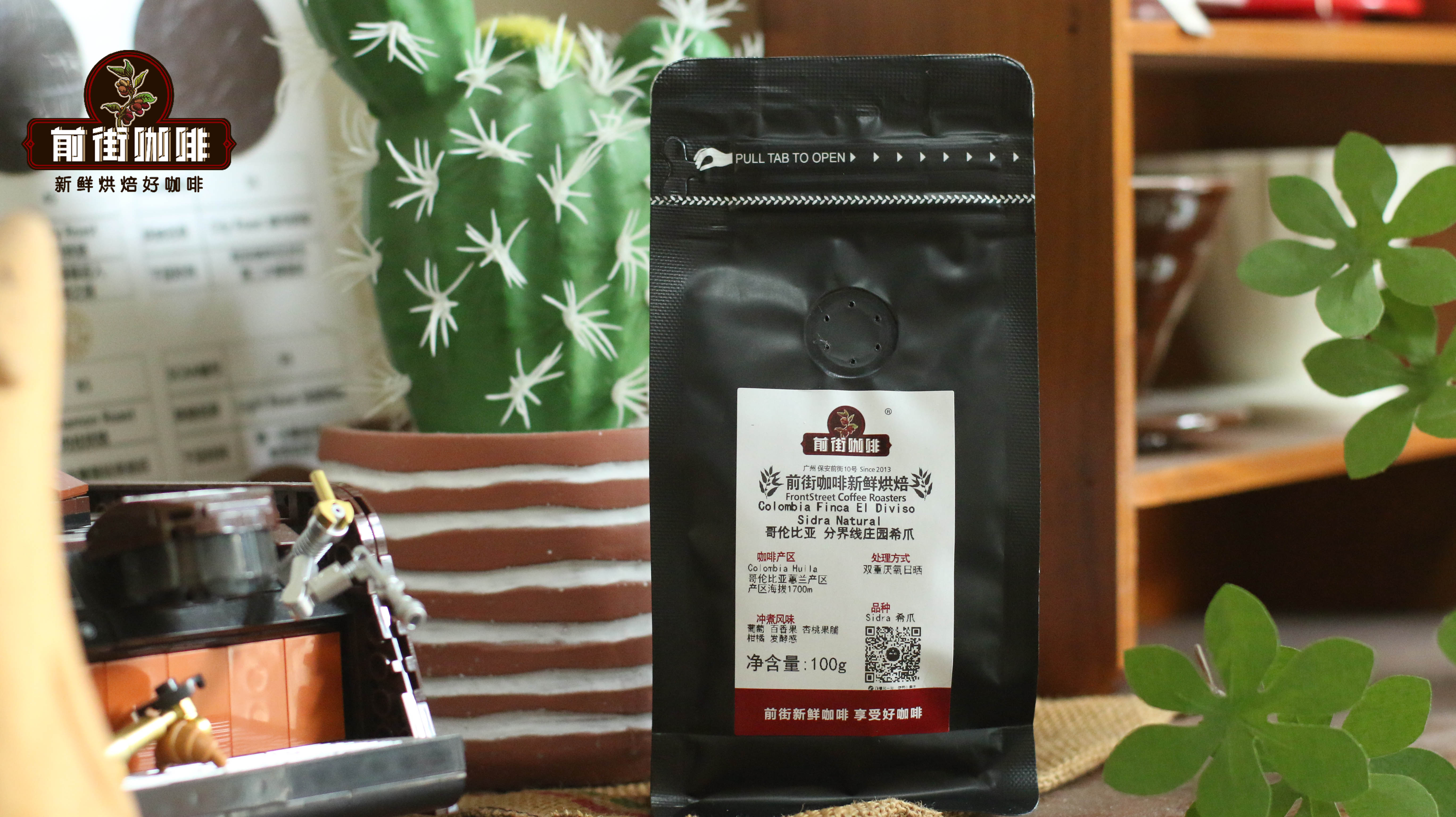
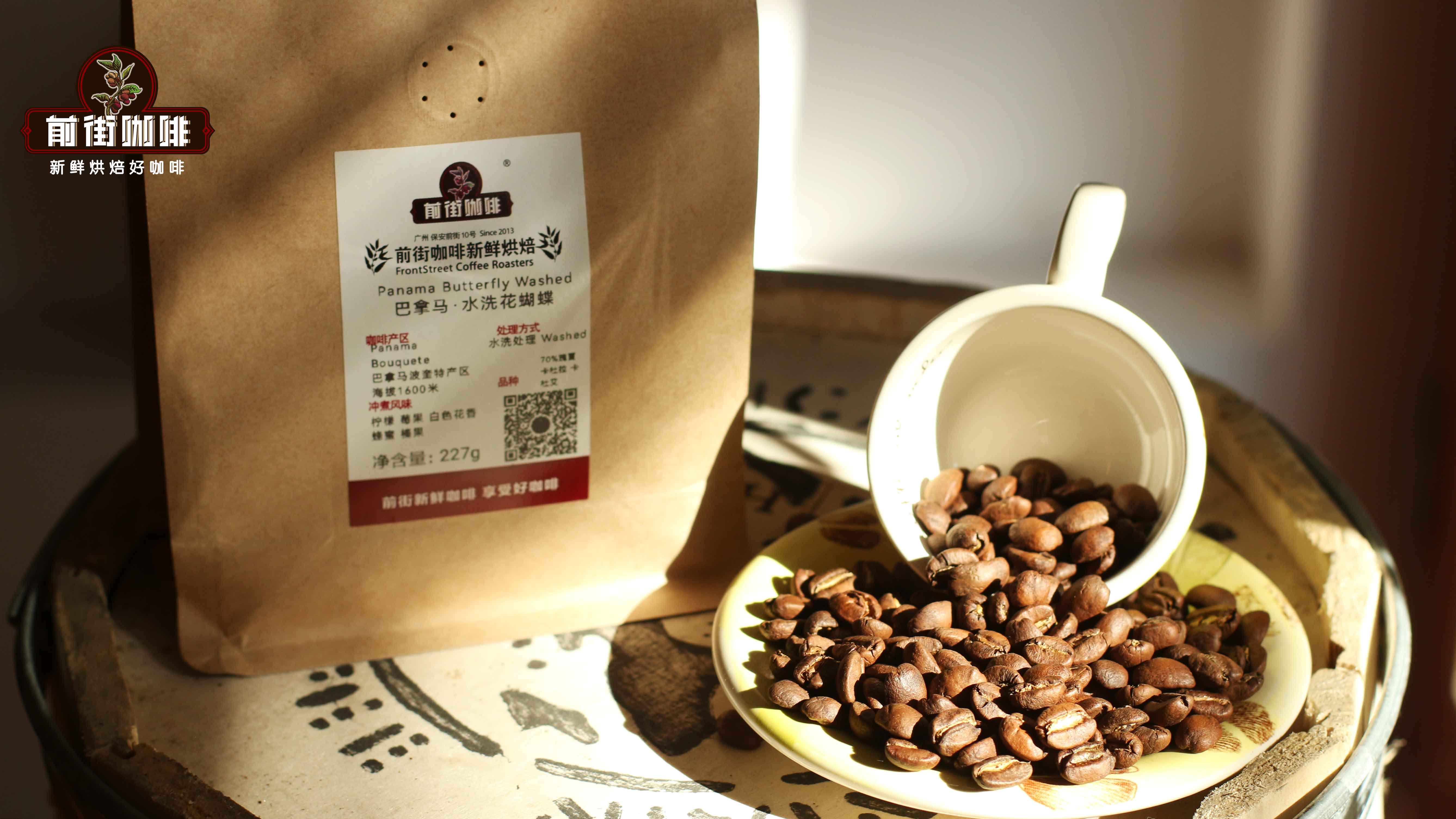
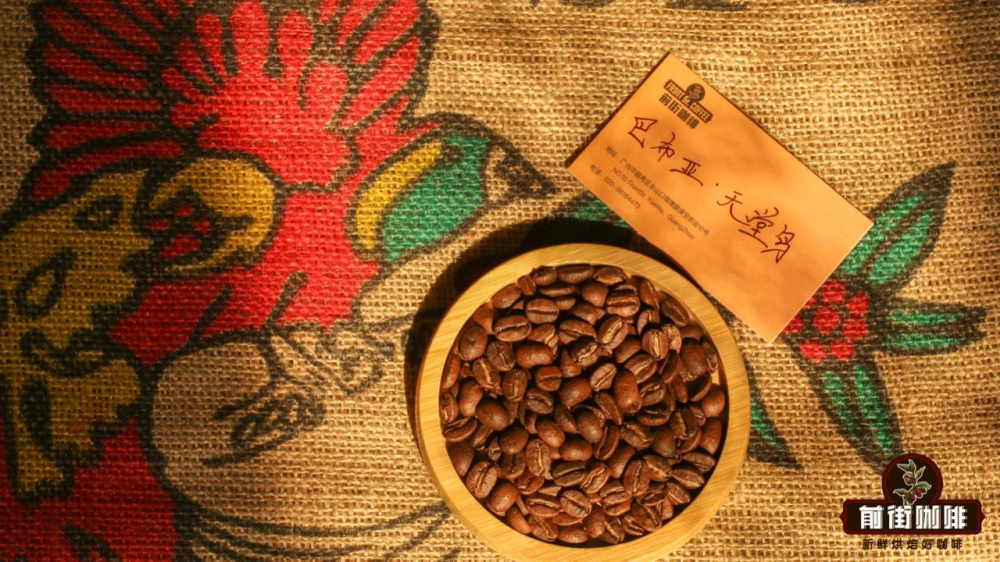
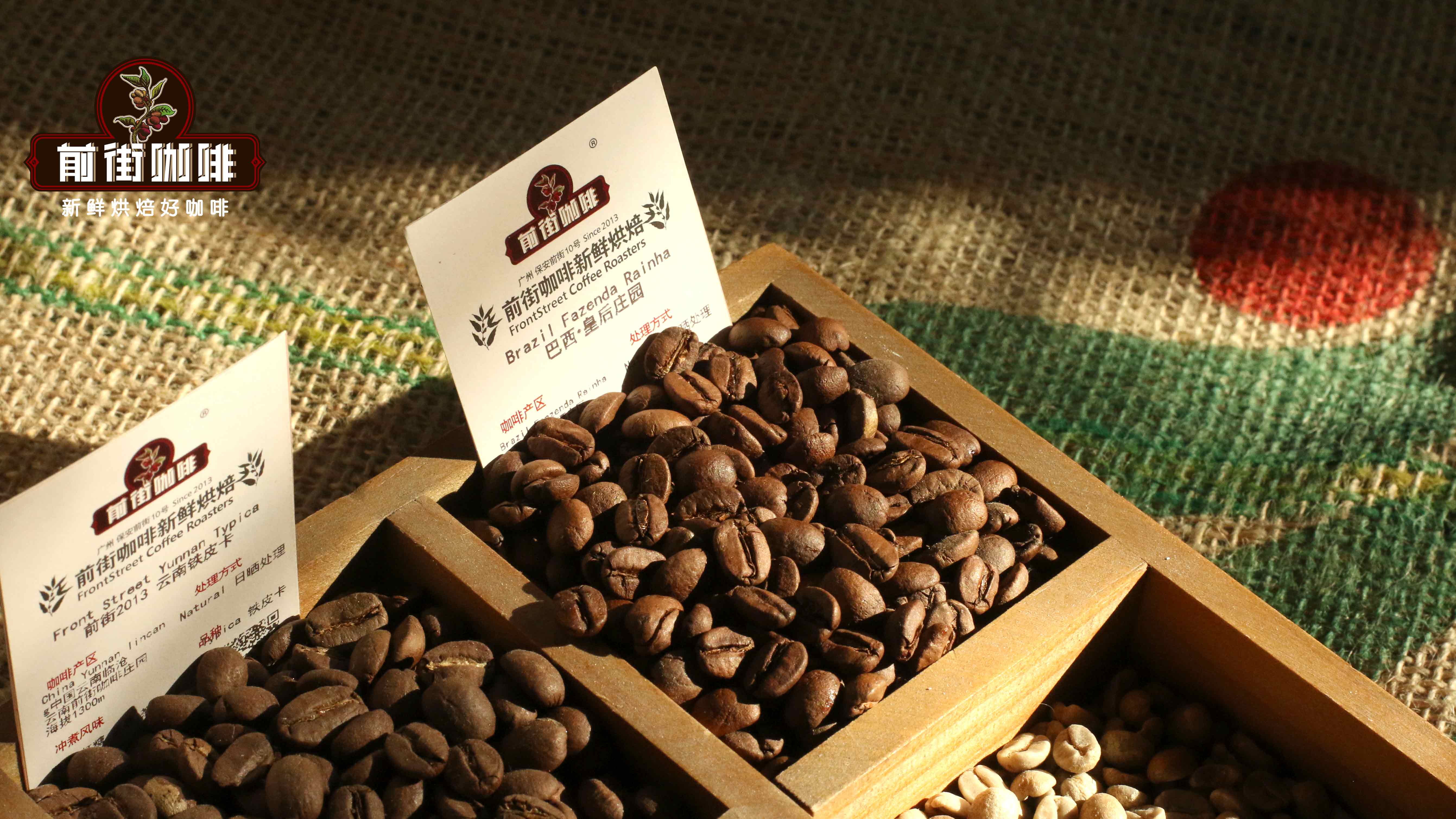
Next, we introduce 8 specialty coffee beans suitable for use with fully automatic coffee machines. These beans each have unique characteristics, allowing you to choose based on personal taste preferences. For example, if you prefer bright fruit acidity and fruity notes, you might consider options with aromas of grape, passionfruit, and dried apricot. If you lean toward bold, low-acidity beans with pronounced sweetness, there are also choices offering flavors like sweet orange and strawberry gummy.
 、
 、
 、
 、
 、
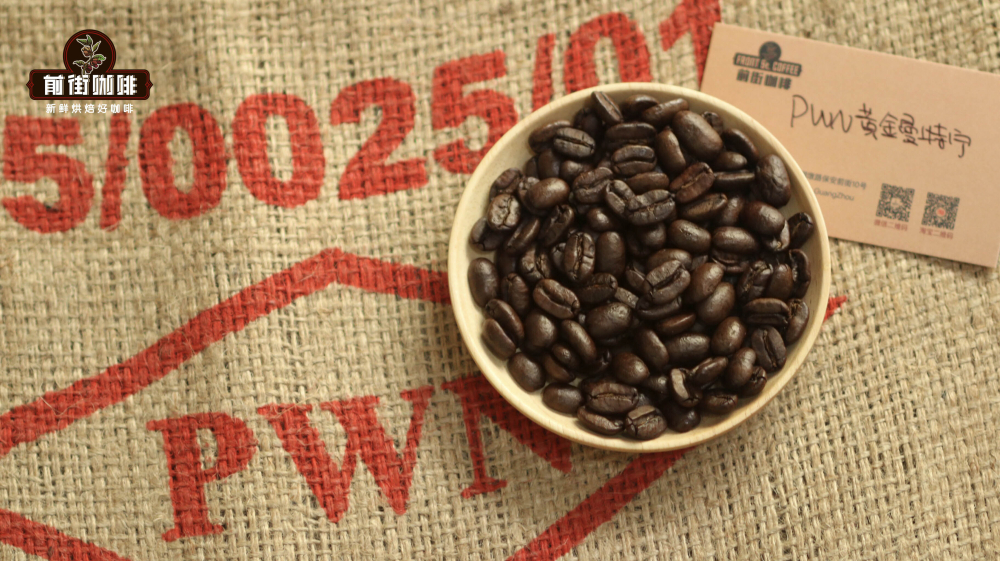 、
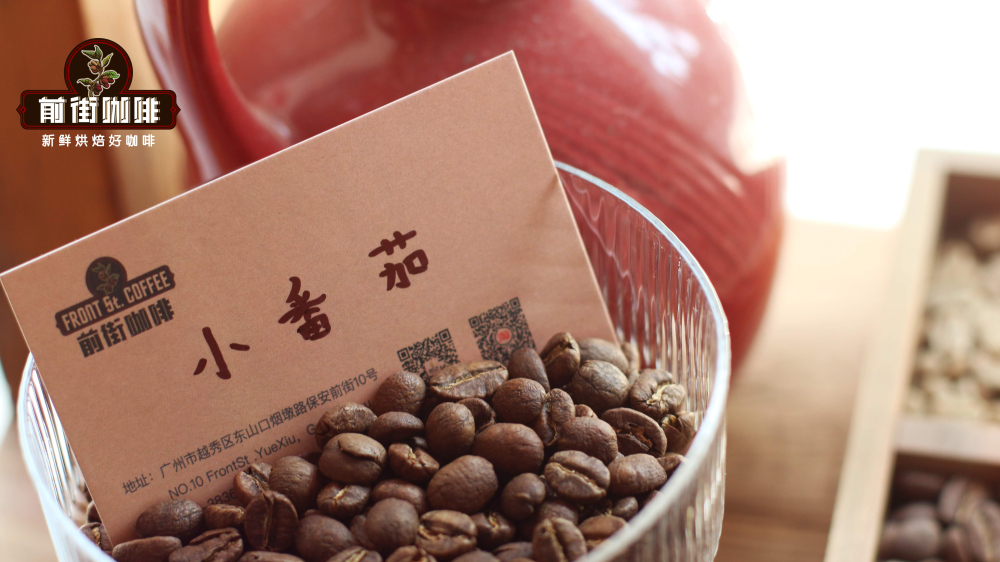 Each showcases a distinct flavor profile—from citrus, berries, nuts, chocolate to caramel—offering a wide variety to satisfy preferences ranging from refreshing to rich. Moreover, if you enjoy classic Italian-style flavors, blends combining Brazilian and Colombian beans are recommended. These offer a solid nutty base and a creamy, smooth mouthfeel, along with excellent crema performance.

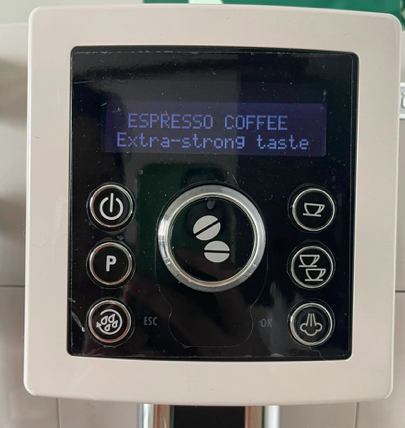
When starting to use a fully automatic coffee machine, first ensure the machine is connected to power and check that the voltage matches the model specifications. Upon startup, the machine typically performs a self-check procedure to ensure all components are functioning properly. Through the touch panel or knobs, you can set the coffee strength, cup size, water temperature, and double-cup mode according to your needs. Some models also offer advanced features for customizing grind coarseness and extraction time. It’s recommended to start with the preset values for first-time use, then gradually adjust to your personal preferences.
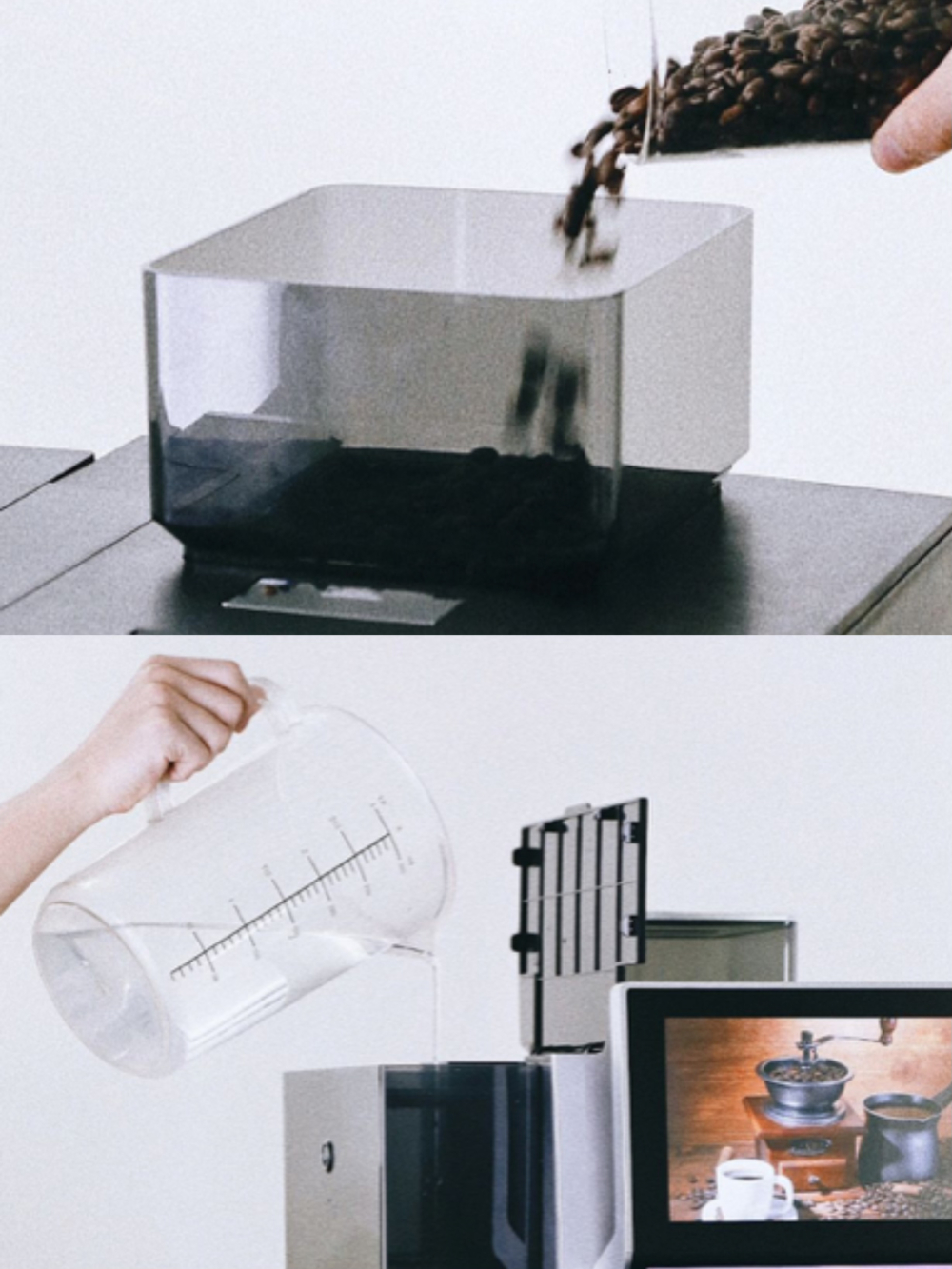
In terms of adding materials, first open the bean hopper and pour in clean, dry coffee beans. It’s recommended to fill the hopper to about three-quarters full, roughly 300 to 400 grams, which helps maintain the freshness of the beans and the smoothness of the grind. Next, open the water tank lid and fill it with water up to the maximum water level line. It’s recommended to use filtered or soft water to reduce scale buildup and extend the machine’s lifespan. The water level is usually advised to be filled to around 75% to maintain stable extraction pressure.
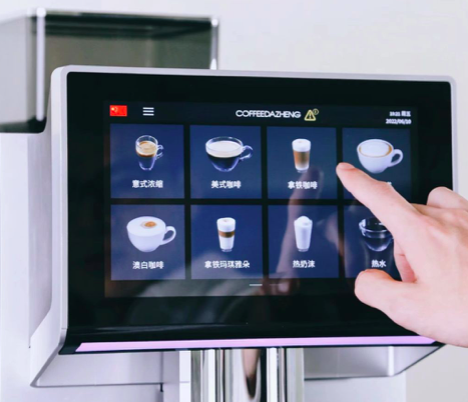
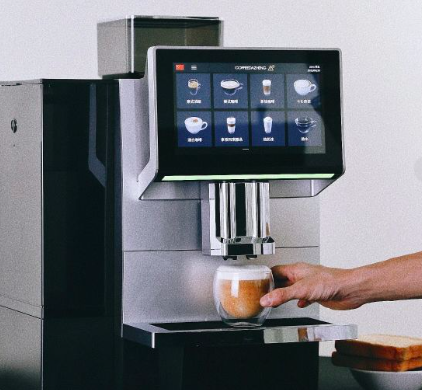
After completing the above preparations, you can begin making coffee. Use the control panel to select your desired drink type, such as Americano, espresso, or latte. The machine will automatically carry out the processes of grinding, tamping, heating, and extraction without manual intervention. During the brewing process, you can observe whether the machine is functioning normally—for instance, listening for steady grinding sounds or checking for any unusual vibrations. Once the coffee is ready, the machine will usually emit a sound or light notification, at which point you can pour the coffee and add sugar or milk to taste as preferred.
 、
In summary, although using a fully automatic coffee machine has a low barrier to entry, selecting the right coffee beans, performing regular cleaning, and making appropriate settings remain key factors influencing the final flavor of the coffee. As long as you master the basics, even beginners can easily enjoy a professional-grade coffee experience at home.
The above content is compiled by CoffeeHunters, a coffee news website.

