







Introduction:Do you know about those mysterious Ethiopian coffee varieties named with numbers, such as 74110 and 74158? They aren’t just random codes — they are elite strains originating from an anti-disease breeding program in the 1970s. This article will take an in-depth look at the origins of these “number beans,” their practical use in the Sidamo region, as well as brewing recommendations and flavor profiles for the Santa Vini 74158 coffee beans using the pour over method, bringing you a comprehensive understanding from variety background to brewing practice.
Among the many coffee varieties, some names don’t sound very approachable or are even confusing — for example, those alphanumeric codes or purely numeric variety designations. Kenya’s SL28 and SL34, or Costa Rica’s H1 and F1 fall into this category, but in Ethiopia, the number series starting with 7 are truly unique. So, what stories lie behind these numbers?
In fact, these so-called “number beans” stem from the diversity of Ethiopia’s coffee germplasm. As the birthplace of coffee, the country is home to tens of thousands of native coffee varieties, most of which have not yet been officially named. Due to their sheer number, identifying each one individually is time-consuming and labor-intensive, so the local government has collectively referred to these unclassified varieties as “heirlooms” (Heirloom) for easier management and protection.
However, protection is only part of the reason. Another more practical consideration is preventing the outflow of genetic resources. Just like the controversy surrounding the famous Geisha variety, these precious genetic materials have also become highly sought after in the international market. It is against this backdrop that the outbreak of Coffee Berry Disease (CBD) in the 1970s accelerated the process of variety selection.
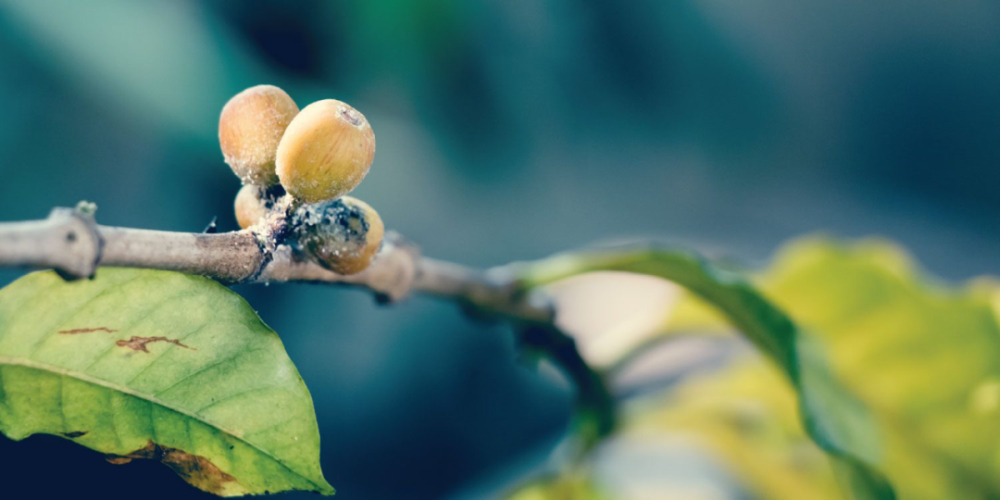
Faced with this disease, which turns coffee cherries black, causes them to drop, and severely impacts yield, many farmers turned to pesticides, but with limited effectiveness and no long-term solution. Therefore, the Ethiopian Coffee Research Center (JARC) began collecting varieties from 15 regions starting in 1973, gathering a total of 639 samples by 1975 for scientific identification and cultivation trials. By 1978, 13 outstanding varieties were selected from these, all demonstrating resistance to CBD, as well as high yield, drought tolerance, and good flavor characteristics.
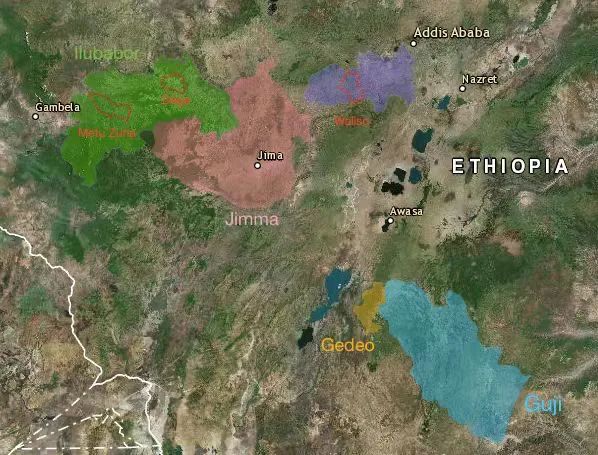
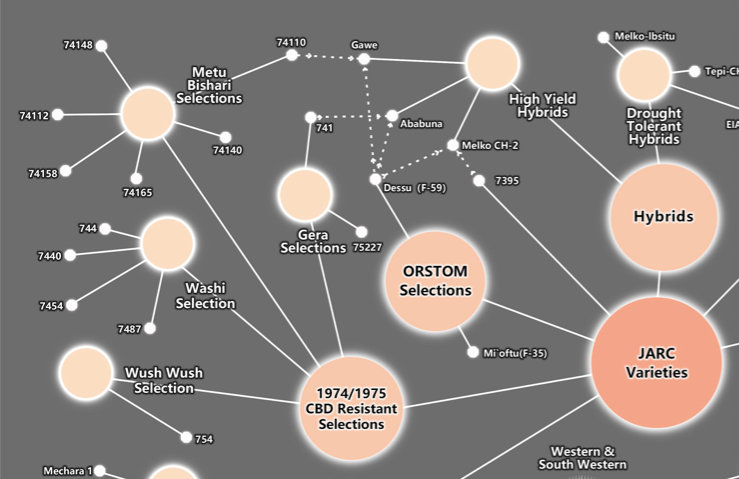
These 13 varieties were categorized as “1974/1975 CBD-Resistant Selections,” including the 74110 and 74158 we are discussing today. The “74” or “75” in their names represents the year of discovery, while the following numbers are their individual codes. Examples include 741 and 75227 from the Gera region, 74110, 74112, 74140, 74148, 74158, 74165 from Metu-Bishari, 744, 7440, 7454, 7487 from Washi, and 754 from Wush Wush — all outstanding breeding achievements from that time.
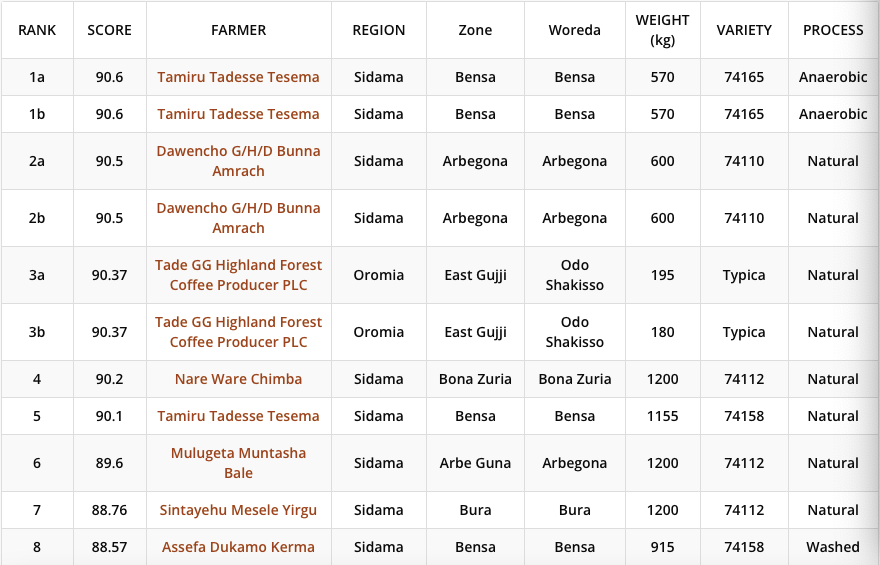
For many years, these varieties were mainly cultivated within Ethiopia until they gradually gained international attention in recent years through competitions like the Cup of Excellence (CoE). In one CoE competition, seven out of the top ten winning beans were from this series of numbered varieties, instantly propelling the 74 series to fame and making them sought-after by coffee enthusiasts and professionals worldwide.
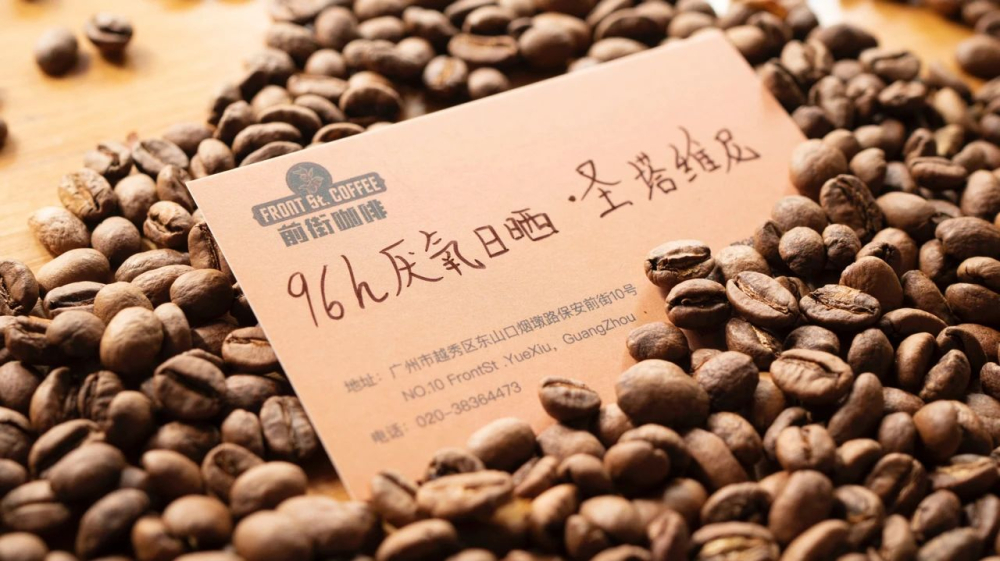
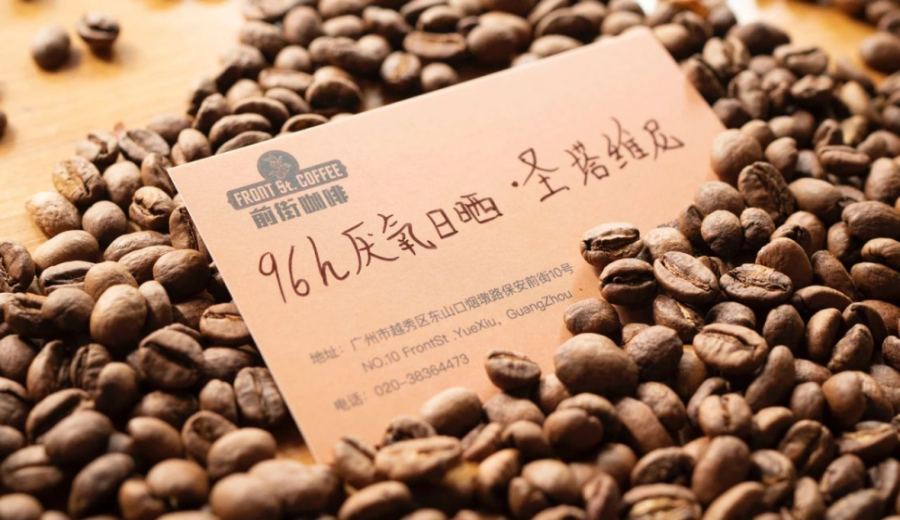
One particularly representative example is the 74158 variety from the Santa Vini washing station in Ethiopia’s Sidamo region. These beans undergo 96-hour anaerobic natural processing, showcasing rich floral aromas and fruity acidity, making them ideal for appreciation via the pour over method. It is recommended to use a medium-fine grind (approximately 80% passing through a Chinese standard No. 20 sieve), with 15 grams of coffee grounds and a brew ratio of 1:15 to 1:16. Water temperature should be controlled between 92°C and 93°C to fully release its flavor layers.
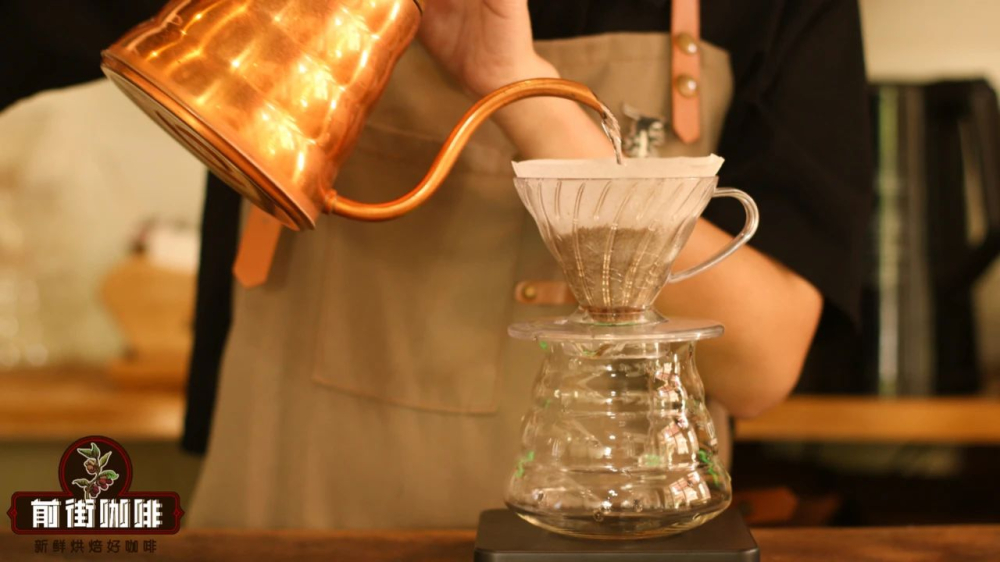
During actual brewing, a three-stage pouring method can be employed: start with a bloom using twice the amount of coffee grounds’ weight in water (about 30 grams) for 30 seconds, then pour in small circles from the center outward until reaching 125 grams and pause briefly. Once the water level in the filter drops halfway, continue pouring to 225 grams, with a total extraction time of around 2 minutes. These parameters help balance sweetness, acidity, and aroma, avoiding over-extraction or thinness.
According to actual tasting feedback, this 74158 coffee offers notes of dried mango, strawberry, and guava upon entry, along with a black tea-like finish. The sweetness is pronounced and the aftertaste is clean. Even as the coffee cools, the fruit flavors remain vivid, with almost no bitterness perceived. Overall, it’s a very likable variety and a must-try for pour over lovers who enjoy fruity acidity and floral notes.

The above content is compiled by CoffeeHunters, a coffee news website.

