








Introduction:Are freshly roasted coffee beans always lacking in flavor? This is actually because coffee beans need to go through a "resting" and "degassing" process before they can reveal their optimal flavors. This article explains in detail how long different roast levels of coffee beans should rest—including medium-light, medium-dark, and espresso beans—along with practical degassing steps and emergency brewing tips for under-rested beans to help you achieve stable and rich coffee flavors in every brew.
Many coffee enthusiasts have had similar experiences: they eagerly brew freshly bought roasted coffee beans at home, only to find the flavor lackluster, even with noticeable off-notes and harshness. Yet when they brew again a few days later, the coffee turns out surprisingly good. This is actually the result of the coffee beans undergoing the “resting” process.
Freshly roasted coffee beans produce a large amount of carbon dioxide during the high-temperature roasting process. If these gases are not fully released, they can severely impact extraction stability and flavor expression.Image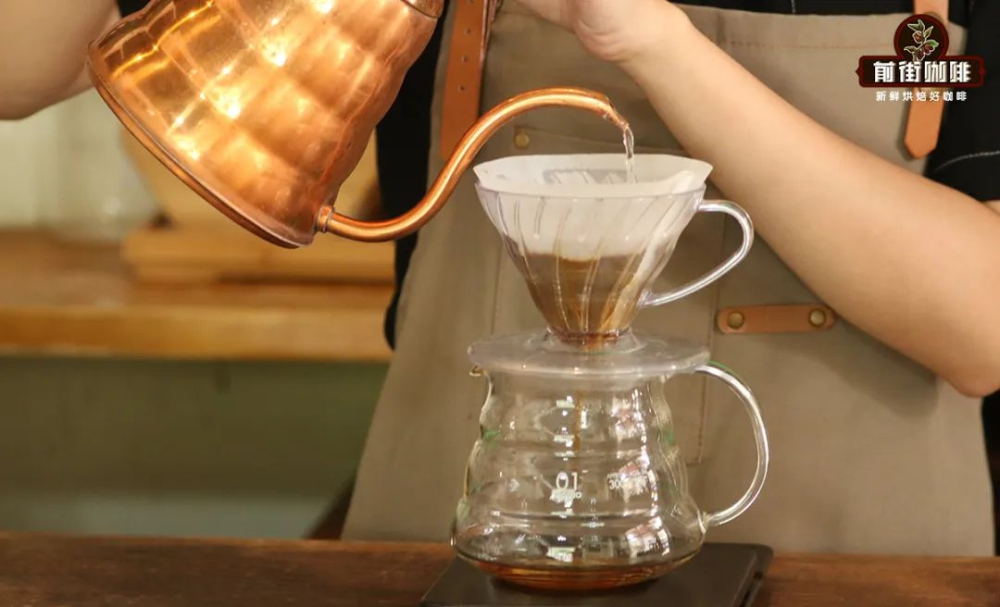 shows the initial stage of this process. Generally speaking, counting from the roast date, medium-light roasted coffee beans are recommended to rest for 4–7 days, medium-dark roasted beans for about 7–10 days, and espresso beans—which are usually roasted darker—require even more time. It is advised torest them for at least 10 daysbefore brewing.
Image shows that when using an espresso machine, if the beans are too fresh, the fine particles released during grinding will rapidly emit a large amount of carbon dioxide under high pressure and temperature, forming a golden crema. However, this also hinders even contact between hot water and coffee grounds, not only reducing extraction efficiency but also easily causing channeling, leading to uneven extraction, flavor gaps between the first and middle stages, and burnt or bitter notes in the latter part.
The "resting" of coffee beans is actually a natural degassing process. During this process, carbon dioxide inside the beans is gradually released, and at the same time, post-roast off-flavors and harshness decrease, eventually revealing the inherent layers and flavors of the beans.Image can help us understand why beans of different roast levels require varying resting times. Especially for dark roasted coffee beans, due to greater expansion after the second crack, more carbon dioxide accumulates internally—it's often possible to see coffee bags slightly bulging from gas buildup.
So, how should we properly "rest" coffee beans? The practice is actually relatively simple:There’s no need to deliberately unseal or transfer them to an airtight container, nor to refrigerate them. Simply place the original packaging in a cool, dry, and dark location. Most coffee bags come equipped with one-way degassing valves,as shown in image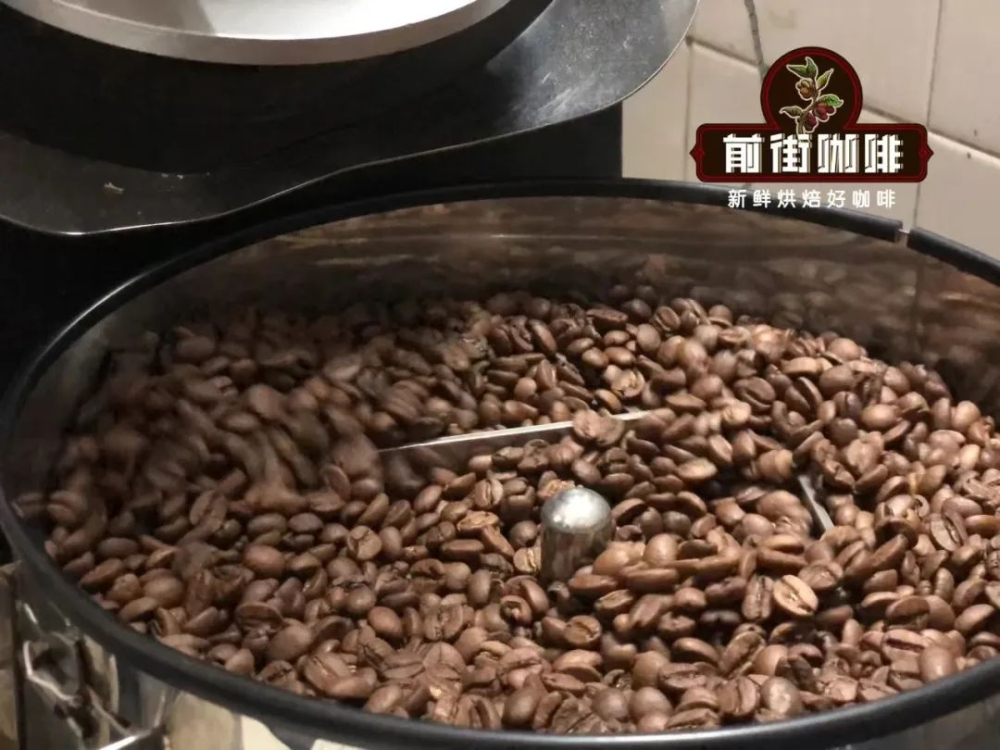 shown. As the beans release gas, the bag will naturally expand, and the degassing valve prevents the bag from bursting due to excessive internal pressure, maintaining pressure balance. Remember not to squeeze the coffee bag intentionally, as this may accelerate gas release, which is counterproductive to flavor development. Moreover, the intense aroma you smell when squeezing is actually the loss of some volatile flavor compounds.
Taking common roast levels as examples, medium-light roasted coffee beans are recommended to rest for4–7 days. This duration is usually sufficient for the beans to release excess gases while retaining rich fruit acids and aromas.Image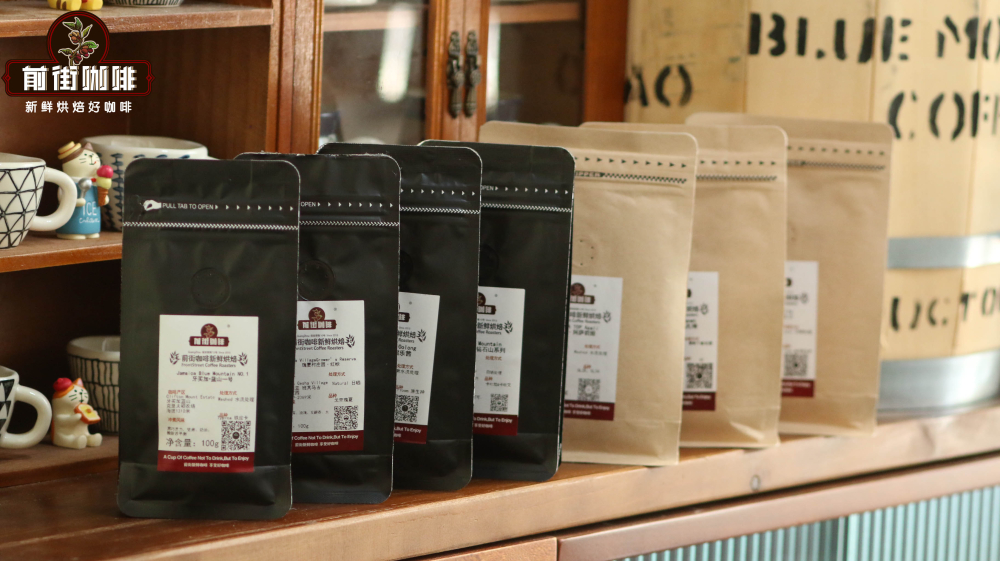 illustrates the impact of different roast levels on gas release. Medium-dark roasted coffee beans are recommended to rest for7–10 days, at which point the flavors become more stable, with a clearer balance of bitterness and sweetness. For dark roasted espresso beans, due to their longer roasting time and higher temperatures, it is advised torest them for at least 10 daysto allow the beans to enter their optimal flavor window.
Some coffee shops, in pursuit of rich and bold flavors, opt for medium to dark roasted espresso beans. These beans not only require longer resting periods but are also recommended to undergo "degassing" (or "blooming") before use. Degassing refers to opening the bag of rested beans and allowing them to sit in contact with air for several hours before extraction. This further allows residual carbon dioxide to dissipate and facilitates mild oxidation, resulting in smoother and more rounded flavors.Image illustrates the importance of this process. A degassing time of 3–4 hours is suggested, placing the beans in a cool, dry, dark, and odor-free environment. Additionally, gently shake the beans every approximately half hour to ensure even air exposure, even for beans at the bottom, thereby enhancing overall degassing effectiveness. Use the beans as soon as possible after degassing to avoid excessive exposure that could lead to aroma loss.
If you really can’t wait to try “under-rested” coffee beans, there are some emergency brewing techniques to improve extraction. First, extend the blooming time; the typical recommendation is 30 seconds, but you can extend it to 40 seconds,as shown in image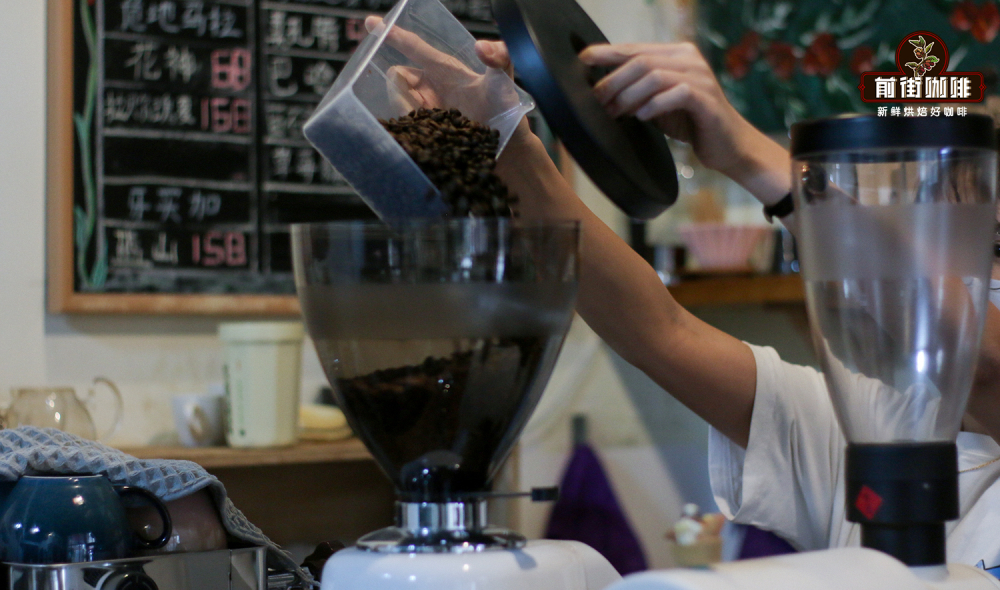 shown, giving the coffee grounds more time to release carbon dioxide. Another method is to let the ground coffee sit in the air for 1–2 minutes after grinding before brewing, increasing the surface area of the powder exposed to air, which helps gases escape more quickly. However, be aware that once ground, the rate of flavor compound evaporation accelerates, so it's best to brew as soon as possible to avoid flavor loss.
In summary, whether you’re brewing pour over or espresso, understanding and following the coffee bean resting and degassing processes are key to enhancing flavor stability and complexity.Images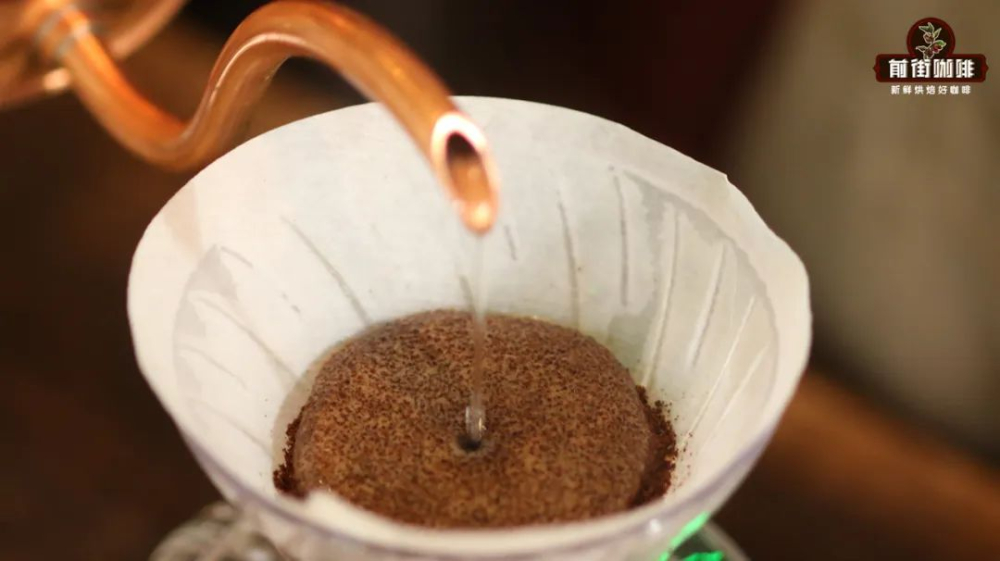 and
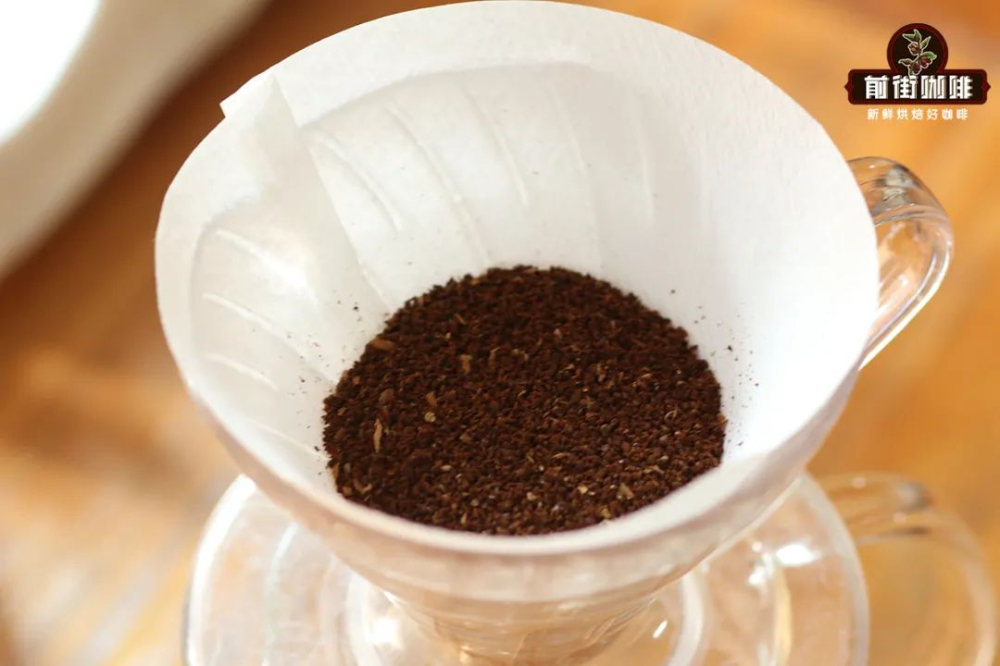 remind us that even professional baristas strictly manage this period to ensure every cup of coffee delivers its best possible flavor. By mastering the correct resting times and brewing techniques, you too can enjoy a professional-level coffee experience at home.
The above content is compiled by CoffeeHunters, a coffee news website.

