








Introduction:Many pour over coffee enthusiasts often wonder whether to choose freshly ground coffee beans or pre-ground coffee powder? This article delves into the differences between the two in terms of flavor preservation, extraction efficiency, and practical convenience, and provides guidance on the correct way to store coffee powder as well as a reference for the pour over process—helping you make the most suitable choice based on your needs.
From the perspective of coffee flavor, pre-grinding coffee beans accelerates the loss of aroma and taste. This is why many professional coffee shops, including those that prioritize quality, strongly recommend that customers grind their own beans. Especially for consumers who prefer single-origin pour over coffee, they tend to be more sensitive to flavor nuances and usually consume less coffee. Pre-ground coffee powder can easily lose its flavor noticeably before it’s finished.
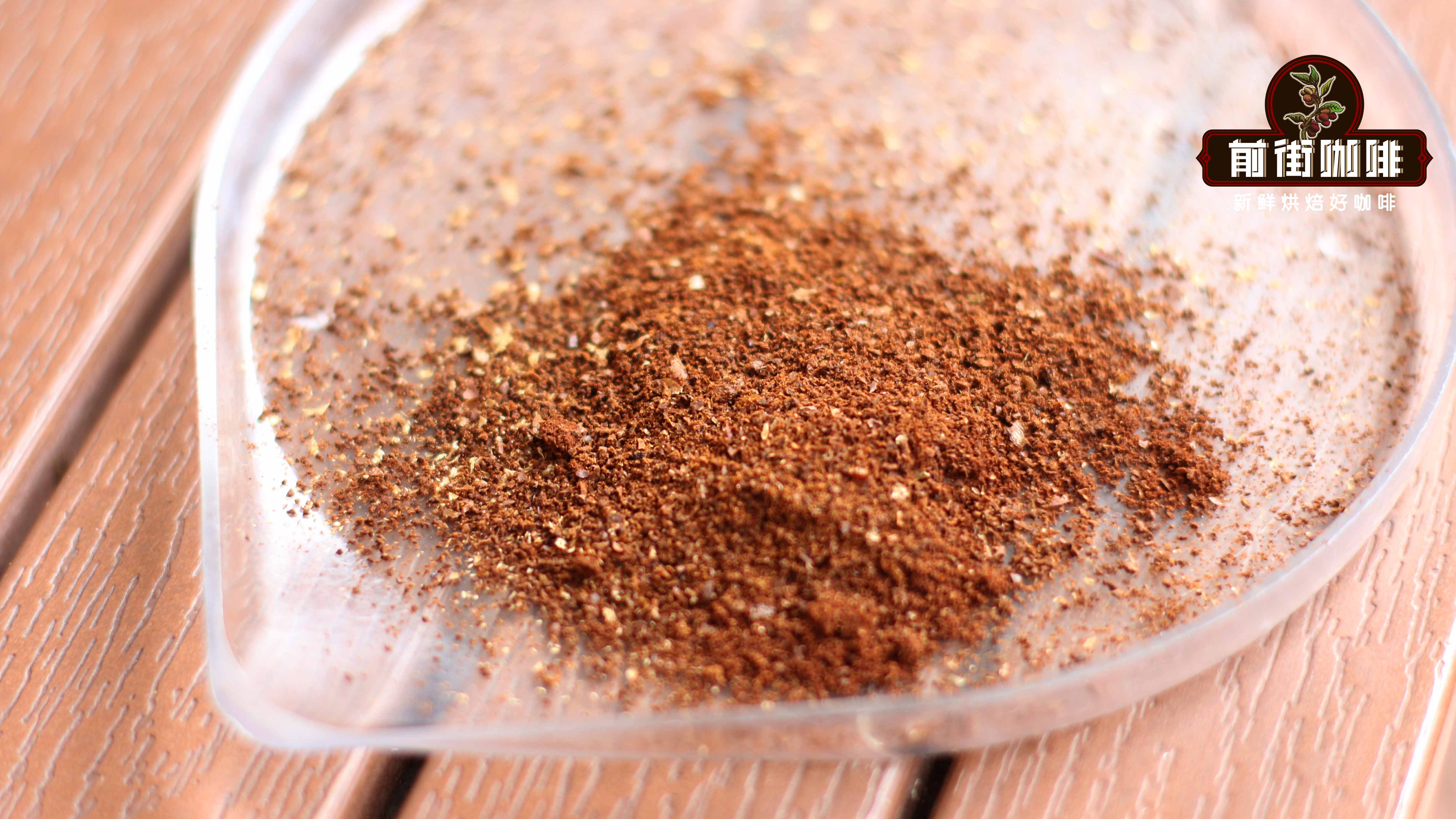
Therefore, although some coffee shops offer grinding services, most still advise customers to grind their own beans at home using their personal grinders. Seen this way, pre-ground coffee powder does indeed have a negative impact on flavor performance. However, there are exceptions: if the grinder you use performs poorly—resulting in uneven grind size or incorrect grind settings—the pre-ground coffee powder might actually perform better than what you grind yourself.
As everyone knows, grind size has a crucial impact on coffee flavor. It's not just about choosing the right coarseness, but also ensuring the uniformity of the grind—excessive fine particles being one of the main reasons for overly bitter or astringent coffee. The advantage of having coffee shops grind for you is that they can usually provide a more accurate grind size, and if the shop uses high-quality grinders, the resulting coffee powder will also be more uniform. Therefore, between freshness and grind quality, it's recommended to prioritize uniformity and precision in grinding. After all, even the freshest beans can result in undrinkable coffee if ground improperly. Of course, if you’re truly committed to achieving the best coffee flavor, investing in a high-performance grinder and grinding just before brewing remains the top choice.
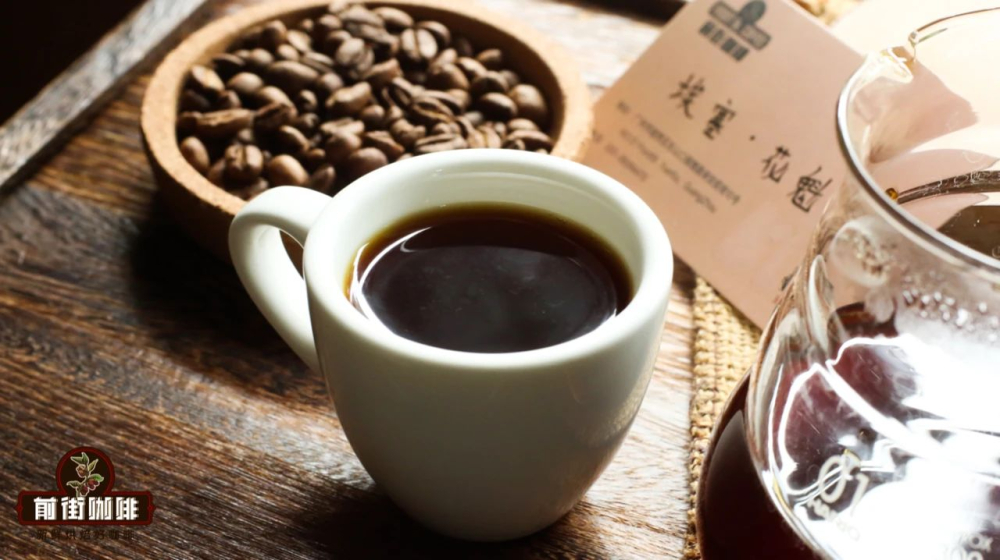
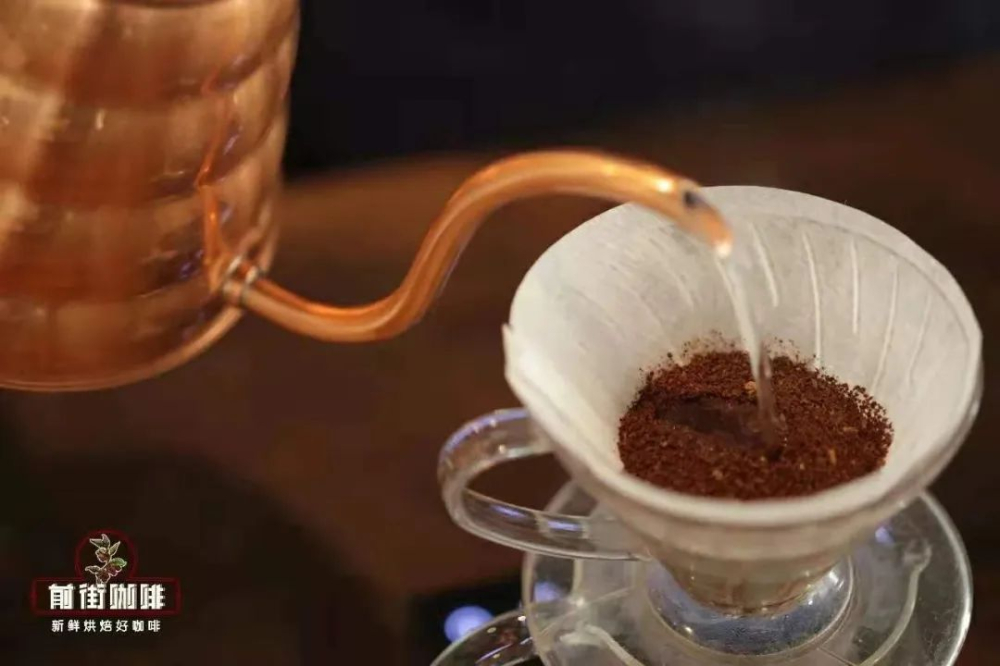
Additionally, if you use pre-ground coffee powder for pour over, you may notice that the coffee powder doesn’t expand much when water is poured in—this is actually normal. Because during the grinding process, up to 70% of the internal gases in the coffee beans can be lost, and the remaining gases are also released more quickly compared to whole beans. As a result, by the time water is added, there isn’t enough gas left inside the coffee powder to support significant expansion, so it naturally appears less “active.”
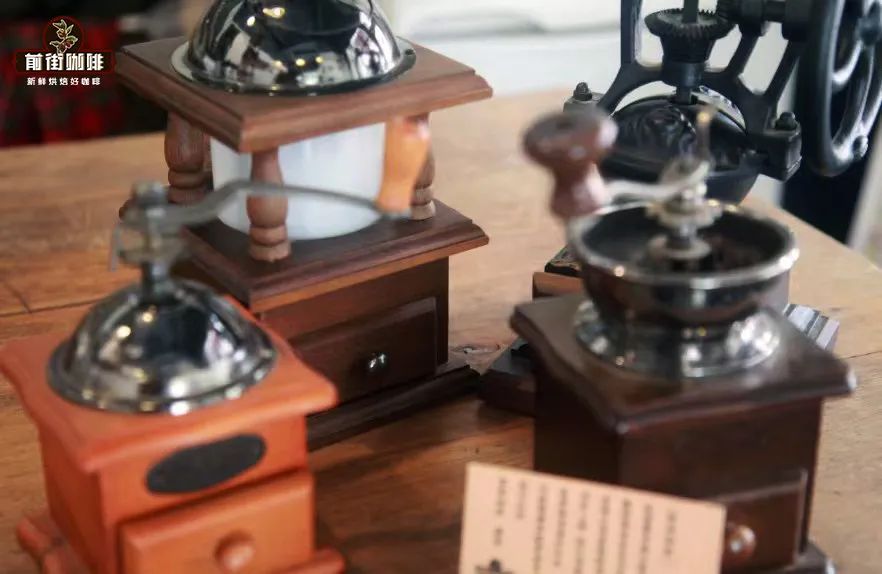
So, how should pre-ground coffee powder be properly stored to preserve its flavor? Here are several practical storage tips for reference. First, both coffee beans and coffee powder should be kept in a cool, ventilated, and dry place. Be especially careful to avoid direct sunlight, as high temperatures can significantly accelerate the loss of coffee aroma, thereby shortening its optimal shelf life. In addition, humidity in the storage environment is also extremely critical; damp spaces can foster bacteria, which could not only cause the coffee to develop a musty taste but may also pose health risks.
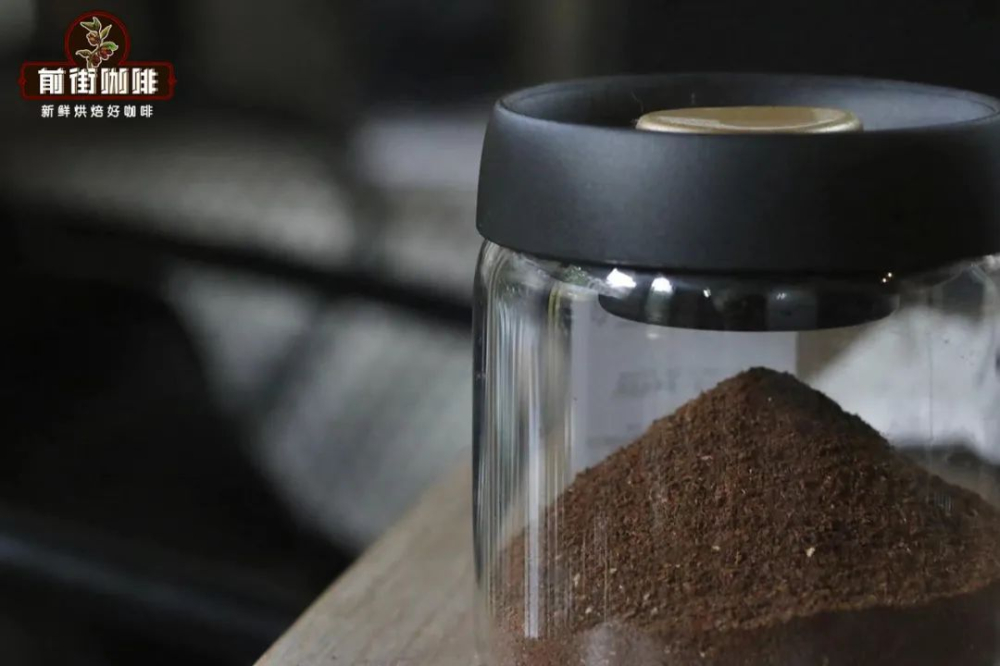
Secondly, it’s recommended to store coffee powder in a completely airtight container. For coffee beans, you can keep them in their original packaging and ensure that the one-way degassing valve is closed (if present), but for coffee powder, it’s best to use specialized airtight jars or vacuum-sealed containers, and minimize the number of times the container is opened. Every time the package is opened, oxygen from the air enters, accelerating oxidation and flavor loss. Therefore, reducing the frequency of opening is key to maintaining freshness.
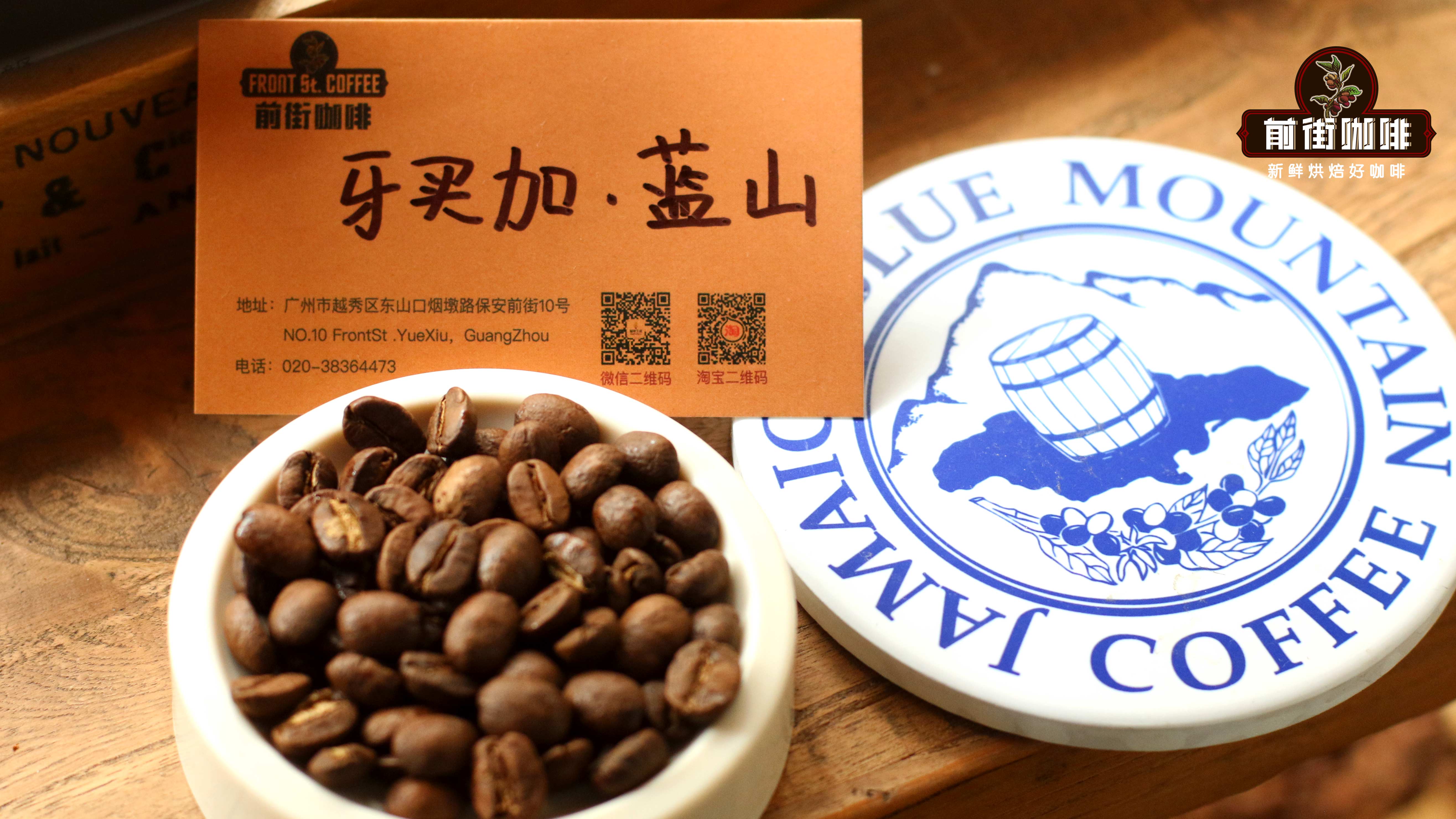
Next, if you’ve already purchased coffee powder, it’s advisable to consume it before its aroma has noticeably faded. Below is a practical pour over reference process, using a common Blue Mountain-flavored coffee powder as an example: it’s recommended to use a KONO filter cone, with water temperature controlled at 88°C, and using the classic three-stage pouring method. The coffee-to-water ratio is set at 1:15—that is, 15 grams of coffee powder to 225 milliliters of water.
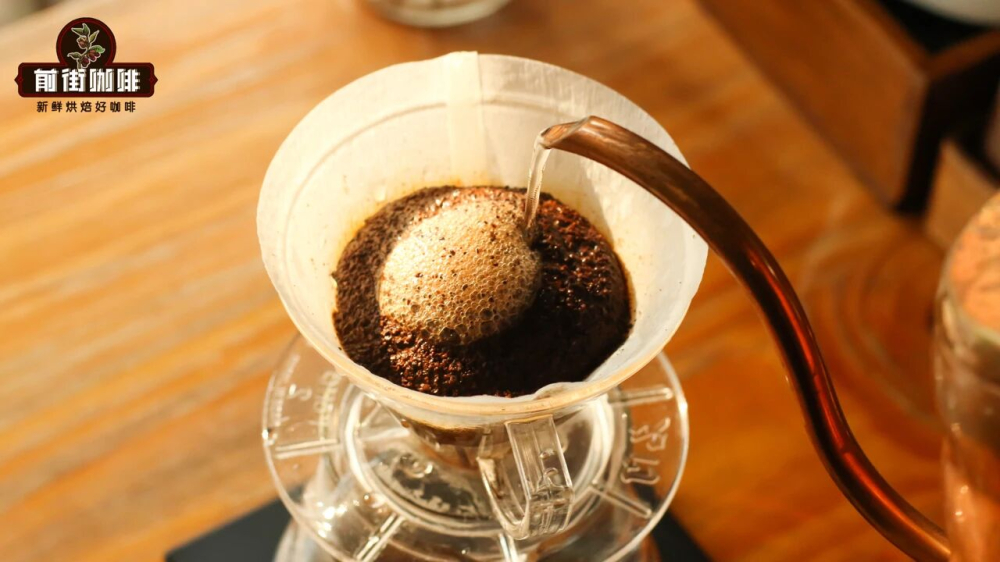
The specific steps are as follows: first, gently and evenly wet all the coffee powder with 30 grams of water, allowing the coffee bed to bloom thoroughly for about 30 seconds. This step helps release carbon dioxide and initiates the extraction process. Next, move on to the second stage of pouring: slowly pour 95 grams of water in a slow, even circular motion from the inside out until the water level in the filter cone drops to about two-thirds of the height of the coffee bed. Finally, proceed to the third stage of pouring: pour another 100 grams of water, again maintaining a small stream and steady rhythm, to complete the entire extraction. The total dripping time is approximately 2 minutes. Once done, remove the filter cone, gently swirl the coffee liquid, and it’s ready to enjoy.
The above content is compiled by CoffeeHunters, a coffee news website.

