







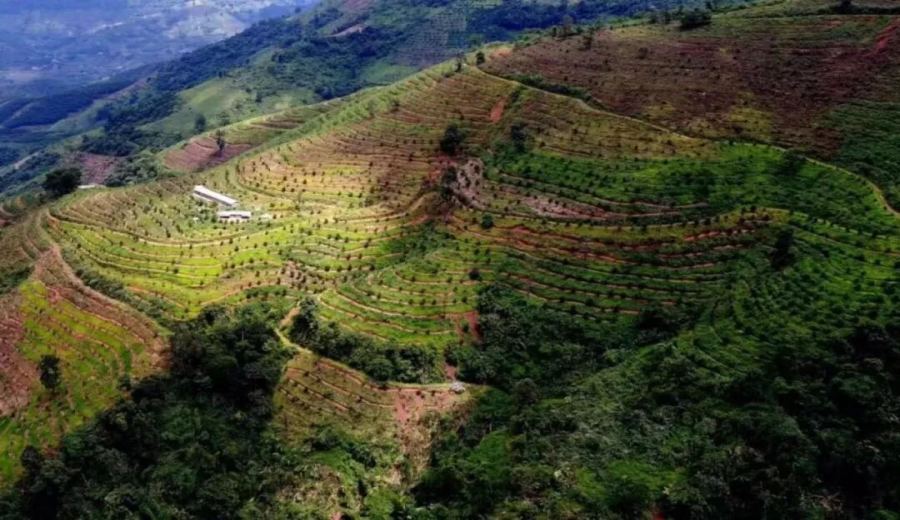
Introduction:Yunnan is China’s primary Arabica coffee-producing region, boasting a natural environment well-suited for high-quality coffee cultivation. This article delves into how Yunnan has emerged as a key hub for specialty coffee in China—exploring its historical origins, climatic and altitude conditions, mainstream coffee varieties such as Typica and Catimor, and offering practical brewing parameter suggestions to help you better understand the potential and charm of this emerging coffee origin.
In recent years, with the rise of domestic specialty coffee culture, Yunnan coffee has gradually gained attention. Compared to renowned regions like Ethiopia’s Yirgacheffe or Indonesia’s Mandheling, many coffee beginners initially encounter these more famous origins. However, Yunnan, located in China’s southwest, has quietly become an important hub for Arabica coffee cultivation, thanks to its unique geography and climate.
Coffee cultivation in China is primarily concentrated in three regions: Fujian, Hainan, and Yunnan. Among them,Yunnan is the most suitable area for growing Arabica varieties.Generally, Arabica thrives at elevations between 900 and 2000 meters, whereas Robusta performs better at altitudes between 200 and 800 meters. Since Fujian and Hainan are coastal lowland areas, with average elevations mostly below 500 meters, they are more suitable for cultivating Robusta, which is disease-resistant but offers relatively plain flavors. In contrast,Yunnan is a highland region with an average elevation of about 1000 to 2000 meters.Its cool climate and significant day-night temperature variation make it highly suitable for Arabica growth.
So, when did Yunnan begin growing coffee? Historical records indicate that as early as 1904, French missionary Father Timothée Tscherrig established the first Catholic church in Zhukula Village, Pingchuan Town, Binchuan County, present-day Dali, and planted the first coffee tree beside the church. Both the Binchuan County Annals and the History of Catholicism in Yunnan document this event, although the exact year remains debated—some suggest it might have been 1892 or 1902, but no definitive evidence has yet been found. Regardless, this coffee tree marks the historical starting point of Arabica in China.
However, commercial-scale planting did not begin until the 1950s. At that time, botanist Professor Qin Renchang from the Institute of Botany at the Chinese Academy of Sciences discovered red berries in the courtyard of a Dai ethnic village in Luxi County, Dehong Prefecture, which were identified as small-seeded coffee beans. Based on his recommendation, coffee seedlings were trialed in the Mangshi Forest Farm and the Longjiang Dam in Baoshan City, and official production began in 1955 at Longjiang Dam, marking the beginning of the New China coffee industry.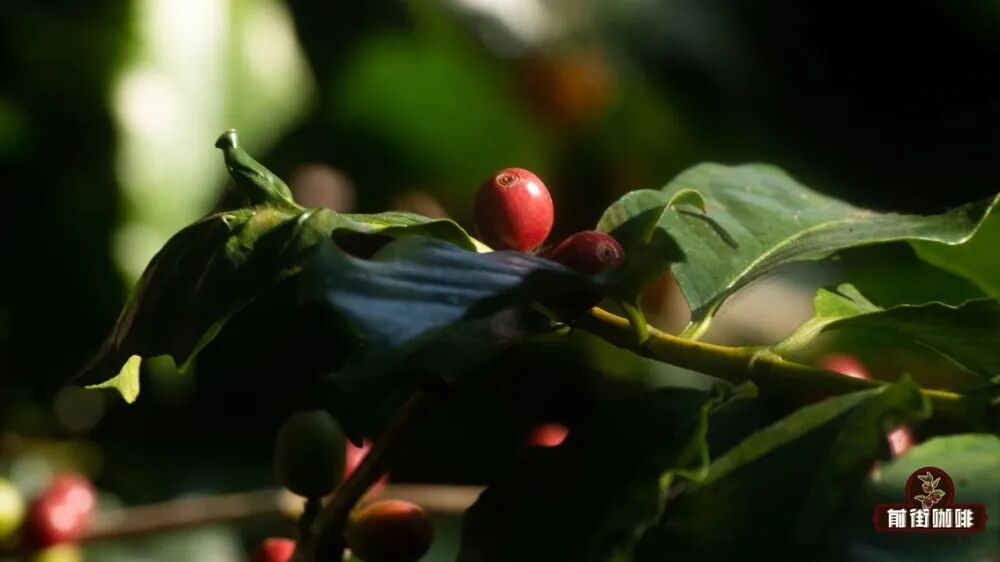
By the late 1980s, with the entry of international brands like Nestlé, Yunnan coffee began integrating into the global supply chain. Nestlé introduced the high-yield and disease-resistant Catimor variety and purchased beans from farmers at international futures prices, which significantly boosted local planting areas.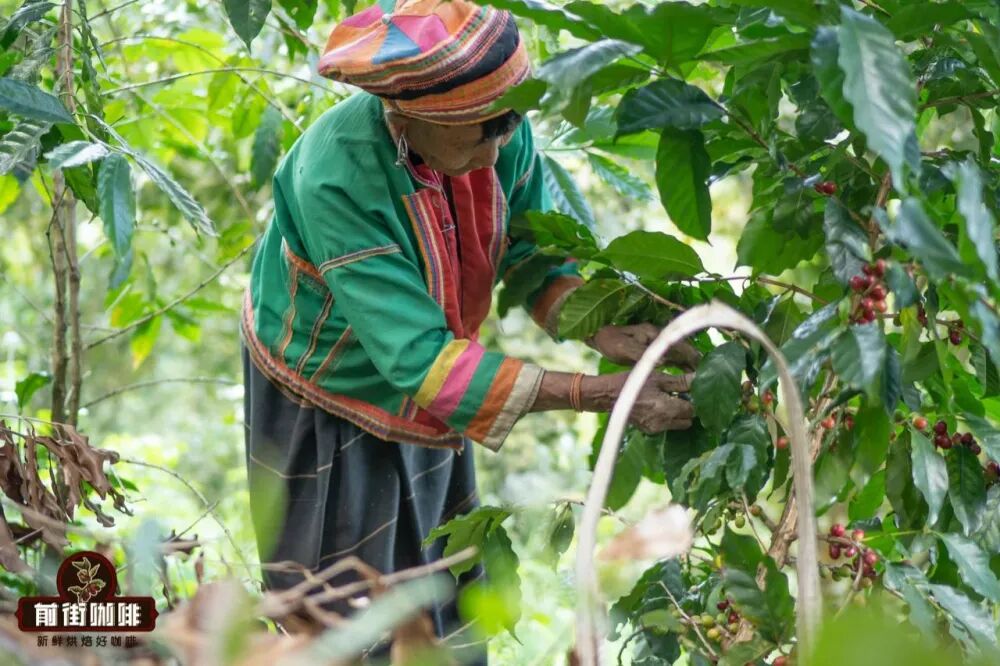 Subsequently, brands like Starbucks and Maxwell House also entered the market, gradually making Yunnan China’s largest coffee-producing region. However, in the early stages, due to farmers’ lack of refined processing techniques and the predominance of bulk commodity exports, Yunnan coffee was mostly used in instant products, with prices also fluctuating dramatically due to international futures.
To enhance competitiveness,specialization has become a key direction for the current transformation of Yunnan’s coffee industry.Today, the main coffee varieties cultivated in Yunnan include Typica and Catimor. Among them, Typica is one of the oldest Arabica varieties, known for its elegant flavor and clear taste profile, but it is less resistant to diseases and has lower yields.
Initially, Typica was grown in Yunnan, but due to its poor disease resistance, it was later largely replaced by Catimor, which offers slightly inferior flavor but higher yield and stronger resistance. Catimor is actually a hybrid of the Arabica variety Caturra and the Robusta variety Timor, developed in East Timor in 1959. It boasts excellent resistance to leaf rust and high productivity, quickly becoming widespread across global producing regions.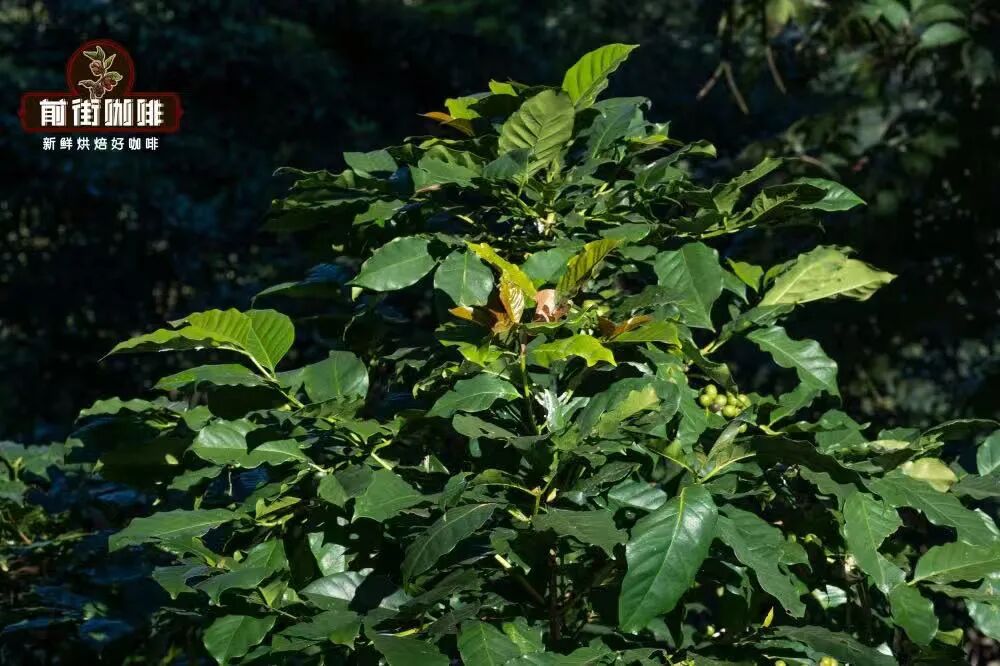
Interestingly, despite Catimor becoming the dominant variety in Yunnan, some farms still choose to grow Typica. For example, there’s sun-dried Typica from Lincang and washed Catimor from Baoshan, offering consumers the chance to taste the distinct profiles of different varieties.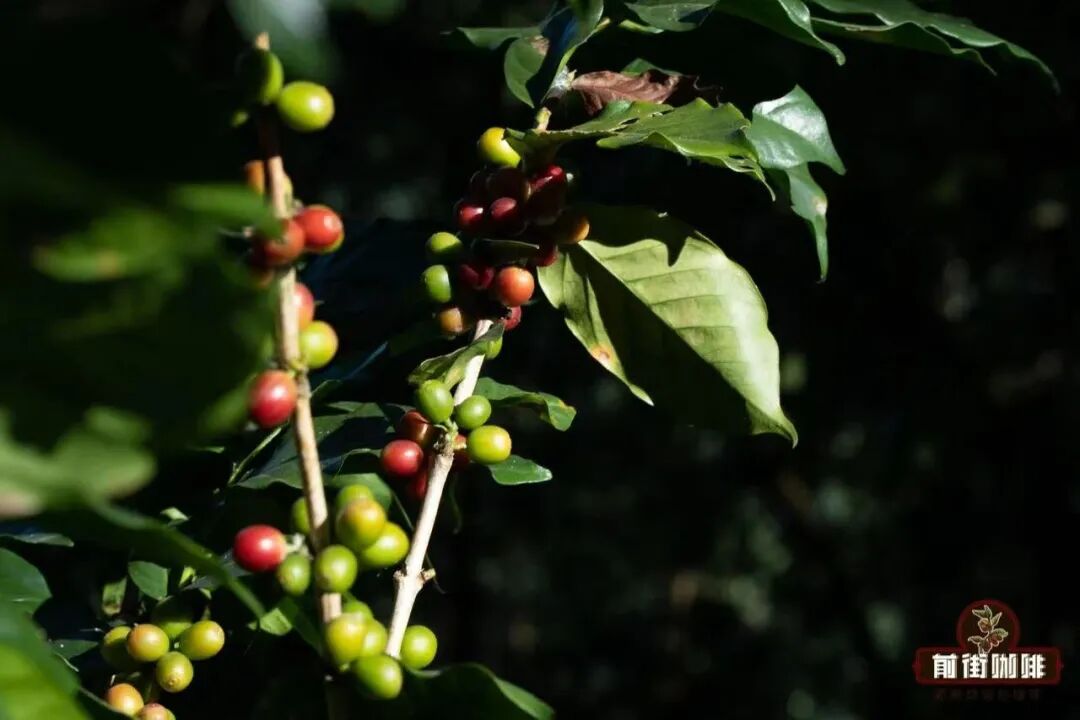
Here are brief introductions to two representative Yunnan coffees: the first is a Typica grown around 1300 meters in Lincang, processed using the natural (sun-dried) method; the other is a Catimor grown at 1200 meters in Baoshan, processed using the washed method.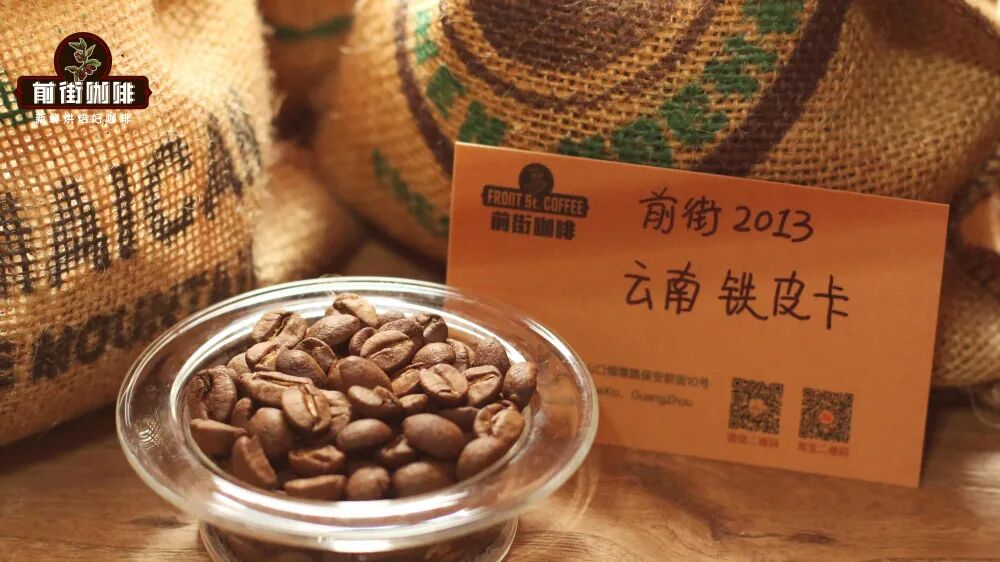

Both coffees showcase the balanced flavor profile distinctive to Yunnan—acid profiles that aren’t overly sharp, and bitterness that doesn’t stand out harshly, making them ideal for coffee lovers who prefer a moderate and well-rounded cup. For brewing, it’s recommended to use 15 grams of coffee grounds, with a coffee-to-water ratio set at 1:15 or 1:16 to highlight the flavor layers. Use a V60 dripper, with water temperature controlled at 90°C to soften acidity. The grind size is suggested to be medium-fine, approximately 75% passing through a #20 sieve (similar in size to fine sugar).
A specific brewing procedure can follow a three-stage extraction: start with a 30-second bloom using 30 grams of water, then pour in a slow circular motion until reaching 125 grams for the first pour. When the water level is about to uncover the coffee bed, pour again up to 225 grams. Finally, remove the dripper just before the water level fully drains, aiming for a total extraction time of exactly 2 minutes. This method helps fully express Yunnan coffee’s rich body and delicate balance.
The above content is compiled by CoffeeHunters, a coffee news website.

