







Introduction:Want to explore different coffee flavors? Cold drip coffee, with its low-temperature slow extraction method, delivers unique richness and an explosive aroma. This article delves into the extraction principles of cold drip coffee, compares it with pour over and cold brew, recommends single-origin coffee bean varieties suitable for making it, and provides practical cold drip recipes and steps—so you can enjoy professional-grade cold drip flavors at home.
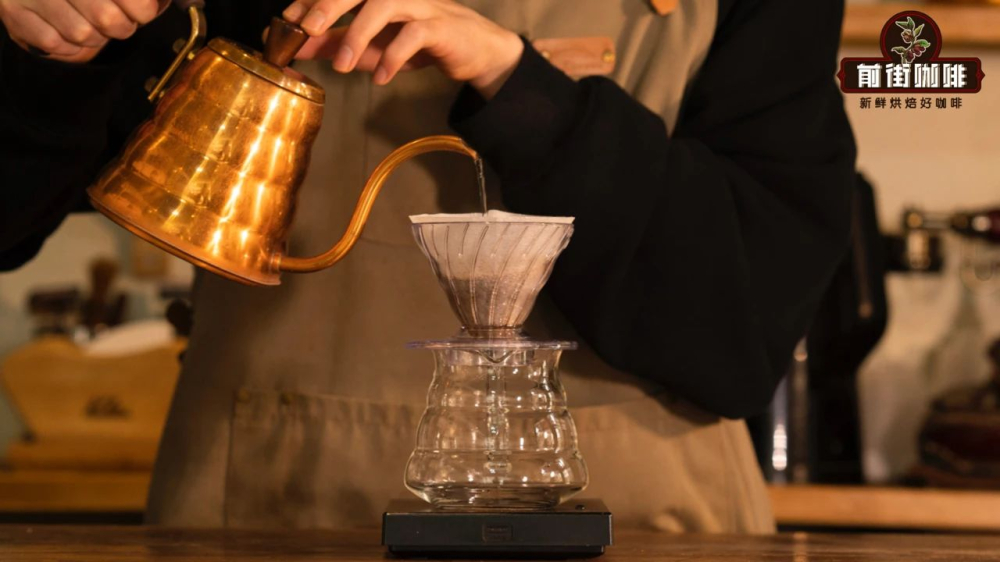
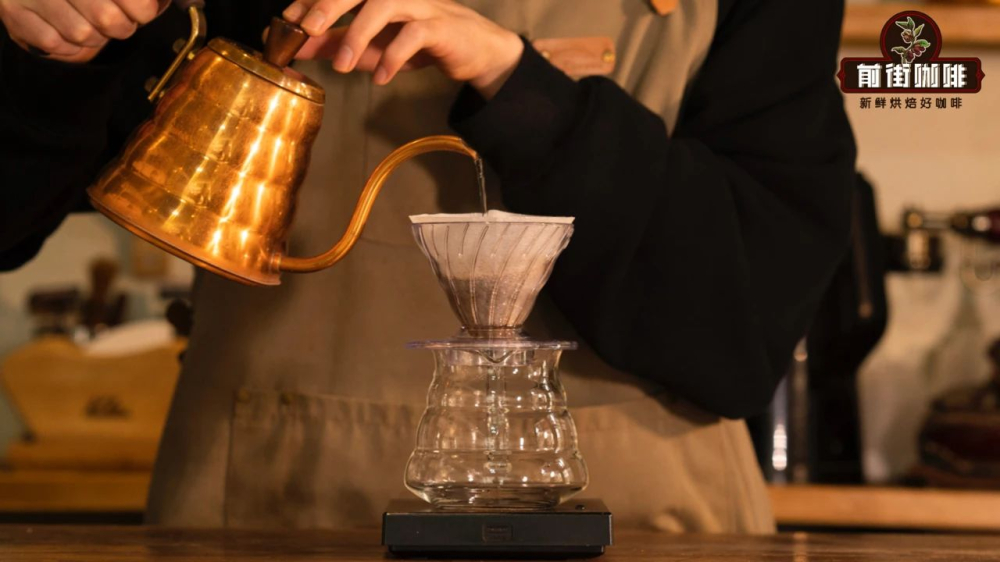
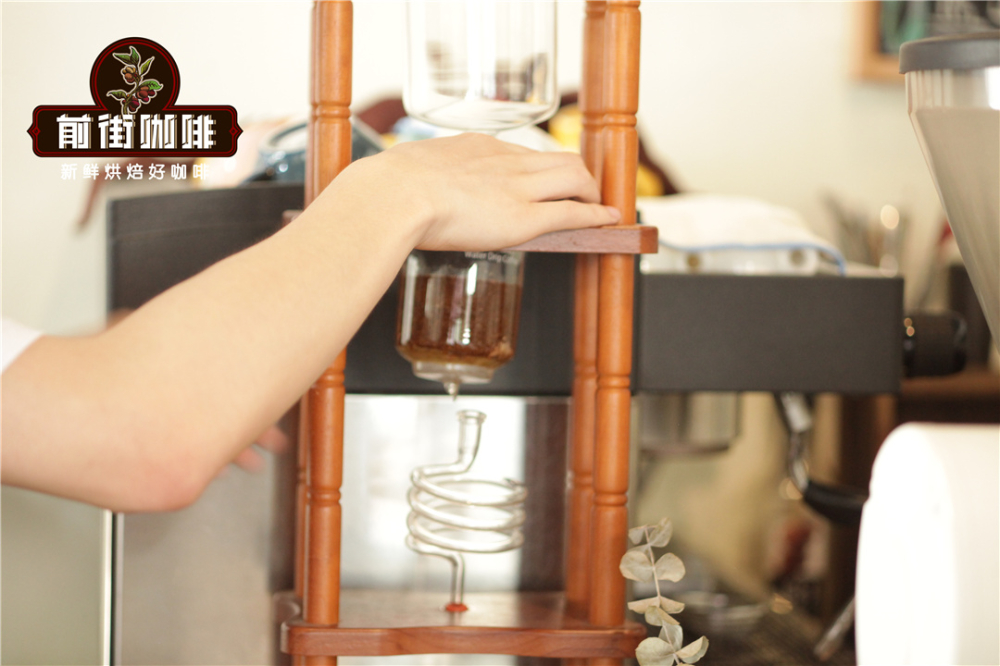
As the name suggests, cold drip coffee is made by slowly dripping and filtering coffee using ice-cold water, which is completely different from the high-temperature pour over method we’re familiar with. Regular pour over coffee uses hot water to quickly extract the flavor compounds in coffee, including the balance of acidity, sweetness, and bitterness, but it also tends to release off-flavors like woody fibers. In contrast, cold drip coffee uses near-zero-degree ice water, allowing the coffee flavors to be slowly released in a low-temperature environment, reducing impurities and over-extraction, and preserving a purer essence of the coffee.
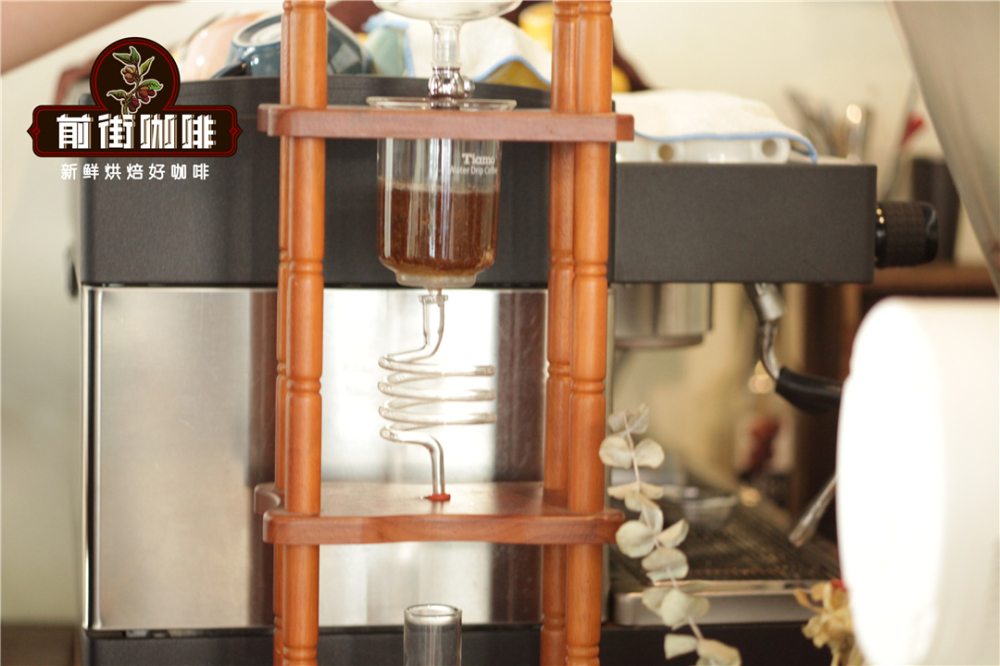
The history of cold drip coffee dates back to the Dutch era, hence it is also known as Dutch drip coffee. It uses a special dripping device that allows ice water to slowly seep through a bed of coffee grounds. This process usually takes several hours or even longer. This low-temperature slow extraction method not only reduces the acidity and astringency of the coffee, but also allows the flavors to meld more fully during resting before drinking, resulting in a more layered taste experience.
So, what exactly is the extraction principle of cold drip coffee? Simply put, it involves slowly dissolving the aromatic compounds in coffee through prolonged, low-temperature water dripping. Because the water temperature is low, astringent substances in the coffee are less likely to be released, resulting in a smoother taste and fewer off-flavors. Additionally, the release of caffeine during the cold drip process is relatively low, making it a more friendly option for those sensitive to caffeine. After extraction, it is recommended to let the coffee liquid rest in the refrigerator for at least 8 to 12 hours to allow the flavor molecules to further integrate, resulting in a richer aroma burst when consumed.
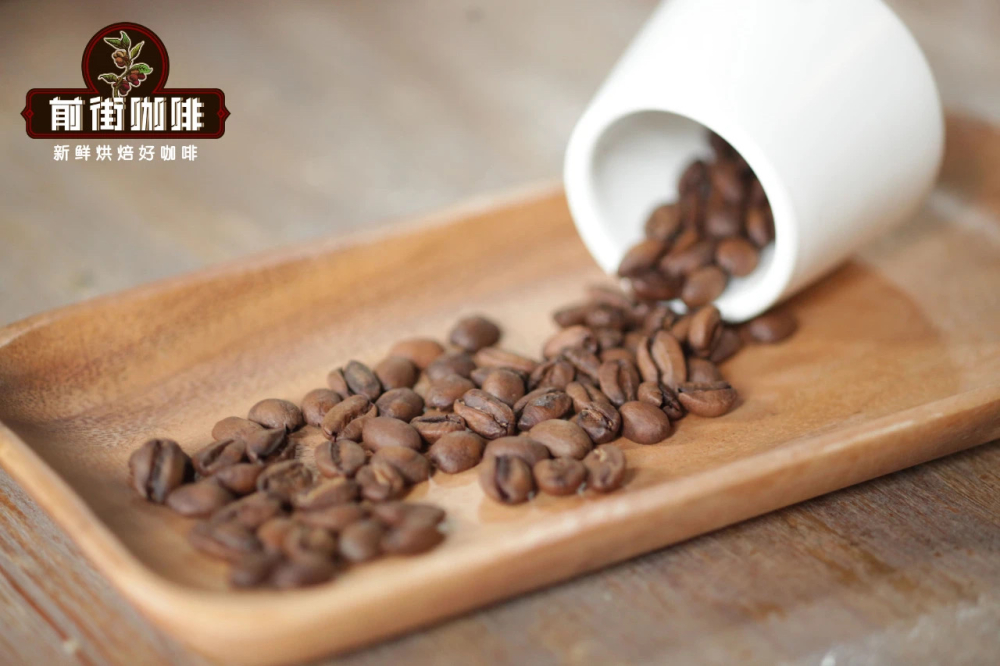
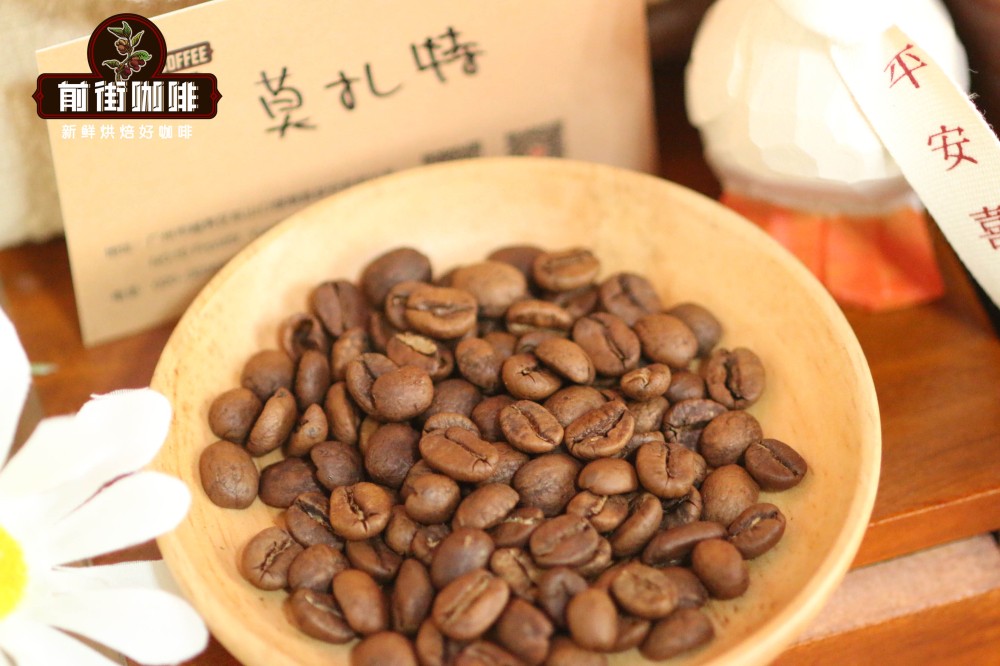
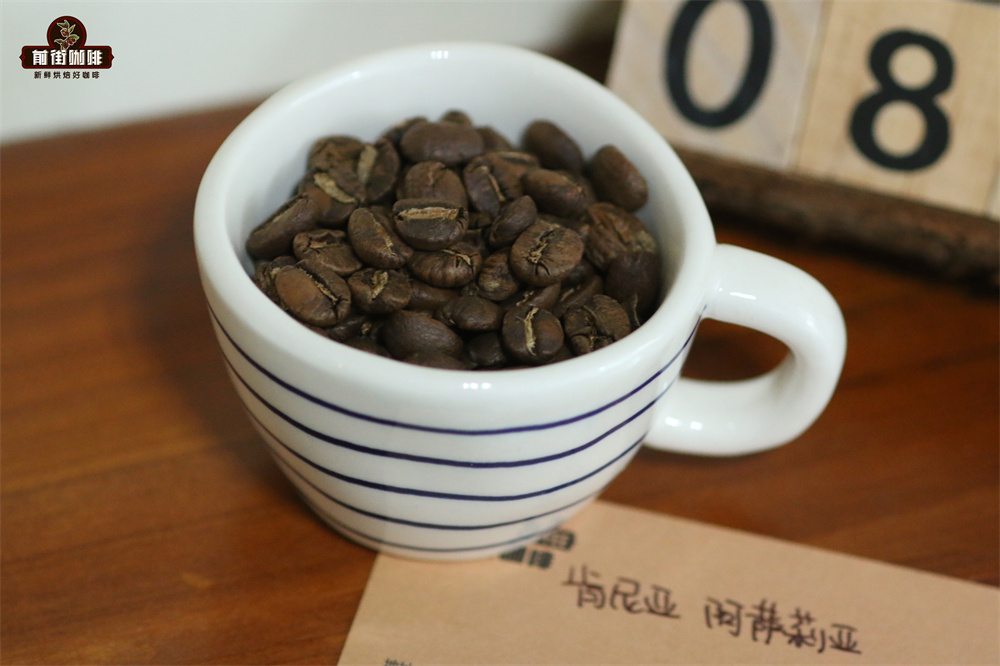
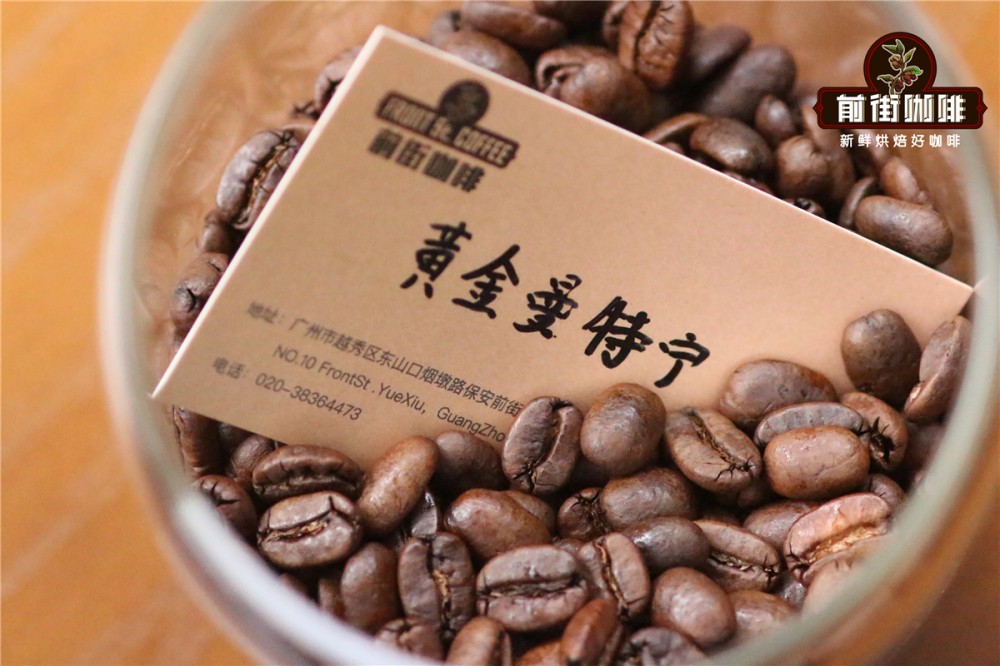
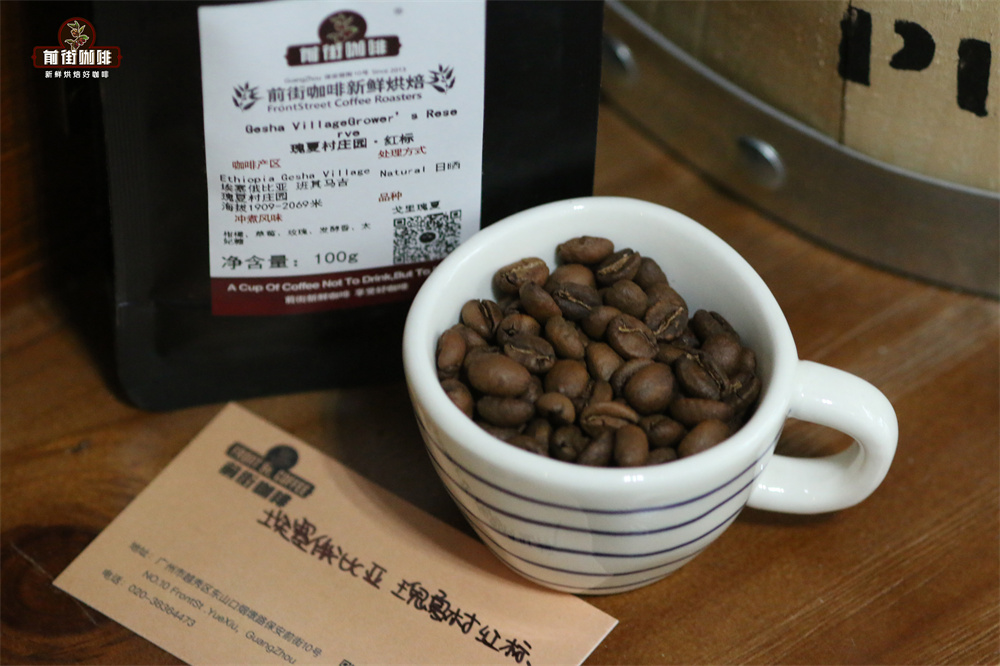
What kinds of coffee beans are suitable for making cold drip coffee? In fact, most single-origin beans suitable for pour over can be used for cold drip, but if you want more expressive flavors, it’s recommended to prioritize single-origin beans with distinct flavor profiles. Generally, coffee beans with noticeable fruit acidity, floral and fruity aromas, or sweetness—such as those from Kenya, Ethiopia, or Blue Mountain—can showcase unique aromas and layers during the cold drip process. Additionally, dark roast beans like Indonesia’s Golden Mandheling can also produce cold drip coffee with rich flavors and chocolatey, caramel aftertastes.
If you want to experiment with different flavor combinations, you can also blend two or more single-origin beans. For example, mixing beans with prominent fruity notes and those with a rich, low-acidity body can create a balanced and dynamic cold drip coffee. When blending, it’s suggested that one bean provides bright fruit acidity and aroma, while the other contributes a rich and sweet base—this will make the texture of the cold drip coffee more three-dimensional.
Here are several common cold drip coffee flavor profile references. First is the dark berry type: you can choose coffee beans with strong fruity aromas, such as those processed via anaerobic honey methods, which can bring out complex flavors like blueberries, blackcurrants, and wine notes, with a refreshing taste and long-lasting aftertaste. The clean and crisp type is suitable for beans with vibrant acidity, such as certain Kenyan varieties, which can present a fresh sour-sweetness like cherry tomatoes and grapefruits—perfect for summer drinking. As for the sweet and delicious type, you can challenge yourself with dark roast beans, such as Indonesia’s Golden Mandheling, which, after cold drip extraction and chilled aging, can showcase chocolate and caramel sweetness with a hint of fermented richness.
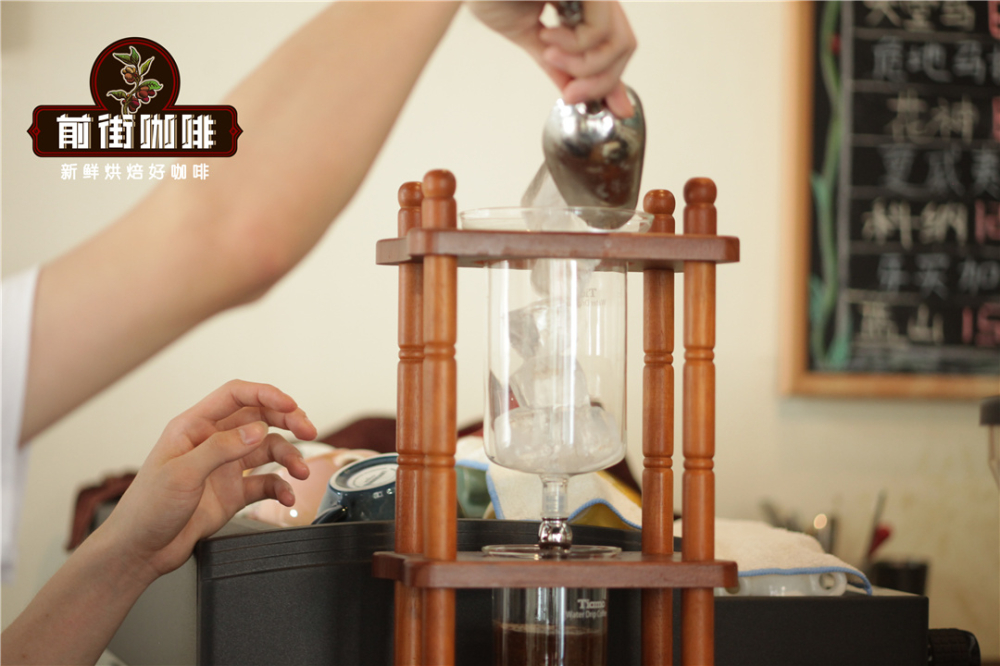
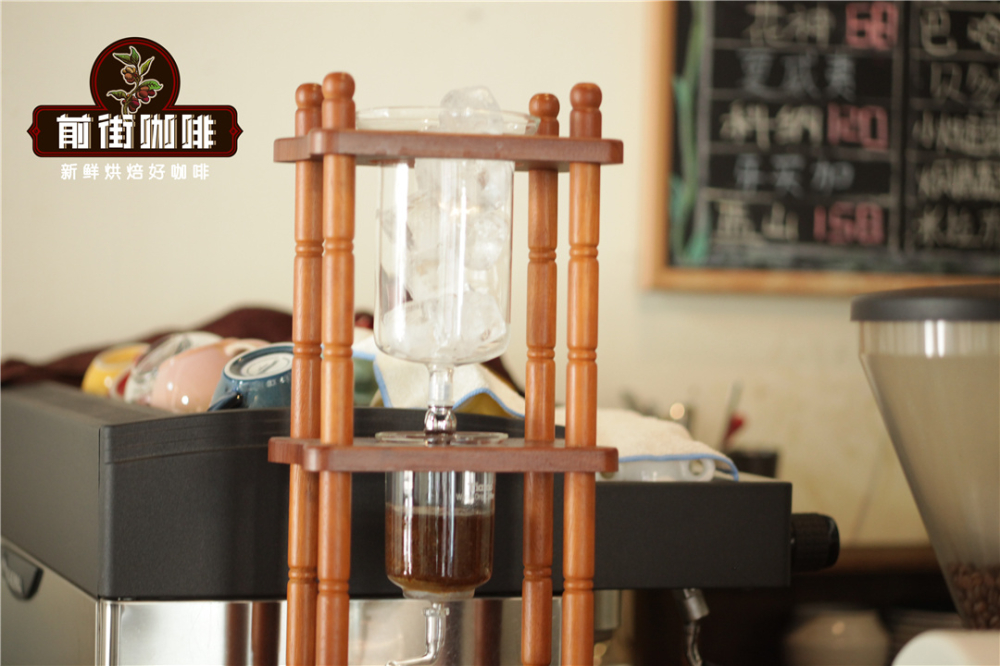
The steps for making cold drip coffee are actually not complicated, but some details need to be paid attention to in order to ensure the best flavor. First, choose coffee grounds slightly coarser than those used for pour over; it’s recommended to use a Chinese standard No. 20 sieve with about 58% passing rate. Place the coffee grounds in the filter cup, gently level or slightly press them to ensure an even coffee bed. Then, place a piece of filter paper on top of the coffee grounds to help distribute the water evenly and prevent the coffee bed from sinking due to prolonged dripping. Next, use ice water for pre-soaking to simulate the blooming step in pour over, thereby improving overall extraction efficiency.
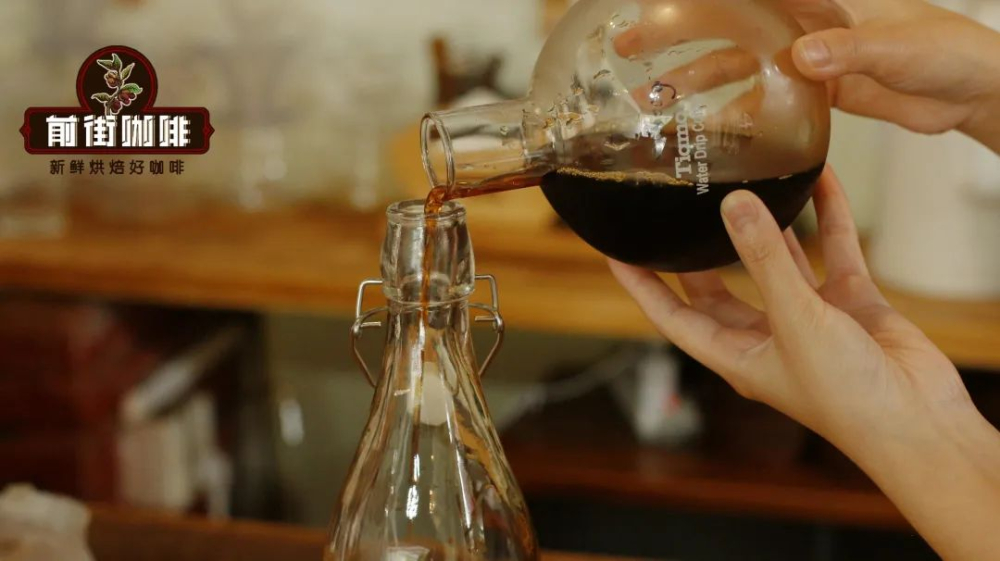
During the actual dripping process, it’s recommended to adjust the drip rate to about 7 drops per 10 seconds, and use a 1:1 ice-to-water ratio. After dripping is complete, pour the coffee liquid into a sealed container and place it in the refrigerator to rest for at least 12 hours or more, allowing the flavor molecules to fully integrate and release. This resting period aids in flavor oxidation and integration, much like how freshly roasted coffee beans release carbon dioxide during the degassing period, making aromas and oils easier to extract.
It’s important to note that although the flavor of cold drip coffee becomes more intense over time when refrigerated, it is not recommended to store it for too long. Generally, the optimal drinking period for cold drip coffee is within 72 hours after extraction. Beyond this time, not only may the flavor deteriorate, but there may also be hygiene risks. Additionally, do not drink the cold drip coffee immediately after dripping is complete—it must undergo a resting and fermentation process to fully experience its complete aroma layers and rich texture.
In summary, cold drip coffee is a method of coffee preparation that emphasizes patience and attention to detail. Through low-temperature slow extraction, it can deliver unique flavors that neither pour over nor cold brew can achieve. Whether you’re a coffee newbie or a seasoned enthusiast, you can try making your own cold drip coffee at home and explore the surprising flavors brought by different beans and recipes.
The above content is compiled by CoffeeHunters, a coffee news website.

