








Introduction:For beginners new to pour over coffee, selecting Arabica coffee beans can be confusing. This article provides a detailed breakdown of the characteristics of 8 common Arabica varieties, covering aspects such as sweetness-acidity balance, fruitiness, and body, to help readers find the bean variety that suits their personal taste. It also includes tested flavor descriptions and brewing suggestions to make both bean selection and brewing more intuitive.
The world of coffee beans is rich and diverse. By variety, they can mainly be divided into Arabica, Robusta, and the rarer Liberica. When further segmented by origin—such as Jamaican Blue Mountain, Ethiopian Yirgacheffe, or Indonesian Sumatra—the options become even more extensive. Faced with such a wide array, beginners often don’t know where to start.
In fact, by grasping just a few key principles, you can quickly narrow down the Arabica coffee beans that suit you. First,be sure to check the roast date—freshness is the most important factor affecting flavor. After roasting, coffee beans release a large amount of carbon dioxide while giving off enticing aromas, but these gases largely dissipate after about 50 days, sometimes even leaving behind woody off-notes. It’s recommended to choose beans roasted within the last 10 days for the most vivid flavors.

Secondly,selecting beans from a reputable roasteris also crucial. Beans that are consistently stable in quality allow you to focus on experiencing the unique flavors of different varieties, rather than worrying about defects or roasting mistakes. In addition, understanding each variety’sflavor profilecan help you make choices based on your preferences—such as favoring bright fruity acidity or richer chocolatey notes.
Typica is one of the original Arabica varieties, known for its delicate and elegant flavors, but it has low yields and is prone to disease. The tested Yunnan Typica ( ) exhibits gentle flavors of nuts, brown sugar, and dried apricots, with a mild black tea-like finish, making it suitable for beginners who prefer milder tastes. For brewing, it's recommended to use a medium-light roast, with water around 88-90°C, and a 2-minute pour over to bring out its subtle fruitiness.
Bourbon is a mutation of Typica, with ripe cherries turning a bright red color. It has slightly higher yields than Typica but remains a relatively rare variety. Brazilian Cerrado Red Bourbon ( ) features pronounced roasted nut aromas, with soft acidity reminiscent of red wine and a sweet, balanced finish. Its moderate body and consistent performance make it a top choice for many pour over enthusiasts. A medium roast is recommended, with water temperature around 90°C, and extraction time kept within 2 minutes 30 seconds to preserve its rich layers.
Caturra is a single-gene mutation of Bourbon, with better yield and disease resistance, and shorter trees that are easier to harvest. Colombian Huila Caturra ( ), when medium-dark roasted, shows intense dark chocolate and caramel flavors with a full body, making it ideal for those who enjoy a richer mouthfeel. This variety adapts well and can grow healthily without shade, making it a mainstay in many growing regions. For brewing, try a slightly coarser grind, with water at 89-91°C, to highlight its sweetness and caramel finish.
Catuai is a hybrid of Mundo Novo (New World) and Caturra, with excellent wind and rain resistance, and tightly formed fruit that doesn’t easily drop. Panamanian Elida Estate Catuai (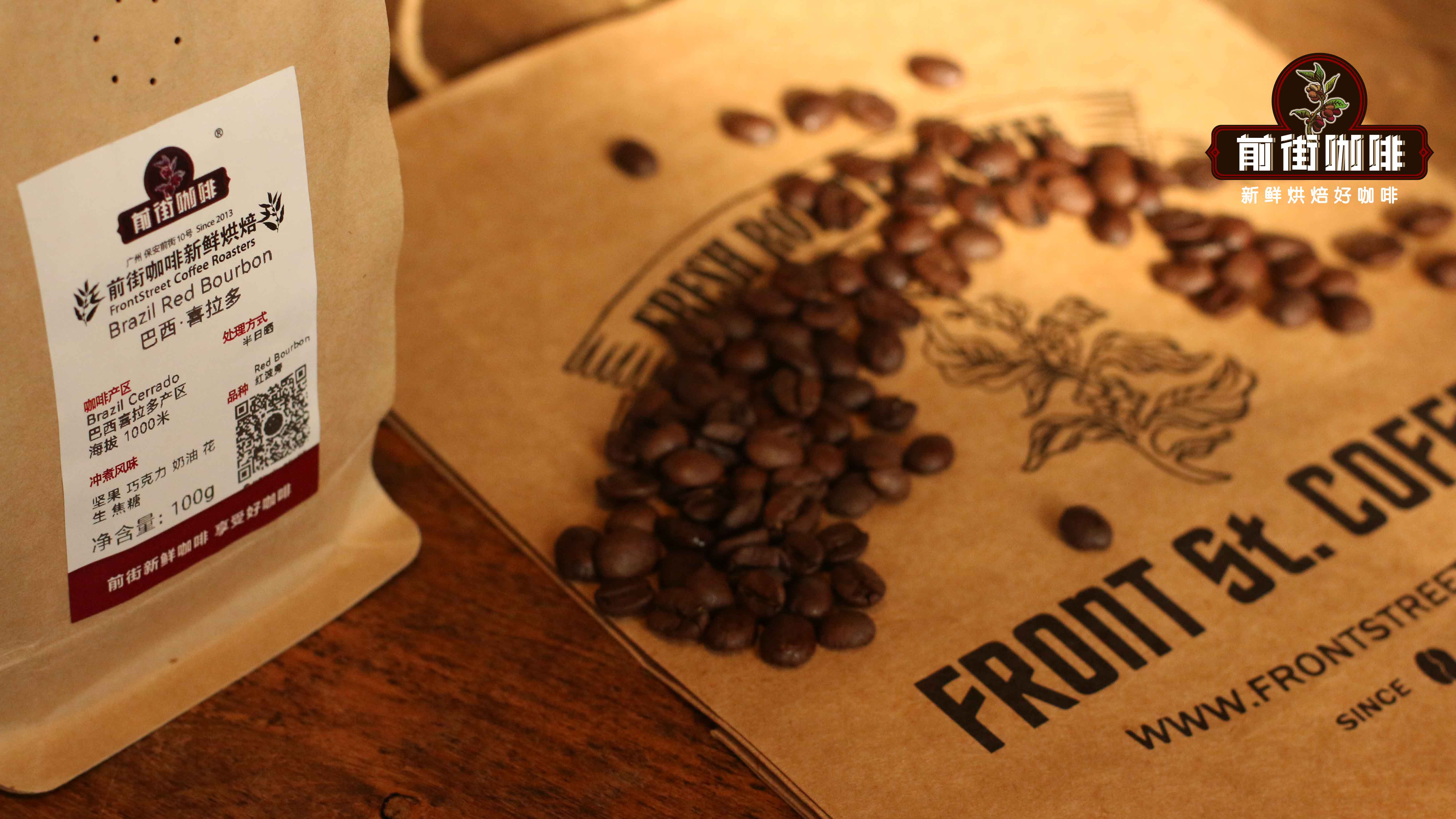 ), processed via natural drying, offers refreshing fruit aromas of peach, red grape, and citrus, suitable for both pour over and cold brew. With bright acidity and a clean taste, it’s an excellent choice for summer or those seeking a fresh profile. Brewing suggestions include a coarse grind, water at 88-90°C, and extending the extraction time to 3 minutes to fully release the fruitiness.
Geisha originates from Ethiopia’s Gesha Mountain and is famed for its slender bean shape and low yield. Panamanian Flower Dance Coffee (containing 70% Geisha) (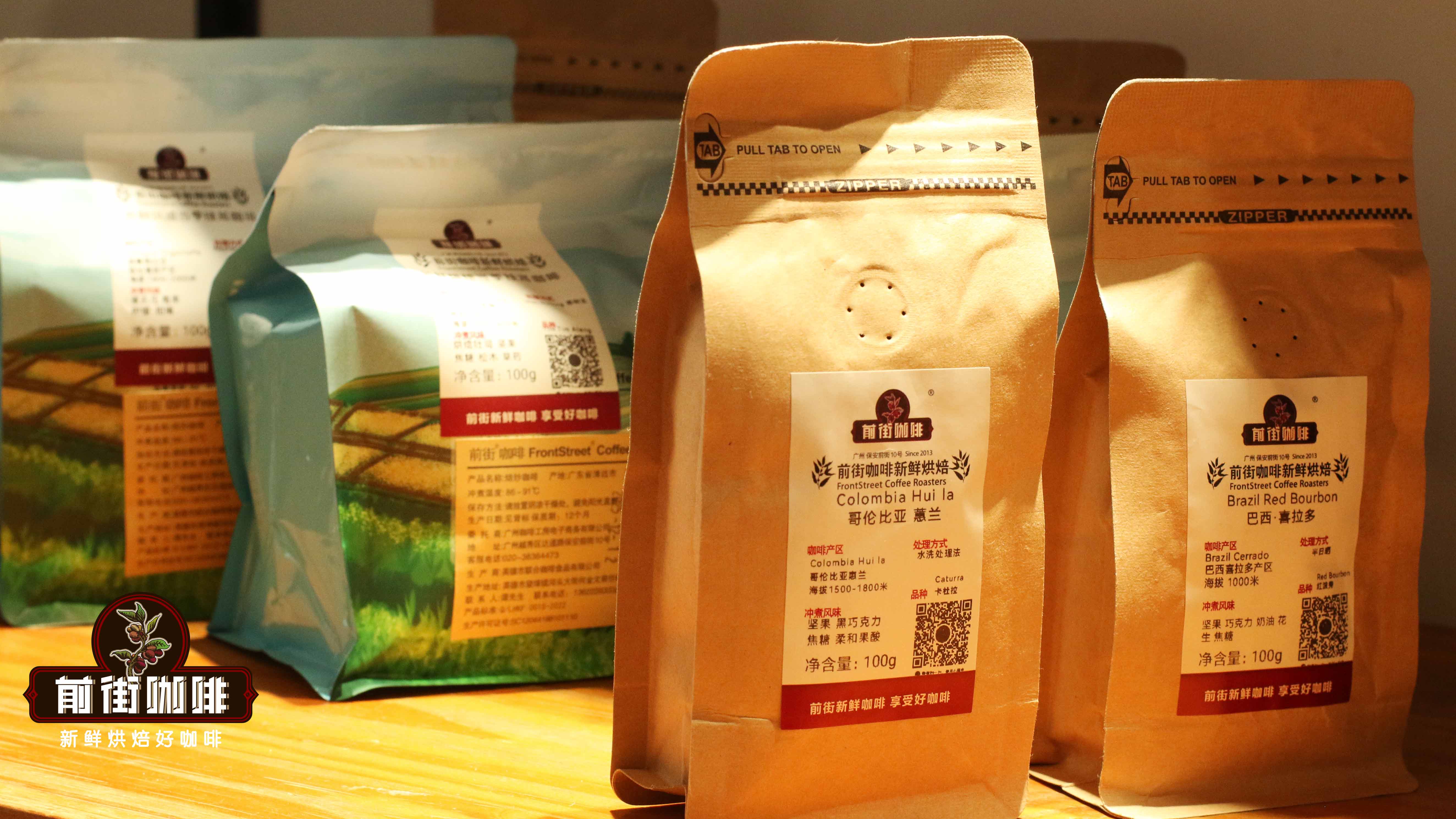 ) reveals orange blossom honey notes, caramel sweetness, and a green tea-like aftertaste, with complex and refined flavor layers. This variety requires careful cultivation but delivers an exceptional tasting experience. It’s recommended to use a light roast, with water at 88-90°C, fine grind, and slower extraction to emphasize its floral and fruity acidity.
Ethiopian Heirloom is a general term for the many varieties grown in Ethiopia. Due to smallholder farming and mixed processing, it is often labeled simply as ‘Heirloom.’ Huankui (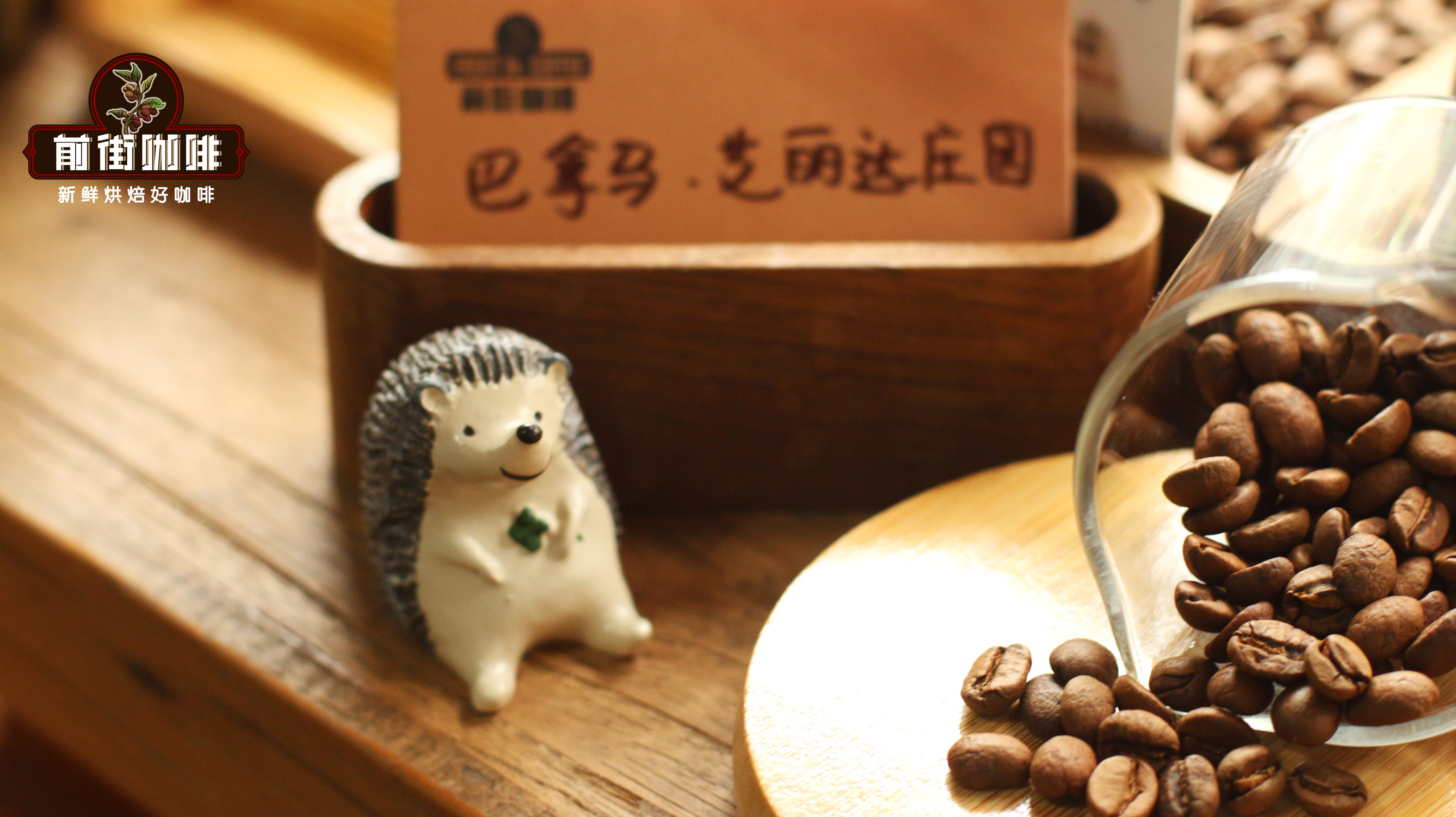 ) showcases elegant notes of cream, strawberry, and tropical fruits, with a smooth mouthfeel, suitable for pour over or cold brew. Its diverse flavors and bright acidity make it an ideal entry point for exploring Ethiopian beans. For brewing, use a medium-light roast, water around 90°C, a fine grind, and a 2 minute 30 second extraction to balance fruitiness and sweetness.
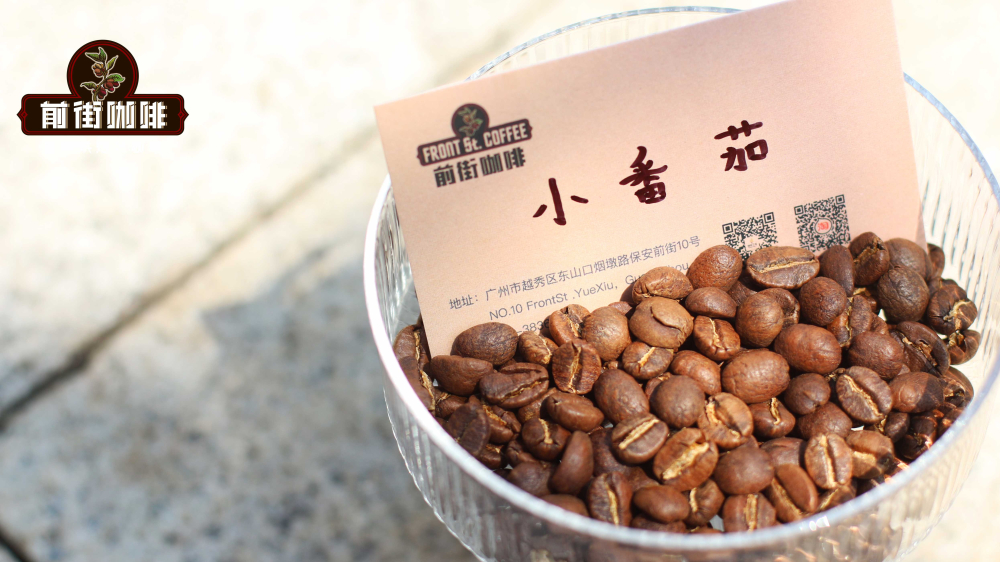
SL28 and SL34 are classic Kenyan varieties cultivated by the Scott Labs, known for strong citrus and dark plum acidity along with complex flavor profiles. Kenyan Little Tomato Coffee (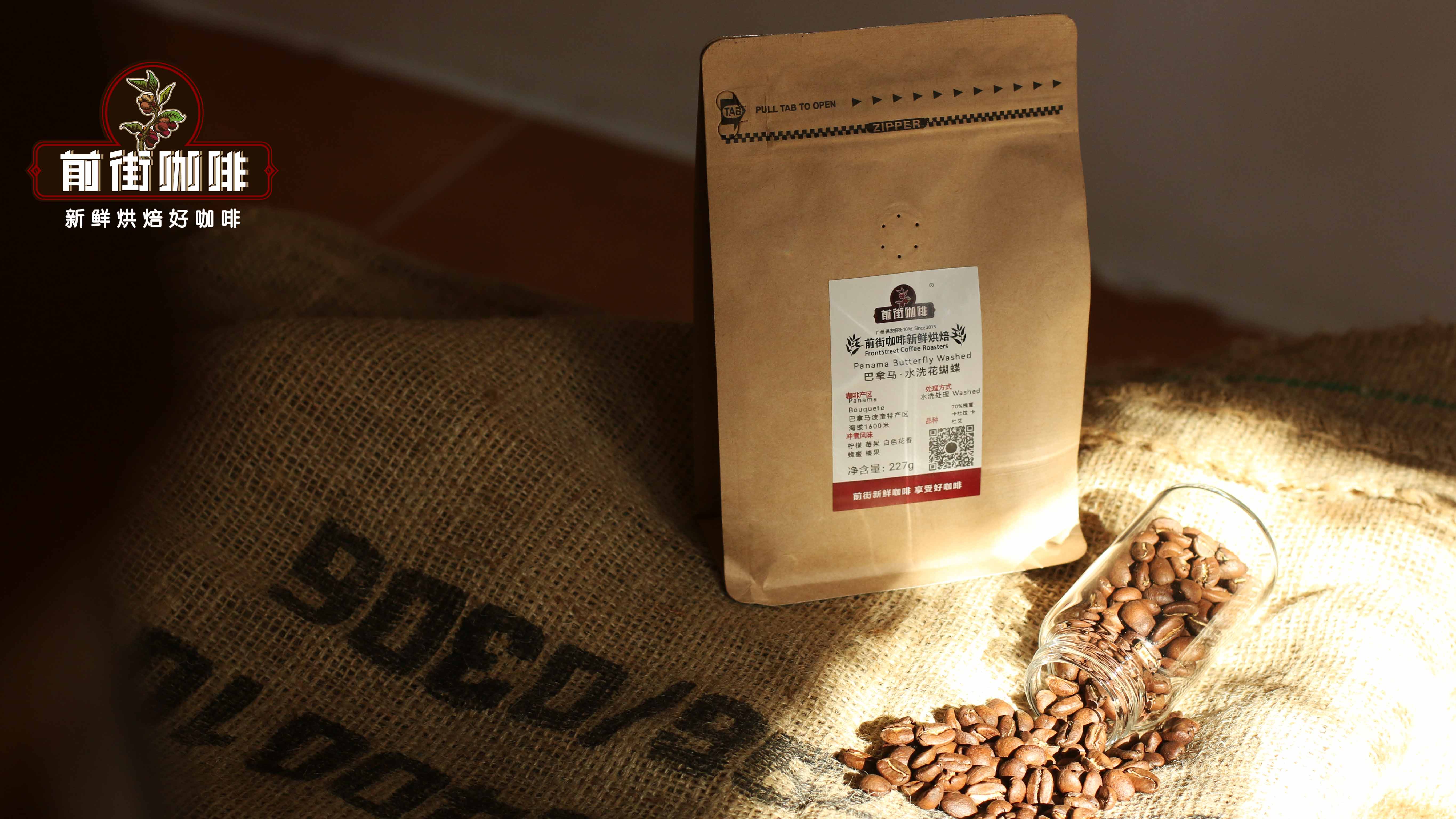 ) displays classic berry acidity, paired with sweetness from cherry tomatoes, pears, plums, and brown sugar. These two varieties have bright acidity and lively flavors, and are must-tries for those who love expressive fruitiness. A light roast is recommended, with water at 88-90°C, a fine grind, and a 2-minute pour over to highlight their acidity-sweetness balance.
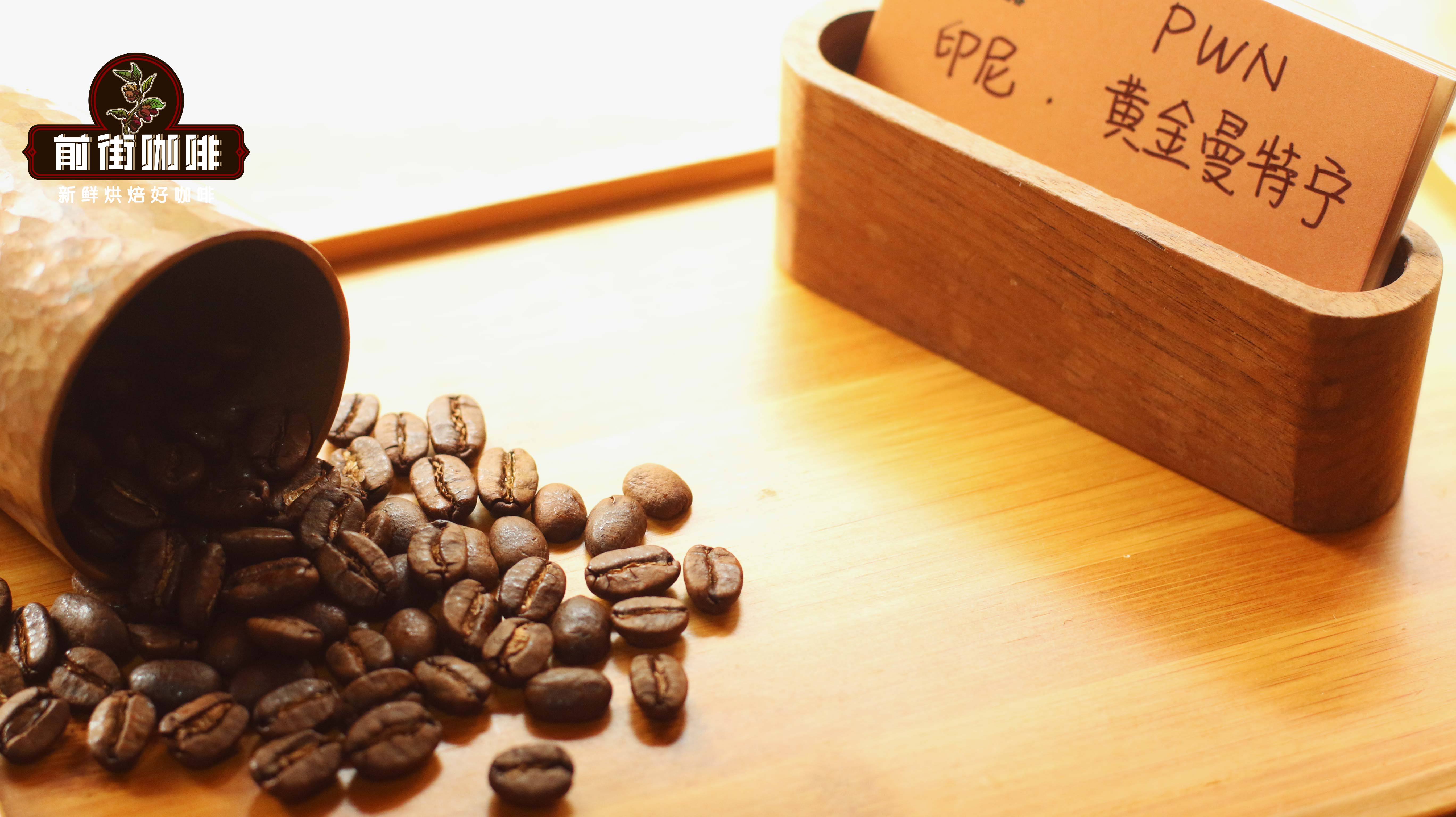
Catimor is a hybrid of Timor and Caturra, known for high yield and disease resistance, and contains 25% Robusta genetics, adding body and aroma. PWN Golden Mandheling (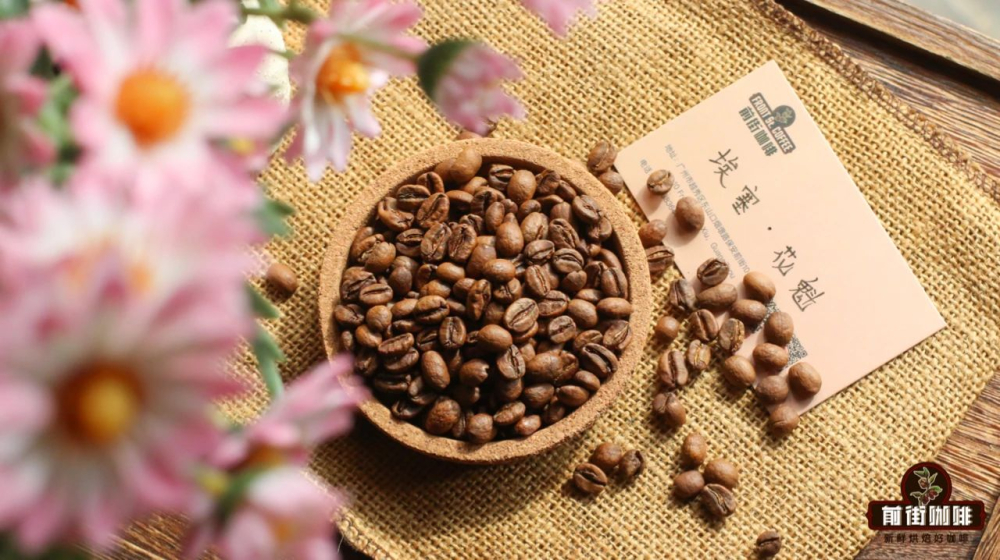 ) features intense flavors of herbs, spices, pine, nuts, and caramel, with a full, mellow body. This variety suits those who prefer deeper flavor profiles. It’s recommended to use a medium-dark roast, with water at 91-93°C, a coarse grind, and a 2 minute 30 second extraction to fully release its spicy and caramel notes.
The above content is compiled by CoffeeHunters, a coffee news website.

