







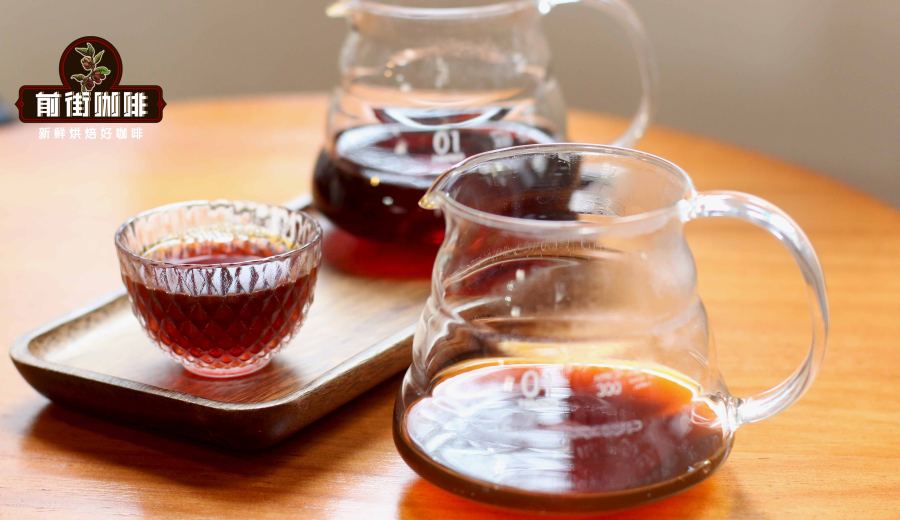
Introduction:This article delves into a well-known coffee bean from Ethiopia’s Yirgacheffe region — Gotiti. It explores the origin of the producing area, the processing method, and its unique flavors, while also offering practical advice for beginner coffee enthusiasts on brewing it as a light roast pour over. This guide will help you discover a high-value, easy-to-entry specialty coffee bean.

Among the many fine Ethiopian coffees, one named “Gotiti” has gained widespread popularity for its adorable name and captivating flavor. The original name of this coffee bean is Gotiti, originating from a small village in the Yirgacheffe region. Many first-time tasters are often amazed by its fresh, bright fruity aroma and pleasant acidity, quickly becoming loyal fans.

Here is the official information about this coffee: it is produced in the Gedeo Zone of Yirgacheffe, Ethiopia, at an altitude between 1900 and 2300 meters. The coffee variety is the local landrace (Heirloom), processed using the natural (sun-dried) method, and it is classified as grade G1 — the highest grade of Ethiopian coffee. These factors contribute to its distinctive fruity tone and clear, bright acidity.

Ethiopian coffee has long been renowned for its rich fruit acidity and multi-layered aromas, earning it the industry title of “fruit bomb.” To fully showcase these characteristics, a medium-light roast is the most suitable choice. In the past, coffee was often thought to be bitter, but with the rise of the specialty coffee trend, lightly roasted Yirgacheffe has ushered in a new era focused on fruit acidity and floral notes. This roasting style emphasizes preserving the coffee’s inherent fruitiness rather than enhancing deep-roast flavors like nuts or chocolate.
The name Gotiti actually comes from a small village in the Wolkite area, located in the southeastern part of Yirgacheffe. In the past, coffee from this village was typically sent to a nearby washing station in Wolkite village for processing, as small-scale farming villages often lacked dedicated processing facilities. However, as the global specialty coffee market has placed increasing emphasis on “single-origin” and “traceability,” more coffee professionals have begun to take note of Gotiti village’s potential.
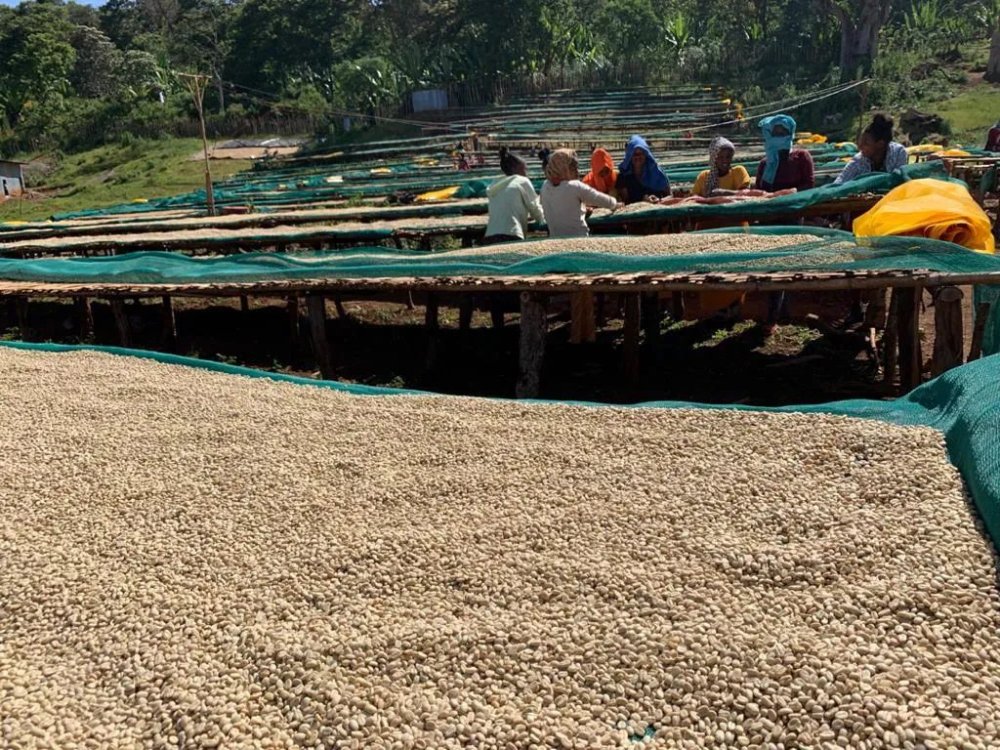
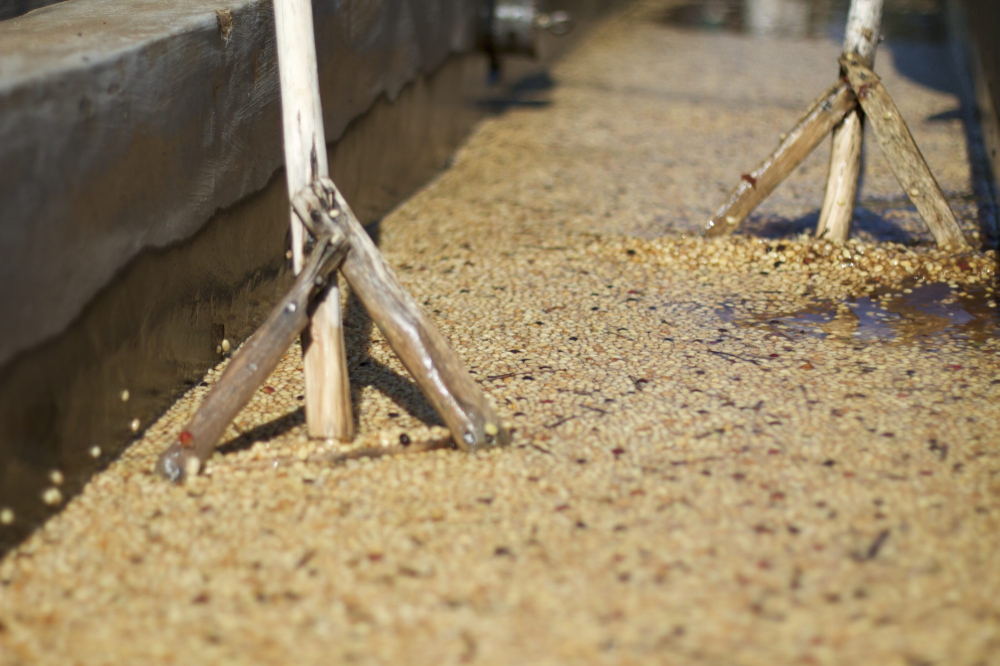
Originally, Gotiti village did not have its own processing facility, so farmers had to send their harvested coffee cherries to nearby stations for processing. Later, after an on-site evaluation by coffee scouts, it was discovered that the coffee from this village had great quality potential. As a result, assistance was provided to establish a dedicated processing facility locally. While the washed process requires significant water resources and technical expertise, it effectively removes the pulp and some of the mucilage, resulting in purer coffee bean aromas. It often presents a refreshing citrus or lemon note, accompanied by soft floral undertones, with an overall flavor profile that is very bright and delicate.
For beginner home brewers who enjoy making coffee, this medium-light roasted Yirgacheffe is highly suitable for preparation methods such as pour over, drip bags, cold brew, ice drip, siphon, or French press. It is recommended to use a medium-fine grind, with water temperature controlled between 90–93°C. During brewing, pay attention to maintaining a stable and evenly distributed water flow to fully bring out its bright fruit acidity and delicate floral layers. Avoid over-extraction, which may cause the acidity to become overly sharp and affect the overall balance.
The above content is compiled by CoffeeHunters, a coffee news website.

