







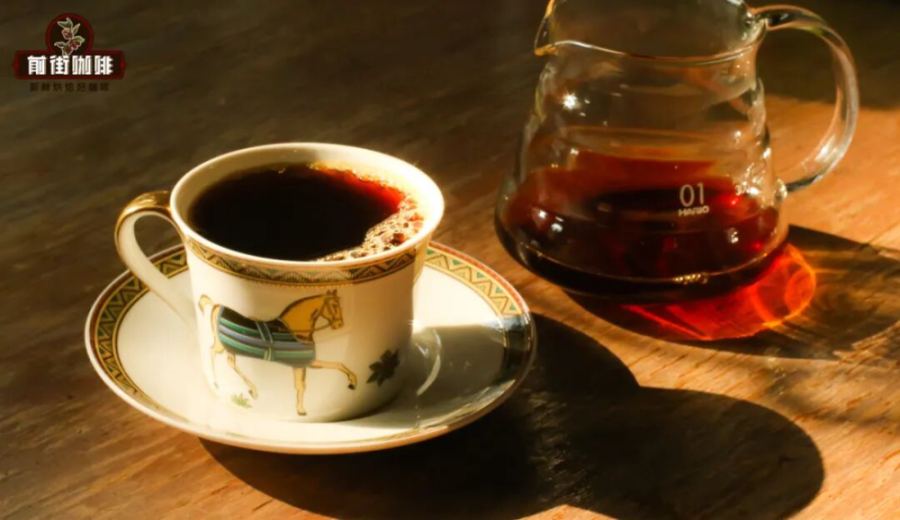
Introduction:Have you ever wondered why most pour over coffees these days tend to have bright acidity? This article delves into the factors behind the acidity and bitterness of coffee—from roast levels and regional characteristics to bean varieties suited for brewing—to help you understand that acidity is not the sole criterion for good coffee. We also offer purchasing tips and practical brewing guidelines to help you find your ideal coffee beans.
When it comes to the specialty of a certain café, one of its highlights is the wide variety of pour over coffee options. Although not all online offerings are brought into the physical store, there are still roughly over thirty types to choose from—quite an extensive selection. Interestingly, many customers have noticed that among these beans, those with a bitter taste and traditional "coffee flavor" make up less than 10%, while over 90% exhibit varying degrees of acidity. This has left many consumers puzzled: do all the popular good coffees nowadays have to be acidic?
Such questions are often raised by older customers, who remember coffee as being rich, intense, and distinctly bitter. After all, before the year 2000, most coffee on the market was dark roasted, making bitterness the dominant flavor profile. As a result, they find the current prevalence of acidic coffee puzzling, and some even question: “Is it true that good coffee is supposed to be acidic, as people say online?”

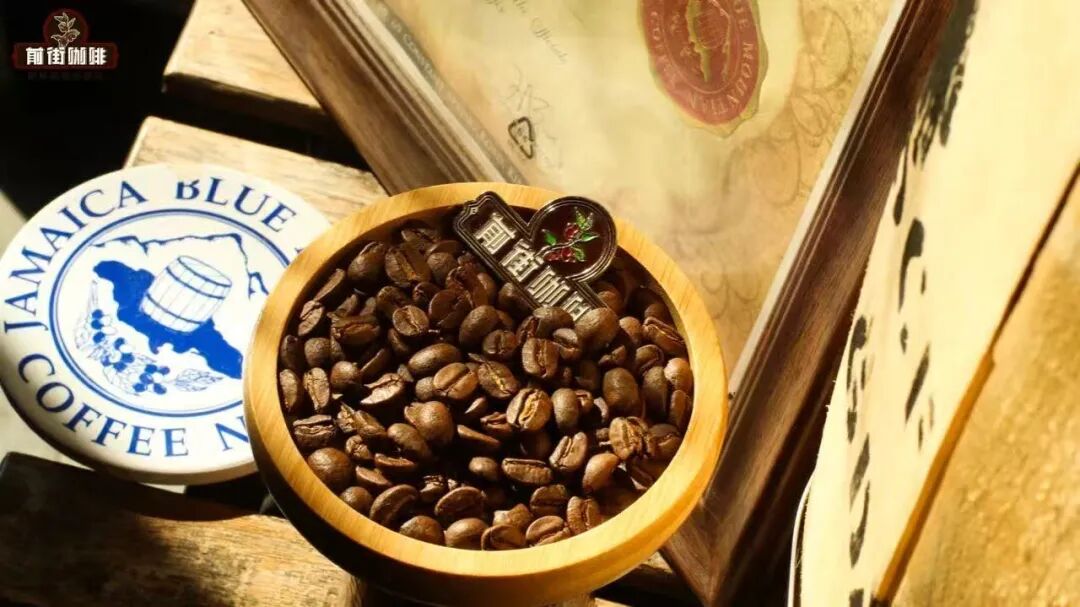
In fact, the claim that “good coffee is always acidic” is somewhat misunderstood. The industry generally considers “good coffee” to refer to coffee of “higher quality.” While many high-quality beans on the market do indeed feature bright acidity, there are also premium coffees where bitterness takes center stage. For example, the Jamaica Blue Mountain No.1 listed in one of our coffee menus is a classic high-quality coffee with a bitter profile, showcasing flavors of chocolate, caramel, cream, and nuts, embodying the traditional notion of “coffee flavor.”
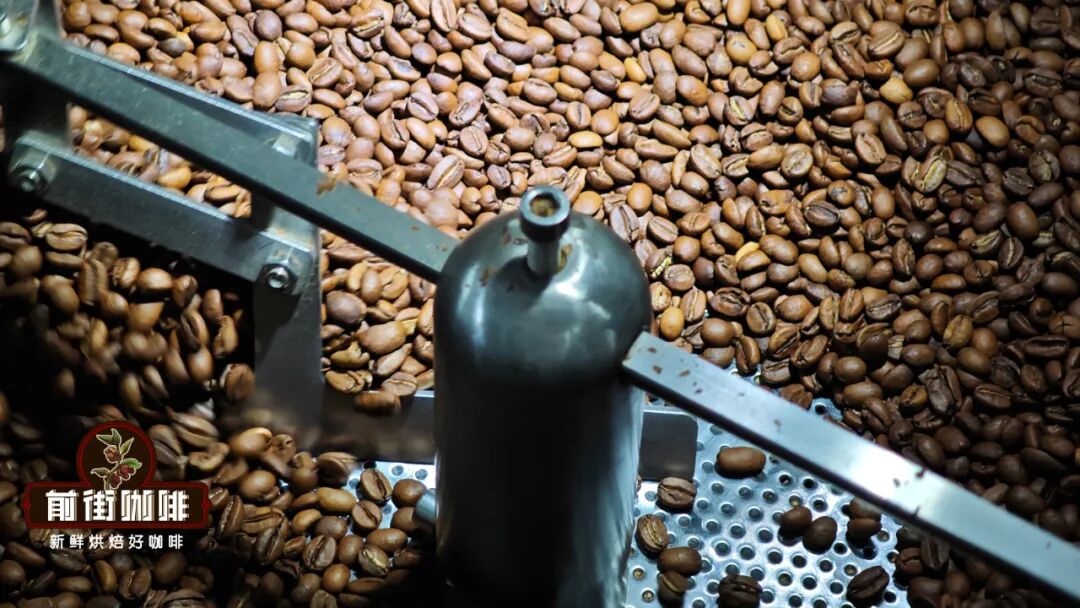
The acidity or bitterness of coffee is not determined solely by quality but is significantly influenced by the degree of roasting. Generally speaking, the lighter the roast, the brighter the acidity; the darker the roast, the more pronounced the bitterness. The reason so many coffees today lean toward acidity is that an increasing number of consumers and roasters prefer medium to light roasts, rather than blindly chasing after dark roasts.
Looking back, deep roasting was the norm in coffee roasting, stemming from the lack of a clear roasting classification system in the early days. People’s understanding of roasting was similar to that of cooking vegetables—they believed the beans had to be “fully cooked” to be considered done. And the indicator of being “fully cooked” was the beans going through their second crack, or what we call the “second pop.” Coffee beans that underwent the second pop turned dark in color and emitted a strong, smoky aroma—this was the ideal coffee profile at the time.
To use a relatable analogy, just like how most people in the past were only familiar with sweet tofu pudding, finding savory or spicy versions unfamiliar or even off-putting, consumers back then also struggled to accept acidic coffee. Additionally, the overall lower quality of early coffee beans, coupled with immature roasting techniques and theories, contributed to the dominance of dark roasting. In this context, acidity was often seen as a sign of under-roasting or failure.
With the rise of the “specialty coffee” concept, this situation gradually changed. Ms. Erna Knutsen advocated for classifying high-quality coffee beans separately, rather than mixing them with commercial-grade beans. While this philosophy aimed to highlight the value of premium beans, it indirectly promoted a revolution in roasting concepts. As coffee quality improved, roasters began exploring different roasting styles, among which the “Nordic light roast,” represented by Scandinavian countries, gradually gained popularity.
The so-called “Nordic light roast” refers to the mainstream roasting level in Nordic regions. Compared to deep roasting traditions like Italian or French roasts, the Nordic region had relatively late exposure to coffee and was less constrained by existing frameworks, thus becoming a pioneer in light roasting. Although by modern standards, the Nordic light roast of the time might be closer to a medium roast, it was still relatively light compared to the prevailing deep roasts.
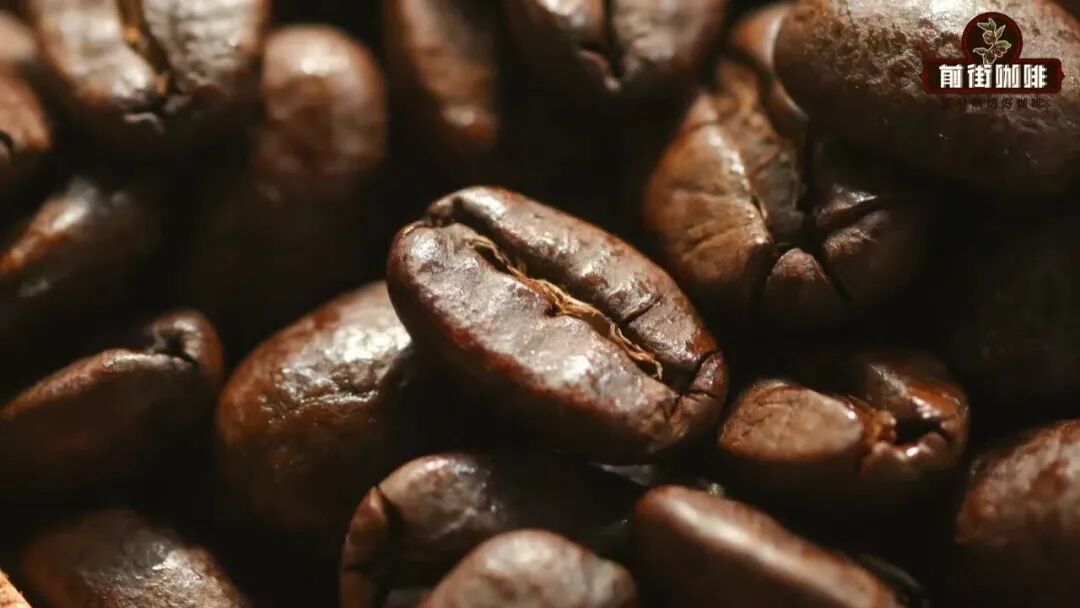
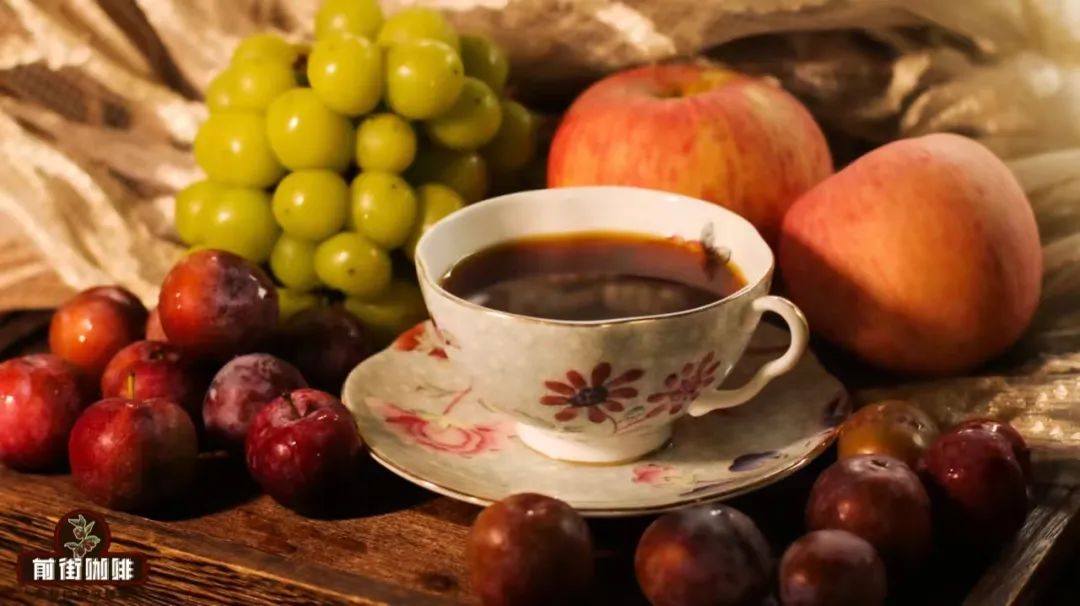
Light roasting not only makes the acidity of coffee brighter but also reduces the heavy smokiness produced by dark roasting, allowing delicate flavors such as floral and fruity notes to shine through. This shift caters to the dietary preferences of many who dislike bitterness, especially in regions where a culture of bitter coffee has not been deeply rooted—brightly acidic coffee is more readily accepted. As a result, light roasting has gradually become an important method for showcasing the regional flavor differences of coffee.
However, not all coffee beans are suitable for light roasting. Lower-quality beans, if lightly roasted, may amplify sharp acidity due to insufficient sweetness or appear unbalanced due to uncovered defect flavors. Such beans are usually better suited for dark roasting, where the smokiness produced by high-temperature roasting can effectively neutralize defects and enhance overall flavor harmony. In other words, light roasting is like a litmus test—only beans of a certain quality level can display their best flavors through it.

Returning to the original question: “Are all good coffees acidic?” The answer is no. The final flavor of coffee depends on the roasting goal and consumer preference. Take Ethiopia's Huika beans, for instance: one offers a light roast suitable for pour over and single-origin tasting, highlighting bright, acidic-sweet notes like orange blossom, citrus, strawberry, and cream; the other is a medium roast ideal for espresso preparation, ensuring the coffee flavors remain distinct even when milk is added.
In summary, the current popularity of acidic coffee is not only because it aligns more closely with popular taste preferences but also because it effectively highlights the unique terroir characteristics of different regions. The balance of acidity and bitterness in coffee is not determined solely by quality but is the combined result of roasting strategies and market demand. Understanding these backgrounds will help you make more personalized choices when selecting coffee beans and adjusting brewing parameters.





The above content is compiled by CoffeeHunters, a coffee news website.

