







Introduction:Want to understand the difference between espresso beans and single-origin beans? This article dives deep into the characteristics, roasting differences, and suitable brewing scenarios of both types of beans. It also introduces common types of espresso blends, including Arabica + Robusta, 100% Arabica, and SOE (Single Origin Espresso). Whether you’re new to coffee or looking to select the right beans for your shop, you’ll find practical advice and flavor insights here.
Many coffee enthusiasts are familiar with classic drinks like lattes and cappuccinos, but may not realize they belong to the espresso coffee category — and these types of coffee have specific bean requirements. Espresso beans are primarily used to make espresso shots via espresso machines under high pressure, resulting in a bold and concentrated flavor that differs greatly from the more common single-origin pour over beans.
So, what kind of coffee beans are suitable for making espresso? Simply put, espresso beans are often blends, consisting of beans from different regions mixed in specific proportions and roasted to a medium-dark level. They emphasize body and crema performance. In contrast, single-origin beans come from a single region or variety, offering a purer flavor, and are typically used for brewing methods like pour over or cold drip.
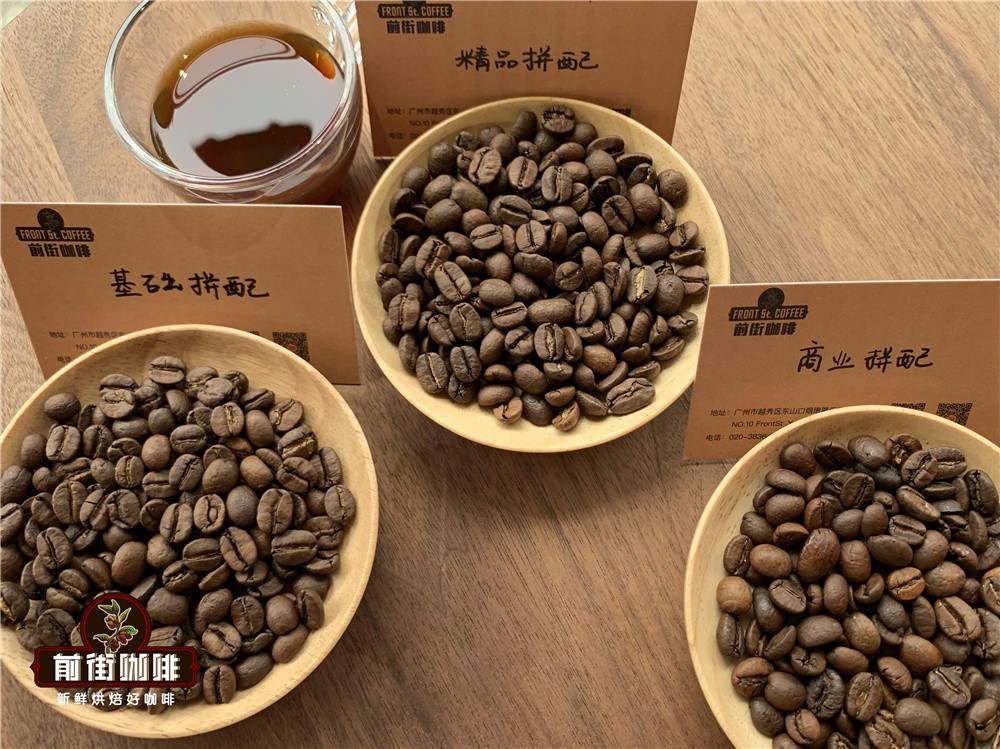
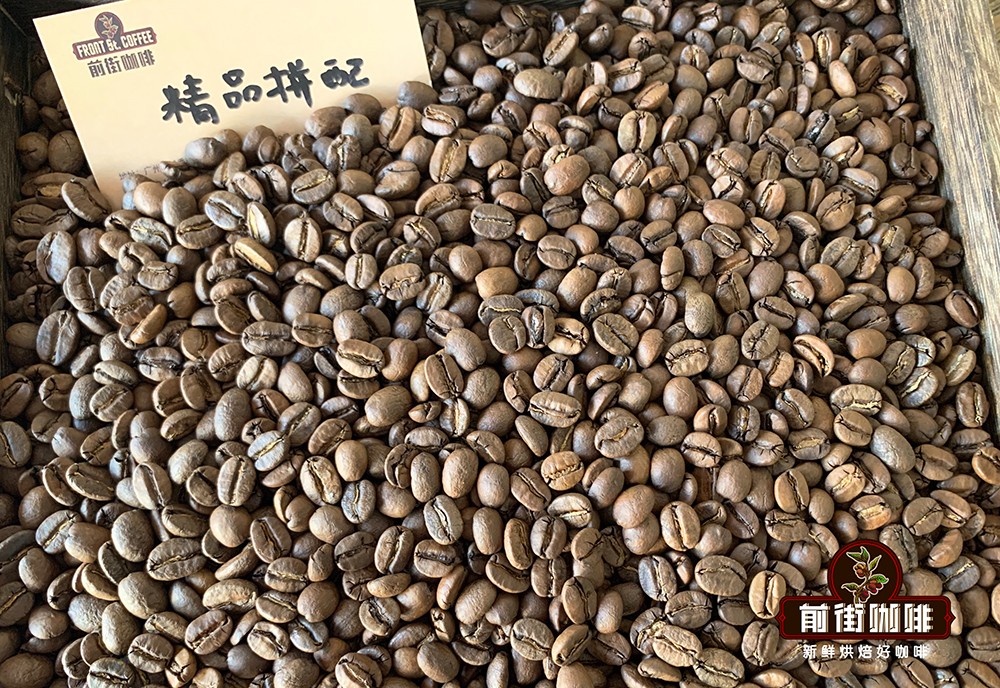
Blend production is divided into two types: “green blend” and “roasted blend.” Green blending refers to mixing different bean varieties before roasting, while roasted blending means blending them after each has been roasted individually. Roasters need an in-depth understanding of the acidity, sweetness, body, and aroma profiles of beans from various origins. By using precise ratios and roasting techniques, they aim to create a balanced and stable flavor. Additionally, since coffee bean flavors can vary slightly each year due to climate, blending helps ensure consistency in taste across vintages.
Espresso beans can generally be categorized into three types: Arabica + Robusta blends, 100% Arabica blends, and single-origin SOE (Single Origin Espresso). Blends that include Robusta can enhance body and crema while reducing costs — a common practice in the market. 100% Arabica blends offer a more refined and layered flavor profile, but are usually more expensive, with quality depending on specific origin and processing methods. SOE replaces traditional blends with beans from a single origin, using high-pressure extraction to highlight unique characteristics, such as bright citrus or tropical fruit notes.
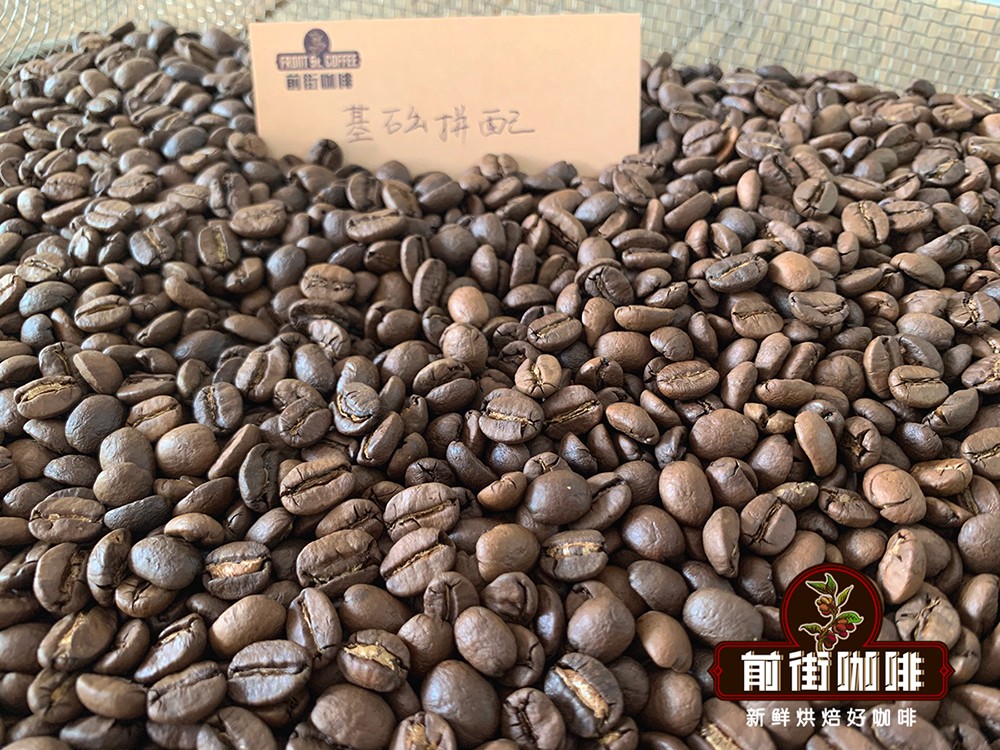
Many coffee shops start with Arabica + Robusta blends due to their stability and good crema performance, making them ideal for milk-based coffee bases. If you're pursuing a more pure flavor experience, 100% Arabica blends or specialty SOEs are great choices. However, note that lighter-roasted beans used as SOEs might have overly sharp acidity — a medium to dark roast is generally recommended to bring out a fuller body.
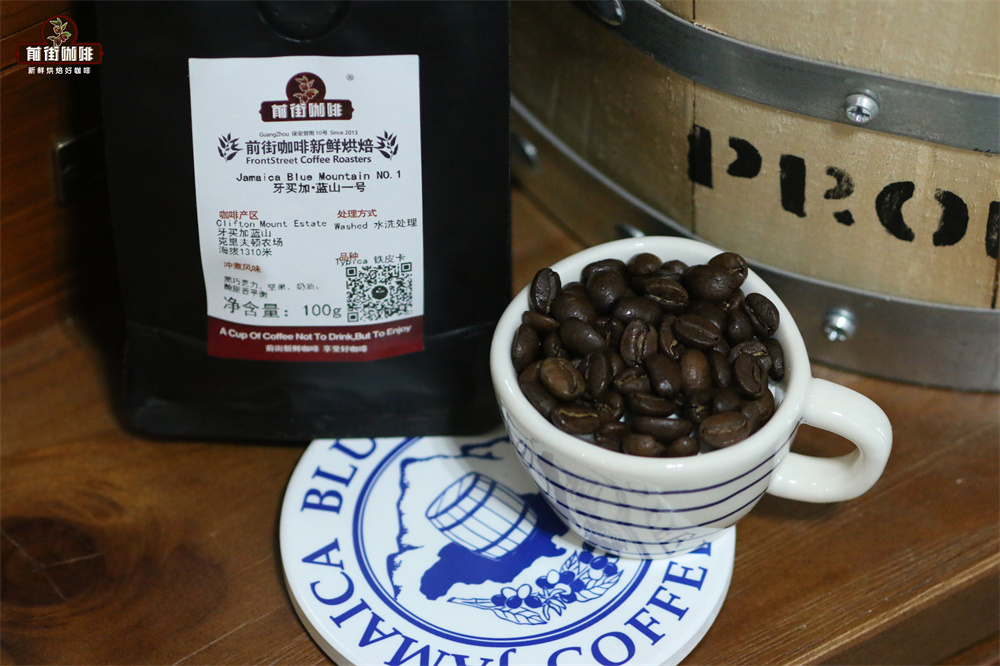
Single-origin beans typically come from specific regions or estates — such as the renowned Ethiopian Yirgacheffe or certain micro-lots from Colombia. These beans can be roasted to light, medium, or dark levels based on preference, and are suitable for gentle brewing methods like pour over or cold brew. Driven by the specialty coffee movement, single-origin beans are increasingly favored by consumers who value terroir expression, especially when brewed in ways that highlight the unique characteristics of the origin.
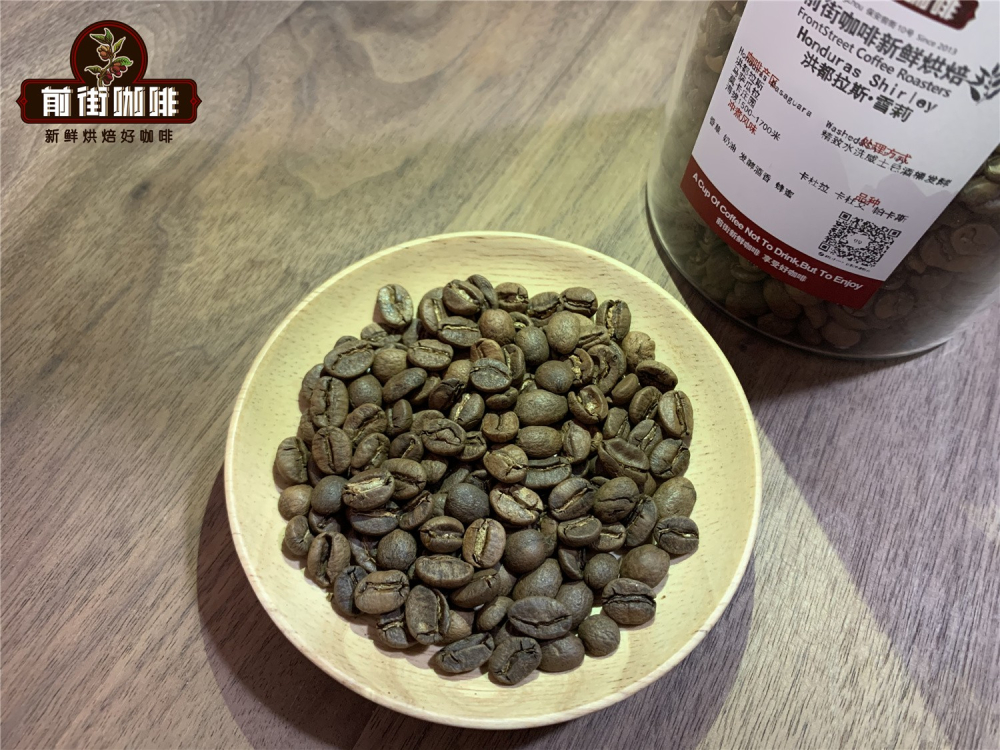
SOE, or “Single Origin Espresso,” replaces the multiple beans in a traditional espresso blend with a single-origin bean, using high-pressure extraction to showcase its distinct profile. For example, a Yirgacheffe SOE with citrus notes or a Kenya SOE with berry flavors can exhibit strong individuality in an espresso shot. However, it’s important to note that the flaws in a single-origin flavor profile may also be magnified, so the roast level is often darker than its pour over counterpart to balance acidity and enhance body.
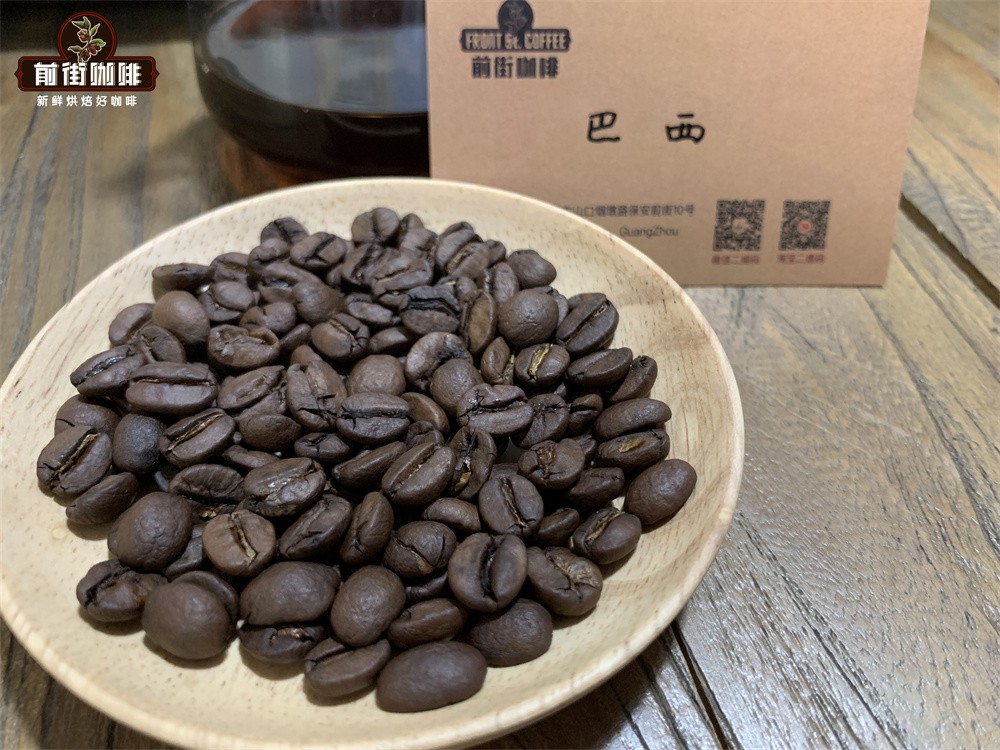
When blending, roasters typically set a flavor theme and select beans with clear primary and secondary roles. For instance, Brazilian beans may provide a nutty and chocolatey base, complemented by beans from other regions to add fruity or sweet notes. In roasted blending, it’s essential to ensure all beans are roasted to similar levels to avoid uneven extraction. With green blending, the roasting curve can be uniformly adjusted afterward to achieve a more harmonious overall flavor.
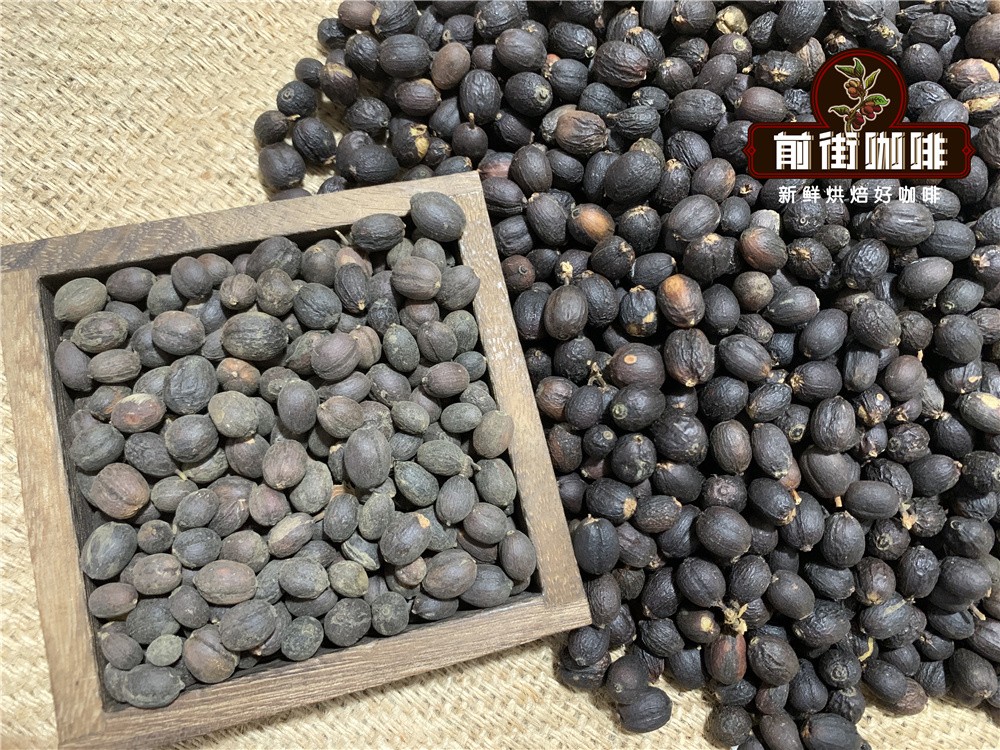
Whether you’re aiming to craft everyday milk coffee or create a uniquely flavored espresso, understanding the difference between espresso beans and single-origin beans can help you choose the right beans more precisely. From classic blends to innovative SOEs, each type has its advantages and suitable scenarios — feel free to explore further based on your own preferences.
The above content is compiled by CoffeeHunters, a coffee news website.

