








Introduction:The choice between blended coffee beans and single-origin coffee beans is a question every coffee enthusiast has faced. This article delves into the four fundamental principles of coffee blending, including flavor balance, cost control, consistency, and creative expression. It also provides a detailed comparison between pour over single-origin beans and blended beans in terms of origin, processing method, brewing technique, and extraction parameters. Practical examples of both pour over and espresso extractions are included to help readers master key techniques and flavor profiles.
In the world of coffee, blended coffee beans are a technique that combines art and science. A well-crafted blend not only showcases rich layers of flavor but can also create unique taste experiences that single-origin beans from a single region cannot achieve. Blending requires balancing flavor harmony, consistent output, and cost efficiency, making it essential to understand the principles behind it.
First, let’s clarify what single-origin coffee beans are. Single-origin coffee typically refers to beans sourced from a single region, a single variety, or even a single batch, reflecting the unique terroir of their origin. For example, many Ethiopian coffees, although they may consist of different varieties, are still considered single-origin because they come from the same region and share the same processing method. Additionally, even with different processing methods—as long as they come from the same farm—such as a Salvadoran coffee that is 50% washed and 50% honey processed, it can still be categorized as single-origin.

In contrast, blended coffee combines two or more types of beans from different regions or varieties, mixed according to specific goals. The aim is to complement each other’s strengths and weaknesses to create a more balanced and layered cup. Blends are commonly used in espresso to balance acidity, sweetness, and body by leveraging the characteristics of different beans, resulting in a smoother and more distinctive final flavor.

Blended coffee can be divided into two methods: pre-roast blending (生拼) and post-roast blending (熟拼). Pre-roast blending involves mixing different beans before roasting them together. This method ensures roast consistency and simplifies the process, but it requires the beans to have similar density and roast levels. Post-roast blending means roasting each bean to its optimal level individually before mixing them. Though more complex in quality control, it allows each bean’s unique flavor potential to be fully expressed.

For espresso blends, there are four key principles to master. The first is cost reduction—by blending beans of different grades, costs can be managed while maintaining flavor quality. The second is ensuring flavor stability—blending helps maintain consistency in the face of seasonal variations. The third is creating unique flavors—different regional beans can complement each other to develop flavor profiles rarely found in the market. The last is achieving balance—especially since espresso machines use high pressure, which amplifies certain characteristics, blends must harmonize the expression of acidity, sweetness, bitterness, and saltiness.
The first step in designing a coffee blend is to define a clear target flavor. For instance, if you want to highlight wine-like and fermented notes, you might choose beans fermented in wine barrels paired with sun-dried beans with bright acidity and pronounced fermentation traits. One brand’s Warm Sun Blend, for example, combines the rich wine aroma of Honduran sherry cask beans with the berry and tangy fruitiness of Ethiopian sun-dried Red Cherry, creating a layered and complex espresso flavor.

Setting the right blend ratio is equally crucial. It’s recommended to start with an initial proportion based on the flavor characteristics of each bean, then refine the combination through small-batch testing and cupping evaluations. During actual roasting, adjustments to roast level and resting time should be made depending on whether you’re using pre-roast or post-roast blending, to ensure the final flavor meets expectations. For instance, in the Warm Sun Blend, sherry cask beans make up 60% to emphasize the wine aroma, while sun-dried Red Cherry contributes 40% to add fresh acidity and fruity notes.

Shifting to pour over brewing with single-origin coffee, take the Ethiopian Yirgacheffe Sun-Dried Red Cherry as an example. Its bright acidity and intense fermented aroma are perfect for showcasing through pour over. It is recommended to use a V60 dripper, with medium-fine grind (approximately 80% passing through a #20 sieve), a brew ratio of 1:15, and water temperature controlled at 90–91°C. Use a three-stage extraction: start with 30 grams of water for a 30-second bloom, then pour to 125 grams and pause, finally pouring up to 225 grams. The total extraction time should be around 1 minute 55 seconds to 2 minutes 5 seconds, highlighting multiple flavor layers such as lemon, berries, citrus, and a lingering black tea finish.
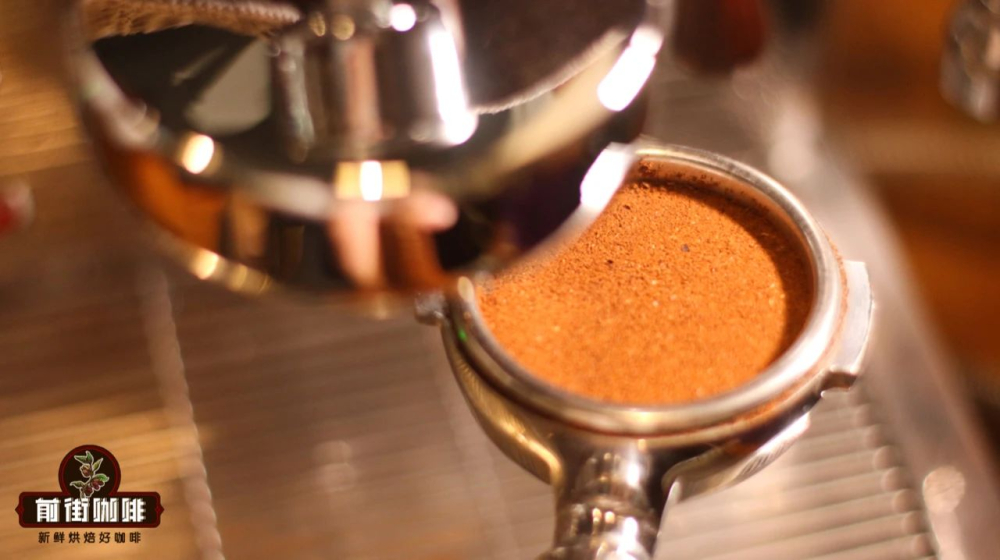
As for espresso extraction, using the Warm Sun Blend as an example, it is recommended to use 19 grams of coffee grounds with a target yield of 40 grams of espresso, ground to approximately Perga 900N #2, with extraction time kept within 30 seconds. These parameters deliver a rich body while showcasing a complex flavor profile of fruity acidity, berries, chocolate, and whiskey-like notes, with a long-lasting aftertaste and distinct sweetness.

In summary, the success of a coffee blend depends on clear planning of flavor goals, precise control over roasting techniques, and rigorous execution of ratio design. Whether aiming for consistency, cost efficiency, or market differentiation, mastering these four principles will take your blending skills further. Ultimately, the choice between single-origin and blended beans comes down to personal taste preferences and compatibility with brewing methods.

The above content is compiled by CoffeeHunters, a coffee news website.

